
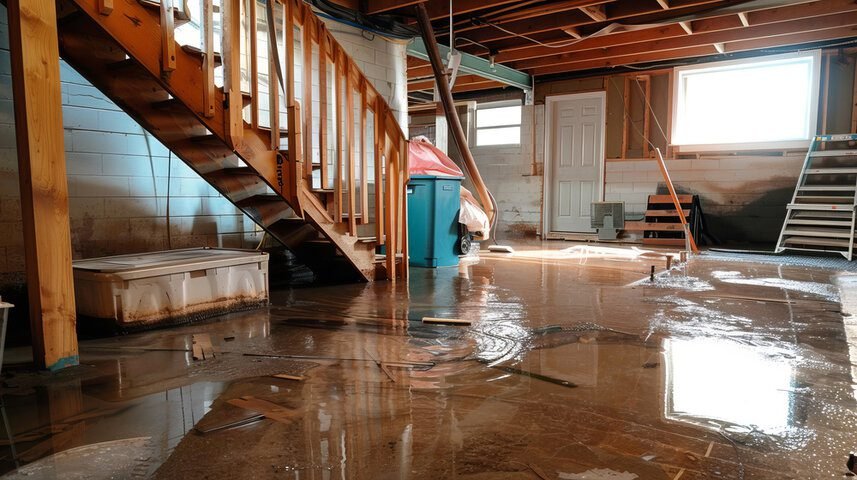
Basement flooding is a common and costly issue for property owners in Colorado’s high-elevation communities. From Breckenridge and Frisco to Silverthorne, Dillon, Keystone, and Vail, mountain homes and commercial buildings face unique environmental challenges that increase the risk of water intrusion. Heavy snowpack, steep terrain, freeze-thaw cycles, and aging infrastructure all contribute to basement moisture problems that can quickly escalate into significant property damage.
Rocky Mountain Restore, based in Summit County, Colorado, works with homeowners and businesses throughout the region to address water damage, mold growth, and structural concerns caused by basement flooding. Understanding why basements flood in mountain town properties is the first step toward prevention and fast, effective restoration.
Below, we break down the most common causes of basement flooding in Summit County and nearby Colorado mountain communities, along with practical insights to help protect your property.
Heavy Snowmelt and Rapid Thaw Cycles in Mountain Towns
Mountain living means long winters and substantial snowfall. In areas like Breckenridge and Keystone, snow accumulation can persist for months before rapidly melting in the spring. When warmer temperatures arrive suddenly, the ground often cannot absorb water fast enough, leading to oversaturation and hydrostatic pressure against foundation walls.
Unlike gradual rainfall, snowmelt often releases large volumes of water in a short period. When combined with rain-on-snow events, which are increasingly common in Colorado’s mountain climate, the result can overwhelm drainage systems and push water toward basements. This is especially problematic for homes built into hillsides or with partially below-grade living spaces.
Several factors make snowmelt-driven flooding particularly risky in Summit County:
- Deep seasonal snowpack that melts quickly during warm spells
- Rain falling on existing snow, accelerating runoff
- High-elevation UV exposure that speeds surface thaw while deeper soil remains frozen
- Limited soil absorption during early spring
As snow melts, water seeps into the soil surrounding the foundation. If the soil becomes saturated, hydrostatic pressure builds and forces moisture through small cracks, cold joints, or porous concrete. Even well-built foundations can experience seepage under extreme pressure.
Rapid thaw cycles also create repeated expansion and contraction in soil and foundation materials. Over time, this movement weakens structural integrity and creates pathways for water intrusion. Homeowners may notice damp walls, efflorescence, or musty odors long before visible flooding occurs.
To reduce risk during snowmelt season:
- Clear snow away from foundation walls before major thaws
- Ensure downspouts discharge several feet from the home
- Monitor sump pump performance during warm spells
- Inspect basement walls for early signs of seepage
When snowmelt overwhelms your basement and water enters the structure, immediate mitigation is critical. Rocky Mountain Restore provides responsive water damage restoration services throughout Summit County to remove standing water, dry structural components, and prevent secondary issues like mold growth.
Frozen Ground and Poor Winter Drainage Systems
Frozen ground is a defining feature of mountain winters. When soil freezes solid, it becomes nearly impermeable, preventing water from draining downward. This creates a dangerous situation when mid-winter thaws or early spring melt events occur.
In towns like Dillon and Silverthorne, fluctuating winter temperatures can create cycles of freezing and thawing. Water from melting snow has nowhere to go if the ground beneath remains frozen. Instead, it pools around foundations and seeps into any available opening.
Winter drainage challenges often include:
- Frozen or blocked exterior drain lines
- Ice buildup in window wells
- Clogged French drains or perimeter drains
- Downspouts buried under snow and ice
Improperly designed or aging drainage systems may not account for prolonged freeze conditions. When water collects against foundation walls, hydrostatic pressure increases. Even small hairline cracks can allow water to penetrate basement interiors.
Ice dams can also contribute indirectly. When ice blocks proper roof drainage, meltwater can overflow and cascade down exterior walls, saturating the soil near the foundation. Over time, this persistent saturation increases the likelihood of basement intrusion.
Property owners can reduce winter drainage risks by:
- Keeping gutters clear before snowfall
- Extending downspouts beyond snow accumulation zones
- Checking window wells for ice buildup
- Scheduling periodic inspections of foundation drainage systems
If winter drainage failure leads to basement flooding, quick action prevents further damage. Rocky Mountain Restore serves Summit County and surrounding mountain communities with professional water extraction, structural drying, and moisture monitoring designed specifically for high-elevation climates.
Hillside Runoff Flowing Toward Foundations
Many homes in Breckenridge, Frisco, and Vail are built on sloped lots with stunning views. However, hillside construction introduces a significant risk factor: gravitational runoff. When snow melts or heavy rain falls, water naturally flows downhill, often directly toward foundation walls.
Mountain soil types vary, but many areas include rocky or compacted soils that limit absorption. This means runoff can travel quickly across the surface instead of soaking into the ground. If the property’s grading does not effectively divert water away from the home, the foundation becomes the path of least resistance.
Common hillside runoff challenges include:
- Insufficient swales or drainage channels
- Retaining walls that trap water
- Driveways sloping toward garage foundations
- Improperly placed landscaping features
Walk-out basements are particularly vulnerable because one or more walls are fully exposed to downhill flow. During major melt or storm events, water can accumulate rapidly against these walls.
Over time, repeated exposure to runoff weakens foundation materials and can compromise waterproofing membranes. Even minor defects in exterior coatings or flashing can allow moisture to enter.
To manage hillside runoff effectively:
- Install or maintain swales that redirect water around the home
- Inspect retaining walls for proper drainage
- Ensure driveway slopes guide water away from structures
- Consider adding exterior waterproofing if chronic seepage occurs
If runoff has already led to water intrusion, immediate mitigation is essential. Rocky Mountain Restore works with residential and commercial property owners throughout Summit County to assess damage, remove moisture, and restore affected materials safely and efficiently.
Cracked Foundation Walls and Settling Soils
Mountain properties experience unique structural stress due to fluctuating temperatures, expansive soils, and varying moisture levels. As soil repeatedly freezes and thaws, it expands and contracts. This movement can cause foundation walls to crack or shift over time.
In Summit County communities, even small cracks can become entry points for groundwater. Hairline fractures may not appear concerning at first, but under hydrostatic pressure they can allow significant seepage.
Foundation vulnerabilities often include:
- Vertical or diagonal wall cracks
- Gaps around utility penetrations
- Deteriorated mortar joints in older masonry foundations
- Settlement-related floor slab cracks
Soil settlement is another factor. When saturated soils dry out or erode, they may lose volume, creating voids beneath slabs or around foundation walls. This can cause structural shifting and increase the likelihood of water intrusion.
Older homes in areas like Frisco or Dillon may not have modern waterproofing systems installed during original construction. As materials age, their resistance to moisture declines.
Warning signs of structural-related basement flooding include:
- Persistent dampness along one wall
- Efflorescence or white mineral deposits
- Bowing foundation walls
- Uneven basement floors
When cracks or structural defects contribute to flooding, restoration goes beyond simply removing water. Rocky Mountain Restore collaborates with property owners and insurance providers throughout Summit County to address water damage, dry affected materials, and coordinate necessary structural repairs when appropriate.
Aging Sump Pumps and Failed Drain Tiles in Older Homes
Many mountain homes rely on sump pump systems and perimeter drain tiles to manage groundwater. However, these systems are mechanical and not immune to failure. In older properties across Silverthorne, Keystone, and Breckenridge, aging components may not perform effectively during peak demand.
Sump pumps are especially vulnerable during heavy snowmelt events when they must operate continuously. Power outages during storms further increase flood risk if no battery backup is installed.
Common sump and drain tile issues include:
- Burned-out sump pump motors
- Clogged intake screens
- Collapsed or obstructed drain tiles
- Lack of backup power systems
When perimeter drains clog with sediment or roots, water accumulates around the foundation instead of being redirected away. This increases hydrostatic pressure and can lead to sudden basement flooding.
Routine maintenance can significantly reduce the likelihood of system failure:
- Test sump pumps before spring thaw
- Install battery or water-powered backups
- Schedule professional drain inspections
- Replace aging systems proactively
If a sump pump fails and basement flooding occurs, time is critical. Rocky Mountain Restore provides water extraction, structural drying, and mold prevention services for residential and commercial properties throughout Summit County and nearby mountain communities.
Improper Grading Around Mountain Properties
Grading refers to the slope of the soil around a building’s foundation. In mountain environments, proper grading is essential because of steep terrain and intense seasonal water flow. Even minor grading errors can direct water toward the home instead of away from it.
In areas like Breckenridge and Frisco, landscaping projects or driveway modifications may unintentionally alter drainage patterns. Over time, soil can also settle, creating low spots where water collects.
Grading problems often include:
- Negative slope toward foundation walls
- Soil erosion exposing foundation footings
- Mulch beds trapping moisture against siding
- Hardscape features blocking natural drainage paths
Improper grading may not cause immediate flooding, but it gradually increases moisture exposure. During major snowmelt or storm events, these small issues compound into significant water intrusion.
Corrective measures typically involve reshaping soil to ensure a consistent downward slope away from the home. Additional drainage solutions such as French drains or surface drains may also be necessary in high-risk properties.
If improper grading has contributed to basement flooding, Rocky Mountain Restore serving Summit County and surrounding Colorado mountain communities can assess the damage, remove excess moisture, and help property owners develop a comprehensive plan for prevention and restoration.
Frequently Asked Questions
What should I do immediately if my basement floods in Breckenridge or Summit County?
If your basement floods, prioritize safety by turning off electricity to affected areas if it is safe to do so and avoiding contact with standing water. Then contact a professional water damage restoration company such as Rocky Mountain Restore serving Summit County and nearby communities to begin water extraction and structural drying. Fast action helps minimize mold growth and structural deterioration.
How quickly can mold grow after basement flooding in mountain climates?
Mold can begin developing within 24 to 48 hours after water intrusion, even in cooler mountain climates like Frisco or Dillon. Once moisture becomes trapped in drywall, insulation, or flooring, microbial growth can spread quickly. Rocky Mountain Restore provides mold remediation and moisture monitoring services throughout Summit County to address potential contamination early.
Does homeowners insurance cover basement flooding in Colorado mountain towns?
Coverage depends on the source of water and the specifics of your policy. Sudden and accidental water damage, such as from a burst pipe, is often covered, while groundwater intrusion may require additional flood coverage. Rocky Mountain Restore works with property owners and insurance providers throughout Summit County to document damage and support the claims process.
How do I know if my sump pump is failing?
Warning signs include unusual noises, constant cycling, failure to activate during high water events, or visible rust and wear. In mountain communities like Silverthorne and Keystone, testing sump pumps before spring snowmelt is especially important. Rocky Mountain Restore can inspect water damage and recommend appropriate next steps if a system failure has already occurred.
Can heavy snow alone cause basement flooding?
Yes, heavy snow followed by rapid thaw can generate large volumes of water that saturate soil and increase hydrostatic pressure against foundations. In Summit County, this is one of the most common causes of seasonal basement flooding. Proper drainage, grading, and sump pump maintenance significantly reduce risk.
What is involved in professional water damage restoration?
Professional restoration typically includes water extraction, moisture mapping, industrial drying, dehumidification, cleaning, and sanitizing affected areas. Rocky Mountain Restore serving Breckenridge, Frisco, Dillon, and surrounding communities provides comprehensive restoration services designed for Colorado’s high-elevation conditions.
How long does it take to dry a flooded basement?
Drying time varies based on the extent of damage, materials affected, and environmental conditions. In most cases, structural drying takes several days using professional equipment. Rocky Mountain Restore uses advanced moisture detection and drying systems to ensure affected areas in Summit County properties are thoroughly dried to industry standards.
Do commercial properties in Summit County face different basement flooding risks?
Yes, commercial buildings often have larger footprints, complex drainage systems, and mechanical equipment located in lower levels. This can increase both risk and potential damage. Rocky Mountain Restore provides commercial water damage restoration services throughout Summit County and nearby Colorado mountain communities to minimize downtime and restore safe operations.