
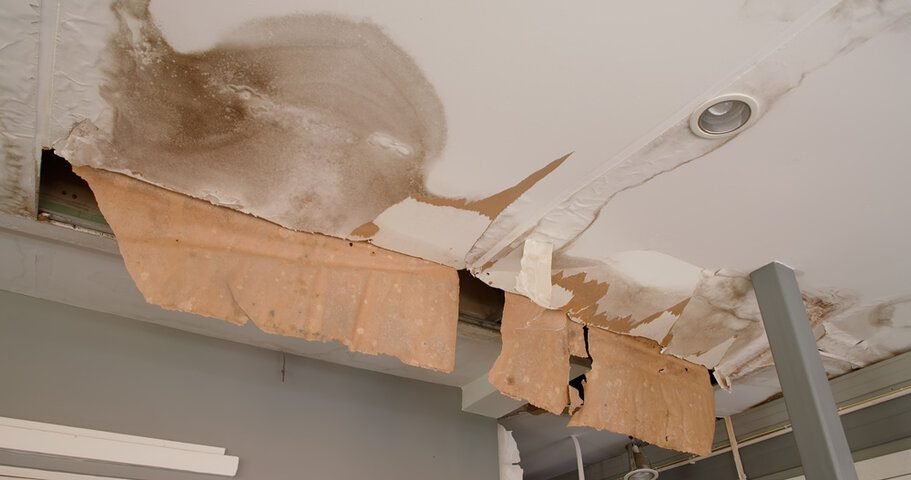
Property damage rarely stops at what you can see. Water intrusion, smoke residue, and mold growth often penetrate beneath surfaces, slowly weakening framing, subfloors, insulation, and structural components. In Colorado’s high-elevation communities like Breckenridge, Silverthorne, Dillon, Frisco, Keystone, and Vail, the mountain climate adds another layer of complexity. Freeze-thaw cycles, heavy snowfall, and rapid temperature shifts can accelerate deterioration if damage is not addressed correctly and promptly.
Rocky Mountain Restore, based in Summit County, Colorado, specializes in helping homeowners and businesses prevent long-term structural damage after water, fire, and mold events. Serving both residential and commercial properties throughout Summit County and nearby mountain communities, the team focuses on early detection, rapid mitigation, and thorough restoration strategies that protect structural integrity for years to come.
This guide explains how professional restoration experts stop small problems from becoming costly structural failures, and why fast, informed action is critical in mountain environments.
Early Damage Assessment Saves Structures
Structural damage often begins long before sagging beams or cracked drywall appear. Moisture can travel through insulation, wick into framing, and seep beneath flooring within hours. Smoke and soot can infiltrate cavities and corrode metal connectors. Mold can quietly weaken wood fibers behind walls. A professional damage assessment identifies these hidden threats before they compromise structural stability.
In Summit County’s mountain climate, early inspection is especially important. Snowmelt intrusion, ice dam leaks, and burst pipes during cold snaps can introduce moisture into attic trusses and wall cavities. Without advanced tools and experience, it is difficult to determine how far that moisture has spread. Restoration professionals use moisture mapping, infrared imaging, and structural probing techniques to locate damage beyond the surface.
A comprehensive early assessment typically includes:
- Moisture readings in walls, ceilings, and subfloors
- Inspection of framing, joists, beams, and support structures
- Evaluation of insulation saturation and vapor barriers
- Identification of smoke residue penetration after fire events
- Documentation for insurance and repair planning
By acting quickly, restoration experts prevent structural weakening that may otherwise require partial rebuilds. For homeowners in Breckenridge and Frisco, early intervention can mean the difference between targeted drying and complete floor replacement. For commercial properties in Dillon or Silverthorne, it can prevent downtime caused by structural reconstruction.
Beyond identifying visible damage, restoration professionals also evaluate building materials and construction type. Mountain homes often feature exposed timber, complex rooflines, and custom finishes. Each material responds differently to moisture and smoke exposure. Proper assessment ensures that structural components are dried, cleaned, or replaced according to manufacturer standards and building codes.
Early assessment is not simply about cleanup. It is about protecting load-bearing systems, preserving structural integrity, and preventing long-term deterioration in Colorado’s demanding alpine conditions.
Rapid Water Removal Stops Hidden Decay and Mold
Water is one of the most destructive forces affecting residential and commercial structures. In high-altitude environments like Summit County, where freezing temperatures are common, water damage often begins with burst pipes, ice dams, or snowmelt infiltration. Once inside, water migrates quickly into porous materials and structural cavities.
If not removed promptly, moisture begins breaking down wood fibers, weakening fasteners, and compromising drywall and subfloors. Within 24 to 48 hours, mold growth can begin. Over time, persistent dampness leads to rot, warping, and loss of structural integrity.
Professional water mitigation teams focus on rapid extraction and controlled drying. Rocky Mountain Restore responds throughout Breckenridge, Keystone, Silverthorne, and nearby communities with equipment designed to remove water efficiently and thoroughly.
Effective water mitigation involves:
- High-capacity water extraction from flooring and carpets
- Commercial-grade air movers to increase evaporation
- Dehumidifiers calibrated for mountain humidity levels
- Moisture monitoring inside wall cavities and structural framing
- Removal of unsalvageable materials to prevent trapped moisture
Hidden moisture is the true threat to structural stability. Water can seep beneath hardwood floors, saturate subflooring, and travel along framing members. Without proper drying techniques, these areas remain damp long after surfaces appear dry. Over time, this leads to:
- Wood rot in joists and beams
- Delamination of plywood and subfloors
- Nail and connector corrosion
- Insulation degradation
- Persistent mold colonization
In mountain communities like Vail and Frisco, fluctuating temperatures can cause moisture to freeze and expand inside building materials, worsening cracks and structural stress. Professional drying accounts for these environmental factors and adjusts airflow and humidity control accordingly.
Rapid water removal is not only about preventing cosmetic damage. It is a structural preservation strategy that stops decay before it undermines the core framework of a building.
Smoke Cleanup Protects Structural Integrity
Fire damage extends well beyond burned materials. Smoke and soot travel throughout a structure, penetrating porous surfaces and settling in hidden spaces. Even in areas untouched by flames, acidic soot residue can corrode metal, stain framing, and degrade building materials.
In residential and commercial properties across Summit County, smoke damage frequently impacts attics, HVAC systems, wall cavities, and structural connectors. Left untreated, residue continues to cause deterioration long after the fire has been extinguished.
Professional smoke cleanup addresses both visible and invisible damage. Restoration teams begin with a detailed inspection to determine the type of smoke residue present. Different materials produce different soot characteristics, and cleaning methods must match the contamination type to prevent further damage.
Key steps in structural smoke remediation include:
- HEPA vacuuming of structural surfaces
- Specialized dry sponging of framing and sheathing
- Application of alkaline or solvent-based cleaning agents
- Removal of corrosive residues from metal components
- Sealing exposed wood to prevent odor and future degradation
Smoke residue can be particularly harmful to structural connectors and fasteners. Over time, acidic deposits may weaken metal brackets, joist hangers, and nails. This corrosion compromises load-bearing capacity if not addressed properly.
In mountain homes with exposed beams or vaulted ceilings, smoke infiltration into timber can be extensive. Professional cleaning techniques remove contaminants while preserving the structural strength and aesthetic character of the wood.
Restoration experts also evaluate insulation and concealed spaces. Smoke particles trapped inside wall cavities can continue affecting framing. By addressing these hidden areas, professionals prevent long-term weakening and recurring odor issues.
Effective smoke cleanup safeguards structural components, not just surfaces. It restores the integrity of the building system as a whole.
Mold Remediation Prevents Long-Term Rot Damage
Mold is not just a surface-level issue. In moisture-prone environments, it becomes a structural concern. Mold feeds on organic materials such as wood, drywall paper, and insulation backing. Over time, active mold growth weakens these materials, contributing to rot and structural instability.
Colorado mountain communities face unique mold risks. Snow accumulation, roof leaks, and condensation caused by temperature differentials can introduce moisture into attics and crawl spaces. Once mold colonizes framing, it spreads along wood grain and into adjacent materials.
Professional mold remediation focuses on containment, removal, and prevention. Rocky Mountain Restore serving Summit County and nearby communities uses industry-standard protocols to ensure mold is addressed at its source rather than simply cleaned from visible areas.
Effective mold remediation includes:
- Containment barriers to prevent cross-contamination
- HEPA air filtration to capture airborne spores
- Removal of contaminated drywall or insulation
- Antimicrobial treatment of structural wood
- Moisture source identification and correction
When mold is left untreated, structural consequences may include:
- Wood rot in studs and joists
- Compromised subfloor integrity
- Reduced load-bearing capacity
- Deterioration of sheathing and framing
- Persistent indoor air quality issues
Remediation experts also assess ventilation systems, attic airflow, and insulation effectiveness. In mountain climates, poor ventilation can trap warm, moist air against cold surfaces, leading to condensation and ongoing mold growth.
By combining remediation with moisture control solutions, restoration professionals prevent recurring problems that slowly degrade structural systems. Addressing mold thoroughly ensures the longevity of both residential and commercial properties in Breckenridge, Dillon, Silverthorne, and surrounding areas.
Mountain Climate Risks to Building Frames
High elevation living offers beauty and recreation, but it also presents structural challenges. Summit County properties face heavy snow loads, rapid freeze-thaw cycles, and intense UV exposure. When buildings have pre-existing water or fire damage, these environmental stressors amplify the risk of long-term structural failure.
Freeze-thaw cycles are especially destructive. Moisture trapped in framing expands when frozen, creating micro-fractures in wood and concrete. Repeated cycles gradually weaken structural elements. What begins as minor water intrusion can evolve into cracked beams or compromised foundations.
Mountain-specific structural risks include:
- Ice dam formation along rooflines
- Snow load stress on trusses and rafters
- Wind-driven snow intrusion
- Condensation in poorly ventilated attics
- Expansion and contraction of materials due to temperature swings
Restoration experts understand how these factors interact with damage scenarios. For example, a small roof leak in Keystone can saturate insulation. If that moisture freezes, it may distort surrounding framing. Professional drying and insulation replacement prevent that chain reaction.
Additionally, many mountain homes feature complex architectural designs with multiple roof valleys and custom timber framing. These designs require precise restoration techniques to maintain structural stability and aesthetic integrity.
By tailoring restoration strategies to the local climate, Rocky Mountain Restore helps protect properties throughout Summit County from progressive structural damage triggered by environmental stress.
Coordinating Structural Repairs With Insurance
Preventing long-term structural damage often depends on timely insurance coordination. Delays in approvals can prolong exposure to moisture or smoke contaminants, increasing the risk of structural deterioration. Professional restoration companies play a critical role in bridging this gap.
Rocky Mountain Restore works closely with property owners and insurance providers throughout Breckenridge, Silverthorne, Dillon, Frisco, Keystone, and Vail. Detailed documentation supports accurate claims processing and ensures that structural repairs are not overlooked.
Insurance coordination typically includes:
- Comprehensive damage documentation with photos and reports
- Moisture and structural readings to support scope of work
- Itemized repair estimates aligned with industry standards
- Communication with adjusters to expedite approvals
- Clear explanation of structural repair needs
Accurate scoping is essential. If structural drying or framing replacement is underestimated, hidden damage may persist. Restoration professionals advocate for complete remediation to prevent future failures.
For commercial properties, coordinated restoration reduces downtime and liability exposure. For homeowners, it ensures that structural systems are restored to safe and code-compliant conditions.
When restoration and insurance processes work together efficiently, buildings are stabilized quickly, reducing the chance of secondary damage caused by delays.
Frequently Asked Questions
How quickly should water damage be addressed in Summit County homes?
Water damage should be addressed as soon as possible, ideally within the first 24 hours. In high-elevation communities like Breckenridge and Frisco, freezing temperatures and rapid moisture spread can accelerate structural deterioration. Rocky Mountain Restore serving Summit County and nearby communities offers prompt water mitigation services designed to remove moisture quickly and prevent long-term structural damage.
Can small leaks really cause structural damage over time?
Yes, even minor leaks can lead to significant structural problems if left untreated. Slow moisture intrusion can weaken wood framing, rot subfloors, and corrode fasteners. Rocky Mountain Restore frequently helps homeowners in Silverthorne and Dillon identify hidden moisture before it results in costly structural repairs or reconstruction.
Does smoke damage affect structural components of a building?
Smoke damage can impact structural elements, especially if acidic soot residues settle on wood and metal connectors. Over time, corrosion and material degradation may compromise structural stability. Rocky Mountain Restore provides professional smoke cleanup throughout Summit County to protect framing, beams, and support systems after fire events.
How does mold impact the structural integrity of a property?
Mold feeds on organic building materials such as wood and drywall paper, gradually weakening them. If mold growth continues unchecked, it can contribute to wood rot and reduced load-bearing capacity. Rocky Mountain Restore serving Breckenridge, Keystone, and surrounding areas performs thorough mold remediation to eliminate growth and prevent long-term rot damage.
Are mountain homes more vulnerable to structural damage after water intrusion?
Mountain homes face additional risks due to freeze-thaw cycles, heavy snow loads, and temperature swings. Moisture trapped in framing can freeze and expand, worsening cracks and structural stress. Restoration professionals in Summit County understand these environmental factors and tailor drying and repair strategies accordingly.
Will my insurance cover structural drying and repairs?
Coverage depends on your specific policy and the cause of damage. Many insurance policies cover sudden and accidental water or fire damage, including necessary structural drying and repairs. Rocky Mountain Restore works closely with insurance providers throughout Summit County to document damage thoroughly and support accurate claims processing.
What is involved in professional mold remediation for structural protection?
Professional mold remediation includes containment, removal of contaminated materials, antimicrobial treatment, and correction of the underlying moisture source. This comprehensive approach prevents mold from returning and protects structural framing. Rocky Mountain Restore follows industry-standard protocols for residential and commercial properties across nearby mountain communities.
How can I prevent long-term structural damage after a property disaster?
The most important step is to act quickly and involve experienced restoration professionals. Immediate assessment, moisture removal, smoke cleanup, or mold remediation significantly reduces the risk of structural deterioration. Rocky Mountain Restore based in Summit County provides thorough restoration services designed to safeguard homes and businesses for the long term.