
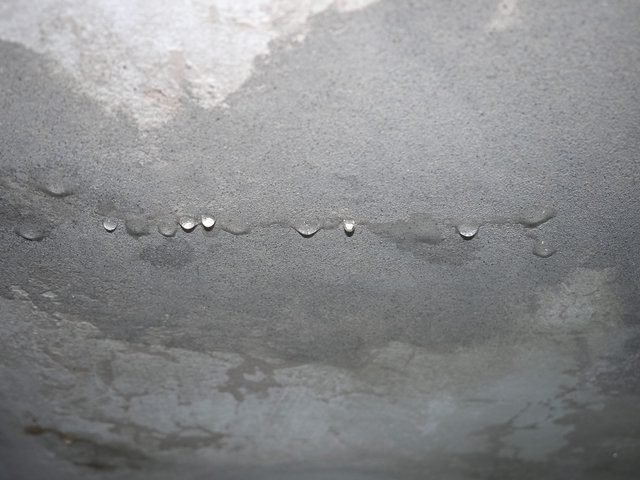
Moisture is one of the most common and destructive threats to homes and commercial buildings in Colorado’s mountain communities. From heavy snowpack in Breckenridge to sudden spring thaws in Silverthorne and summer storms in Vail, properties in Summit County face unique environmental pressures year-round. Professional moisture detection plays a critical role in identifying hidden water issues early, preventing costly structural damage, mold growth, and long-term indoor air quality concerns.
Rocky Mountain Restore, based in Summit County, Colorado, provides professional moisture detection and property damage restoration services for residential and commercial clients throughout Breckenridge, Silverthorne, Dillon, Frisco, Keystone, Vail, and surrounding mountain communities. With deep experience in high-altitude building conditions, our team understands how water behaves differently in cold climates and how to identify moisture problems that may not be visible to the untrained eye.
Below, we explore why professional moisture detection is essential in Colorado homes, how advanced tools uncover hidden water damage, and why working with a trusted local restoration company can protect your investment for years to come.
Why Moisture Detection Matters in Colorado
Colorado’s mountain environment presents distinct moisture challenges that homeowners in lower elevations may never experience. Snow accumulation on roofs, ice dams, frozen pipes, and rapid freeze-thaw cycles all increase the risk of hidden water intrusion. Professional moisture detection ensures that even small leaks or damp areas are identified before they escalate into major structural concerns.
In high-altitude communities like Breckenridge and Keystone, snow can remain on rooftops for extended periods. As temperatures fluctuate, melting and refreezing create opportunities for water to seep beneath shingles, into attic insulation, and along interior walls. Without proper detection, this moisture can remain trapped for months, weakening building materials and encouraging mold growth.
Professional moisture detection matters because it helps:
- Identify hidden leaks behind walls and ceilings
- Prevent mold growth before it spreads
- Protect structural framing and insulation
- Reduce long-term repair costs
- Support accurate insurance documentation
Moisture problems in Summit County homes often begin subtly. A faint stain on drywall or a slight musty odor may be the only early warning signs. By the time visible damage appears, significant deterioration may already have occurred behind the scenes. Professional inspection tools allow restoration specialists to assess moisture levels without unnecessary demolition, saving time and preserving materials whenever possible.
For commercial properties in Dillon and Frisco, moisture detection is equally important. Restaurants, retail spaces, and vacation rental properties face high occupancy turnover, increasing the risk of unnoticed leaks. Early intervention minimizes business interruption and protects property value.
Hidden Water Damage in Colorado Mountain Homes
Hidden water damage is especially common in mountain homes due to seasonal occupancy patterns. Many properties in Summit County serve as second homes or short-term rentals, meaning small leaks can go undetected for weeks or months. When owners return, they may find warped flooring, peeling paint, or musty odors without understanding the extent of underlying damage.
Mountain construction methods also contribute to hidden moisture risks. Homes are often built with complex rooflines to manage heavy snow loads. While these designs are structurally sound, they can create valleys and seams where water collects. Over time, small vulnerabilities allow moisture intrusion beneath roofing materials and into wall cavities.
Common sources of hidden water damage include:
- Ice dams forcing water under shingles
- Slow plumbing leaks behind cabinets
- Condensation buildup in crawl spaces
- Snowmelt infiltration around windows and doors
- Appliance line failures in kitchens and laundry rooms
In areas like Silverthorne and Vail, radiant floor heating systems are popular. While efficient and comfortable, leaks within these systems can be difficult to detect without professional moisture mapping. Water may travel beneath flooring surfaces, affecting subfloor materials before visible damage appears.
Hidden water damage also affects insulation performance. Wet insulation loses its thermal resistance, increasing energy costs and reducing indoor comfort during cold winters. Over time, damp materials can deteriorate framing, drywall, and flooring systems. Professional moisture detection helps pinpoint the exact location and spread of water intrusion, allowing for targeted drying and restoration rather than widespread demolition.
By addressing hidden moisture early, property owners can avoid secondary issues such as:
- Mold colonization
- Wood rot and structural weakening
- Electrical system risks
- Decreased property value
- Complicated insurance claims
Early detection not only preserves building materials but also protects the health and safety of occupants.
Advanced Tools for Accurate Moisture Testing
Professional moisture detection relies on specialized equipment designed to measure and map moisture levels within building materials. Unlike visual inspections alone, advanced tools provide precise data that guides restoration decisions and ensures thorough drying.
At Rocky Mountain Restore, serving Summit County and nearby mountain communities, technicians use industry-standard equipment to assess moisture in drywall, wood framing, concrete, and insulation. This scientific approach reduces guesswork and ensures no hidden pockets of water remain after a loss.
Common tools used in professional moisture detection include:
- Non-invasive moisture meters for surface readings
- Pin-type moisture meters for deeper material testing
- Thermal imaging cameras to identify temperature variations
- Hygrometers to measure indoor humidity levels
- Infrared technology to detect concealed moisture patterns
Thermal imaging is particularly valuable in Colorado homes. Temperature differences caused by evaporating moisture can reveal hidden leaks behind walls or beneath flooring. While infrared cameras do not directly measure water, they highlight suspicious areas that require further testing.
Moisture mapping is another critical component of professional detection. Technicians create detailed diagrams showing affected areas and moisture levels throughout the property. This documentation:
- Guides drying equipment placement
- Tracks progress during restoration
- Supports insurance claim documentation
- Confirms when materials have returned to safe moisture levels
In commercial properties throughout Frisco and Dillon, accurate moisture testing minimizes downtime. By targeting only affected areas, restoration teams can contain disruption while ensuring comprehensive remediation.
Advanced tools combined with professional training allow technicians to distinguish between active moisture intrusion and residual staining from past events. This distinction is essential for determining whether immediate drying is necessary or if repairs alone will resolve the issue.
Protecting Summit County Properties Year-Round
Moisture risks in Colorado mountain communities change with the seasons. Winter brings frozen pipes and ice dams, spring introduces snowmelt and runoff, summer delivers heavy rainstorms, and fall can expose vulnerabilities before temperatures drop again. Year-round vigilance is essential for protecting homes and businesses.
Preventive moisture detection inspections are especially valuable for properties in Breckenridge and Keystone that may sit vacant during portions of the year. Scheduled assessments help identify developing issues before they escalate into major restoration projects.
Property owners can reduce moisture risks by:
- Scheduling annual roof and attic inspections
- Insulating pipes to prevent freezing
- Maintaining proper attic ventilation
- Sealing windows and exterior penetrations
- Monitoring indoor humidity levels
Crawl spaces and basements in Silverthorne and Dillon often require special attention. Snowmelt saturation can elevate ground moisture levels, leading to vapor intrusion and condensation. Professional moisture detection helps determine whether vapor barriers, dehumidification, or drainage improvements are needed.
For commercial property managers in Vail and Frisco, routine moisture monitoring protects tenant spaces and reduces liability risks. Early detection can prevent slip hazards, ceiling collapses, or mold-related complaints that disrupt operations.
When severe weather events occur, rapid assessment is critical. Restoration professionals provide responsive solutions throughout Summit County and surrounding mountain regions following water damage, fire damage, mold issues, or severe property emergencies. Quick moisture detection and documentation help stabilize conditions and begin the drying process promptly.
Working With Insurance After Water Damage
Insurance claims can feel overwhelming, particularly after unexpected water damage. Professional moisture detection plays a key role in supporting clear, well-documented claims. Accurate measurements and detailed reports provide evidence of the extent of damage, helping insurers understand the scope of necessary restoration work.
When Rocky Mountain Restore responds to water damage in Summit County communities such as Breckenridge and Silverthorne, technicians document moisture readings, affected materials, and visible damage. This thorough assessment strengthens communication between property owners and insurance adjusters.
Documentation during moisture detection typically includes:
- Photographs of affected areas
- Moisture meter readings by location
- Thermal imaging results
- Written scope of affected materials
- Drying progress reports
Clear documentation benefits property owners by:
- Reducing disputes over damage extent
- Supporting timely claim processing
- Demonstrating professional mitigation efforts
- Providing a record of pre- and post-drying conditions
Insurance policies vary, and coverage may depend on the source of water damage. For example, sudden pipe bursts are often covered, while gradual leaks may require additional review. Professional assessment ensures the cause is accurately identified and communicated.
For commercial property owners in Dillon, Frisco, and Vail, minimizing business interruption is often a priority. Coordinated moisture detection and restoration planning can help streamline insurance communication while focusing on efficient recovery.
By working with a restoration company experienced in insurance processes, property owners gain an advocate who understands both technical moisture assessment and documentation standards.
Choosing Local Experts for Fast Response
In mountain environments, response time matters. Water can freeze, spread, or seep deeper into structural components within hours. Choosing a locally based restoration company ensures faster on-site assessment and familiarity with regional building practices.
Rocky Mountain Restore is based in Summit County, Colorado, and serves homeowners and businesses throughout Breckenridge, Silverthorne, Dillon, Frisco, Keystone, Vail, and surrounding mountain communities. Our team understands the unique challenges of high-altitude construction, snow loads, and seasonal occupancy patterns.
Benefits of choosing local moisture detection experts include:
- Faster response times in emergencies
- Knowledge of mountain-specific moisture risks
- Familiarity with local building materials and codes
- Established relationships with regional insurance adjusters
- Commitment to long-term community trust
Local expertise also means understanding common issues such as ice dam formation in Breckenridge or snowmelt drainage challenges in Silverthorne. This insight allows technicians to look beyond immediate symptoms and address root causes.
In addition to water damage restoration, Rocky Mountain Restore provides fire and smoke damage cleanup, mold remediation, and comprehensive property restoration services. Moisture detection often intersects with these services, particularly when water is used to extinguish fires or when lingering dampness contributes to mold growth.
Choosing experienced professionals ensures that moisture is not only identified but properly mitigated. From initial assessment to final verification, thorough detection supports a safe, dry, and structurally sound environment.
Frequently Asked Questions
How do I know if I need professional moisture detection in my Colorado home?
If you notice musty odors, unexplained stains, warped flooring, or increased indoor humidity, professional moisture detection may be necessary. In mountain communities like Breckenridge and Silverthorne, hidden moisture from snowmelt or ice dams is common. Rocky Mountain Restore serving Summit County and nearby communities offers detailed inspections to identify concealed water intrusion before it leads to structural damage or mold growth.
Can moisture behind walls cause mold in high-altitude homes?
Yes, moisture trapped behind walls can create ideal conditions for mold growth, even in Colorado’s dry climate. Mountain homes often experience localized dampness from leaks or condensation. Rocky Mountain Restore provides professional moisture detection and mold remediation services throughout Summit County to identify hidden water sources and safely address contamination before it spreads.
What tools are used during professional moisture detection?
Professional moisture detection involves non-invasive moisture meters, pin-type meters, thermal imaging cameras, and hygrometers to measure humidity levels. These tools help technicians assess water intrusion without unnecessary demolition. Rocky Mountain Restore uses advanced equipment to accurately map moisture in homes and commercial properties across Breckenridge, Dillon, Frisco, and surrounding areas.
Will my insurance cover moisture detection and water damage restoration?
Insurance coverage depends on the source of the water damage and your specific policy terms. Sudden events like burst pipes are often covered, while gradual leaks may be handled differently. Rocky Mountain Restore works with property owners throughout Summit County to document moisture readings and provide detailed reports that support clear communication with insurance providers.
How quickly should water damage be addressed in Colorado mountain communities?
Water damage should be assessed as soon as possible, especially in high-altitude regions where freezing temperatures can complicate conditions. Prompt moisture detection reduces the risk of mold growth, structural damage, and costly repairs. Rocky Mountain Restore provides responsive restoration services across Summit County and nearby mountain areas to help stabilize properties quickly.
Is moisture detection important for vacation homes in Breckenridge or Keystone?
Yes, vacation homes are particularly vulnerable because small leaks can go unnoticed for extended periods. Seasonal occupancy increases the likelihood of hidden damage. Rocky Mountain Restore serving Summit County offers professional moisture inspections that help second-home owners in Breckenridge, Keystone, and surrounding communities protect their investments year-round.
Can commercial properties in Summit County benefit from routine moisture inspections?
Commercial buildings, including retail stores, restaurants, and lodging properties, benefit greatly from routine moisture detection. Early identification of leaks reduces downtime and liability risks. Rocky Mountain Restore works with businesses throughout Dillon, Frisco, and Vail to provide professional assessments and restoration solutions tailored to commercial environments.
What happens after moisture is detected in my home or business?
After moisture is identified, technicians develop a targeted drying and restoration plan. This may include water extraction, dehumidification, removal of damaged materials, and ongoing moisture monitoring. Rocky Mountain Restore serving Summit County and nearby communities ensures affected areas are thoroughly dried and restored to safe conditions, helping property owners move forward with confidence.