
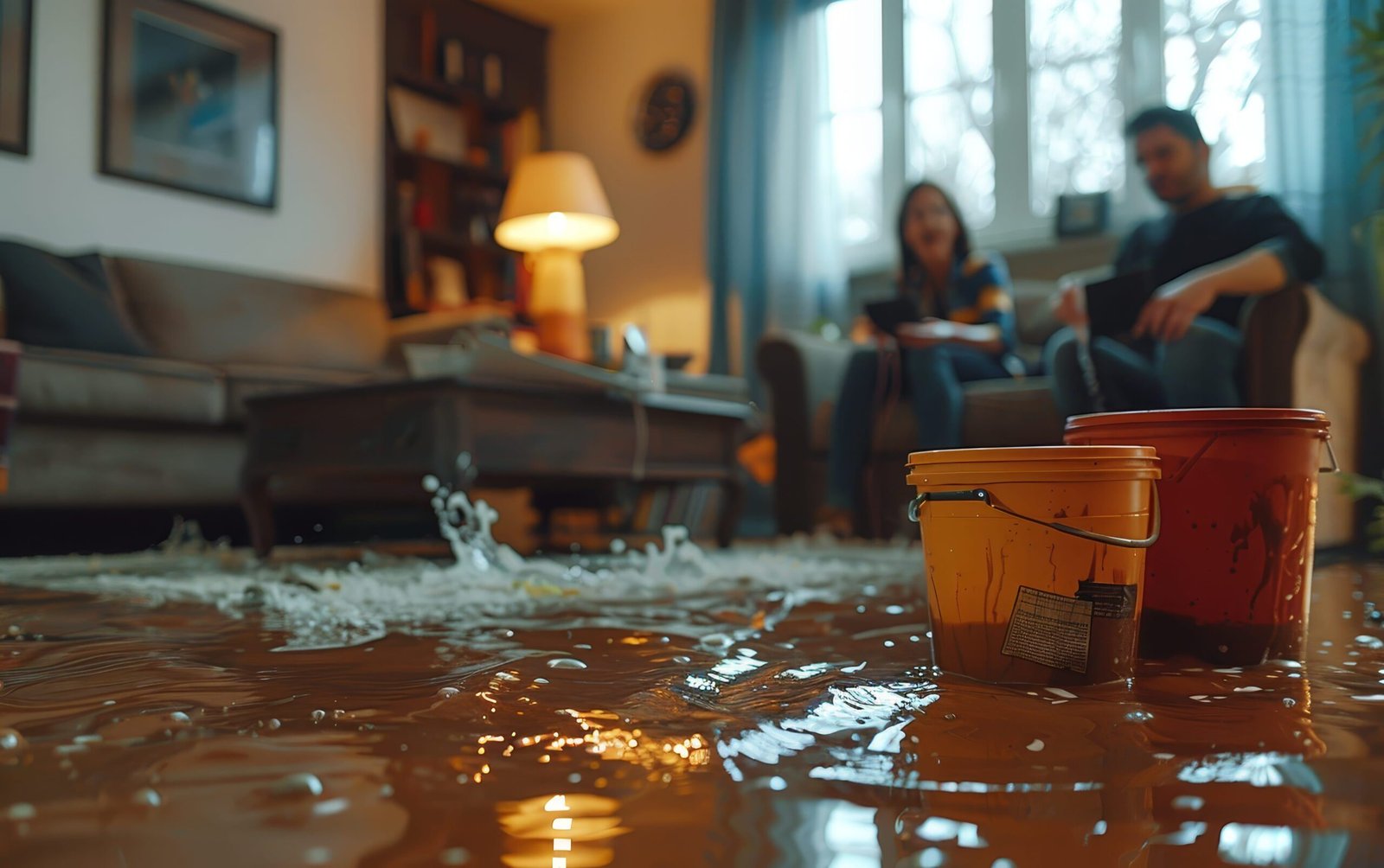
Water damage can happen without warning. A burst pipe, overflowing appliance, roof leak, frozen plumbing line, storm flooding, or sewer backup can quickly turn a normal day into a stressful emergency. In many cases, homeowners are left wondering what to do first, how serious the damage might be, and whether the situation will continue getting worse.
The truth is that the first 48 hours after water damage are the most critical. What happens during this short window often determines whether the problem remains manageable or develops into a much larger restoration project involving mold growth, structural damage, flooring replacement, and expensive repairs.
Water spreads rapidly through drywall, insulation, wood framing, carpeting, and subflooring. The longer moisture remains trapped inside building materials, the more extensive the damage becomes. According to restoration professionals, mold growth can begin within 24 to 48 hours if moisture is not properly removed. (rockymountainrestore.com)
Understanding the restoration process helps homeowners make informed decisions during emergencies. This guide explains what typically happens during the first 48 hours after water damage and why acting quickly is so important.
Why the First 48 Hours Matter
Water damage is not a static problem. Moisture continues spreading long after the original incident occurs.
Even a relatively small leak can:
- Saturate drywall and insulation
- Warp wood flooring
- Damage electrical systems
- Weaken structural framing
- Create hidden mold growth
- Produce unpleasant odors
- Destroy furniture and belongings
The first two days are especially important because building materials absorb moisture quickly. Once water penetrates beneath flooring or behind walls, drying becomes significantly more complicated.
Prompt professional restoration can often reduce:
- Repair costs
- Mold risks
- Structural deterioration
- Insurance claim complications
- Long-term indoor air quality issues
The First Few Minutes: Stop the Water Source
The first priority is always stopping the source of water, if it is safe to do so.
Depending on the situation, this may involve:
- Turning off the home’s main water supply
- Shutting down a leaking appliance
- Stopping an overflowing toilet
- Covering roof leaks temporarily
- Closing damaged plumbing valves
If flooding involves electrical hazards, homeowners should avoid standing water and contact emergency professionals immediately.
In severe situations, especially after storms or frozen pipe bursts, restoration companies may provide emergency response services to help secure the property and minimize further damage. (rockymountainrestore.com)
Hour 1–4: Initial Damage Assessment
Once the water source is controlled, the next step involves evaluating the extent of the damage.
What Restoration Professionals Look For
A professional inspection typically identifies:
- The source of water intrusion
- Affected rooms and materials
- Moisture migration patterns
- Structural concerns
- Potential contamination risks
- Hidden water inside walls or floors
Water damage categories also matter because different types of water create different health risks.
Category 1 Water
Clean water from sources such as:
- Broken supply lines
- Overflowing sinks
- Appliance leaks
Category 2 Water
Gray water containing contaminants from:
- Dishwashers
- Washing machines
- Toilet overflows without sewage
Category 3 Water
Highly contaminated water from:
- Sewage backups
- Floodwater
- Storm runoff
Contaminated water situations require additional safety precautions and sanitation procedures.
Hour 4–12: Water Extraction Begins
Once the inspection is complete, the water removal process starts immediately.
Why Fast Extraction Matters
Standing water continues soaking deeper into materials every hour. Fast extraction reduces the amount of permanent damage and shortens drying time.
Restoration crews commonly use:
- High-powered extraction vacuums
- Submersible pumps
- Truck-mounted water removal systems
- Moisture detection tools
The amount of water and the type of flooring significantly affect the extraction process.
For example:
- Hardwood flooring absorbs moisture rapidly
- Carpet padding often requires removal
- Laminate flooring frequently swells and separates
- Drywall may need partial demolition if saturated
The sooner water is removed, the higher the likelihood certain materials can be saved.
Hour 12–24: Moisture Detection and Damage Mapping
One of the biggest misconceptions about water damage is assuming that visible water represents the entire problem.
In reality, hidden moisture often spreads far beyond what homeowners can see.
Hidden Moisture Is a Major Threat
Water commonly travels into:
- Wall cavities
- Insulation
- Subflooring
- Crawl spaces
- Ceiling systems
- Cabinet bases
Professional restoration teams use specialized equipment to locate hidden moisture.
Common Detection Tools Include:
- Thermal imaging cameras
- Moisture meters
- Hygrometers
- Infrared scanning devices
These tools help identify areas requiring drying before mold growth begins.
According to restoration experts, hidden moisture is one of the leading causes of secondary water damage and indoor mold contamination. (rockymountainrestore.com)
Hour 24–48: Structural Drying Begins
After standing water is removed, the drying phase becomes the primary focus.
This stage is critical because materials can still contain dangerous moisture levels even after surfaces appear dry.
Industrial Drying Equipment
Professional drying equipment may include:
- Commercial air movers
- Industrial dehumidifiers
- HEPA air scrubbers
- Negative air machines
Airflow and humidity control work together to pull moisture from building materials.
Why Home Fans Are Usually Not Enough
Many homeowners assume household fans will solve the problem. However, standard fans rarely provide enough airflow or humidity control to dry structural materials effectively.
Improper drying can trap moisture inside:
- Drywall
- Wood framing
- Flooring systems
- Insulation
This hidden moisture often causes mold problems later.
What Happens to Different Materials During Water Damage?
Not all materials respond to moisture the same way.
Drywall
Drywall absorbs water quickly and may begin softening within hours. Saturated drywall often develops:
- Bubbling paint
- Swelling
- Warping
- Structural weakness
In some cases, portions of drywall require removal to allow wall cavities to dry properly.
Hardwood Flooring
Wood flooring expands as it absorbs moisture.
Common issues include:
- Cupping
- Buckling
- Warping
- Separation between boards
Fast drying increases the chances of salvaging hardwood floors before permanent damage occurs.
Carpet and Padding
Carpet itself may sometimes be cleaned and restored, but carpet padding often retains moisture and bacteria.
If left untreated, wet carpeting can develop:
- Odors
- Mold growth
- Delamination
- Fiber damage
Insulation
Wet insulation loses effectiveness and dries slowly.
Insulation saturated by contaminated water frequently requires replacement.
Cabinets and Furniture
Wood cabinetry and furniture absorb moisture rapidly, especially particleboard materials.
Damage may include:
- Swelling
- Delamination
- Warping
- Mold growth inside enclosed spaces
Mold Growth Can Begin Quickly
One of the most urgent concerns after water damage is mold.
Mold spores naturally exist indoors and outdoors, but they begin multiplying when moisture and organic materials are present.
Under the right conditions, mold growth can begin within 24 to 48 hours. (rockymountainrestore.com)
Common Mold Growth Areas After Water Damage
Mold frequently develops:
- Behind drywall
- Under flooring
- Inside insulation
- Around baseboards
- In crawl spaces
- Near HVAC systems
Because mold often grows in hidden areas, homeowners may not realize contamination exists until odors or health symptoms appear.
Insurance Documentation During the First 48 Hours
Proper documentation is essential during the early stages of water damage restoration.
Homeowners Should:
- Take photos and videos immediately
- Document damaged belongings
- Keep receipts for emergency expenses
- Record conversations with insurers
- Save restoration estimates
Many restoration companies also help homeowners document losses for insurance claims.
Prompt mitigation efforts may help prevent insurance disputes related to secondary damage caused by delays.
What Homeowners Should Avoid Doing
Certain mistakes during the first 48 hours can worsen damage significantly.
Avoid Waiting Too Long
Some homeowners delay calling professionals because damage initially appears minor.
Unfortunately, hidden moisture problems often become far more expensive later.
Avoid Using Electrical Appliances Near Water
Standing water creates serious electrical hazards.
Never use:
- Vacuums
- Extension cords
- Appliances
- Electrical outlets
near wet areas unless professionals confirm conditions are safe.
Avoid Entering Contaminated Floodwater
Floodwater may contain:
- Sewage
- Chemicals
- Bacteria
- Debris
Protective equipment is necessary when handling contaminated water situations.
Avoid Assuming Everything Is Dry
Surfaces can feel dry while hidden moisture remains trapped underneath.
Professional moisture testing helps verify proper drying before reconstruction begins.
The Restoration Process After the First 48 Hours
While the first 48 hours focus on mitigation and drying, full restoration may continue for days or weeks depending on the severity of damage.
Additional Restoration Steps May Include:
- Mold remediation
- Drywall replacement
- Flooring repairs
- Cabinet replacement
- Structural repairs
- Painting and finishing
- Odor removal
The goal is restoring the home to its pre-loss condition as safely and efficiently as possible.
Why Professional Water Damage Restoration Matters
Water damage restoration involves far more than simply removing visible water.
Professional restoration companies provide:
- Emergency response
- Moisture detection
- Structural drying
- Mold prevention
- Damage documentation
- Safe cleanup procedures
Specialized equipment and experience help ensure hidden moisture is addressed before secondary problems develop.
This is especially important in areas like Colorado mountain communities, where freezing temperatures, snowmelt, and vacant vacation homes can complicate water damage situations. (rockymountainrestore.com)
Preventing Future Water Damage
Although not every incident is preventable, homeowners can reduce risks significantly through proactive maintenance.
Prevention Tips Include:
- Inspect plumbing regularly
- Insulate pipes before winter
- Maintain gutters and roof systems
- Install leak detection devices
- Monitor appliance hoses
- Check basements and crawl spaces
- Schedule regular property inspections
Vacation homeowners should also consider smart home monitoring systems that alert them to leaks or freezing temperatures remotely.
Final Thoughts
The first 48 hours after water damage are critical for protecting both your home and your long-term repair costs. Water spreads quickly, hidden moisture develops fast, and mold growth can begin sooner than many homeowners realize.
Acting immediately after discovering water damage helps minimize structural deterioration, preserve building materials, and reduce health risks associated with mold and contamination.
From emergency water extraction and moisture detection to industrial drying and restoration planning, every step during the early response process plays an important role in recovery.
Whether the damage comes from a burst pipe, roof leak, storm flooding, or appliance failure, fast professional mitigation can make the difference between a manageable repair and a major restoration project.
Understanding what happens during those first 48 hours allows homeowners to respond confidently, protect their property, and restore their homes safely after unexpected water damage.