
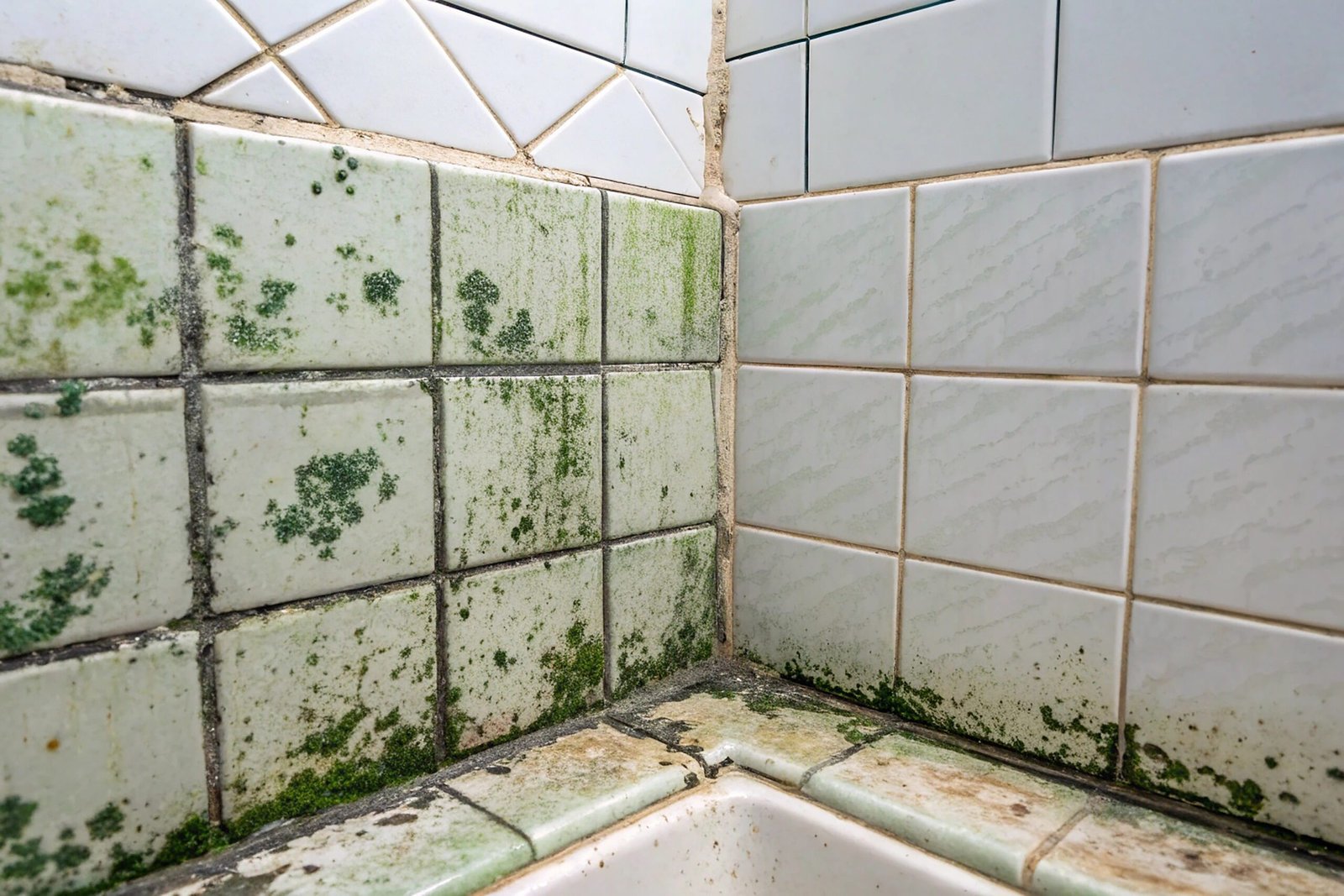
Water damage is one of the most common and costly problems homeowners face in Colorado. Whether caused by frozen pipes, roof leaks, snowmelt, appliance failures, flooding, or plumbing issues, moisture can quickly spread throughout a property and create ideal conditions for mold growth.
Many homeowners assume mold is always visible. In reality, some of the worst mold infestations develop in hidden areas long before stains or odors appear. By the time visible symptoms emerge, moisture may have already affected drywall, insulation, flooring, structural framing, and indoor air quality.
Colorado homes face unique moisture risks due to the region’s freeze-thaw cycles, heavy winter snowfall, rapid temperature changes, and seasonal storms. Mountain communities and high-altitude homes are especially vulnerable because snow accumulation, ice dams, and frozen plumbing can introduce hidden moisture into building materials. According to restoration professionals, mold can begin developing within 24 to 48 hours after water exposure if moisture is not properly removed. (rockymountainrestore.com)
Understanding where mold commonly hides after water damage can help homeowners detect problems early and prevent expensive structural repairs.
This guide explores five hidden places mold often grows after water damage in Colorado homes, warning signs homeowners should watch for, and why fast moisture removal is critical.
Why Mold Develops After Water Damage
Mold spores naturally exist both indoors and outdoors. Under normal conditions, they usually remain harmless. However, when excess moisture combines with organic materials like drywall, wood, carpeting, or insulation, mold colonies can begin growing rapidly.
Mold needs only three basic conditions to grow:
- Moisture
- Organic material
- Limited airflow
Unfortunately, water-damaged homes often provide all three.
Hidden moisture is particularly dangerous because homeowners may believe the area has dried while water remains trapped beneath surfaces or inside wall cavities.
Colorado homes are especially susceptible because seasonal weather conditions often introduce moisture through:
- Snow and ice buildup
- Roof leaks
- Frozen pipe bursts
- Basement seepage
- Ice damming
- Spring snowmelt
Even small leaks can create long-term mold problems if moisture remains undetected.
1. Behind Drywall and Inside Wall Cavities
One of the most common hidden mold locations is behind drywall.
When water enters wall systems through roof leaks, plumbing failures, or frozen pipes, moisture often becomes trapped inside enclosed wall cavities. Drywall absorbs water quickly, and insulation inside walls may remain damp for extended periods.
Because airflow inside walls is limited, these areas create ideal mold-growing environments.
How Water Gets Inside Walls
Common causes include:
- Burst pipes
- Roof leaks
- Window leaks
- Ice dam infiltration
- Plumbing failures
- Exterior siding cracks
Once moisture enters the wall cavity, homeowners may not notice the problem immediately because the drywall surface can appear relatively normal at first.
Warning Signs of Mold Behind Walls
Potential indicators include:
- Musty odors
- Bubbling paint
- Peeling wallpaper
- Discoloration
- Warped drywall
- Soft wall surfaces
In some cases, mold growth behind walls becomes extensive before any visible symptoms appear indoors.
Restoration professionals often use moisture meters and thermal imaging cameras to identify hidden moisture inside wall systems. (rockymountainrestore.com)
2. Under Flooring and Subfloors
Flooring systems frequently trap hidden moisture after water damage.
Whether caused by appliance leaks, overflowing fixtures, basement flooding, or melted snow tracked indoors, water often seeps beneath flooring materials and saturates the subfloor below.
This area becomes especially vulnerable because homeowners may dry the visible surface while moisture remains underneath.
Flooring Materials Most at Risk
Different flooring materials react differently to water exposure.
Hardwood Flooring
Wood absorbs moisture rapidly and may begin:
- Cupping
- Buckling
- Warping
- Separating
Even after the surface dries, moisture trapped beneath hardwood flooring can support mold growth below the boards.
Carpet and Padding
Carpet padding acts like a sponge and often retains water long after the carpet surface feels dry.
Wet carpeting may lead to:
- Odors
- Mold contamination
- Fiber deterioration
- Bacterial growth
Laminate Flooring
Laminate flooring is particularly vulnerable because moisture often becomes trapped beneath the planks.
Once water reaches the subfloor, hidden mold can develop underneath where homeowners cannot easily see it.
Signs of Hidden Mold Under Floors
Homeowners should watch for:
- Musty smells
- Spongy flooring
- Warping
- Dark staining
- Persistent humidity
- Loose floorboards
Professional drying equipment is often necessary to fully remove moisture from subfloor systems.
3. Inside Attics After Roof Leaks or Ice Dams
Attics are another major location for hidden mold growth in Colorado homes.
Heavy snow accumulation and freeze-thaw cycles frequently contribute to roof leaks and ice dam formation during winter months.
How Ice Dams Cause Hidden Moisture
Ice dams form when melting snow refreezes near roof edges, preventing proper drainage. Water backs up beneath shingles and enters attic spaces. (rockymountainrestore.com)
Once moisture enters the attic, it may soak:
- Insulation
- Roof decking
- Wood framing
- Ventilation systems
Because attics are rarely inspected regularly, mold often spreads unnoticed for long periods.
Poor Ventilation Increases Mold Risks
Colorado winters often encourage homeowners to seal homes tightly for energy efficiency. Unfortunately, poor attic ventilation traps humidity and slows drying.
Warm indoor air rising into attic spaces may also create condensation on cold surfaces during winter.
Combined with roof leaks, this moisture creates ideal conditions for mold growth.
Signs of Mold in the Attic
Potential warning signs include:
- Musty odors
- Dark stains on roof decking
- Damp insulation
- Frost buildup
- Visible discoloration on wood framing
Homeowners often discover attic mold only after roofing contractors or restoration professionals perform inspections.
4. Crawl Spaces and Basements
Crawl spaces and basements are among the most overlooked areas in many homes, yet they are highly vulnerable to hidden moisture problems.
Colorado homes commonly experience moisture intrusion from:
- Snowmelt
- Groundwater seepage
- Foundation cracks
- Plumbing leaks
- Improper drainage
Because these spaces often have limited airflow and reduced sunlight, they create ideal environments for mold growth.
Why Crawl Spaces Are Especially Vulnerable
Moisture problems in crawl spaces frequently go undetected because homeowners rarely enter these areas.
Water may accumulate from:
- Pipe leaks
- Condensation
- Poor grading
- Sump pump failures
Wet insulation and wooden support beams inside crawl spaces become prime mold growth surfaces.
Basement Moisture Problems
Basements may develop hidden mold after:
- Flooding
- Wall seepage
- Foundation cracks
- Appliance leaks
- Snowmelt runoff
Even small amounts of repeated moisture can lead to persistent mold issues over time.
Warning Signs in Basements and Crawl Spaces
Watch for:
- Earthy or musty odors
- Condensation
- Visible water stains
- White mineral deposits
- Peeling paint
- Increased humidity
Persistent basement odors often indicate hidden mold growth even when no visible mold is immediately obvious.
5. Inside HVAC Systems and Air Ducts
Many homeowners do not realize water damage can also affect heating and cooling systems.
HVAC systems can spread mold spores throughout an entire home once contamination develops inside ducts or equipment.
How Moisture Reaches HVAC Systems
Moisture may enter HVAC systems through:
- Flooding
- Roof leaks
- Condensation buildup
- High indoor humidity
- Water-damaged insulation
Condensation around evaporator coils is another common source of hidden moisture.
Why Mold in HVAC Systems Is Dangerous
When mold develops inside ductwork, spores may circulate throughout the home whenever the system operates.
This can contribute to:
- Persistent odors
- Allergy symptoms
- Respiratory irritation
- Reduced indoor air quality
Because duct systems are hidden behind walls and ceilings, homeowners may not realize mold exists until symptoms become widespread.
Signs of HVAC Mold Problems
Potential indicators include:
- Musty smells from vents
- Increased allergy symptoms indoors
- Dust buildup around vents
- Visible mold near registers
- Excess indoor humidity
Professional inspection and cleaning may be necessary if HVAC contamination is suspected.
Why Colorado Homes Face Higher Mold Risks
Colorado’s climate creates unique conditions that contribute to hidden water damage and mold growth.
Freeze-Thaw Cycles
Rapid temperature swings cause snow and ice to melt and refreeze repeatedly. This process contributes to:
- Roof leaks
- Ice dams
- Pipe bursts
- Foundation cracking
Water intrusion from freeze-thaw damage often remains hidden initially.
Vacation Homes and Seasonal Properties
Many Colorado mountain homes remain vacant for long periods during winter.
If water damage occurs while the property is unoccupied, leaks may continue for days or weeks before discovery. (rockymountainrestore.com)
This greatly increases mold risks and structural damage severity.
Snow Accumulation and Spring Snowmelt
Heavy snowfall and seasonal melting create additional moisture around:
- Roof systems
- Foundations
- Basements
- Crawl spaces
Improper drainage or inadequate ventilation can allow moisture problems to persist long after snow has melted.
Health Risks Associated With Mold Exposure
Not everyone reacts to mold exposure the same way, but indoor mold can contribute to health concerns for sensitive individuals.
Potential symptoms may include:
- Sneezing
- Coughing
- Nasal congestion
- Eye irritation
- Skin irritation
- Headaches
- Respiratory discomfort
People with asthma, allergies, or weakened immune systems may be especially sensitive to indoor mold contamination.
How Professionals Detect Hidden Mold
Professional restoration companies use specialized equipment to identify hidden moisture and mold growth.
Common tools include:
- Thermal imaging cameras
- Moisture meters
- Hygrometers
- Air quality testing equipment
These technologies help locate moisture behind walls, under flooring, and inside structural systems where mold may be developing.
Professional drying and remediation are often necessary because visible cleanup alone may not remove hidden contamination.
How Homeowners Can Prevent Hidden Mold Growth
Preventing mold starts with controlling moisture.
Key Prevention Steps Include:
Address Water Damage Immediately
Fast response dramatically reduces mold risks.
Inspect Roofs and Gutters Regularly
Prevent roof leaks and ice dam formation by maintaining drainage systems.
Improve Ventilation
Proper airflow helps reduce humidity in:
- Attics
- Bathrooms
- Crawl spaces
- Basements
Monitor Indoor Humidity
Indoor humidity levels should generally remain below 50 percent.
Install Leak Detection Devices
Smart leak sensors can identify plumbing leaks early before major damage develops.
Schedule Routine Inspections
Professional inspections help identify hidden moisture problems before mold spreads extensively.
Final Thoughts
Mold growth after water damage is often far more extensive than homeowners initially realize. In Colorado homes, hidden moisture frequently develops behind walls, beneath flooring, inside attics, crawl spaces, basements, and HVAC systems long before visible signs appear.
The combination of snow, freeze-thaw cycles, roof leaks, frozen pipes, and seasonal moisture creates ongoing risks for homeowners throughout the state — especially in mountain communities and vacation properties.
Because mold can begin growing within 24 to 48 hours after water exposure, fast action is essential whenever water damage occurs. Prompt moisture detection, professional drying, and early restoration efforts can prevent minor leaks from becoming major structural and indoor air quality problems.
By understanding where mold commonly hides and recognizing early warning signs, Colorado homeowners can better protect their homes, health, and long-term property value from the lasting effects of hidden water damage.