
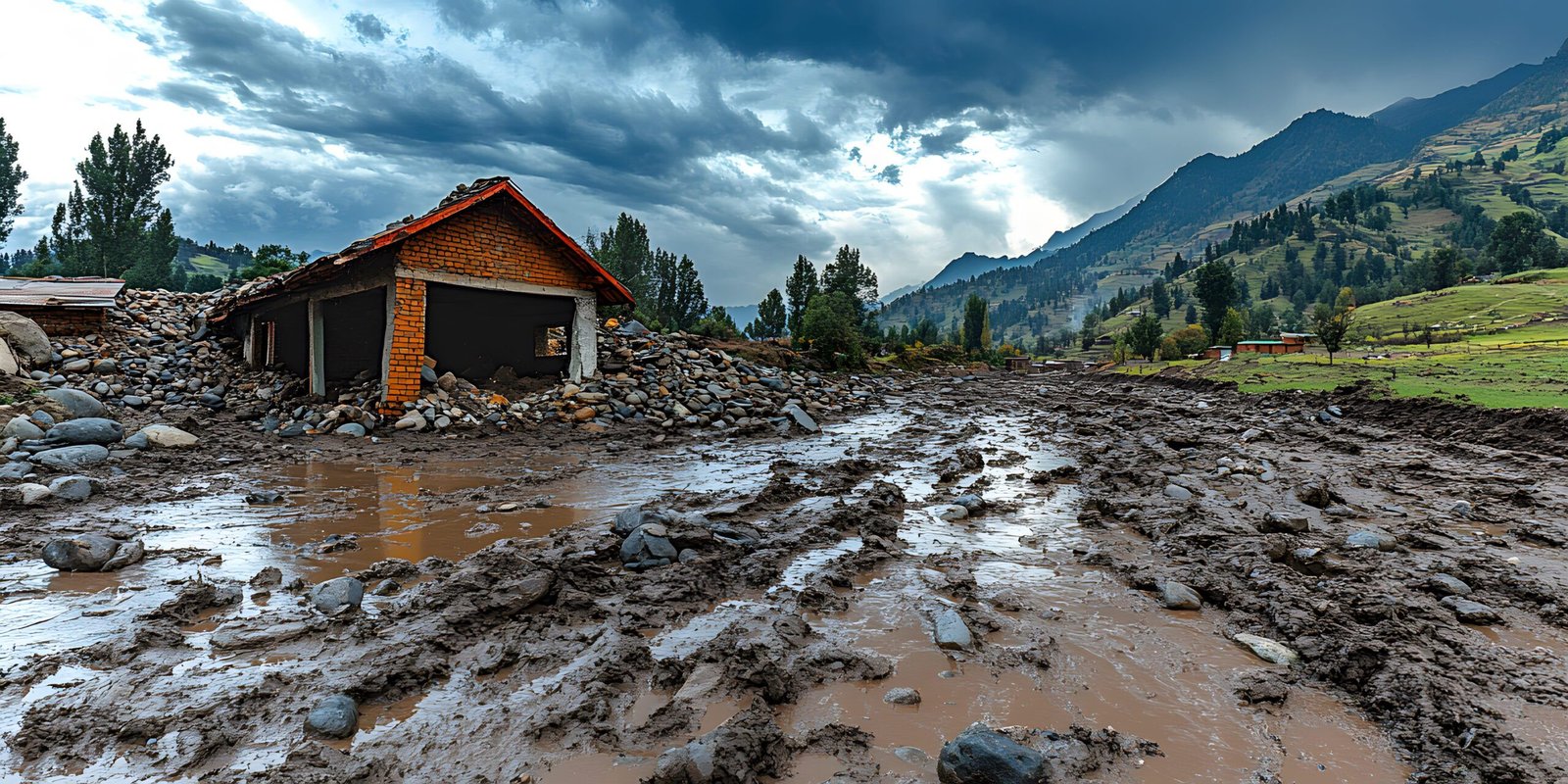
Owning a mountain home in Colorado comes with incredible views, fresh alpine air, and year-round recreation. From Breckenridge and Vail to Silverthorne and Dillon, mountain living offers a unique lifestyle that attracts both full-time residents and vacation homeowners. However, the same climate that makes the Rockies beautiful can also create serious risks for residential properties.
One of the most damaging yet overlooked threats to Colorado mountain homes is the freeze-thaw cycle. These constant temperature swings silently impact roofs, foundations, plumbing systems, crawl spaces, and building materials throughout the year. Many homeowners do not realize damage is occurring until stains appear on ceilings, flooring begins warping, or mold starts growing behind walls.
In mountain communities where winter temperatures can shift dramatically within a single day, freeze-thaw conditions create ideal circumstances for hidden water intrusion. According to restoration experts, even small leaks can rapidly escalate into structural damage if moisture remains trapped inside walls, insulation, or flooring.
This guide explains how Colorado’s freeze-thaw cycles damage mountain homes, where hidden water problems commonly develop, warning signs homeowners should never ignore, and what steps can help prevent costly repairs.
What Is the Freeze-Thaw Cycle?
The freeze-thaw cycle occurs when moisture freezes during cold temperatures and then melts when temperatures rise above freezing. This process repeats continuously throughout Colorado’s fall, winter, and spring seasons.
In mountain regions, daytime sunshine may warm surfaces enough to melt snow and ice, while nighttime temperatures plunge well below freezing. Water enters tiny cracks or porous materials, freezes overnight, expands, and widens those openings. When temperatures rise again, more water enters the newly enlarged spaces, repeating the cycle.
Water expands by roughly nine percent when it freezes, generating enough force to crack concrete, split pipes, damage roofing materials, and weaken structural components over time.
The danger is not usually a single freeze event. Instead, the repeated expansion and contraction gradually deteriorates building materials until hidden leaks and moisture intrusion begin affecting the home’s interior.
Why Colorado Mountain Homes Face Greater Risk
Colorado mountain properties experience harsher environmental conditions than homes located at lower elevations. High altitude weather patterns create rapid temperature fluctuations, heavy snow accumulation, intense UV exposure, and prolonged freezing periods.
Restoration specialists serving Summit County note that mountain homes are particularly vulnerable because many properties remain vacant for extended periods during the year. Vacation homes may sit empty for weeks or months without anyone noticing small leaks or frozen plumbing problems.
Several factors increase freeze-thaw water damage risks in mountain homes:
- Heavy snow accumulation
- Frequent temperature swings
- High-elevation UV exposure
- Extended vacancy periods
- Complex plumbing systems
- Limited ventilation in winter
- Ice dam formation
- Remote property locations
Mountain homes also commonly include features such as radiant heating systems, hot tubs, multiple water heaters, and large rooflines that introduce additional moisture risks.
When homeowners are away during storms or freezing conditions, water damage can continue undetected for days or even weeks.
How Freeze-Thaw Cycles Damage Roofs
Roof systems are among the first areas affected by freeze-thaw activity in Colorado mountain homes.
Ice Dams and Roof Leaks
Ice dams form when heat escaping from the home melts snow on upper roof sections. Meltwater flows downward until it reaches colder roof edges, where it refreezes and creates a barrier of ice. Additional melting snow becomes trapped behind the ice dam and can back up underneath shingles.
Once water penetrates beneath roofing materials, it may leak into:
- Attics
- Ceiling cavities
- Insulation
- Drywall
- Interior wall systems
The leak often remains hidden until discoloration or sagging appears indoors.
Roofing Material Deterioration
Freeze-thaw cycling also weakens roofing components over time. Asphalt shingles, flashing, sealants, and vent boots all expand and contract repeatedly during temperature fluctuations. Eventually, cracks form that allow moisture intrusion.
Small vulnerabilities can quickly become major leaks during snowstorms or spring snowmelt.
Hidden Attic Moisture
Attics are especially vulnerable because water intrusion may remain unnoticed for months. Damp insulation loses effectiveness while trapped moisture creates ideal conditions for mold growth and wood rot.
Homeowners may not realize the extent of the problem until:
- Musty odors appear
- Ceiling stains develop
- Wood framing softens
- Mold spreads through insulation
Frozen Pipes and Plumbing Failures
Frozen plumbing remains one of the most common causes of severe water damage in Colorado mountain homes.
Pipes located in crawl spaces, garages, exterior walls, basements, or unheated utility rooms are especially vulnerable during cold snaps.
When water freezes inside pipes, pressure builds rapidly. Even durable materials like copper, PVC, and PEX piping can rupture under the stress. Once temperatures rise and ice thaws, water escapes into surrounding building materials.
Why Hidden Pipe Damage Is So Dangerous
Burst pipes inside walls often remain undetected initially. Water may slowly soak insulation, drywall, subfloors, and framing before visible symptoms emerge.
By the time homeowners notice signs like bubbling paint or warped flooring, substantial moisture damage may already exist.
Common hidden plumbing damage areas include:
- Behind bathroom walls
- Under kitchen cabinets
- Beneath flooring systems
- Inside crawl spaces
- Around radiant heating lines
- Near water heaters
According to restoration professionals, mold growth can begin within 24 to 48 hours after moisture exposure if drying does not occur quickly.
Foundation and Basement Water Intrusion
Freeze-thaw conditions also create significant foundation problems in mountain environments.
Concrete Cracking
Concrete naturally contains small pores and microscopic cracks. As water penetrates these openings and freezes, expansion gradually widens the damage. Over time, this process weakens foundations, retaining walls, patios, and basement walls.
Homeowners may eventually notice:
- Foundation cracks
- Uneven flooring
- Basement leaks
- Doors sticking
- Drywall cracking
Colorado homeowners discussing drainage and foundation problems frequently mention water intrusion and shifting soil conditions contributing to structural movement.
Snowmelt and Groundwater Pressure
Spring snowmelt creates another major concern for mountain properties. As snow accumulations melt, groundwater levels rise around foundations.
If drainage systems become overwhelmed or sump pumps fail, water can infiltrate basements and crawl spaces.
Hidden moisture beneath homes often goes unnoticed because crawl spaces and unfinished basements are rarely inspected regularly.
How Moisture Leads to Mold Growth
Hidden water damage rarely stays limited to structural materials alone. Excess moisture creates the perfect environment for mold development.
Mold spores naturally exist in indoor air, but they require moisture to grow. Once water becomes trapped behind walls or beneath flooring, colonies can begin spreading rapidly.
Mountain homes may face increased mold risks because many properties remain tightly sealed during winter months, reducing airflow and slowing drying.
Common Areas for Hidden Mold Growth
Mold frequently develops in areas homeowners cannot easily see, including:
- Behind drywall
- Under carpets
- Inside insulation
- Beneath wood flooring
- Around attic framing
- Inside HVAC systems
Signs of hidden mold may include:
- Persistent musty odors
- Allergy symptoms indoors
- Discoloration on walls
- Peeling paint
- Excess humidity
Professional moisture inspections often reveal hidden damage long before visible mold appears.
Vacation Homes Face Even Greater Risk
Second homes and vacation properties throughout Colorado’s mountain communities face unique challenges during freeze-thaw seasons.
Because these homes may sit vacant for long periods, minor leaks often continue unchecked. A pipe burst that would normally be addressed within hours in a primary residence could remain active for weeks in an unoccupied property.
The result can include:
- Extensive structural drying needs
- Mold contamination
- Damaged furniture and belongings
- Flooring replacement
- Ceiling collapse
- Electrical hazards
Many vacation homeowners only discover issues after arriving at the property for seasonal visits.
Warning Signs of Hidden Water Damage
Freeze-thaw damage is often subtle initially. Recognizing early warning signs can help homeowners prevent more expensive repairs later.
Interior Warning Signs
Watch for:
- Water stains on ceilings or walls
- Bubbling paint or wallpaper
- Warped wood flooring
- Soft drywall
- Musty odors
- Increased indoor humidity
- Mold spots around vents or windows
Exterior Warning Signs
Inspect for:
- Ice dams on roof edges
- Missing shingles
- Cracked flashing
- Foundation cracks
- Pooling water near the home
- Icicles forming unusually along rooflines
Homeowners should also pay attention to unexplained increases in water bills, which may indicate hidden plumbing leaks.
How to Prevent Freeze-Thaw Water Damage
While freeze-thaw conditions cannot be eliminated, proactive maintenance significantly reduces the likelihood of serious water damage.
Improve Insulation
Proper insulation helps maintain stable interior temperatures and reduces pipe freezing risks.
Focus on:
- Crawl spaces
- Attics
- Exterior walls
- Utility rooms
- Pipe insulation
Maintain Consistent Indoor Heat
Even when homes are vacant, indoor temperatures should remain above freezing.
Smart thermostats with remote monitoring capabilities allow homeowners to track conditions from anywhere.
Install Leak Detection Systems
Modern leak detection devices can identify moisture problems early and automatically shut off water supplies if leaks occur.
Recommended systems include:
- Water leak sensors
- Automatic shutoff valves
- Freeze alarms
- Humidity monitors
Clean Gutters and Roof Drainage Systems
Blocked gutters contribute to ice dam formation and roof leaks.
Regular maintenance helps ensure melting snow drains properly away from the structure.
Schedule Routine Property Inspections
Mountain homeowners should arrange regular inspections, especially for vacation properties.
Professional inspections can identify:
- Roofing vulnerabilities
- Plumbing weaknesses
- Moisture buildup
- Drainage problems
- Early mold growth
Why Fast Restoration Matters
When water damage occurs, rapid response is essential.
Restoration specialists emphasize that water damage continues spreading until moisture is removed and structural drying begins. Delayed action increases the likelihood of mold growth, wood rot, and secondary structural damage.
Professional restoration teams use specialized equipment such as:
- Moisture meters
- Thermal imaging cameras
- Industrial dehumidifiers
- Air movers
- Water extraction systems
These tools help detect hidden moisture behind walls and beneath flooring where water may otherwise remain trapped.
Mountain weather and access challenges can complicate emergency response during winter storms, making local restoration expertise especially valuable in high-altitude communities.
Final Thoughts
Colorado’s freeze-thaw cycles create a hidden but serious threat to mountain homes. What begins as a small crack, minor roof leak, or frozen pipe can quietly evolve into extensive water damage affecting structural systems, insulation, flooring, and indoor air quality.
Mountain environments place homes under constant stress from snow accumulation, rapid temperature swings, and seasonal moisture changes. Vacation homes face even greater risks because leaks may go unnoticed for extended periods.
The good news is that proactive maintenance, regular inspections, proper insulation, and smart monitoring technology can dramatically reduce the likelihood of severe damage. Early detection remains the most effective defense against hidden water intrusion and mold growth.
For homeowners in Colorado’s mountain communities, understanding how freeze-thaw cycles affect residential structures is essential for protecting both property value and long-term safety. By staying vigilant and addressing moisture issues quickly, homeowners can avoid costly restoration projects and preserve their mountain homes for years to come.