
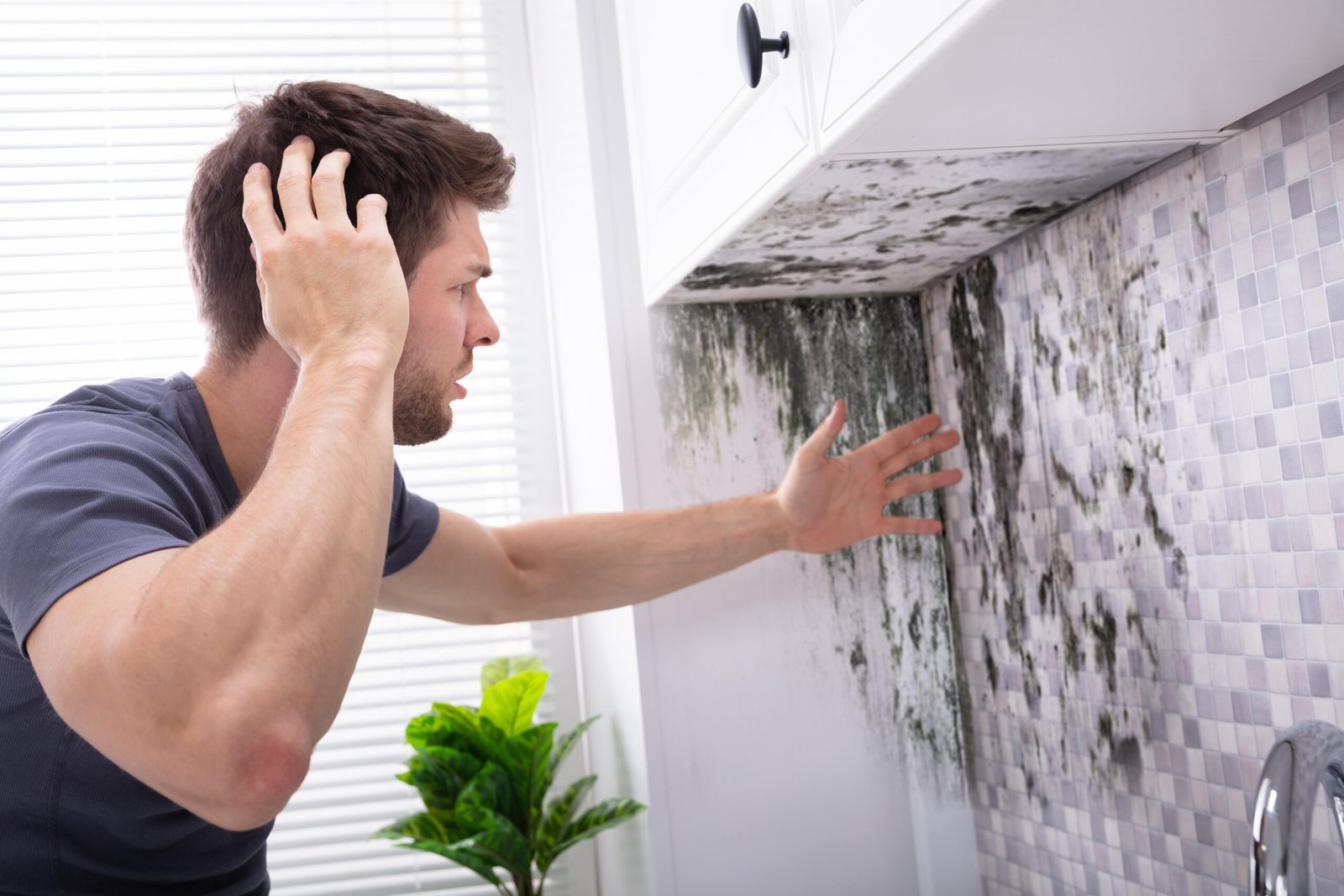
Water damage can happen when you least expect it. A burst pipe, roof leak, overflowing appliance, flooded basement, or storm intrusion can quickly turn a safe and comfortable home into a stressful situation. While most homeowners focus on visible water damage first, the real danger often begins silently behind walls, beneath flooring, and inside insulation: mold growth.
Many people assume mold takes weeks to appear, but the truth is much more alarming. Under the right conditions, mold can begin developing within just 24 to 48 hours after water exposure.
That short timeline is why immediate action after water damage is so important. Fast water removal, proper drying, and moisture control can mean the difference between a manageable cleanup and a major mold remediation project.
In this guide, you’ll learn how quickly mold grows after water damage, what causes it to spread, warning signs to watch for, health risks associated with mold exposure, and the exact steps homeowners should take immediately after discovering water damage.
Why Mold Grows So Quickly After Water Damage
Mold spores are naturally present almost everywhere. They exist in indoor air, outdoor air, furniture, carpeting, wood, drywall, and dust particles. Most of the time, these spores remain inactive because they lack the moisture needed to grow.
When water damage occurs, mold suddenly gets the perfect environment to thrive.
Mold needs only a few basic things to begin spreading:
- Moisture
- Warm temperatures
- Organic material to feed on
- Limited airflow
- Time
Homes provide all of these conditions after a leak or flood. Building materials like drywall, wood framing, carpet backing, insulation, and ceiling tiles become ideal food sources for mold colonies once they become damp.
Even worse, moisture often becomes trapped in hidden spaces where homeowners cannot easily see it. That hidden moisture allows mold to grow silently long before visible stains or odors appear.
How Fast Can Mold Grow After Water Damage?
Most restoration professionals agree that mold can begin developing within 24 to 48 hours after water exposure.
The timeline depends on several factors, including:
- Humidity levels
- Indoor temperature
- Type of materials affected
- Amount of water involved
- Air circulation
- How quickly drying begins
Warm and humid environments accelerate mold growth significantly. Basements, crawl spaces, bathrooms, attics, and poorly ventilated rooms are especially vulnerable.
Here’s a closer look at the typical mold growth timeline after water damage.
Mold Growth Timeline After Water Exposure
First 0–24 Hours: Moisture Absorption Begins
Immediately after water damage occurs, porous materials begin soaking up moisture.
During this phase:
- Drywall absorbs water rapidly
- Wood swells and softens
- Carpet padding traps moisture
- Humidity levels rise
- Mold spores begin activating
At this stage, there may be no visible mold yet, but conditions are already becoming dangerous.
This is the most critical period for prevention. Quick drying during the first 24 hours can often stop mold before it starts.
24–48 Hours: Mold Colonization Starts
Once moisture remains for more than a day, mold spores can begin germinating.
During this phase:
- Microscopic mold colonies form
- Musty odors may appear
- Moisture spreads deeper into materials
- Air quality begins declining
Even though mold may still be invisible, growth can already be occurring behind walls, under flooring, and inside insulation.
This is why restoration experts emphasize immediate drying rather than waiting for visible signs.
48–72 Hours: Visible Mold May Appear
After two to three days of untreated moisture:
- Visible spots or staining may develop
- Mold colonies begin expanding rapidly
- Airborne spores increase
- Odors become stronger
- Structural materials weaken
At this point, simple drying may no longer solve the issue. Professional mold remediation may become necessary.
3–7 Days: Mold Spreads Aggressively
Once mold becomes established, it spreads quickly.
Homeowners may notice:
- Black, green, or white patches
- Peeling paint or bubbling drywall
- Warped flooring
- Increased allergy symptoms
- Strong musty smells
Mold can also spread through HVAC systems, contaminating other areas of the home.
Beyond One Week: Serious Structural and Health Risks
If moisture remains untreated for a week or longer:
- Mold penetrates deep into building materials
- Wood rot may develop
- Drywall deteriorates
- Insulation becomes contaminated
- Air quality worsens significantly
Large-scale remediation and reconstruction may become necessary.
Common Areas Where Mold Hides After Water Damage
Mold does not always grow where homeowners can easily see it. In many cases, the worst contamination happens in hidden areas.
Some of the most common hidden mold locations include:
Behind Drywall
Drywall absorbs moisture quickly, especially after plumbing leaks or flooding. Mold often develops on the backside of drywall panels where airflow is limited.
Under Carpet and Padding
Even when carpet surfaces feel dry, moisture can remain trapped underneath for days.
Inside Insulation
Wet insulation holds moisture for long periods and often requires removal.
Under Hardwood Flooring
Wood flooring traps moisture beneath planks, leading to warping and hidden mold growth.
Behind Cabinets and Appliances
Leaks behind dishwashers, refrigerators, washing machines, and sinks frequently go unnoticed.
Attics and Crawl Spaces
Poor ventilation and humidity make these areas especially vulnerable after roof leaks or flooding.
HVAC Systems and Air Ducts
Moisture inside ducts can spread mold spores throughout the entire home.
Signs Mold May Already Be Growing
Because mold often develops out of sight, homeowners should know the early warning signs.
Musty Odors
A persistent earthy or damp smell is one of the earliest indicators of hidden mold.
Discoloration or Stains
Dark spots, yellow stains, or fuzzy patches on walls and ceilings may signal mold activity.
Bubbling Paint or Wallpaper
Moisture trapped inside walls can cause finishes to peel or bubble.
Warped Materials
Buckling floors, swollen baseboards, or warped drywall often indicate lingering moisture.
Increased Allergy Symptoms
Mold exposure can trigger:
- Sneezing
- Coughing
- Headaches
- Eye irritation
- Skin irritation
- Asthma flare-ups
Persistent Humidity
Rooms that remain damp or humid long after water damage may still contain hidden moisture.
Why Mold Exposure Is Dangerous
Mold is not just a cosmetic issue. Prolonged exposure can affect both your health and your home.
Health Risks
Some people are especially sensitive to mold exposure, including:
- Children
- Elderly individuals
- People with asthma
- Those with weakened immune systems
Possible symptoms include:
- Respiratory irritation
- Sinus congestion
- Wheezing
- Chronic coughing
- Skin rashes
- Fatigue
- Headaches
Long-term exposure may worsen respiratory conditions and indoor air quality.
Structural Damage Caused by Mold
Mold feeds on organic materials found in homes.
Over time, untreated mold can damage:
- Drywall
- Wooden framing
- Subflooring
- Ceiling materials
- Insulation
- Furniture
- Carpeting
This can compromise the structural integrity of your home and dramatically increase repair costs.
What Homeowners Should Do Immediately After Water Damage
Fast action is the key to preventing mold growth.
Here are the most important steps homeowners should take immediately after discovering water damage.
Step 1: Stop the Water Source
Before cleanup begins, stop the water intrusion if possible.
This may involve:
- Turning off the main water supply
- Repairing a leaking pipe
- Tarping a damaged roof
- Shutting off appliances
- Clearing clogged drains
If flooding comes from storms or sewage backups, contact professionals immediately.
Step 2: Remove Standing Water Quickly
The faster water is removed, the lower the mold risk.
Use:
- Wet vacuums
- Pumps
- Towels and mops
- Professional extraction equipment
Large flooding situations often require industrial-grade extraction tools.
Step 3: Dry the Area Immediately
Drying should begin within the first 24 hours whenever possible.
Important drying methods include:
- Running fans continuously
- Using dehumidifiers
- Opening windows when weather permits
- Increasing airflow
- Removing wet rugs and furniture
Professional restoration companies use commercial air movers and moisture meters to ensure complete drying.
Step 4: Remove Wet Materials
Some materials cannot be fully dried once saturated.
Items that may require removal include:
- Carpet padding
- Wet drywall
- Insulation
- Ceiling tiles
- Damaged furniture
Porous materials retain moisture and become ideal breeding grounds for mold.
Step 5: Disinfect and Sanitize
After drying, surfaces should be cleaned and disinfected to reduce microbial growth.
This may include:
- Antimicrobial treatments
- HEPA vacuuming
- Surface sanitization
Proper cleaning also helps eliminate lingering odors.
Step 6: Monitor Humidity Levels
Indoor humidity should remain below 50% to reduce mold risk.
A hygrometer can help monitor moisture levels inside the home.
Step 7: Inspect Hidden Areas
Visible dryness does not always mean the structure is truly dry.
Moisture often hides:
- Behind drywall
- Under flooring
- Inside insulation
- Around framing
Professional moisture inspections can detect hidden water before mold spreads further.
When to Call a Professional Water Damage Restoration Company
Small spills can often be handled independently, but many water damage situations require professional help.
You should contact a restoration professional if:
- Water affected drywall or insulation
- Flooding involved sewage contamination
- The affected area is large
- Moisture remained for over 24 hours
- Mold is already visible
- Strong odors persist
- Structural damage occurred
Professional restoration teams use:
- Industrial drying equipment
- Moisture meters
- Thermal imaging
- Air scrubbers
- HEPA filtration systems
These tools help identify hidden moisture and prevent future mold growth.
DIY Drying vs Professional Restoration
Many homeowners underestimate how difficult complete drying can be.
Surface drying alone is often not enough. Materials may feel dry while hidden moisture remains trapped inside walls or beneath flooring. Reddit homeowners and restoration professionals frequently emphasize that hidden moisture is one of the biggest causes of surprise mold outbreaks after water damage.
Professional restoration companies can verify moisture levels throughout the structure and ensure all affected areas are properly dried.
How to Prevent Mold After Future Water Damage
While not every flood or leak can be prevented, homeowners can reduce mold risk significantly.
Maintain Plumbing Systems
Inspect pipes, supply lines, and water heaters regularly.
Check Roofing and Gutters
Roof leaks are a major source of hidden moisture intrusion.
Improve Ventilation
Use exhaust fans in bathrooms, kitchens, and laundry rooms.
Use Dehumidifiers
Basements and humid climates often benefit from year-round humidity control.
Inspect Appliances
Dishwashers, refrigerators, and washing machines should be checked regularly for leaks.
Respond to Water Immediately
Never ignore damp carpets, ceiling stains, or small leaks.
Why Waiting Makes Mold Problems Worse
One of the biggest mistakes homeowners make is delaying cleanup.
People often assume:
- “It will dry on its own.”
- “It’s just a small leak.”
- “I don’t see mold yet.”
Unfortunately, mold often develops before visible signs appear.
Delaying action can lead to:
- Higher restoration costs
- Larger mold colonies
- Structural repairs
- Health concerns
- Insurance complications
Fast response almost always reduces both damage and expense.
The Importance of Moisture Detection Technology
Modern restoration companies use specialized tools to locate hidden moisture.
These tools include:
- Thermal imaging cameras
- Moisture meters
- Infrared scanning
- Hygrometers
These technologies help identify damp areas invisible to the naked eye.
Without proper moisture detection, homeowners may unknowingly leave wet materials behind.
Understanding the Difference Between Mold Removal and Mold Remediation
Many homeowners use these terms interchangeably, but they are slightly different.
Mold Removal
Refers to physically cleaning visible mold from surfaces.
Mold Remediation
Involves identifying moisture sources, containing contamination, improving air quality, removing damaged materials, and preventing future growth.
True remediation addresses the root cause of mold rather than simply cleaning surface stains.
Final Thoughts
Mold growth after water damage happens much faster than most homeowners realize. In many cases, mold can begin developing within 24 to 48 hours once moisture enters building materials.
That narrow window makes immediate action absolutely critical.
The faster you:
- Stop the water source
- Remove standing water
- Dry affected areas
- Control humidity
- Inspect for hidden moisture
…the better your chances of preventing serious mold contamination.
Water damage should never be ignored, even if it appears minor. Small leaks can quickly turn into large restoration problems when hidden moisture remains untreated.
By acting quickly and contacting experienced restoration professionals when needed, homeowners can protect their health, preserve their property, and avoid costly long-term damage.