
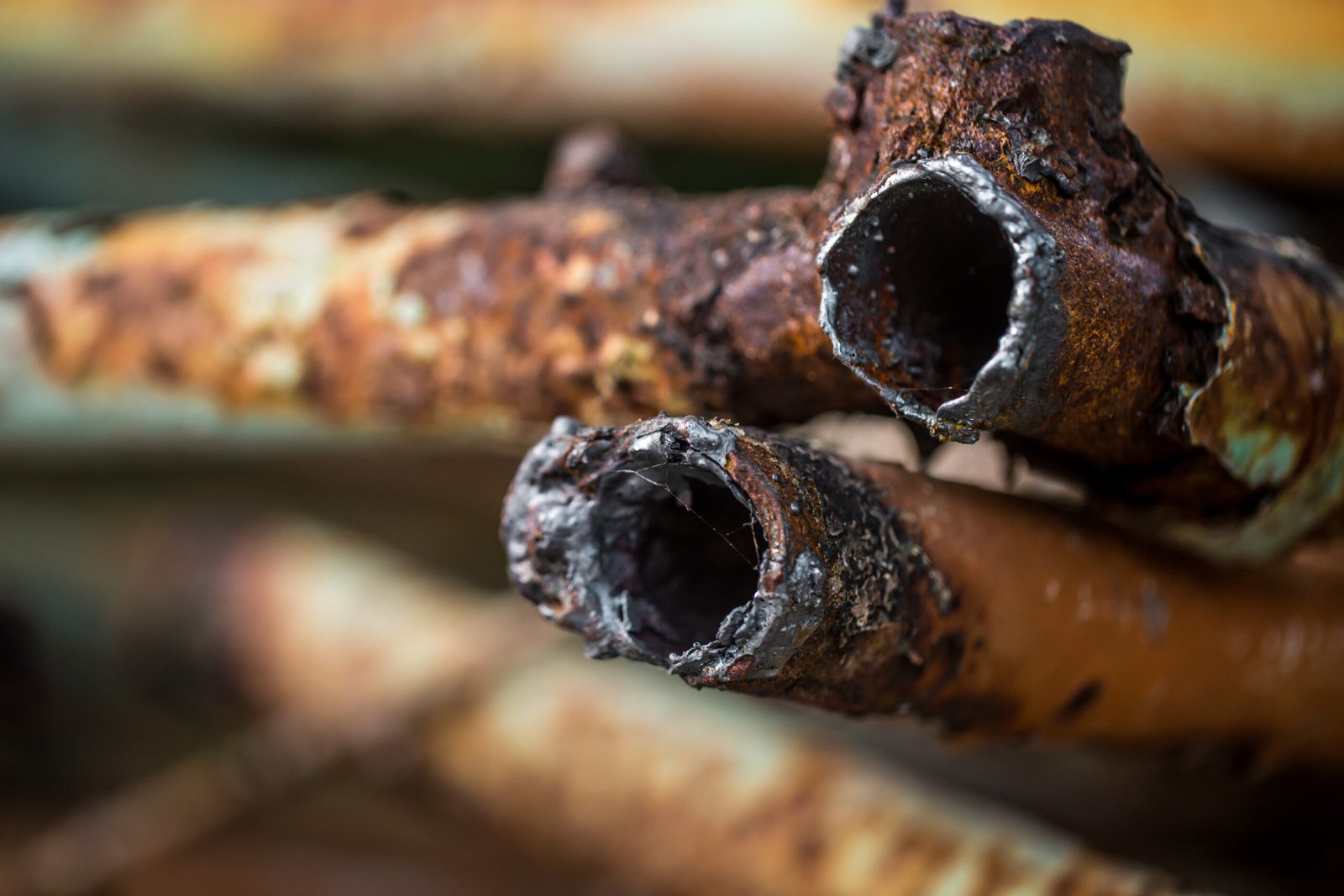
A burst pipe can turn a normal day into a stressful emergency within minutes. Water rushing through ceilings, walls, floors, and personal belongings can cause immediate destruction, but the visible flooding is only part of the problem. Many homeowners focus on stopping the leak and removing standing water, assuming the situation is under control once surfaces appear dry. Unfortunately, hidden moisture can continue damaging the property long after the pipe has been repaired.
Delaying water damage cleanup after a burst pipe is one of the costliest mistakes homeowners can make. What starts as a small water issue can quickly escalate into mold growth, structural deterioration, electrical hazards, ruined insulation, damaged flooring, and even health problems for occupants.
In colder regions where freezing temperatures increase the risk of pipe bursts, homeowners must act quickly to minimize long-term damage. Professional water mitigation and restoration services play a critical role in identifying hidden moisture, thoroughly drying affected materials, and restoring the home safely.
This guide explains the hidden dangers of delaying water damage cleanup after a burst pipe, why fast action matters, and what homeowners should do immediately after discovering water damage.
Why Burst Pipes Cause Severe Water Damage
Pipes can burst for several reasons, including:
- Freezing temperatures
- Aging plumbing systems
- Corrosion
- Excess water pressure
- Clogged pipes
- Poor insulation
- Shifting foundations
- Cracks or weakened pipe joints
When a pipe bursts, water can spread rapidly through multiple areas of the home. Depending on the pipe size and water pressure, hundreds of gallons of water may be released in a short period.
Unlike obvious flooding, burst pipe damage often affects hidden spaces such as:
- Behind drywall
- Under flooring
- Inside ceilings
- Beneath cabinets
- Around insulation
- Inside crawl spaces
- Behind baseboards
Even if visible water is removed quickly, trapped moisture can continue causing damage for days or weeks if proper drying and restoration are delayed.
What Happens in the First 24 Hours After a Burst Pipe
The first day after water exposure is critical. Water immediately begins penetrating porous materials and weakening structural components.
Within the first few hours:
- Drywall absorbs moisture
- Wood flooring begins swelling
- Carpets soak up contaminated water
- Furniture absorbs moisture
- Paint may bubble or peel
- Insulation becomes saturated
By the end of the first 24 hours:
- Mold spores may begin developing
- Wood can start warping
- Odors may form
- Electrical systems may become unsafe
- Structural materials begin deteriorating
Fast professional drying and extraction help stop this chain reaction before damage spreads further.
Hidden Danger #1: Mold Growth
One of the most serious consequences of delayed water damage cleanup is mold growth.
Mold thrives in:
- Damp drywall
- Wet wood
- Carpet padding
- Insulation
- Ceiling materials
- Humid indoor environments
Under the right conditions, mold can begin developing within 24 to 48 hours after water exposure.
Why Mold Is Dangerous
Mold does more than create unpleasant odors or stains. It can also negatively impact indoor air quality and trigger health problems.
Common symptoms associated with mold exposure include:
- Sneezing
- Coughing
- Nasal congestion
- Skin irritation
- Headaches
- Eye irritation
- Respiratory issues
- Worsened asthma symptoms
Children, elderly individuals, and people with weakened immune systems may be especially vulnerable.
Hidden Mold Is Common After Pipe Bursts
Many homeowners only inspect visible areas after a water emergency. Unfortunately, mold often develops behind walls or beneath flooring where moisture remains trapped.
Without proper moisture detection equipment and professional drying methods, hidden mold colonies can continue spreading unnoticed for weeks or months.
Hidden Danger #2: Structural Damage
Water can severely weaken the structural integrity of a home when cleanup is delayed.
Damaged Drywall
Drywall absorbs water quickly and becomes soft, swollen, and unstable. Over time it may:
- Crumble
- Sag
- Crack
- Collapse
Water-damaged drywall often requires removal and replacement if saturation is extensive.
Warped Wood
Wood framing, hardwood floors, cabinets, and support beams absorb moisture rapidly. Prolonged exposure may cause:
- Swelling
- Warping
- Rot
- Splitting
- Buckling
Structural wood rot can become extremely expensive to repair if left untreated.
Ceiling Collapse Risks
Water from burst pipes in upper floors or attics can saturate ceiling materials below. Delayed drying may eventually cause ceilings to sag or collapse unexpectedly.
Hidden Danger #3: Electrical Hazards
Water and electricity create a dangerous combination.
A burst pipe near:
- Electrical outlets
- Wiring
- Appliances
- Breaker panels
- Lighting fixtures
can create serious safety risks.
Potential dangers include:
- Electrical shorts
- Fire hazards
- Damaged appliances
- Electrocution risks
Even if systems appear functional, hidden moisture behind walls can continue affecting electrical components.
Professional restoration teams often work alongside electricians to ensure the property is safe before repairs begin.
Hidden Danger #4: Permanent Flooring Damage
Different flooring materials respond differently to water exposure, but nearly all flooring can suffer permanent damage if drying is delayed.
Hardwood Floors
Hardwood flooring is especially vulnerable. Moisture causes boards to:
- Swell
- Cup
- Warp
- Separate
- Crack
The longer water sits, the greater the likelihood that flooring must be replaced entirely.
Carpet and Padding
Carpet absorbs water rapidly, especially after pipe bursts. Wet carpet padding traps moisture underneath, creating ideal conditions for mold and bacteria.
If not professionally dried and sanitized quickly, carpet replacement may become necessary.
Laminate Flooring
Laminate flooring often buckles after water exposure because moisture penetrates seams and damages the fiberboard core underneath.
Hidden Danger #5: Contaminated Indoor Air Quality
Water damage doesn’t just affect surfaces — it can also compromise the air inside the home.
Excess indoor moisture encourages:
- Mold growth
- Mildew
- Bacterial growth
- Musty odors
These contaminants circulate through HVAC systems and air ducts, spreading throughout the property.
Poor indoor air quality may cause:
- Allergies
- Respiratory discomfort
- Persistent odors
- Increased humidity
- Health concerns for occupants
Professional drying and dehumidification help restore healthy indoor conditions.
Hidden Danger #6: Insulation Damage
Insulation hidden behind walls or inside attics often absorbs water during a pipe burst.
Wet insulation:
- Loses effectiveness
- Retains moisture
- Encourages mold growth
- Increases energy costs
- Causes odors
Many homeowners overlook insulation damage because it is not immediately visible.
Professional restoration companies inspect hidden cavities to determine whether insulation can be dried or must be replaced.
Hidden Danger #7: Increased Restoration Costs
The longer water damage remains untreated, the more expensive repairs become.
Small Problems Become Major Repairs
A quick water extraction and drying service may prevent:
- Mold remediation
- Structural reconstruction
- Flooring replacement
- Cabinet replacement
- Ceiling repairs
Waiting several days or weeks often transforms a manageable cleanup into a major restoration project.
Insurance Complications
Insurance providers may reduce coverage if they determine the homeowner failed to act promptly after discovering water damage.
Documenting the incident and contacting restoration professionals immediately helps support insurance claims.
Hidden Danger #8: Hidden Moisture Behind Walls
One of the biggest mistakes homeowners make is assuming surfaces are dry because they “look dry.”
In reality, water often remains trapped:
- Behind drywall
- Under flooring
- Inside subfloors
- In wall cavities
- Around framing materials
Hidden moisture continues causing damage silently over time.
Professional restoration companies use specialized equipment such as:
- Moisture meters
- Infrared cameras
- Industrial air movers
- Commercial dehumidifiers
These tools help identify and remove hidden moisture before secondary damage develops.
Signs Water Damage Cleanup Has Been Delayed Too Long
Homeowners should watch for warning signs that indicate ongoing hidden moisture issues.
Musty Odors
Persistent damp or musty smells often signal hidden mold growth.
Peeling Paint or Bubbling Walls
Moisture trapped behind walls may cause paint or wallpaper to separate from surfaces.
Warped Flooring
Buckling or uneven flooring can indicate moisture beneath the surface.
Stains on Ceilings or Walls
Brown discoloration may suggest ongoing moisture problems.
Increased Allergy Symptoms
Unexpected respiratory irritation indoors could be linked to mold contamination.
Visible Mold Spots
Dark staining around baseboards, ceilings, or corners may indicate mold colonies.
If these signs appear after a burst pipe incident, professional inspection is strongly recommended.
Why DIY Cleanup Often Isn’t Enough
Many homeowners attempt to handle water damage themselves using:
- Household fans
- Towels
- Wet vacuums
- Portable dehumidifiers
While these methods may help with minor spills, burst pipe damage often requires professional mitigation.
DIY Cleanup Limitations
Homeowners may miss:
- Hidden moisture
- Wet insulation
- Moisture beneath flooring
- Mold development
- Structural damage
Standard household equipment also lacks the drying power needed for extensive water intrusion.
Professional Equipment Makes a Difference
Water restoration professionals use:
- Commercial-grade extraction systems
- High-capacity dehumidifiers
- Air scrubbers
- Moisture mapping technology
- Specialized drying chambers
These tools accelerate drying and reduce long-term damage.
What to Do Immediately After a Pipe Bursts
Quick action can significantly reduce damage severity.
1. Shut Off the Water Supply
Locate and turn off the main water valve immediately.
2. Turn Off Electricity if Necessary
If water is near electrical systems, avoid affected areas and shut off power safely.
3. Contact a Restoration Professional
Professional water mitigation teams should assess the property as soon as possible.
4. Remove Valuable Items
Move furniture, electronics, documents, and valuables away from wet areas if safe to do so.
5. Document the Damage
Take photos and videos for insurance purposes.
6. Begin Water Extraction Quickly
Fast water removal helps prevent mold and structural deterioration.
The Professional Water Damage Restoration Process
Professional restoration involves far more than simply drying surfaces.
Inspection and Assessment
Technicians evaluate:
- Water category
- Moisture spread
- Structural impact
- Safety hazards
Water Extraction
Standing water is removed using industrial pumps and extraction equipment.
Drying and Dehumidification
Commercial drying systems eliminate hidden moisture from:
- Walls
- Floors
- Subfloors
- Cabinets
- Structural materials
Cleaning and Sanitizing
Antimicrobial treatments help prevent mold and bacterial growth.
Restoration and Repairs
Damaged materials may be repaired or replaced, including:
- Drywall
- Flooring
- Insulation
- Cabinets
- Paint
Preventing Future Pipe Bursts and Water Damage
While not every burst pipe can be prevented, homeowners can reduce risks with proactive maintenance.
Insulate Pipes
Exposed pipes in crawl spaces, attics, and garages should be insulated against freezing temperatures.
Maintain Consistent Indoor Temperatures
Keeping indoor temperatures stable during winter helps prevent frozen pipes.
Inspect Plumbing Regularly
Look for:
- Corrosion
- Leaks
- Weak pipe joints
- Water stains
Monitor Water Pressure
Excessively high water pressure strains plumbing systems.
Seal Drafts
Cold air entering through gaps or cracks can freeze nearby pipes.
Know Where the Main Water Valve Is Located
Quick shutoff access can dramatically reduce water damage during emergencies.
Why Fast Response Matters Most
Water damage becomes progressively worse with every passing hour. The sooner restoration begins, the greater the chance of:
- Saving flooring
- Preventing mold
- Reducing repair costs
- Protecting structural materials
- Preserving indoor air quality
Fast response is especially important in colder climates where frozen pipe bursts are more common during winter months.
Professional restoration teams are trained to identify hidden damage, stop moisture spread, and restore homes safely and efficiently.
Final Thoughts
A burst pipe may seem like a temporary plumbing problem, but delaying cleanup can create long-term structural, financial, and health consequences. Hidden moisture spreads quickly behind walls, beneath flooring, and throughout the home, often causing damage that homeowners cannot immediately see.
Mold growth, structural weakening, ruined flooring, electrical hazards, and contaminated indoor air are only some of the hidden dangers associated with delayed water damage cleanup.
The most effective way to minimize damage is to act immediately:
- Shut off the water
- Contact professionals
- Begin water extraction
- Thoroughly dry affected materials
Professional restoration services help homeowners recover faster, reduce repair costs, and protect the long-term safety of the property.
When dealing with water damage after a burst pipe, every minute matters.