
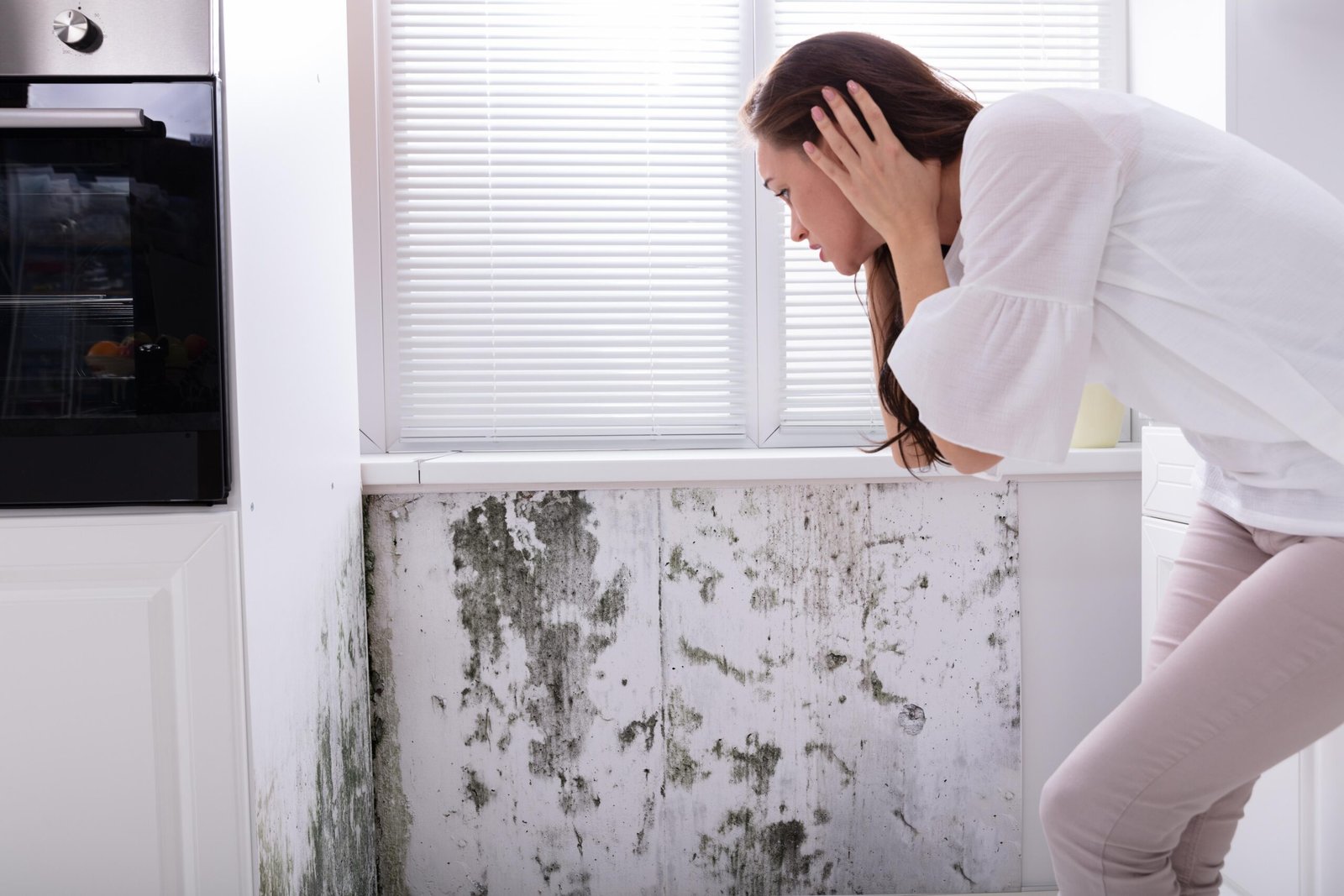
Water damage is one of the most common and expensive problems homeowners face, but not all water damage is immediately visible. In many homes, moisture hides silently behind walls, under flooring, above ceilings, or inside insulation long before obvious signs appear. Unfortunately, hidden moisture often creates the perfect environment for mold growth.
What begins as a small plumbing leak or unnoticed roof issue can eventually turn into a serious mold infestation affecting indoor air quality, structural materials, and even the health of your family. Because mold can begin growing within 24 to 48 hours after water exposure, early detection is critical. (servicemasterrestore.com)
The challenge is that mold behind walls is rarely visible in the beginning. Homeowners often miss the early warning signs until the contamination has already spread extensively.
Understanding the symptoms of hidden water damage and concealed mold growth can help you act quickly before the problem becomes much larger and more expensive to repair.
In this guide, we’ll cover:
- Why mold grows behind walls
- The most common causes of hidden water damage
- Warning signs homeowners should never ignore
- Health risks associated with hidden mold
- How professionals detect concealed moisture
- What to do immediately if you suspect mold behind walls
- Prevention strategies to avoid future issues
Why Mold Grows Behind Walls
Mold thrives in damp, dark, and poorly ventilated environments. Unfortunately, wall cavities provide exactly those conditions once moisture enters the structure.
Most homes contain materials that mold can easily feed on, including:
- Drywall paper
- Wood framing
- Insulation
- Dust particles
- Carpet backing
- Adhesives
When these materials become wet, mold spores naturally present in the air begin multiplying rapidly.
The reason mold behind walls is especially dangerous is because:
- Moisture remains trapped longer
- Airflow is minimal
- Homeowners cannot easily see the contamination
- Colonies can spread undetected for weeks or months
By the time visible symptoms appear on wall surfaces, the problem behind the wall may already be extensive.
Common Causes of Hidden Water Damage
Hidden mold problems almost always begin with moisture intrusion. Sometimes the source is obvious, but in many cases, leaks remain unnoticed for long periods.
Below are the most common causes of hidden water damage behind walls.
1. Slow Plumbing Leaks
Small pipe leaks are among the leading causes of hidden mold growth.
Common examples include:
- Dripping supply lines
- Loose pipe fittings
- Corroded pipes
- Leaking drain lines
- Cracked plumbing joints
Because these leaks are often slow, homeowners may not notice them until mold or wall damage appears.
Even a small leak can release significant moisture over time.
2. Roof Leaks
Roof leaks frequently cause hidden moisture problems inside ceilings and wall cavities.
Common roof-related issues include:
- Missing shingles
- Flashing damage
- Storm damage
- Ice dams
- Clogged gutters
- Aging roofing materials
Water entering through the roof may travel far from the original leak before becoming visible indoors.
3. Window and Door Leaks
Poor sealing around windows and doors can allow rainwater to seep into walls during storms.
Over time, repeated moisture exposure may lead to:
- Rotting wood
- Mold growth
- Insulation damage
- Drywall deterioration
This issue is especially common in older homes.
4. HVAC Condensation Problems
Air conditioning systems naturally create condensation.
When drainage systems malfunction or ductwork sweats excessively, moisture may collect behind walls or ceilings.
Poor ventilation can worsen the issue.
5. Appliance Leaks
Household appliances are another common source of hidden water damage.
Potential culprits include:
- Washing machines
- Dishwashers
- Refrigerators
- Water heaters
- Ice maker lines
Leaks behind appliances often go unnoticed until nearby walls become damaged.
6. Foundation and Basement Moisture
Moisture intrusion through foundations can affect lower walls and flooring systems.
Contributing factors may include:
- Poor drainage
- Cracks in the foundation
- High groundwater levels
- Flooding
- Inadequate waterproofing
Basements and crawl spaces are especially vulnerable to mold growth.
7. Flood Damage
Even when floodwater appears cleaned up, hidden moisture often remains trapped behind walls and under flooring.
Without professional drying, mold growth can occur rapidly after flooding.
How Quickly Mold Can Grow Behind Walls
Many homeowners underestimate how quickly mold develops after water exposure.
Under ideal conditions, mold can begin growing within 24 to 48 hours after moisture reaches building materials. (servicemasterrestore.com)
Warm temperatures, darkness, and limited airflow inside wall cavities accelerate growth even further.
Once mold becomes established:
- Colonies spread quickly
- Airborne spores increase
- Structural materials weaken
- Indoor air quality declines
The longer hidden moisture remains untreated, the more extensive the damage becomes.
Warning Signs Hidden Water Damage Is Causing Mold Behind Your Walls
Since mold behind walls is often invisible at first, homeowners must rely on indirect warning signs.
Below are the most important symptoms to watch for.
1. Persistent Musty Odors
A musty or earthy smell is one of the earliest signs of hidden mold growth.
Mold releases microbial volatile organic compounds (MVOCs), which create unpleasant odors.
You may notice:
- Damp smells in specific rooms
- Odors strongest near walls
- Persistent mildew smells
- Smells that worsen during humidity or rain
If odors continue despite cleaning, hidden moisture should be investigated immediately.
2. Water Stains or Discoloration
Discoloration often indicates moisture trapped inside walls or ceilings.
Common signs include:
- Yellow stains
- Brown water rings
- Dark streaks
- Uneven wall coloring
- Ceiling spots
These stains may appear gradually as moisture spreads internally.
Even small stains should not be ignored.
3. Bubbling Paint or Peeling Wallpaper
Moisture weakens paint and adhesives over time.
Signs may include:
- Bubbling paint
- Peeling wallpaper
- Cracking paint
- Blistering wall surfaces
- Separation around seams
These symptoms often indicate moisture trapped beneath the surface.
4. Soft or Warped Drywall
Drywall absorbs moisture quickly.
Homeowners may notice:
- Soft wall areas
- Bulging drywall
- Warped surfaces
- Spongy textures
- Walls that flex when pressed
These changes suggest internal water damage.
5. Visible Mold Spots
Sometimes mold eventually becomes visible near:
- Baseboards
- Corners
- Ceiling edges
- Electrical outlets
- Air vents
Mold may appear:
- Black
- Green
- White
- Gray
- Brown
Visible mold usually indicates larger hidden colonies behind the wall.
6. Increased Allergy or Respiratory Symptoms
Hidden mold often affects indoor air quality before visible growth appears.
Possible symptoms include:
- Sneezing
- Coughing
- Nasal congestion
- Headaches
- Wheezing
- Eye irritation
- Skin irritation
- Asthma flare-ups
If symptoms improve outside the home, indoor mold may be contributing.
Children, elderly individuals, and people with respiratory conditions are particularly sensitive.
7. Warped Flooring or Baseboards
Moisture behind walls frequently spreads downward into flooring systems.
Watch for:
- Swollen baseboards
- Buckling hardwood
- Warped laminate
- Loose tiles
- Soft flooring
These signs often indicate ongoing hidden moisture.
8. Excess Indoor Humidity
Hidden water damage often increases humidity levels inside the home.
Symptoms may include:
- Condensation on windows
- Damp air
- Humid rooms
- Persistent moisture despite air conditioning
Indoor humidity should generally remain below 50%.
9. Ceiling Damage or Sagging
Roof leaks and upstairs plumbing issues often show up on ceilings first.
Signs include:
- Sagging drywall
- Ceiling stains
- Peeling paint
- Bulging sections
- Cracks
Ceiling moisture should always be inspected quickly.
10. Unexplained Increase in Water Bills
A sudden spike in water usage may indicate hidden plumbing leaks.
Even small pipe leaks can waste large amounts of water over time.
Unexpected increases in utility bills deserve investigation.
Why Hidden Mold Is Dangerous
Mold behind walls is more than a cosmetic issue.
It can affect:
- Indoor air quality
- Structural integrity
- Property value
- Occupant health
Health Risks Associated with Hidden Mold
Exposure to mold spores may trigger numerous health problems.
Common symptoms include:
- Respiratory irritation
- Sinus congestion
- Chronic coughing
- Allergic reactions
- Skin rashes
- Headaches
- Fatigue
- Difficulty breathing
People with asthma or weakened immune systems may experience more severe reactions.
Long-term exposure can worsen respiratory conditions significantly.
Structural Damage Caused by Hidden Water and Mold
Mold feeds on organic building materials and gradually weakens them.
Over time, hidden moisture and mold may damage:
- Wooden studs
- Drywall
- Subflooring
- Ceiling joists
- Insulation
- Flooring systems
Untreated moisture can eventually lead to rot and structural instability.
Why DIY Mold Cleanup Often Doesn’t Work
Many homeowners attempt to clean visible mold themselves using bleach or household products.
Unfortunately, surface cleaning rarely solves hidden mold problems because:
- The moisture source remains
- Mold continues growing behind walls
- Spores spread during cleaning
- Hidden materials stay contaminated
Improper cleanup may actually worsen the problem by spreading spores throughout the home.
How Professionals Detect Hidden Water Damage and Mold
Professional restoration companies use advanced equipment to locate hidden moisture and contamination.
Moisture Meters
These devices measure moisture levels inside walls, flooring, and ceilings.
Thermal Imaging Cameras
Thermal imaging identifies temperature differences caused by trapped moisture.
This helps locate hidden leaks without opening walls unnecessarily.
Infrared Technology
Infrared scanning can detect moisture patterns invisible to the naked eye.
Hygrometers
Hygrometers monitor humidity levels inside the home.
Air Quality Testing
Some professionals perform air sampling to measure airborne mold spores.
Testing helps determine contamination severity.
What Homeowners Should Do Immediately
If you suspect hidden mold behind your walls, quick action is critical.
Step 1: Identify and Stop the Water Source
Mold will continue spreading until moisture is eliminated.
Possible sources include:
- Pipe leaks
- Roof leaks
- Window intrusion
- Condensation
- Foundation moisture
Fixing the source is the first priority.
Step 2: Avoid Disturbing Mold
Avoid:
- Scrubbing mold aggressively
- Sanding walls
- Tearing out drywall without protection
Disturbing mold can release spores into the air.
Step 3: Reduce Indoor Humidity
Use:
- Dehumidifiers
- Fans
- Ventilation systems
- Air circulation
Lower humidity helps slow mold growth.
Step 4: Remove Wet Materials
Some saturated materials may require removal, including:
- Wet drywall
- Carpet padding
- Insulation
- Ceiling tiles
Porous materials often cannot be fully restored once contaminated.
Step 5: Contact a Professional Restoration Company
Professional water damage and mold remediation companies can:
- Detect hidden moisture
- Assess contamination
- Remove damaged materials safely
- Dry affected areas completely
- Improve air quality
- Prevent future growth
Professional drying equipment is often necessary for hidden moisture problems.
How Professionals Remediate Hidden Mold
Mold remediation usually involves several steps.
Containment
Affected areas are sealed to prevent spores from spreading.
Air Filtration
HEPA filtration systems remove airborne mold particles.
Removal of Contaminated Materials
Damaged drywall, insulation, carpeting, and other porous materials may require removal.
Cleaning and Sanitization
Specialized antimicrobial treatments clean affected surfaces.
Structural Drying
Industrial dehumidifiers and air movers remove trapped moisture.
Final Testing
Moisture readings and inspections confirm the area is dry and safe.
How to Prevent Hidden Water Damage and Mold
Preventive maintenance is the best defense against hidden mold problems.
Inspect Plumbing Regularly
Check:
- Under sinks
- Appliance connections
- Water heaters
- Pipe fittings
Fix leaks immediately.
Maintain Roofing Systems
Inspect roofs annually for:
- Missing shingles
- Flashing damage
- Drainage problems
Improve Ventilation
Bathrooms, kitchens, attics, and basements need proper airflow.
Use exhaust fans regularly.
Monitor Humidity Levels
Keep indoor humidity below 50%.
Basements may benefit from permanent dehumidifiers.
Address Water Damage Immediately
Never ignore:
- Ceiling stains
- Musty odors
- Small leaks
- Damp carpets
- Warped flooring
Fast action dramatically reduces mold risk.
Schedule Professional Inspections After Water Damage
Even when surfaces appear dry, hidden moisture may remain behind walls.
Professional inspections help ensure:
- Complete drying
- Moisture removal
- Mold prevention
- Safe indoor air quality
This is especially important after flooding, roof leaks, or plumbing failures.
Final Thoughts
Hidden water damage is one of the leading causes of mold growth inside homes. Unfortunately, because moisture often remains trapped behind walls, many homeowners do not realize there’s a problem until serious contamination has already developed.
Warning signs like musty odors, water stains, bubbling paint, warped flooring, unexplained allergy symptoms, and soft drywall should never be ignored.
Mold can begin growing within 24 to 48 hours after water exposure, which is why immediate response is so important. Early detection, proper drying, and professional moisture inspections can help prevent extensive structural damage and costly mold remediation.
If you suspect hidden water damage behind your walls, contacting an experienced water damage restoration and mold remediation professional is the safest and most effective way to protect your home and your health.