Commercial fire damage is one of the most disruptive events a business can experience. Beyond visible destruction, fire leaves behind smoke contamination, soot residue, structural instability, and often significant water damage from suppression efforts. For businesses in Summit County and surrounding Colorado mountain communities, these challenges are compounded by high elevation, freezing temperatures, and seasonal weather extremes.
Rocky Mountain Restore, based in Breckenridge, Colorado, provides professional fire damage restoration for commercial properties throughout Summit County, including Silverthorne, Dillon, Frisco, Keystone, Vail, and nearby mountain towns. With deep experience in mountain construction, building codes, and climate-related risks, the team delivers fast, thorough restoration services designed to protect both property and business continuity.
This guide explores how commercial fire restoration works, why rapid response matters, and how property owners can navigate the recovery process with confidence.
Rapid Response for Commercial Fire Damage
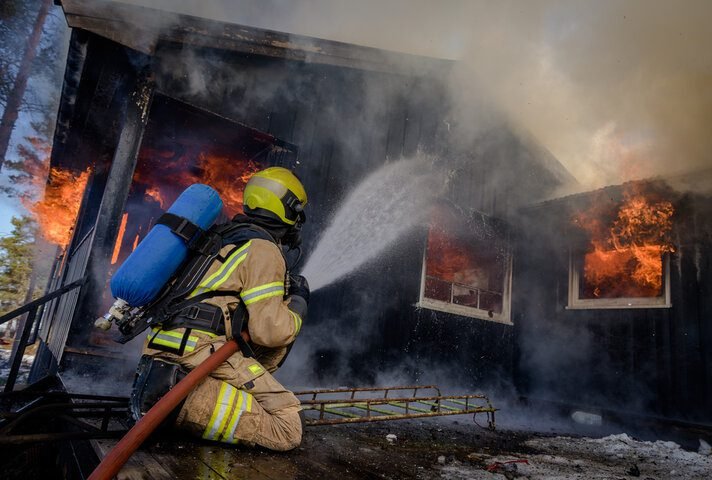
When a fire impacts a commercial property, time is critical. Even after flames are extinguished, smoke residues continue to spread, soot begins to corrode materials, and water from sprinklers or firefighting efforts can seep into structural cavities. Immediate professional response significantly reduces long-term damage and restoration costs.
In mountain communities like Breckenridge and Frisco, cold temperatures can quickly complicate recovery. Water left behind from fire suppression can freeze overnight, leading to burst pipes or further structural stress. Rocky Mountain Restore responds promptly across Summit County to assess damage, secure properties, and begin stabilization.
A rapid response plan for commercial fire damage typically includes:
- Immediate site safety assessment and hazard identification
- Board-up and roof tarping to secure exposed areas
- Water extraction and temporary drying to prevent freezing
- Smoke and soot containment to limit cross-contamination
- Detailed documentation for insurance claims
Fast action protects inventory, equipment, and interior finishes. It also helps business owners maintain compliance with safety standards and begin reopening sooner.
Commercial fire damage restoration also involves strategic coordination. Business operations, tenants, and employees may all be affected. A restoration team experienced with commercial properties understands how to prioritize critical areas, isolate work zones, and reduce downtime where possible.
Early intervention offers key advantages:
- Reduces permanent staining from acidic soot
- Prevents mold growth after water exposure
- Minimizes structural deterioration
- Improves chances of salvaging contents and equipment
For businesses in Silverthorne or Dillon that rely on seasonal tourism, every day closed can mean lost revenue. Quick stabilization protects both the building and the business behind it.
Comprehensive Smoke and Soot Cleanup Services
Smoke damage often extends far beyond the area touched by flames. HVAC systems can distribute smoke particles throughout a building, leaving residues in offices, retail spaces, storage areas, and ventilation ducts. Without professional remediation, lingering smoke odors and corrosive soot can cause ongoing damage.
Different types of fires produce different residues. A kitchen grease fire leaves thick, oily soot, while an electrical fire may produce fine, powdery residues that settle into electronics. In commercial settings such as restaurants in Keystone or retail stores in Vail, understanding the type of soot is essential for proper cleaning.
Professional smoke and soot cleanup includes:
- Identification of fire type and residue composition
- HEPA vacuuming and dry sponge cleaning of surfaces
- Wet cleaning with specialized soot removal agents
- HVAC inspection and duct cleaning
- Deodorization using advanced odor neutralization methods
Soot is acidic and can begin damaging metal, plastic, and finished surfaces within hours. Electronics, machinery, and appliances are particularly vulnerable. Prompt, specialized cleaning increases the likelihood that expensive commercial equipment can be restored rather than replaced.
Odor removal is equally important. Smoke odors can embed in insulation, drywall, upholstery, and wood framing. Simply masking odors does not solve the problem. Professional deodorization may involve:
- Thermal fogging to penetrate porous materials
- Hydroxyl or ozone treatments when appropriate
- Removal of heavily contaminated materials
- Sealing of affected structural components
In high-altitude environments like Summit County, ventilation strategies must be carefully managed. Mountain weather patterns and temperature shifts can affect how odors travel and settle. A locally experienced team understands these variables and adjusts remediation techniques accordingly.
Restoring Mountain Businesses After Fire
Commercial properties in Colorado mountain communities face unique restoration challenges. Snow loads, freeze-thaw cycles, and fluctuating humidity levels all influence how buildings respond after fire damage. Restoration plans must account for these environmental factors to ensure long-term durability.
After a fire in a Breckenridge office building or a Frisco retail space, structural components may have been weakened by both heat and water. Wood framing can swell or warp, steel can lose integrity, and roofing systems may be compromised. A comprehensive structural assessment is essential before rebuilding begins.
Mountain-specific considerations include:
- Preventing freeze damage after sprinkler discharge
- Managing snow and ice on compromised roofs
- Addressing hidden moisture in insulated wall cavities
- Protecting exposed interiors from sudden weather changes
Commercial tenants and customers also expect safe, professional environments. Restoration is not just about repairing damage but restoring confidence. Business owners need clear timelines, transparent communication, and a coordinated recovery plan.
Restoration typically progresses through defined phases:
- Emergency stabilization and mitigation
- Damage assessment and scope development
- Demolition of unsalvageable materials
- Structural repairs and reconstruction
- Final cleaning and pre-occupancy verification
For businesses in Dillon and Silverthorne, reopening quickly can mean retaining employees and preserving customer loyalty. Rocky Mountain Restore works with property managers, building owners, and contractors to streamline this process while maintaining high safety standards.
Insurance Coordination Made Simple for Owners
Navigating an insurance claim after a commercial fire can feel overwhelming. Policies may include complex language about coverage limits, business interruption, code upgrades, and contents replacement. Accurate documentation and clear communication are critical for a smooth process.
Rocky Mountain Restore assists commercial property owners throughout Summit County by providing detailed damage reports, photo documentation, and itemized estimates. This helps ensure that insurance carriers have the information needed to evaluate claims efficiently.
Insurance coordination services often include:
- On-site meetings with adjusters
- Digital documentation of structural and contents damage
- Moisture mapping and environmental readings
- Transparent repair estimates aligned with industry standards
- Ongoing communication regarding scope changes
Business interruption coverage is another key factor. Commercial policies may compensate for lost income during restoration, but proper documentation is essential. A restoration team experienced in commercial projects understands how to provide supporting information that reflects the true scope of damage.
Clear communication benefits everyone involved:
- Owners gain clarity on timelines and expectations
- Adjusters receive accurate, organized documentation
- Contractors can proceed without unnecessary delays
In mountain towns like Keystone and Vail, where many properties are mixed-use or multi-tenant, coordination between landlords, tenants, and insurers becomes even more important. Professional guidance simplifies this complex process and helps businesses move forward confidently.
Thorough Structural and Content Restoration
Commercial fire damage restoration goes far beyond surface cleaning. Structural components, mechanical systems, and business contents all require careful evaluation. The goal is to restore as much as possible while ensuring safety and compliance with current building codes.
Structural restoration may involve repairing framing, replacing drywall, restoring ceilings, and reinforcing load-bearing components. In some cases, selective demolition is necessary to remove compromised materials and eliminate lingering smoke contamination.
Structural restoration services may include:
- Framing repair or replacement
- Drywall, insulation, and ceiling system restoration
- Electrical and plumbing system evaluation
- Roofing and exterior envelope repairs
- Code-compliant reconstruction upgrades
Contents restoration is equally critical for commercial properties. Office furniture, retail inventory, specialized equipment, and important documents may all be affected by fire, smoke, or water. In many cases, off-site cleaning and restoration can salvage valuable items.
Contents recovery efforts often involve:
- Detailed inventory and pack-out services
- Cleaning and deodorization of salvageable items
- Specialized electronics restoration
- Document drying and recovery
- Secure storage during reconstruction
Businesses in Summit County often rely on specialized equipment, from restaurant appliances to ski shop inventory. Professional contents restoration can significantly reduce replacement costs and shorten downtime.
By addressing both structural and contents restoration in a coordinated manner, commercial property owners receive a more efficient and organized recovery process.
Preventing Further Damage in Harsh Climates
Colorado’s mountain climate introduces additional risks after a fire. Once a building’s protective envelope is compromised, snow, wind, and freezing temperatures can create new damage within hours. Prevention is a critical component of professional fire damage restoration.
Temporary protection measures are often the first step. Board-up services, roof tarping, and weatherproofing help shield the interior from additional exposure. In areas like Breckenridge and Silverthorne, where storms can develop quickly, these measures are essential.
Climate-focused mitigation strategies include:
- Rapid water extraction to prevent freezing
- Industrial-grade drying equipment suited for high altitude
- Moisture monitoring to detect hidden saturation
- Temporary heating solutions to stabilize interior temperatures
- Snow and ice management around damaged structures
High altitude can affect how drying equipment performs. Lower air pressure and humidity levels require specialized knowledge to achieve proper evaporation and dehumidification. A local restoration company familiar with Summit County conditions can calibrate equipment for optimal results.
Preventing secondary damage also protects insurance claims. If additional deterioration occurs due to delayed mitigation, coverage disputes may arise. Prompt, documented action demonstrates responsible property management.
Ultimately, fire damage restoration for commercial properties is about more than rebuilding walls. It is about restoring safety, preserving investments, and supporting the long-term success of local businesses throughout Frisco, Dillon, Keystone, Vail, and the surrounding mountain communities.
Frequently Asked Questions
How long does commercial fire damage restoration typically take?
The timeline for commercial fire damage restoration depends on the size of the property, the extent of structural damage, and the level of smoke contamination. Smaller commercial spaces may take several weeks, while larger or heavily damaged buildings can require several months. Rocky Mountain Restore serving Summit County and nearby communities provides detailed project timelines after a thorough on-site assessment to help business owners plan for reopening.
What should I do immediately after a fire at my business?
After ensuring everyone is safe and the fire department has cleared the property, contact a professional fire damage restoration company as soon as possible. Avoid entering unsafe areas or attempting deep cleaning without proper equipment. Rocky Mountain Restore in Breckenridge responds throughout Summit County to secure commercial properties, assess damage, and begin mitigation to prevent further structural or water-related issues.
Does insurance cover commercial fire and smoke damage?
Most commercial property insurance policies include coverage for fire and smoke damage, though coverage details vary. Policies may also include business interruption protection and code upgrade provisions. Rocky Mountain Restore works with business owners in Silverthorne, Dillon, Frisco, Keystone, and Vail to document damage thoroughly and communicate directly with insurance adjusters during the claims process.
Can smoke damage be fully removed from a commercial building?
In many cases, professional smoke remediation can effectively remove odors and residues from commercial buildings. The success depends on how quickly mitigation begins and how deeply smoke penetrated materials. Rocky Mountain Restore uses specialized cleaning methods, HEPA filtration, and advanced deodorization techniques to address smoke damage in commercial properties across Summit County.
How does water damage from sprinklers affect fire restoration?
Water from sprinklers or firefighting efforts can soak flooring, drywall, insulation, and equipment, creating a risk for mold growth or freezing in mountain climates. Immediate water extraction and drying are critical, especially in high-elevation communities like Breckenridge and Frisco. Restoration professionals address both fire and water damage together to prevent secondary complications.
What happens to business equipment and inventory after a fire?
Contents such as electronics, inventory, documents, and furniture are carefully evaluated for restoration potential. Many items can be cleaned, deodorized, and restored either on-site or at a secure facility. Rocky Mountain Restore provides commercial contents pack-out and restoration services throughout Summit County to help reduce replacement costs and speed up business recovery.
Is mold a concern after fire damage?
Yes, mold can develop quickly when water from fire suppression is not properly removed. In Colorado mountain environments where temperatures fluctuate, hidden moisture can linger in walls and ceilings. Rocky Mountain Restore offers water damage restoration and mold remediation services for commercial properties in Breckenridge and surrounding areas to address these risks promptly.
Do you provide commercial restoration services year-round in mountain communities?
Yes, commercial restoration services are available throughout the year in Summit County and nearby Colorado mountain regions. Seasonal weather conditions, including heavy snow and freezing temperatures, are factored into mitigation and reconstruction plans. Rocky Mountain Restore is based locally and understands how to manage fire, water, and mold damage in high-altitude environments year-round.