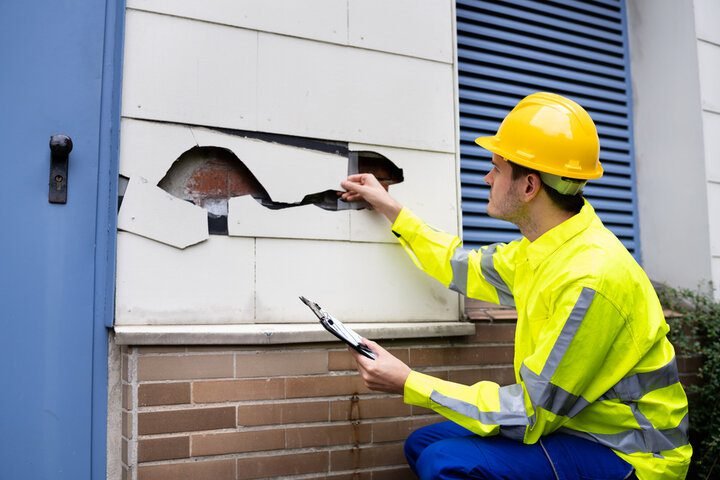
Owning a vacation home in the Colorado mountains is a dream for many property owners. Whether your retreat is in Breckenridge, Silverthorne, Dillon, Frisco, Keystone, Vail, or another Summit County community, these homes offer year-round recreation and long-term investment potential. However, mountain properties also face heightened risks when it comes to water damage. Seasonal occupancy, extreme winter weather, and aging infrastructure can all combine to create costly surprises.
Protecting vacation homes from water damage requires proactive planning, consistent monitoring, and fast professional response when issues arise. Rocky Mountain Restore, based in Breckenridge and serving Summit County and surrounding Colorado mountain communities, works with homeowners and businesses to prevent, mitigate, and restore water damage efficiently. This guide explores the unique risks mountain vacation homes face and how to safeguard your property year-round.
Why Vacation Homes Face Unique Water Risks
Vacation homes differ significantly from primary residences in how they are used, maintained, and monitored. These differences create vulnerabilities that can turn a small leak into major property damage.
Many Summit County vacation properties sit unoccupied for weeks or months at a time. Without someone physically present to notice warning signs, minor plumbing failures, roof leaks, or appliance malfunctions can go undetected. In mountain climates, this delay often allows water to freeze, expand, and cause structural damage before anyone realizes there is an issue.
Key factors that increase risk in vacation homes include:
- Extended vacancy periods
- Infrequent plumbing use
- Delayed leak detection
- Limited immediate oversight
- Seasonal occupancy patterns
When a pipe bursts in a primary residence, the homeowner may notice the drop in water pressure or visible moisture within hours. In a vacant vacation home in Frisco or Keystone, that same issue could go unnoticed for days or even weeks, saturating drywall, insulation, flooring, and framing.
Another risk factor is deferred maintenance. Because vacation homes are not lived in daily, small maintenance tasks are sometimes postponed. Gutters may clog, sump pumps may fail, or appliance hoses may age beyond their recommended lifespan. Over time, these small oversights increase the likelihood of significant water damage.
In addition, vacation rentals experience high turnover. Guests may unintentionally overload appliances, leave windows slightly open during snowstorms, or adjust thermostats improperly. Even well-meaning guests can unknowingly create conditions that lead to frozen pipes or interior condensation problems.
Proactive prevention strategies should address:
- Regular property inspections
- Clear guest instructions regarding heat and water
- Scheduled plumbing and HVAC servicing
- Automated monitoring systems
- A local emergency response plan
For homeowners in Breckenridge and surrounding areas, understanding these unique risks is the first step in protecting your mountain investment.
Mountain Weather and Hidden Plumbing Dangers
Colorado’s high-elevation climate presents unique challenges for plumbing systems and building envelopes. Extreme temperature swings, heavy snow accumulation, and freeze-thaw cycles can all contribute to hidden water damage.
Winter temperatures in Summit County routinely drop well below freezing. Pipes located in exterior walls, crawl spaces, garages, and unheated basements are particularly vulnerable. When water inside a pipe freezes, it expands, creating internal pressure that can cause cracks or full ruptures. The damage often becomes apparent only after temperatures rise and the ice thaws.
Common cold-weather plumbing risks include:
- Frozen supply lines in exterior walls
- Burst pipes in crawl spaces
- Ice dams along roof edges
- Cracked hose bibs and outdoor spigots
- Condensation buildup in poorly insulated areas
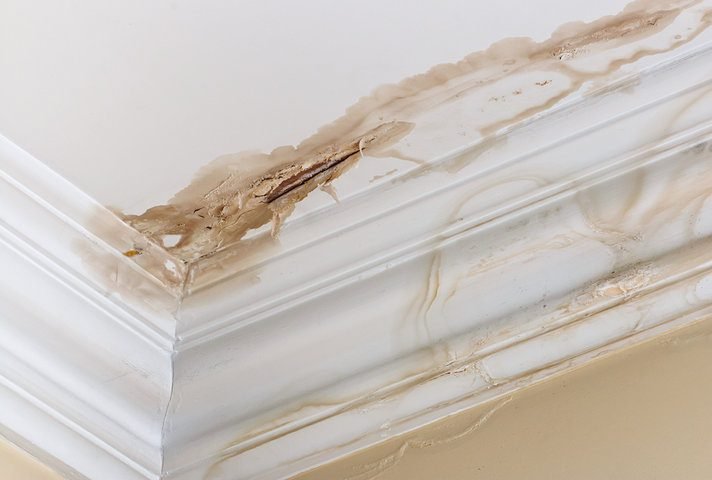
Ice dams are another major concern for mountain homes. When snow on the roof melts during the day and refreezes at night, ice can form along roof edges. This prevents proper drainage and forces water under shingles, leading to interior leaks. Vacation homeowners who are not present during storms may not realize a roof issue exists until ceiling stains or sagging drywall appear.
The freeze-thaw cycle also impacts foundations and basements. Snowmelt and spring runoff in areas like Dillon and Silverthorne can increase groundwater levels. If foundation drainage systems are clogged or sump pumps fail, water can infiltrate basements and lower-level living areas.
Mountain plumbing systems may also be more complex due to:
- Radiant heating systems
- Boiler-fed baseboard heating
- Well water systems in rural areas
- Multiple water heaters for large homes
- Hot tubs and spa systems
Each additional water source increases the number of potential failure points. A small leak from a radiant heating line embedded in flooring may go unnoticed until significant structural damage occurs.
Preventative steps homeowners can take include:
- Insulating exposed pipes
- Maintaining consistent indoor temperatures
- Scheduling annual plumbing inspections
- Clearing snow safely from roof edges when necessary
- Testing sump pumps before peak runoff seasons
Understanding the relationship between mountain weather and hidden plumbing dangers is critical for minimizing water damage risk in Summit County vacation properties.
Smart Monitoring Systems for Remote Properties
Technology has made it easier than ever to monitor remote properties in real time. For vacation homeowners in Breckenridge, Vail, and nearby communities, smart systems can serve as an early warning network against water damage.
Water leak detection systems use sensors placed near high-risk areas such as water heaters, under sinks, behind refrigerators, and near washing machines. If moisture is detected, the system can send an alert directly to the homeowner’s smartphone. Some advanced systems can even shut off the main water supply automatically.
Popular monitoring tools include:
- Wi-Fi-enabled water leak sensors
- Automatic water shutoff valves
- Smart thermostats with freeze alerts
- Humidity monitoring devices
- Remote security cameras for visual checks
Smart thermostats are particularly important in mountain climates. Maintaining indoor temperatures above freezing is critical to preventing frozen pipes. Remote monitoring allows homeowners to verify that heat remains active, even during power outages or furnace malfunctions.
Humidity sensors can also play a key role in preventing mold growth. If a leak occurs and moisture levels rise, early detection can limit secondary damage. This is especially important in tightly sealed mountain homes where airflow may be limited.
When integrating smart monitoring systems, homeowners should:
- Ensure reliable internet connectivity
- Install backup power solutions where possible
- Test alerts periodically
- Share access with a trusted local contact
- Pair technology with scheduled in-person inspections
While technology significantly reduces risk, it should not replace routine property visits. A trusted property manager or local service provider can physically inspect plumbing fixtures, roofing components, and crawl spaces to confirm everything remains in good condition.
For property owners who live outside Colorado, combining smart technology with a local relationship in Summit County creates a comprehensive approach to protecting vacation homes from water damage.
Winterizing Strategies to Prevent Frozen Pipes
Winterizing is one of the most effective ways to protect a vacation home from water damage during extended periods of vacancy. In Summit County’s high-altitude environment, thorough winter preparation is essential.
If a property will be unoccupied for an extended period during winter, draining the plumbing system may be advisable. This process involves shutting off the main water supply, draining pipes, and adding antifreeze to traps and fixtures where appropriate.
Core winterization steps include:
- Shutting off and draining exterior spigots
- Insulating exposed pipes
- Keeping interior cabinet doors open to allow warm air circulation
- Setting thermostats to a safe minimum temperature
- Sealing drafts around windows and doors
For homes that remain in use throughout winter, maintaining consistent interior heat is critical. Even short-term thermostat reductions can increase freeze risk during extreme cold snaps. Homeowners in Frisco and Keystone should avoid turning heat off entirely, even when the property is vacant.
Attic insulation and ventilation also impact freeze prevention. Proper insulation helps maintain stable interior temperatures and reduces ice dam formation. Sealing air leaks can prevent warm air from escaping into the attic, where it may contribute to uneven snow melt.
Hot tubs and exterior water features require special attention:
- Drain and winterize outdoor plumbing
- Use insulated covers on hot tubs
- Schedule regular maintenance for heating systems
- Monitor water chemistry to prevent corrosion
Professional plumbing inspections before winter can identify vulnerabilities such as aging pipes, loose fittings, or insufficient insulation. Addressing these issues proactively can prevent costly mid-season emergencies.
Winterizing is not a one-time task. It should be part of an annual maintenance routine for every mountain vacation home.
Rapid Water Damage Response in Summit County
Despite best efforts, water damage can still occur. When it does, rapid response is essential to minimize structural damage and prevent mold growth.
Water begins penetrating porous materials almost immediately. Within hours, drywall absorbs moisture. Within 24 to 48 hours, mold growth can begin in damp conditions. Acting quickly can significantly reduce restoration costs and downtime.
Immediate steps after discovering water damage include:
- Shutting off the water source if possible
- Turning off electricity in affected areas
- Documenting visible damage for insurance
- Contacting a professional restoration company
- Avoiding use of contaminated water areas
Rocky Mountain Restore, based in Breckenridge and serving Summit County and surrounding communities, provides responsive water damage restoration services for residential and commercial properties. Their team conducts thorough moisture assessments using specialized equipment to identify hidden water intrusion behind walls and under flooring.
Professional water damage restoration typically involves:
- Water extraction using industrial equipment
- Structural drying with air movers and dehumidifiers
- Moisture monitoring to ensure complete drying
- Removal of damaged materials where necessary
- Cleaning and sanitizing affected areas
In mountain communities like Silverthorne and Dillon, access challenges during winter storms can complicate response. Working with a locally based restoration company familiar with road conditions, elevation challenges, and regional building practices can streamline the process.
Fast action not only protects structural integrity but also reduces the risk of secondary damage such as mold contamination or long-term wood rot.
Partnering With Trusted Local Restoration Experts
Protecting a vacation home from water damage is not solely about prevention. It is also about having a clear plan and reliable support system in place.
Partnering with a local restoration company provides peace of mind. Rocky Mountain Restore serves homeowners and businesses throughout Summit County, including Breckenridge, Silverthorne, Dillon, Frisco, Keystone, and nearby mountain communities. Their familiarity with Colorado’s climate and construction styles allows for tailored solutions.
Benefits of working with a local expert include:
- Faster on-site response times
- Knowledge of mountain-specific building systems
- Experience with insurance claim documentation
- Established relationships with local contractors
- Ongoing support for maintenance and prevention planning
In addition to water damage restoration, Rocky Mountain Restore provides fire and smoke damage cleanup, mold remediation, and comprehensive property restoration services. This full-service capability ensures continuity if water damage leads to mold growth or other complications.
Insurance navigation can be especially complex for vacation homes. Having a restoration partner who can communicate clearly with adjusters and provide detailed documentation helps streamline claims and reduce stress.
Property owners in Summit County often live out of state. A trusted local restoration partner becomes an essential resource, capable of assessing damage, securing the property, and overseeing restoration from start to finish.
Frequently Asked Questions
How can I prevent water damage in my Colorado vacation home during winter?
Preventing winter water damage requires maintaining consistent indoor heat, insulating exposed pipes, shutting off and draining exterior spigots, and installing smart leak detection systems. Rocky Mountain Restore serving Summit County and nearby communities recommends annual plumbing inspections and winterization services to identify vulnerabilities before freezing temperatures arrive.
What should I do if a pipe bursts in my Breckenridge vacation property?
First, shut off the main water supply and electricity to affected areas if it is safe to do so. Document visible damage and contact a professional restoration company promptly. Rocky Mountain Restore in Breckenridge provides water extraction, structural drying, and full restoration services throughout Summit County to help minimize long-term damage.
How quickly can mold grow after water damage in mountain homes?
Mold can begin developing within 24 to 48 hours in damp conditions, especially in tightly sealed mountain homes with limited airflow. Prompt drying and professional moisture monitoring are essential. Rocky Mountain Restore offers mold remediation services for properties in Silverthorne, Dillon, Frisco, Keystone, and surrounding areas following water intrusion.
Do I need professional water damage restoration, or can I handle cleanup myself?
Small surface spills may be manageable, but significant leaks, burst pipes, or hidden moisture require professional equipment and expertise. Without proper drying and moisture detection, hidden water can lead to structural damage and mold growth. Rocky Mountain Restore uses specialized tools to ensure thorough drying and safe restoration.
Will my insurance cover water damage to a vacation home?
Coverage depends on your specific policy and the cause of the damage. Sudden and accidental water damage is often covered, while gradual issues may not be. Rocky Mountain Restore works closely with insurance providers serving Summit County property owners to document damage and assist with the claims process.
How do smart water monitoring systems help protect remote properties?
Smart systems detect leaks, monitor temperature and humidity, and can automatically shut off water supplies when problems arise. For vacation homeowners who live outside Colorado, these systems provide real-time alerts and added protection. Pairing monitoring technology with a local restoration partner enhances overall property protection.
What areas does Rocky Mountain Restore serve for emergency restoration services?
Rocky Mountain Restore is based in Breckenridge, Colorado and serves Summit County and nearby mountain communities including Silverthorne, Dillon, Frisco, Keystone, and Vail. Their team provides responsive solutions for water damage, fire damage, mold issues, and other property emergencies throughout the region.
Can water damage affect commercial properties in Summit County as well?
Yes, commercial buildings face similar risks, especially during winter and seasonal closures. Restaurants, retail spaces, and lodging properties in Summit County can experience burst pipes, roof leaks, or appliance failures. Rocky Mountain Restore provides commercial water damage restoration and comprehensive property recovery services tailored to business needs.
{
  "@context": "https://schema.org",
  "@type": "FAQPage",
  "mainEntity": [
    {
      "@type": "Question",
      "name": "How can I prevent water damage in my Colorado vacation home during winter?",
      "acceptedAnswer": {
        "@type": "Answer",
        "text": "Preventing winter water damage requires maintaining consistent indoor heat, insulating exposed pipes, shutting off and draining exterior spigots, and installing smart leak detection systems. Rocky Mountain Restore serving Summit County and nearby communities recommends annual plumbing inspections and winterization services to identify vulnerabilities before freezing temperatures arrive."
      }
    },
    {
      "@type": "Question",
      "name": "What should I do if a pipe bursts in my Breckenridge vacation property?",
      "acceptedAnswer": {
        "@type": "Answer",
        "text": "First, shut off the main water supply and electricity to affected areas if it is safe to do so. Document visible damage and contact a professional restoration company promptly. Rocky Mountain Restore in Breckenridge provides water extraction, structural drying, and full restoration services throughout Summit County to help minimize long-term damage."
      }
    },
    {
      "@type": "Question",
      "name": "How quickly can mold grow after water damage in mountain homes?",
      "acceptedAnswer": {
        "@type": "Answer",
        "text": "Mold can begin developing within 24 to 48 hours in damp conditions, especially in tightly sealed mountain homes with limited airflow. Prompt drying and professional moisture monitoring are essential. Rocky Mountain Restore offers mold remediation services for properties in Silverthorne, Dillon, Frisco, Keystone, and surrounding areas following water intrusion."
      }
    },
    {
      "@type": "Question",
      "name": "Do I need professional water damage restoration, or can I handle cleanup myself?",
      "acceptedAnswer": {
        "@type": "Answer",
        "text": "Small surface spills may be manageable, but significant leaks, burst pipes, or hidden moisture require professional equipment and expertise. Without proper drying and moisture detection, hidden water can lead to structural damage and mold growth. Rocky Mountain Restore uses specialized tools to ensure thorough drying and safe restoration."
      }
    },
    {
      "@type": "Question",
      "name": "Will my insurance cover water damage to a vacation home?",
      "acceptedAnswer": {
        "@type": "Answer",
        "text": "Coverage depends on your specific policy and the cause of the damage. Sudden and accidental water damage is often covered, while gradual issues may not be. Rocky Mountain Restore works closely with insurance providers serving Summit County property owners to document damage and assist with the claims process."
      }
    },
    {
      "@type": "Question",
      "name": "How do smart water monitoring systems help protect remote properties?",
      "acceptedAnswer": {
        "@type": "Answer",
        "text": "Smart systems detect leaks, monitor temperature and humidity, and can automatically shut off water supplies when problems arise. For vacation homeowners who live outside Colorado, these systems provide real-time alerts and added protection. Pairing monitoring technology with a local restoration partner enhances overall property protection."
      }
    },
    {
      "@type": "Question",
      "name": "What areas does Rocky Mountain Restore serve for emergency restoration services?",
      "acceptedAnswer": {
        "@type": "Answer",
        "text": "Rocky Mountain Restore is based in Breckenridge, Colorado and serves Summit County and nearby mountain communities including Silverthorne, Dillon, Frisco, Keystone, and Vail. Their team provides responsive solutions for water damage, fire damage, mold issues, and other property emergencies throughout the region."
      }
    },
    {
      "@type": "Question",
      "name": "Can water damage affect commercial properties in Summit County as well?",
      "acceptedAnswer": {
        "@type": "Answer",
        "text": "Yes, commercial buildings face similar risks, especially during winter and seasonal closures. Restaurants, retail spaces, and lodging properties in Summit County can experience burst pipes, roof leaks, or appliance failures. Rocky Mountain Restore provides commercial water damage restoration and comprehensive property recovery services tailored to business needs."
      }
    }
  ]
}