
Mold is a common yet often overlooked problem in many homes. While visible mold is easy to detect, hidden mold can quietly grow behind walls, under floors, and in damp corners—causing damage to your property and potential health risks to your family.
Understanding the signs of hidden mold and knowing how to deal with it safely is essential for maintaining a healthy living environment. In this guide, we’ll explore how to identify hidden mold and the best ways to remove it effectively.
1. What Causes Mold Growth in Homes?
Mold thrives in moist, warm, and poorly ventilated environments. It can start growing within 24–48 hours of water exposure, making it a common issue after leaks or flooding.
Common Causes of Mold:
- Water leaks from pipes or roofs
- High humidity levels
- Poor ventilation in bathrooms and kitchens
- Flooding or water damage
- Condensation on windows and walls
Even small amounts of moisture can create the perfect environment for mold growth. That’s why it’s important to address moisture issues as soon as they arise.
2. Common Signs of Hidden Mold
Hidden mold isn’t always visible, but it often leaves behind clues. Being aware of these signs can help you detect mold before it becomes a serious problem.
Musty Odor
A persistent, earthy smell is one of the most common indicators of mold, even if you can’t see it.
Discoloration or Stains
Dark spots, yellow stains, or peeling paint on walls and ceilings may signal mold growth behind surfaces.
Increased Allergy Symptoms
If you or your family experience unexplained allergies, coughing, or respiratory issues, hidden mold could be the cause.
Warped Walls or Flooring
Moisture buildup can cause materials to warp, crack, or bubble—often indicating mold growth underneath.
Recognizing these signs early can help prevent extensive damage and costly repairs.
3. Where Mold Commonly Hides
Mold often grows in places that are dark, damp, and rarely inspected. Knowing where to look can help you identify hidden mold more effectively.
Common Hidden Areas:
- Behind drywall and wallpaper
- Under carpets and flooring
- Inside HVAC systems and air ducts
- Beneath sinks and around plumbing fixtures
- In basements, attics, and crawl spaces
Regularly checking these areas—especially after water damage—can help you catch mold before it spreads.
4. Health Risks Associated with Mold Exposure
Mold isn’t just a structural issue—it can also affect your health. Prolonged exposure to mold spores can lead to various health problems, particularly for individuals with allergies or respiratory conditions.
Potential Health Effects:
- Sneezing, coughing, and throat irritation
- Eye and skin irritation
- Worsening asthma symptoms
- Respiratory infections in severe cases
Children, elderly individuals, and those with weakened immune systems are especially vulnerable. Addressing mold quickly is essential to protect your family’s health.
5. How to Remove Mold Safely
If you discover mold in your home, it’s important to handle it carefully. Improper removal can spread spores and make the problem worse.
DIY Mold Removal (For Small Areas):
- Wear protective gear (gloves, mask, goggles)
- Use appropriate cleaning solutions (such as vinegar or mold-specific cleaners)
- Scrub affected surfaces thoroughly
- Ensure the area is completely dry afterward
When to Avoid DIY:
- Mold covers a large area
- Mold is inside walls or HVAC systems
- You’re unsure of the extent of the problem
In these cases, attempting to remove mold yourself can be risky and ineffective.
6. When to Call a Professional Mold Remediation Service
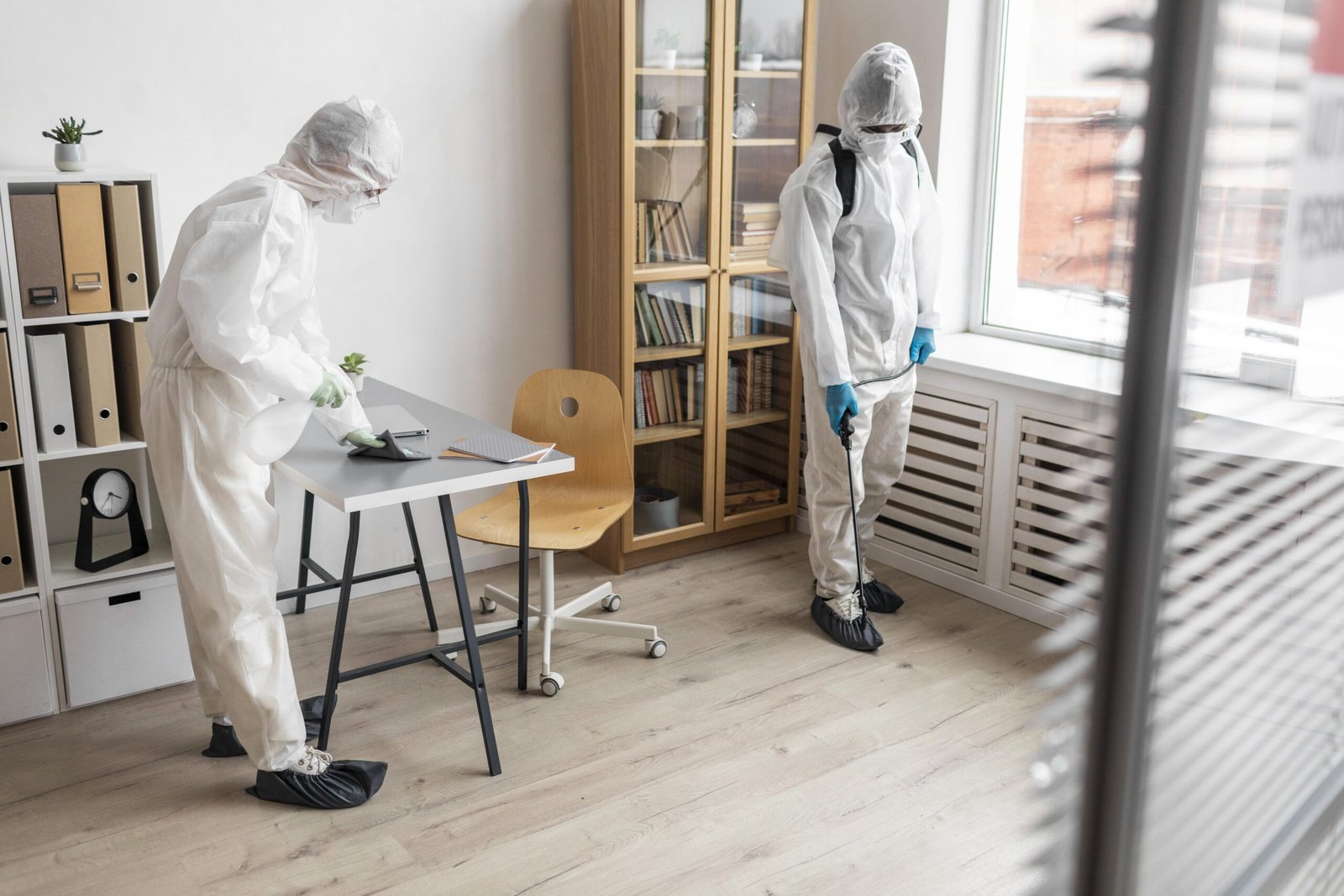
For serious mold problems, professional help is the safest and most effective solution. Mold remediation experts have the tools and expertise to identify, contain, and eliminate mold completely.
Benefits of Professional Services:
- Advanced detection of hidden mold
- Safe removal using specialized equipment
- Prevention of mold recurrence
- Thorough cleaning and restoration
Professionals also address the root cause of mold, ensuring the problem doesn’t return.
Conclusion
Hidden mold can be a silent threat to both your home and your health. By understanding the causes, recognizing the signs, and knowing where to look, you can take proactive steps to protect your property.
While small mold issues can sometimes be handled on your own, larger or hidden infestations require professional attention. Acting quickly is key to preventing further damage and maintaining a safe living environment.
If you suspect mold in your home, don’t ignore the warning signs. Taking action today can save you from costly repairs and health issues in the future.