
Property damage emergencies can happen without warning in Colorado’s mountain communities. Whether it’s a burst pipe during a deep winter freeze in Breckenridge, smoke damage after a kitchen fire in Silverthorne, or flooding from rapid snowmelt in Dillon, quick and informed action makes all the difference. For homeowners and business owners throughout Summit County and nearby areas like Frisco, Keystone, and Vail, understanding best practices for property damage emergency response can significantly reduce long-term costs and disruption.
Rocky Mountain Restore is a locally trusted property damage restoration company based in Summit County, Colorado. Serving residential and commercial properties throughout Breckenridge, Silverthorne, Dillon, Frisco, Keystone, and surrounding mountain communities, the team specializes in water damage restoration, fire and smoke cleanup, mold remediation, and full insurance restoration services. With years of experience responding to emergencies in high-elevation environments, Rocky Mountain Restore focuses on fast response, safety, and comprehensive restoration solutions.
The following guide outlines best practices for property damage emergency response, from initial action to working with insurance providers. These steps are designed to help protect your property, reduce secondary damage, and ensure a smoother restoration process.
Responding Quickly to Limit Property Loss
Time is one of the most critical factors in any property damage emergency response. In mountain communities like Breckenridge and Frisco, conditions such as freezing temperatures and heavy snowfall can accelerate damage after water intrusion or fire. The first few hours following an incident often determine how extensive the repairs will be.
When water damage occurs, moisture begins seeping into drywall, insulation, flooring, and structural components almost immediately. Within 24 to 48 hours, mold growth can begin under the right conditions. After a fire, soot and smoke residues continue to corrode surfaces and penetrate porous materials. Acting quickly limits the spread of damage and reduces overall restoration costs.
Best practices for immediate response include:
- Shut off the water source if a pipe has burst or a fixture is leaking
- Turn off electricity in affected areas if it is safe to do so
- Avoid using household fans or heaters without professional guidance
- Contact a professional restoration company as soon as possible
- Remove valuable items from affected areas if safe
In Summit County’s mountain climate, freezing temperatures can worsen water damage by causing additional pipes to freeze and burst. Rapid response is particularly important in unoccupied vacation homes in Keystone or Vail, where damage may go unnoticed for hours or days. Property owners should have a local emergency contact plan in place to reduce response time.
For commercial properties in Dillon or Silverthorne, quick action also protects business continuity. Delays can lead to prolonged closures, revenue loss, and potential safety risks for employees and customers. Having a pre-established relationship with a restoration provider ensures immediate support when it matters most.
Responding quickly is not just about minimizing physical damage. It also:
- Preserves more original building materials
- Reduces the likelihood of mold growth
- Shortens the overall restoration timeline
- Helps support smoother insurance claims
Professional emergency response teams serving Summit County are equipped to arrive with commercial-grade drying equipment, containment materials, and safety gear. Their rapid intervention helps stabilize the situation before more extensive repairs begin.
Conducting Thorough On-Site Damage Assessments
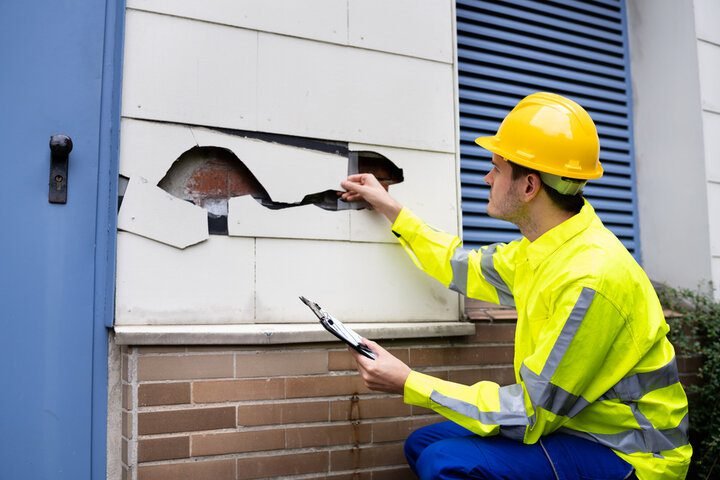
A comprehensive on-site damage assessment is the foundation of effective property restoration. In Colorado mountain environments, hidden damage is common due to insulation layers, crawl spaces, and complex rooflines designed for heavy snow loads. A superficial inspection can overlook serious underlying issues.
After initial stabilization, restoration professionals conduct a detailed evaluation of the affected areas. This process involves identifying the source of damage, determining how far it has spread, and assessing potential structural or safety concerns. In Breckenridge and surrounding communities, freeze-thaw cycles often cause water to travel behind walls and beneath flooring.
Key elements of a professional damage assessment include:
- Moisture mapping using specialized detection equipment
- Thermal imaging to locate hidden water behind walls
- Evaluation of structural framing and subfloor integrity
- Inspection for smoke, soot, or odor penetration
- Assessment for mold growth or contamination
Thorough assessments are especially important in multi-story homes in Frisco or large commercial buildings in Silverthorne. Water from an upstairs bathroom leak can migrate through ceilings and into electrical systems below. Without professional detection tools, this secondary damage may remain undetected until it becomes a larger issue.
In fire damage situations, professionals examine not only burned materials but also smoke-affected areas throughout the property. Smoke can travel through HVAC systems and settle in insulation, leading to persistent odors and corrosion if not addressed properly.
A detailed damage assessment also helps:
- Define a clear scope of work
- Establish accurate cost estimates
- Prevent incomplete restoration
- Provide documentation for insurance claims
For property owners in Summit County, working with a local restoration company familiar with mountain construction methods ensures nothing is overlooked. From log homes in Keystone to mixed-use commercial buildings in Dillon, each property type requires careful, informed evaluation.
Prioritizing Safety in Mountain Conditions
Safety must remain the top priority during any property damage emergency response. In high-elevation communities like Breckenridge and Vail, additional environmental factors such as snow, ice, and altitude create unique risks during restoration efforts.
Immediately following a water or fire event, hazards may include electrical dangers, weakened structures, slippery surfaces, and compromised air quality. Property owners should avoid entering severely damaged areas until they are cleared by trained professionals. Even minor-looking damage can conceal significant structural instability.
Important safety considerations include:
- Avoiding contact with standing water that may be electrically charged
- Wearing protective gear when exposed to soot or debris
- Staying clear of sagging ceilings or warped floors
- Ensuring proper ventilation in smoke-affected spaces
- Keeping children and pets away from damaged areas
Mountain weather adds another layer of complexity. During winter in Silverthorne or Dillon, icy walkways and snow-covered roofs can increase the risk of slips and falls. Heavy snow accumulation can also stress fire-damaged structures, increasing the likelihood of collapse.
Altitude can also impact emergency response. Equipment must function reliably in colder temperatures, and crews must be prepared for rapidly changing weather conditions. Professional restoration teams serving Summit County are accustomed to working in these environments and take precautions accordingly.
Safety planning should also address indoor air quality. After water damage, elevated humidity can promote mold growth. After fire damage, microscopic soot particles may linger in the air. Professional-grade air scrubbers and containment systems help:
- Reduce airborne contaminants
- Prevent cross-contamination between rooms
- Protect occupants during restoration
- Support healthier indoor environments
By prioritizing safety from the outset, property owners in Frisco, Keystone, and surrounding areas can reduce the risk of secondary injuries or complications during the restoration process.
Coordinating With Insurance Providers Early
Early and clear communication with insurance providers is a best practice that often simplifies the entire restoration process. After a property damage emergency in Breckenridge or elsewhere in Summit County, notifying your insurance company promptly helps initiate the claims process and establishes documentation from the start.
Delays in reporting can sometimes complicate coverage evaluations. As soon as the immediate emergency is stabilized, property owners should contact their insurance carrier to report the loss. Restoration professionals can often assist by providing preliminary documentation and damage summaries.
Best practices for insurance coordination include:
- Reporting the claim as soon as possible
- Documenting visible damage with photos and videos
- Keeping receipts for emergency expenses
- Requesting a copy of your policy coverage details
- Communicating regularly with your adjuster
For homeowners in Dillon or Frisco, understanding the specifics of mountain property policies is important. Some policies may have separate deductibles for water damage, fire damage, or weather-related events. Clear communication helps avoid misunderstandings later.
Rocky Mountain Restore works closely with insurance providers serving Summit County and nearby communities. This collaborative approach helps ensure that restoration plans align with policy requirements while focusing on returning the property to pre-loss condition.
Early coordination benefits property owners by:
- Reducing claim processing delays
- Clarifying coverage expectations
- Minimizing disputes over scope of work
- Supporting accurate cost documentation
For commercial property owners in Silverthorne or Keystone, thorough communication is particularly important due to potential business interruption claims. Providing detailed records of damage and restoration timelines helps support a smoother recovery.
Using Professional Water and Fire Mitigation
Professional mitigation services are essential for controlling damage before full reconstruction begins. In mountain environments like Breckenridge and Vail, water and fire events can escalate quickly without specialized intervention.
Water mitigation involves removing standing water, drying affected materials, and preventing mold growth. Commercial-grade dehumidifiers, air movers, and moisture monitoring equipment ensure that hidden dampness is addressed. Household fans and shop vacuums are rarely sufficient for large-scale water damage.
Core components of professional water mitigation include:
- Rapid water extraction using industrial equipment
- Strategic placement of air movers and dehumidifiers
- Moisture monitoring and daily progress checks
- Removal of unsalvageable materials
- Application of antimicrobial treatments when necessary
Fire mitigation, on the other hand, focuses on stabilizing the property, removing soot, and addressing smoke damage. In homes throughout Frisco or Dillon, smoke can infiltrate porous materials such as upholstery, insulation, and wood beams.
Professional fire mitigation may involve:
- Board-up or roof tarping to secure the structure
- Soot removal from walls and ceilings
- HVAC system cleaning
- Odor neutralization treatments
- Careful cleaning of salvageable contents
In Summit County’s cold climate, immediate mitigation is particularly important after fire suppression efforts, which often involve significant water use. Without rapid drying, secondary water damage and mold growth can develop.
Engaging trained restoration professionals ensures:
- Compliance with industry standards
- Proper containment of affected areas
- Reduced risk of cross-contamination
- Faster transition to reconstruction
For both residential and commercial properties in Keystone, Silverthorne, and surrounding mountain communities, professional mitigation lays the groundwork for a complete and lasting restoration.
Documenting Damage for Accurate Insurance Claims
Thorough documentation is one of the most overlooked yet critical aspects of property damage emergency response. Detailed records support accurate insurance claims and help avoid disputes during the reimbursement process.
Immediately after the incident, property owners should begin capturing photos and videos of visible damage. This documentation should continue throughout mitigation and restoration. In Breckenridge and across Summit County, weather conditions can change quickly, so timely records are essential.
Effective documentation practices include:
- Taking wide-angle and close-up photos of all affected areas
- Recording serial numbers of damaged equipment or appliances
- Creating a written inventory of damaged contents
- Saving communication records with insurers and contractors
- Keeping copies of invoices and work authorizations
Professional restoration companies also maintain detailed logs of moisture readings, equipment placement, and daily progress updates. This information strengthens the claim by providing objective, technical evidence of the damage and the steps taken to restore the property.
For commercial properties in Dillon or Silverthorne, documentation may also include records of lost inventory, operational downtime, and temporary relocation expenses. Organized documentation improves transparency and supports fair claim resolution.
Comprehensive documentation helps:
- Validate the extent of loss
- Support full and accurate reimbursement
- Reduce claim processing delays
- Provide clarity in case of future questions
By combining fast response, detailed assessments, professional mitigation, and accurate documentation, property owners throughout Summit County and nearby Colorado mountain communities can navigate emergencies with greater confidence.
Frequently Asked Questions
How quickly should water damage be addressed in Summit County homes?
Water damage should be addressed immediately, ideally within the first 24 hours. In mountain communities like Breckenridge and Frisco, cold temperatures and hidden moisture can quickly lead to mold growth and structural issues. Rocky Mountain Restore serving Summit County and nearby communities offers rapid response water damage restoration services to help minimize long-term damage and reduce overall repair costs.
What does the water damage restoration process involve?
The water damage restoration process typically includes emergency water extraction, professional drying, moisture monitoring, and necessary repairs. In Summit County homes and businesses, specialized equipment is used to detect hidden moisture behind walls and under floors. Rocky Mountain Restore provides comprehensive water mitigation and restoration services to return properties to pre-loss condition as efficiently as possible.
How is smoke damage cleaned after a fire?
Smoke damage cleanup involves removing soot residues, deodorizing affected areas, and cleaning HVAC systems to prevent lingering odors. In properties throughout Silverthorne, Dillon, and surrounding communities, smoke can travel far beyond the fire source. Rocky Mountain Restore uses professional-grade equipment and techniques to safely clean and restore smoke-damaged materials in both residential and commercial buildings.
Can mold grow after minor water damage?
Yes, mold can begin growing within 24 to 48 hours after even minor water damage if moisture is not properly addressed. In Colorado’s mountain climate, trapped moisture behind insulation or drywall can create ideal conditions for mold. Rocky Mountain Restore serving Summit County provides professional drying and mold remediation services to help protect indoor air quality and structural integrity.
Will my insurance cover fire or water damage restoration?
Insurance coverage depends on the specific terms of your policy and the cause of the damage. Most standard property insurance policies cover sudden and accidental water or fire damage, but exclusions may apply. Rocky Mountain Restore works closely with insurance providers serving Summit County and nearby mountain communities to support clear documentation and a smoother claims process.
How long does property restoration typically take?
The timeline for property restoration varies depending on the extent of the damage. Minor water losses may take a few days to dry and repair, while significant fire or flood damage can require several weeks. Rocky Mountain Restore provides detailed assessments and clear timelines for homeowners and businesses in Breckenridge, Keystone, and surrounding areas.
Is it safe to stay in my home after fire or water damage?
Safety depends on the severity and type of damage. Electrical hazards, structural instability, or poor air quality may make it unsafe to remain in the property. Rocky Mountain Restore serving Summit County evaluates safety conditions carefully and provides guidance to homeowners and business owners about whether temporary relocation is recommended.
Do commercial properties require different restoration approaches?
Yes, commercial restoration often involves larger spaces, specialized equipment, and coordination to minimize business interruption. Properties in Dillon, Silverthorne, and nearby areas may require phased restoration to allow partial operations to continue. Rocky Mountain Restore provides tailored solutions for commercial clients to support both property recovery and operational continuity.