
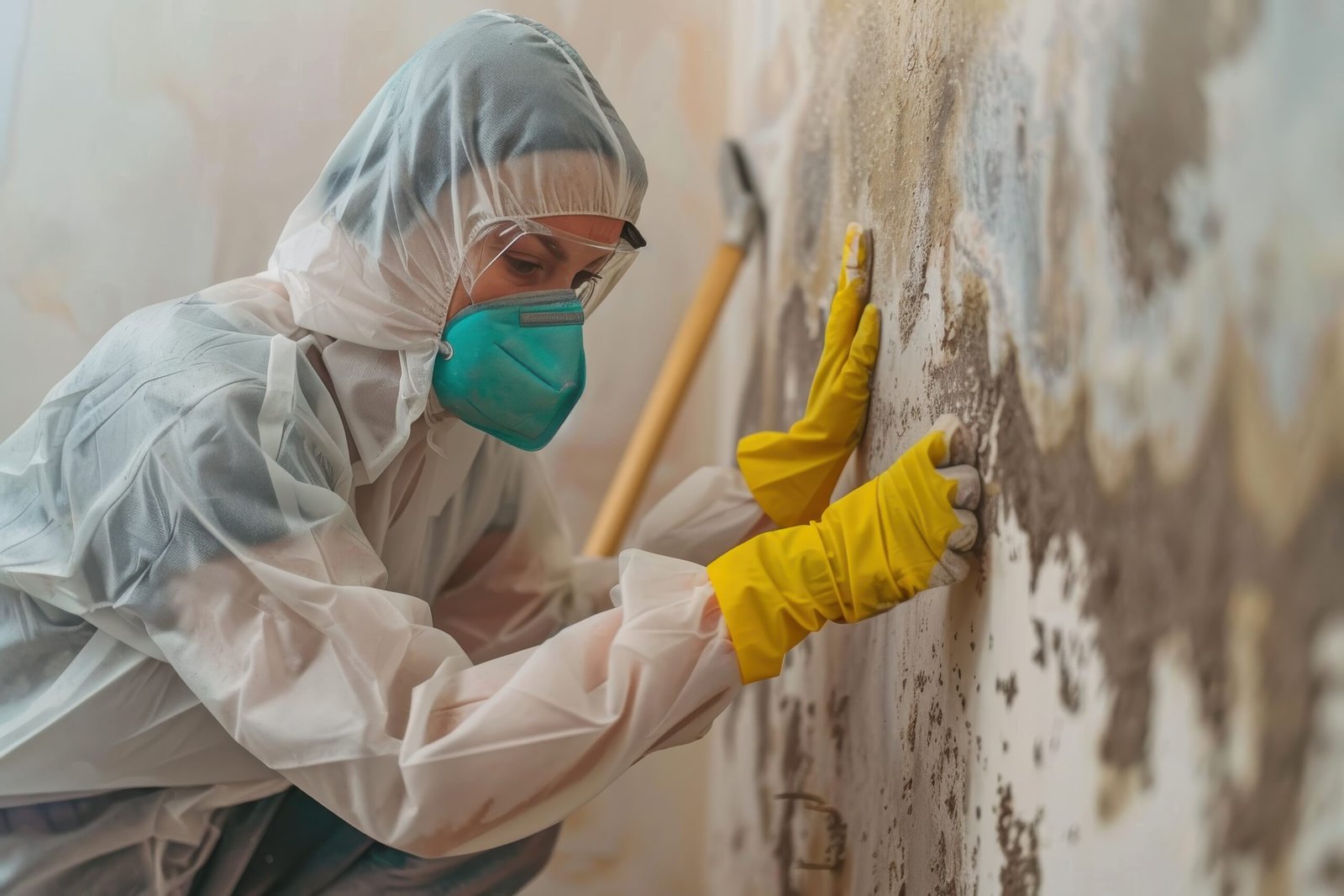
Mold is one of the most common—and most underestimated—problems homeowners face. It can grow quietly behind walls, under flooring, and in damp corners, often going unnoticed until it becomes a serious issue. By the time you see visible mold, the problem may already be widespread.
While some people consider mold a minor nuisance, the reality is far more serious. Mold can damage your property, compromise indoor air quality, and pose significant health risks to you and your family. That’s why understanding how to identify mold early and knowing when to call professionals is critical.
In this comprehensive guide, we’ll cover everything you need to know about mold remediation, including the signs of mold, associated risks, and why professional removal is the safest and most effective solution.
1. Understanding Mold: What It Is and Why It Grows
What Is Mold?
Mold is a type of fungus that thrives in moist, warm environments. It reproduces by releasing microscopic spores into the air, which can settle on surfaces and begin growing when conditions are right.
Mold is naturally present in the environment, but problems arise when it starts growing indoors in large quantities.
Common Causes of Mold Growth
Mold growth is almost always linked to moisture problems. Some of the most common causes include:
- Water leaks from pipes or roofs
- Flooding or water damage
- High indoor humidity levels
- Poor ventilation in bathrooms and kitchens
- Damp basements or crawl spaces
Even small amounts of moisture can create ideal conditions for mold to develop within 24 to 48 hours.
Where Mold Commonly Grows
Mold can grow almost anywhere, but it is most often found in:
- Bathrooms and kitchens
- Basements and crawl spaces
- Attics with poor ventilation
- Behind drywall and wallpaper
- Under carpets and flooring
- Inside HVAC systems
Because mold often grows in hidden areas, it can spread extensively before being detected.
2. Signs of Mold: How to Identify the Problem Early
Recognizing mold early is key to preventing extensive damage and costly repairs.
Visible Signs of Mold
The most obvious sign is visible growth, which may appear as:
- Black, green, or white spots
- Fuzzy or slimy patches
- Discoloration on walls, ceilings, or floors
However, visible mold is often just the tip of the iceberg.
Musty Odor
A persistent, musty smell is a strong indicator of hidden mold. Even if you can’t see it, mold may be growing behind walls or under flooring.
Water Damage or Stains
Look for:
- Water stains on ceilings or walls
- Peeling paint or wallpaper
- Warped or bubbling surfaces
These signs often indicate moisture problems that can lead to mold growth.
Health Symptoms
Mold exposure can cause a variety of health issues, including:
- Sneezing and coughing
- Nasal congestion
- Skin irritation
- Eye irritation
- Worsening asthma symptoms
If symptoms improve when you leave the house, mold may be the cause.
Increased Humidity
If your home feels damp or humid, it creates an ideal environment for mold. Indoor humidity levels should ideally stay below 50%.
3. Health Risks Associated With Mold Exposure
Mold isn’t just a cosmetic problem—it can have serious health consequences.
Respiratory Issues
Mold spores can irritate the respiratory system, leading to:
- Chronic coughing
- Wheezing
- Shortness of breath
People with asthma or allergies are particularly vulnerable.
Allergic Reactions
Common allergic reactions include:
- Runny nose
- Red or itchy eyes
- Skin rashes
Even individuals without prior allergies can develop sensitivities over time.
Toxic Mold Concerns
Certain types of mold, such as black mold, can produce mycotoxins that may lead to more severe health issues with prolonged exposure.
Vulnerable Groups
Some individuals are more at risk, including:
- Children
- Elderly individuals
- People with weakened immune systems
- Individuals with respiratory conditions
Long-Term Effects
Prolonged exposure to mold can lead to chronic health problems, making early detection and removal essential.
4. Property Damage Caused by Mold
Mold doesn’t just affect your health—it can also cause significant damage to your home.
Structural Damage
Mold can weaken building materials such as:
- Drywall
- Wood framing
- Insulation
Over time, this can compromise the structural integrity of your home.
Damage to Personal Belongings
Mold can ruin:
- Furniture
- Clothing
- Carpets
- Books and documents
In many cases, contaminated items must be discarded.
Reduced Property Value
A history of mold problems can significantly lower your home’s value and make it harder to sell.
Spread of Damage
Because mold spreads quickly, a small issue can escalate into a major problem if not addressed promptly.
5. DIY Mold Removal vs Professional Remediation
Many homeowners attempt to handle mold themselves—but this approach often falls short.
Limitations of DIY Removal
DIY methods typically involve:
- Bleach or household cleaners
- Scrubbing visible mold
- Temporary fixes
However, these methods:
- Don’t eliminate mold at the source
- Can spread spores to other areas
- May worsen the problem
When DIY Might Work
Small, surface-level mold (less than 10 square feet) may be manageable with proper precautions.
Risks of DIY Mold Removal
- Exposure to harmful spores
- Incomplete removal
- Hidden mold left untreated
- Recurring mold growth
Why Professional Remediation Is Better
Professional mold remediation ensures:
- Complete removal of mold
- Identification of moisture sources
- Prevention of future growth
6. The Professional Mold Remediation Process
Understanding how professionals handle mold can help you appreciate the value of expert services.
1. Inspection and Assessment
- Identifying affected areas
- Determining the extent of contamination
- Locating moisture sources
2. Containment
- Sealing off affected areas
- Preventing mold from spreading
3. Air Filtration
- Using HEPA filters to remove airborne spores
- Improving indoor air quality
4. Mold Removal
- Removing contaminated materials
- Cleaning affected surfaces
5. Cleaning and Sanitization
- Disinfecting areas
- Eliminating odors
6. Restoration
- Repairing or replacing damaged materials
- Restoring your home to its original condition
7. Why Professional Mold Removal Is Essential
Hiring professionals isn’t just a convenience—it’s a necessity for effective mold remediation.
Expertise and Experience
Professionals understand:
- Mold behavior
- Proper removal techniques
- Safety protocols
Advanced Equipment
They use specialized tools such as:
- HEPA vacuums
- Air scrubbers
- Moisture meters
Long-Term Prevention
Professionals don’t just remove mold—they address the root cause to prevent recurrence.
Health and Safety
Proper handling minimizes exposure to harmful spores.
8. Preventing Mold Growth in the Future
Once mold is removed, prevention becomes your top priority.
Control Moisture
- Fix leaks immediately
- Use dehumidifiers
- Maintain proper drainage
Improve Ventilation
- Use exhaust fans in bathrooms and kitchens
- Ensure proper airflow
Monitor Humidity Levels
Keep indoor humidity below 50%.
Regular Inspections
Check for signs of water damage or mold regularly.
Quick Response to Water Damage
Address spills, leaks, and flooding immediately to prevent mold growth.
Final Thoughts
Mold may seem like a small issue at first, but it can quickly turn into a serious problem affecting both your health and your home. Recognizing the signs early, understanding the risks, and taking the right steps are essential to protecting your property.
While DIY methods may offer temporary relief, they rarely address the root of the problem. Professional mold remediation provides a comprehensive solution that ensures complete removal and long-term prevention.
Key Takeaways
- Mold thrives in moist environments and can grow quickly
- Early detection is crucial to minimizing damage
- Mold exposure can cause serious health issues
- DIY removal is often ineffective and risky
- Professional remediation ensures safe and thorough results
If you suspect mold in your home, don’t wait. Acting quickly can save you time, money, and stress—while protecting your health and your investment.