
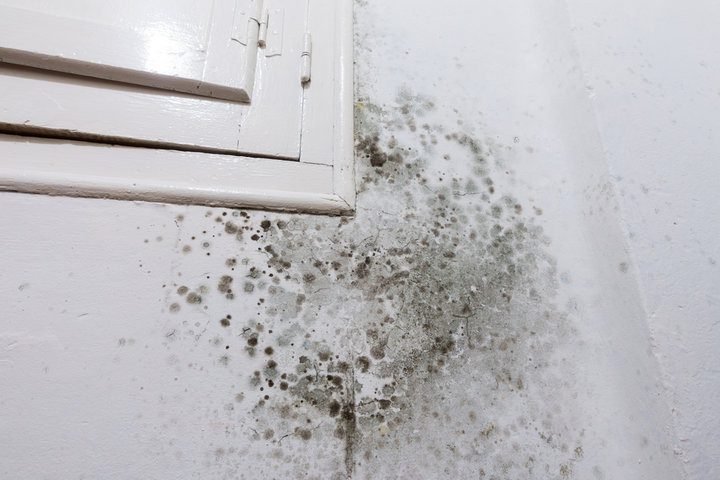
Water damage can happen quickly in Colorado’s mountain communities. A frozen pipe in Breckenridge, a roof leak after heavy snow in Frisco, or a malfunctioning sprinkler system in a Silverthorne commercial building can all introduce significant moisture into a property in a matter of minutes. What many property owners don’t realize is that the visible water is only part of the problem. Hidden moisture can remain trapped behind walls, under floors, and inside insulation long after surfaces appear dry.
That’s where moisture mapping plays a critical role. Moisture mapping is a professional assessment process that identifies and documents the presence of water throughout a structure. By using advanced tools and detailed inspection techniques, restoration professionals can create a visual and data-driven map of affected areas. This process guides every step of the water damage restoration process.
Rocky Mountain Restore, based in Breckenridge, Colorado, provides residential and commercial water damage restoration services throughout Summit County and nearby mountain communities, including Silverthorne, Dillon, Frisco, Keystone, Vail, and surrounding areas. In this article, we’ll explain how moisture mapping works, why it’s essential in mountain climates, and how it protects homes and businesses from long-term damage.
Why Moisture Mapping Matters After Water Damage
When water damage occurs, time is critical. However, acting quickly without accurate information can lead to incomplete drying and costly future repairs. Moisture mapping ensures that restoration begins with a clear understanding of the full extent of damage.
Moisture does not stay in one place. It travels through porous building materials such as drywall, wood framing, insulation, and subflooring. In Summit County’s colder climate, moisture can also become trapped due to temperature differentials between interior and exterior walls. Without professional detection methods, this hidden moisture may go unnoticed.
Moisture mapping matters because it provides:
- A comprehensive assessment of affected materials
- Precise moisture readings with calibrated meters
- Identification of hidden wet areas behind walls and floors
- A documented baseline for monitoring drying progress
In practical terms, this means restoration is targeted and strategic. Instead of guessing which areas need demolition or extended drying, technicians rely on data. For example, in a Dillon home with a burst pipe, visible water may be confined to a finished basement room. However, moisture mapping might reveal elevated readings inside adjacent wall cavities or beneath flooring in nearby rooms.
This approach protects both the structure and the property owner’s investment. By understanding exactly where moisture is present, restoration professionals avoid both under-drying and unnecessary tear-out. The result is a balanced, efficient restoration plan tailored to each property in Breckenridge, Frisco, or surrounding communities.
Detecting Hidden Water in Mountain Homes
Mountain homes in areas like Keystone and Vail face unique challenges. Snow accumulation, ice dams, freeze-thaw cycles, and fluctuating indoor humidity levels can all contribute to complex moisture patterns. In many cases, water damage may develop slowly and remain undetected for weeks or months.
Moisture mapping uses specialized equipment to uncover these hidden issues. Technicians often rely on:
- Non-invasive moisture meters to scan walls and ceilings
- Pin-type meters for precise readings in wood and drywall
- Thermal imaging cameras to detect temperature anomalies
- Hygrometers to measure ambient humidity and dew point
These tools allow professionals to detect moisture that is invisible to the naked eye. For example, a thermal camera may reveal a cool area in a wall cavity behind a bathroom in a Frisco home. That cooler area may indicate evaporative cooling caused by trapped moisture.
In commercial buildings in Silverthorne or Dillon, hidden moisture can accumulate under vinyl flooring, behind cabinetry, or above drop ceilings. Left undetected, this moisture can degrade materials, corrode fasteners, and create conditions conducive to mold growth.
Mountain construction methods also influence how moisture behaves. Many Summit County properties include complex rooflines, cathedral ceilings, and finished basements. Moisture mapping accounts for these design features and evaluates how water may migrate through interconnected spaces.
Early detection provides several advantages:
- Prevents structural wood rot
- Reduces the likelihood of mold development
- Minimizes demolition and reconstruction
- Protects indoor air quality
By identifying hidden water early, Rocky Mountain Restore helps homeowners and business owners address problems before they escalate into larger structural or health concerns.
How Mapping Speeds Up Drying and Repairs Faster
One of the biggest misconceptions about water damage restoration is that drying simply involves placing fans in a room. In reality, effective structural drying is a controlled scientific process guided by moisture data.
Moisture mapping establishes a starting point. Technicians record readings from affected materials and create a drying plan based on those measurements. This plan may include targeted placement of air movers, dehumidifiers, and specialized drying systems.
Data-driven drying offers several key benefits:
- Equipment is positioned exactly where it is needed
- Drying goals are clearly defined and measurable
- Progress is monitored daily with updated readings
- Drying time is often reduced compared to guesswork methods
For example, in a Breckenridge property within the 80424 area, a washing machine supply line failure may saturate flooring and lower drywall. Instead of removing all flooring throughout the level, moisture mapping can determine the exact boundary of saturation. Equipment is then focused on those areas, accelerating the drying process while minimizing disruption.
Faster drying is especially important in Colorado’s mountain climate. Cold outdoor temperatures can slow evaporation, and tightly sealed buildings can trap humidity indoors. Without careful monitoring, moisture may linger even when surfaces feel dry to the touch.
Moisture mapping also prevents over-drying. Excessive heat or prolonged equipment use can damage hardwood floors or cause cracking in certain materials. By tracking moisture content and comparing it to industry standards for dry materials, restoration professionals know precisely when a structure has returned to acceptable levels.
This scientific approach not only restores properties faster in Frisco, Keystone, and surrounding communities but also helps property owners return to normal life and business operations sooner.
Preventing Mold Growth with Accurate Data
Mold growth is one of the most serious risks associated with water damage. In many cases, mold can begin developing within 24 to 48 hours when moisture and organic materials are present.
Accurate moisture mapping significantly reduces the risk of mold by ensuring that no damp areas are overlooked. Mold often grows in concealed spaces, such as:
- Behind baseboards and trim
- Inside wall cavities
- Beneath carpet padding
- Around window and door framing
In mountain communities like Silverthorne and Dillon, condensation from temperature differences can add to existing moisture problems. If a wet wall cavity is not fully dried, mold spores may colonize insulation and framing lumber.
Moisture mapping helps prevent this by:
- Identifying all affected materials early
- Confirming complete drying before reconstruction
- Documenting moisture levels to verify safe conditions
- Supporting targeted mold remediation when needed
When mold is already present, mapping helps define the scope of contamination. Restoration professionals can isolate affected areas, remove damaged materials safely, and ensure adjacent spaces are dry and stable.
Rocky Mountain Restore provides mold remediation services throughout Summit County and nearby mountain communities. By integrating moisture mapping into every water damage project, the team reduces the likelihood of secondary mold issues and protects indoor air quality for both residential and commercial properties.
Supporting Insurance Claims with Clear Reports
Water damage restoration often involves insurance claims. Clear documentation is essential to demonstrate the extent of damage and justify the scope of work.
Moisture mapping creates objective, measurable evidence. Technicians record moisture readings, capture thermal images, and produce written reports that outline affected areas. This documentation can be shared with insurance adjusters to support the claim process.
Comprehensive reporting typically includes:
- Initial moisture readings by material and location
- Photographs of visible damage
- Thermal imaging results
- Daily drying logs and final clearance readings
For a commercial property in Frisco within the 80443 area, this level of detail may be especially important. Business interruptions, tenant spaces, and high-value finishes require clear justification for repairs and downtime.
Accurate data helps:
- Reduce disputes about the extent of damage
- Demonstrate the need for specific drying or demolition steps
- Provide proof of completed drying
- Streamline communication between property owners and insurers
Rocky Mountain Restore works closely with property owners and insurance providers across Breckenridge, Silverthorne, Dillon, Keystone, and surrounding areas. By providing transparent reports and detailed moisture maps, the company helps simplify what can otherwise be a complex and stressful process.
Protecting Summit County Properties Thoroughly
Summit County’s mountain environment presents unique restoration challenges. Heavy snowfall, ice dams, spring melt, and seasonal storms all increase the risk of water intrusion. In addition, many homes serve as vacation properties and may be unoccupied for extended periods, allowing water damage to go unnoticed.
Moisture mapping provides an added layer of protection for these properties. Whether responding to a sudden pipe burst in Vail or a slow roof leak in Keystone, a detailed moisture assessment ensures no area is overlooked.
Thorough protection includes:
- Evaluating both obvious and adjacent areas for migration
- Assessing structural framing and subfloors
- Inspecting crawl spaces and attics
- Monitoring humidity levels throughout the drying process
In residential settings, this helps preserve flooring, cabinetry, drywall, and personal belongings. In commercial buildings, it protects inventory, equipment, and tenant spaces. The goal is not just to remove water, but to restore the entire environment safely and completely.
Rocky Mountain Restore is based in Breckenridge and serves homeowners and businesses throughout Summit County and nearby Colorado mountain communities. With experience in water damage restoration, fire and smoke cleanup, mold remediation, and insurance restoration, the team understands how local climate conditions affect building materials.
By integrating moisture mapping into every water damage response, the company delivers:
- Data-driven decision-making
- Efficient and focused drying
- Reduced risk of future mold or structural issues
- Clear documentation for peace of mind
Moisture mapping is more than a technical step. It is the foundation of responsible, thorough restoration in mountain communities where hidden moisture can quickly become a serious problem. For property owners in Breckenridge, Silverthorne, Dillon, Frisco, Keystone, Vail, and surrounding areas, this approach helps ensure their homes and businesses are truly dry, safe, and ready for the future.
Frequently Asked Questions
What is moisture mapping in water damage restoration?
Moisture mapping is a professional process used to detect, measure, and document water intrusion within a property. Using moisture meters, thermal imaging cameras, and humidity readings, restoration professionals identify both visible and hidden moisture. Rocky Mountain Restore serving Summit County and nearby communities uses moisture mapping to guide drying, prevent mold, and ensure complete restoration after water damage.
How long does water damage restoration take in mountain homes?
The timeline depends on the extent of damage, the materials involved, and environmental conditions. In Colorado mountain communities like Breckenridge and Frisco, colder temperatures and lower humidity can affect drying times. Most standard water damage projects take several days for drying, followed by repairs, but accurate moisture mapping helps ensure the process moves efficiently and safely.
Can hidden moisture cause mold even if surfaces look dry?
Yes, hidden moisture behind walls, under floors, or in insulation can lead to mold growth even when surfaces appear dry. Mold can begin developing within 24 to 48 hours under the right conditions. Rocky Mountain Restore serving Summit County uses moisture mapping and professional drying methods to locate and eliminate hidden damp areas before mold becomes a larger issue.
Will my insurance cover moisture mapping and water damage restoration?
Coverage depends on your individual policy and the cause of the water damage. In many cases, sudden and accidental water damage is covered. Detailed moisture mapping reports provided by Rocky Mountain Restore help document the extent of damage and support the insurance claims process for property owners in Dillon, Silverthorne, Keystone, and surrounding areas.
Do commercial properties in Summit County need moisture mapping too?
Yes, commercial properties benefit significantly from moisture mapping. Offices, retail spaces, restaurants, and lodging properties in areas like Vail and Frisco often have complex layouts and high-value finishes. Moisture mapping ensures all affected areas are identified, minimizing business interruption and helping restore operations efficiently.
What equipment is used during moisture mapping?
Professionals use a combination of non-invasive moisture meters, pin-type meters, thermal imaging cameras, and hygrometers. These tools allow technicians to detect moisture inside walls, ceilings, and flooring without unnecessary demolition. Rocky Mountain Restore uses advanced equipment to accurately assess properties throughout Summit County and nearby mountain communities.
How does moisture mapping help prevent structural damage?
By identifying elevated moisture levels early, technicians can dry materials before wood rot, warping, or deterioration occurs. Structural framing, subfloors, and support components are carefully evaluated during the mapping process. This proactive approach helps protect the long-term integrity of homes and commercial buildings in Colorado’s mountain climate.
Is moisture mapping important after fire damage as well?
Yes, moisture mapping is also important after fire damage because water is often used to extinguish the fire. Hidden moisture from firefighting efforts can remain inside walls and flooring. Rocky Mountain Restore serving Breckenridge and surrounding Summit County communities integrates moisture detection into fire and smoke damage cleanup to ensure properties are fully dried and restored.