
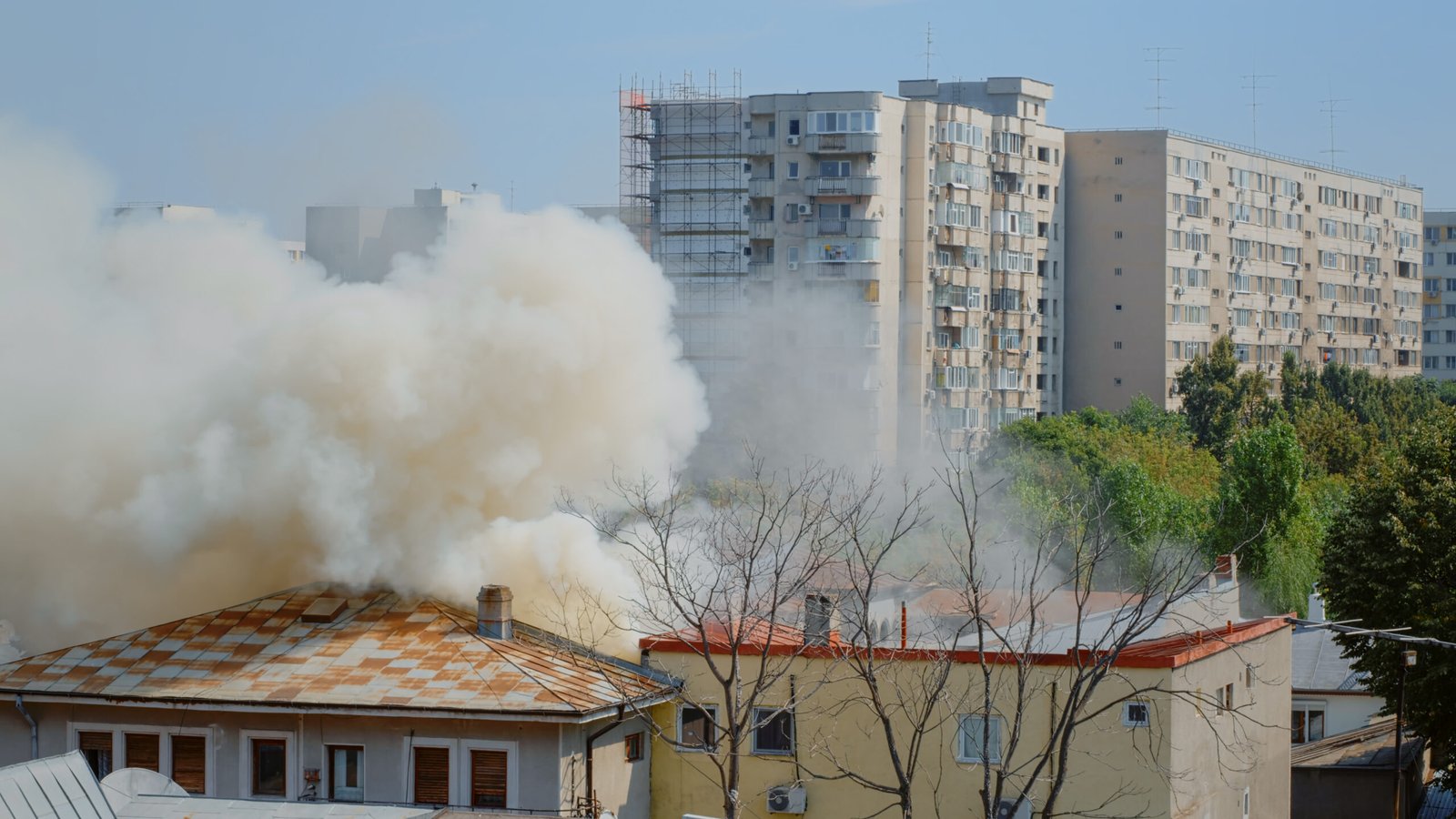
A house fire is one of the most devastating events a homeowner can experience. Beyond the immediate danger, the aftermath often brings confusion, stress, and uncertainty about what to do next. Even a small fire can cause extensive damage—not just from flames, but also from smoke, soot, and water used to extinguish the fire.
Knowing the right steps to take immediately after a fire can make a significant difference in protecting your property, ensuring your safety, and speeding up the recovery process. Acting quickly and correctly can also reduce long-term damage and restoration costs.
In this comprehensive guide, we’ll walk you through everything you need to do immediately after a fire, along with expert insights into fire and smoke damage restoration.
1. Ensure Safety First: Protect Yourself and Your Family
Immediate Priorities After a Fire
Once the fire has been extinguished, your first concern should always be safety. Even if the flames are out, the property may still pose serious risks.
Potential Hazards to Watch For
- Structural instability (weakened walls, ceilings, or floors)
- Electrical hazards from damaged wiring
- Gas leaks or compromised pipelines
- Toxic smoke and airborne particles
- Hot spots that could reignite
What You Should Do
- Wait for clearance from the fire department before re-entering
- Wear protective gear if entry is allowed (mask, gloves, sturdy shoes)
- Keep children and pets away from the property
- Avoid touching damaged surfaces or equipment
Why Safety Matters
Many injuries occur after the fire, during cleanup or inspection. Taking precautions ensures you don’t turn a bad situation into a worse one.
2. Contact Emergency Services and Your Insurance Company
Notify Key Parties Immediately
After ensuring safety, the next step is to begin the recovery process by contacting the necessary authorities and support systems.
Who to Call
- Your insurance provider
- A professional restoration company
- Utility companies (if needed)
Filing an Insurance Claim
Start your claim as soon as possible. Early reporting helps:
- Speed up the claims process
- Ensure proper documentation
- Reduce delays in restoration
Documentation Tips
- Take photos and videos of all damage
- Make a list of damaged belongings
- Keep receipts for temporary expenses (hotel, food, clothing)
Why This Step Is Crucial
Delays in reporting can complicate your claim and slow down restoration efforts. Insurance companies often require immediate notification to process claims efficiently.
3. Secure the Property to Prevent Further Damage
Why Securing Your Home Is Essential
After a fire, your property may be exposed to additional risks such as weather damage, theft, or vandalism.
Common Protective Measures
- Boarding up broken windows and doors
- Tarping damaged roofs
- Installing temporary fencing if needed
Water Damage Consideration
Firefighting efforts often leave behind large amounts of water, which can lead to:
- Mold growth
- Structural weakening
- Further damage to belongings
Professional Help
Restoration professionals can quickly secure your property and begin mitigation to prevent secondary damage.
4. Understand the Extent of Fire, Smoke, and Soot Damage
Fire Damage Is Only Part of the Problem
Many homeowners focus on visible fire damage, but smoke and soot can be just as destructive.
Types of Damage
Fire Damage
- Burned structures and materials
- Charred surfaces
- Structural weakening
Smoke Damage
- Lingering odors
- Discoloration of walls and ceilings
- Penetration into fabrics and furniture
Soot Damage
- Acidic residue that corrodes surfaces
- Staining on walls, ceilings, and belongings
- Damage to electronics and appliances
Hidden Damage Risks
Smoke particles can infiltrate:
- HVAC systems
- Insulation
- Behind walls and ceilings
Why Assessment Matters
A thorough inspection ensures all damage is identified and addressed, preventing long-term issues.
5. Avoid Common Mistakes After a Fire
What NOT to Do
In the aftermath of a fire, it’s easy to make decisions that can worsen the situation.
Common Mistakes
- Attempting DIY cleanup without proper equipment
- Using household cleaners on soot (can spread damage)
- Turning on electrical systems without inspection
- Discarding items before documenting them for insurance
- Delaying professional restoration
Why These Mistakes Matter
Improper actions can:
- Increase restoration costs
- Void insurance claims
- Cause permanent damage
6. The Fire and Smoke Damage Restoration Process
Step-by-Step Restoration Overview
Professional restoration involves several critical stages:
1. Emergency Response and Inspection
- Immediate assessment of damage
- Identifying safety hazards
- Creating a restoration plan
2. Securing the Property
- Boarding and tarping
- Stabilizing the structure
3. Water Removal and Drying
- Extracting standing water
- Using industrial dehumidifiers
- Preventing mold growth
4. Soot and Smoke Removal
- Cleaning walls, ceilings, and surfaces
- Using specialized equipment for deep cleaning
- Removing odor-causing particles
5. Cleaning and Sanitizing
- Cleaning personal belongings
- Disinfecting affected areas
- Eliminating harmful contaminants
6. Restoration and Repairs
- Rebuilding damaged structures
- Replacing drywall, flooring, and fixtures
- Restoring the property to its original condition
Timeline Expectations
Depending on the severity, restoration can take anywhere from a few days to several weeks.
7. Why Professional Restoration Services Are Essential
The Limits of DIY Cleanup
While it may be tempting to handle cleanup yourself, fire damage restoration requires specialized skills and equipment.
Benefits of Hiring Professionals
- Advanced tools and techniques
- Proper handling of hazardous materials
- Faster and more efficient restoration
- Assistance with insurance claims
Expertise Matters
Certified technicians understand how to:
- Remove soot without spreading it
- Eliminate smoke odors completely
- Restore both visible and hidden damage
8. Dealing With Smoke Odor and Air Quality
The Lingering Problem
Even after visible damage is cleaned, smoke odor can persist.
Why Smoke Odor Is Hard to Remove
Smoke particles penetrate:
- Upholstery
- Carpets
- Walls and ceilings
- Air ducts
Professional Solutions
- Air scrubbers
- Ozone treatments
- Thermal fogging
Health Considerations
Poor air quality can lead to:
- Respiratory issues
- Allergies
- Long-term health risks
9. Preventing Future Fire Damage
Learn From the Experience
After restoration, it’s important to take steps to reduce the risk of future fires.
Fire Prevention Tips
- Install and maintain smoke detectors
- Keep fire extinguishers accessible
- Avoid overloading electrical outlets
- Regularly inspect heating systems
- Practice fire escape plans
Safety Upgrades
Consider adding:
- Fire-resistant materials
- Smart smoke detection systems
- Automatic sprinkler systems
10. Emotional Recovery and Moving Forward
The Emotional Impact
A house fire isn’t just a physical loss—it’s an emotional one.
Common Feelings
- Stress
- Anxiety
- Loss
Coping Strategies
- Seek support from family and friends
- Work with professionals to ease the process
- Focus on rebuilding and recovery
Final Thoughts
Fire and smoke damage restoration is a complex process that requires immediate action, careful planning, and professional expertise. Knowing what to do right after a fire can significantly reduce damage, speed up recovery, and protect your investment.
Key Takeaways
- Always prioritize safety before anything else
- Contact your insurance company immediately
- Secure your property to prevent further damage
- Avoid DIY mistakes that can worsen the situation
- Hire professional restoration experts for effective recovery
With the right approach and support, you can recover from a fire and restore your home to its original condition—or even better.