Property managers in Colorado’s mountain communities face unique challenges when disaster strikes. From frozen pipes in Breckenridge to smoke damage in a commercial property in Silverthorne, insurance restoration can quickly become complex and time-sensitive. Understanding how to navigate the insurance restoration process efficiently can protect your property, tenants, and bottom line.
Rocky Mountain Restore is a locally trusted restoration company based in Summit County, Colorado. Serving Breckenridge, Frisco, Dillon, Silverthorne, Keystone, Vail, and surrounding mountain communities, the team specializes in water damage restoration, fire and smoke cleanup, mold remediation, and insurance-supported restoration services for residential and commercial properties. The following guide provides in-depth insurance restoration tips specifically for property managers operating in high-altitude environments.
Understanding Insurance Restoration Basics
Insurance restoration refers to the process of repairing and restoring a property after damage caused by covered events such as water leaks, fire, smoke, storms, or mold growth. For property managers, this process often involves coordinating between tenants, ownership groups, insurance carriers, and restoration contractors. A clear understanding of policy terms and restoration timelines is essential to minimize financial disruption and liability.
In Summit County and nearby mountain communities, insurance restoration frequently involves weather-related incidents. Heavy snowfall, ice dams, burst pipes, and wildfire smoke can all trigger claims. Property managers must be familiar with what is typically covered under commercial property policies versus landlord or HOA policies, especially in mixed-use or multi-unit buildings.
Key elements of insurance restoration include:
- Timely mitigation to prevent further damage
- Accurate documentation of the loss
- Clear communication with insurance adjusters
- Professional restoration services aligned with policy guidelines
- Compliance with local building codes and mountain climate standards
Understanding deductibles, coverage limits, exclusions, and depreciation calculations is equally important. Many policies differentiate between replacement cost value and actual cash value. In a mountain market like Breckenridge or Keystone, where building materials and labor costs can be higher, knowing how your policy applies can significantly impact recovery costs.
Property managers who proactively review policies before an incident occurs are better prepared. Establishing a relationship with a reputable restoration contractor such as Rocky Mountain Restore in advance can streamline response and reduce confusion when damage happens.
Documenting Damage for Faster Claim Processing
Thorough documentation is one of the most critical factors in speeding up insurance claim approval. When water damage or fire occurs in a property in Frisco or Dillon, insurance carriers rely heavily on evidence to assess the scope and cause of loss. Inadequate documentation can lead to delays, disputes, or reduced payouts.
Immediately after ensuring safety, property managers should begin recording details of the damage. This includes photographs, videos, written descriptions, and timestamps. Capturing the condition of affected areas before cleanup begins is especially important.
Best practices for documentation include:
- Photographing all affected rooms from multiple angles
- Taking close-up images of damaged materials and contents
- Recording visible moisture, staining, or smoke residue
- Logging the date and time of discovery
- Preserving damaged components when safe to do so
In mountain climates, secondary damage can occur rapidly due to freezing temperatures or fluctuating humidity. For example, a small water leak in Silverthorne can freeze overnight, expanding damage within walls and ceilings. Documenting these environmental conditions helps clarify the cause and progression of the issue.
Professional restoration teams like Rocky Mountain Restore provide detailed moisture readings, thermal imaging reports, and written assessments. These professional reports often carry significant weight with adjusters and can accelerate claim review. When property managers supply organized documentation upfront, adjusters can process claims more efficiently, reducing downtime for tenants and business operations.
Coordinating With Adjusters and Contractors
Insurance restoration involves collaboration. Property managers must act as the central communication hub between insurance adjusters, restoration contractors, property owners, and tenants. Clear coordination reduces misunderstandings and keeps projects moving forward.
Once a claim is filed, the insurance company assigns an adjuster to evaluate the damage. It is beneficial for the restoration contractor to meet the adjuster onsite. In communities like Breckenridge and Vail, where construction standards and building codes may vary due to elevation and snow loads, having a knowledgeable local contractor present ensures accurate scope assessment.
Effective coordination strategies include:
- Scheduling joint inspections with adjusters and contractors
- Providing all documentation before the site visit
- Reviewing the adjuster’s scope of work carefully
- Clarifying discrepancies early in the process
- Keeping written records of all approvals and changes
Mountain properties often feature unique materials such as natural wood finishes, specialty insulation, and radiant heating systems. An experienced restoration team familiar with Summit County construction can identify hidden damage that may otherwise be overlooked.
Rocky Mountain Restore works closely with insurance carriers while advocating for thorough, code-compliant repairs. Their experience with both residential and commercial buildings throughout Summit County helps property managers feel confident that restoration plans reflect the true extent of damage.
Managing Tenant Communication After Loss
After a water or fire incident, tenants look to property managers for reassurance and direction. Effective communication reduces confusion, protects tenant relationships, and helps prevent liability issues. In multi-unit properties in Dillon or Frisco, clear updates are especially critical.
Immediately following a loss, property managers should inform tenants about safety protocols, expected timelines, and temporary accommodations if necessary. Transparency builds trust and minimizes frustration during disruptions.
Important communication steps include:
- Notifying tenants of affected areas and safety precautions
- Providing contact information for restoration representatives
- Sharing anticipated restoration timelines
- Explaining access requirements for inspections and repairs
- Offering guidance on renter’s insurance claims if applicable
In mountain climates, displacement can be more complicated during peak ski season or winter months. Coordinating restoration work efficiently helps reduce vacancy loss and tenant inconvenience.
Working with a responsive restoration provider serving Summit County and surrounding areas ensures that mitigation begins promptly. When Rocky Mountain Restore performs water extraction, smoke cleanup, or mold remediation, property managers can confidently update tenants with accurate progress reports.
Navigating Water and Fire Damage Insurance Claims
Water and fire damage claims are among the most common and complex restoration cases in Colorado mountain communities. Each type of loss presents unique challenges, from frozen pipe bursts in Keystone to wildfire smoke infiltration near Vail.
Water damage claims often hinge on identifying the source. Sudden pipe bursts are typically covered, while long-term leaks may be excluded. Immediate mitigation is essential to demonstrate that the property manager acted responsibly to limit damage.
Key considerations for water damage claims:
- Identify and stop the source quickly
- Begin water extraction and drying immediately
- Use professional moisture detection tools
- Document structural drying progress
- Monitor for potential mold development
Fire damage claims extend beyond visible burns. Smoke residue, soot contamination, and odor infiltration can affect HVAC systems, insulation, and structural components. In high-altitude environments, smoke can travel through ventilation systems more extensively due to pressure differences.
Fire claim management tips include:
- Securing the property to prevent further loss
- Conducting detailed soot and smoke assessments
- Documenting all affected contents
- Coordinating contents cleaning and storage
- Confirming compliance with local fire codes during rebuilding
Rocky Mountain Restore provides comprehensive water damage restoration, fire and smoke cleanup, and mold remediation services throughout Summit County. Their familiarity with mountain-specific challenges allows property managers to navigate insurance requirements confidently while restoring safe, functional spaces.
Preventing Secondary Damage in Mountain Climates
Secondary damage can significantly increase restoration costs and complicate insurance claims. In Colorado’s mountain regions, environmental conditions often accelerate deterioration if mitigation is delayed.
Freezing temperatures can cause standing water to expand within structural materials. Snow accumulation can worsen roof damage after a fire. High-altitude UV exposure may degrade temporary tarping or exposed materials. Preventative action is essential immediately after the initial incident.
Strategies to prevent secondary damage include:
- Rapid water extraction and structural drying
- Temporary roof tarping or board-up services
- Dehumidification and temperature control
- Regular monitoring of moisture levels
- Prompt mold remediation when needed
In Summit County communities like Breckenridge and Silverthorne, fast response can make the difference between minor repairs and extensive reconstruction. Property managers should have an emergency response plan in place that includes contact information for trusted restoration professionals.
Rocky Mountain Restore offers responsive mitigation services throughout Summit County and nearby mountain regions following water damage, fire incidents, mold issues, and severe property emergencies. By addressing damage immediately and implementing preventative measures, property managers can reduce claim costs, protect tenant safety, and maintain property value.
Frequently Asked Questions
How quickly should water damage be addressed in mountain properties?
Water damage should be addressed immediately, ideally within 24 hours, to prevent structural deterioration and mold growth. In high-altitude communities like Breckenridge and Frisco, freezing temperatures can worsen damage quickly. Rocky Mountain Restore serving Summit County and nearby communities provides rapid response water damage restoration to help minimize secondary damage and support insurance claims.
Does insurance typically cover frozen pipe damage in Colorado?
Many property insurance policies cover sudden and accidental pipe bursts caused by freezing, but coverage can vary. Insurance carriers often require proof that reasonable steps were taken to maintain heat and prevent freezing. Rocky Mountain Restore works with property managers throughout Summit County to document frozen pipe damage thoroughly for insurance claim support.
What is included in fire and smoke damage restoration?
Fire and smoke damage restoration typically includes debris removal, soot cleanup, odor neutralization, structural repairs, and contents cleaning. Smoke can penetrate HVAC systems and hidden cavities, requiring specialized equipment. Rocky Mountain Restore serving Breckenridge, Dillon, Silverthorne, and surrounding areas provides comprehensive fire and smoke cleanup tailored to mountain properties.
How do property managers handle mold after water damage?
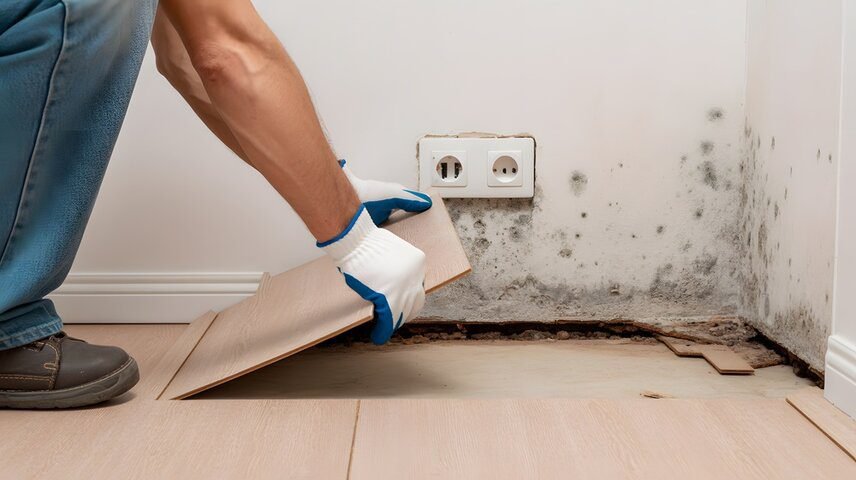
Mold remediation involves identifying moisture sources, containing affected areas, removing contaminated materials, and thoroughly drying the structure. In Colorado mountain climates, mold can develop quickly if drying is delayed. Rocky Mountain Restore offers professional mold remediation services throughout Summit County to help property managers maintain safe and compliant properties.
Should tenants file their own insurance claims after property damage?
Tenants typically need to file claims under their renter’s insurance for personal belongings damaged during a covered event. Property managers should communicate clearly about what the building’s policy covers versus tenant-owned contents. Rocky Mountain Restore can coordinate restoration work while property managers and tenants handle their respective insurance claims.
How long does the insurance restoration process take?
The timeline varies depending on the extent of damage, insurance approval speed, and material availability. Minor water damage may take days to mitigate and weeks to repair, while major fire damage may require several months. Rocky Mountain Restore works closely with adjusters and property managers in Summit County to help streamline the restoration timeline.
What steps help speed up an insurance claim?
Clear documentation, prompt mitigation, and organized communication significantly improve claim processing times. Providing photos, professional reports, and maintenance records can reduce disputes. Rocky Mountain Restore supports property managers throughout Breckenridge and nearby mountain communities with detailed assessments that strengthen insurance claims.
Can commercial properties in Summit County receive the same restoration services as residential properties?
Yes, restoration services are available for both commercial and residential properties. Commercial buildings may require additional coordination to minimize business interruption and comply with safety regulations. Rocky Mountain Restore provides water, fire, mold, and insurance restoration services for offices, retail spaces, HOAs, and multi-family properties across Summit County and surrounding Colorado mountain regions.