
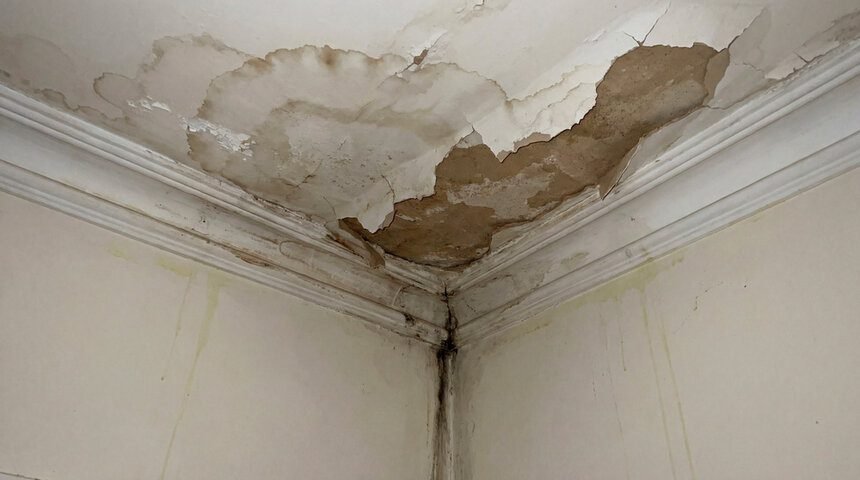
Winter in the Colorado high country is breathtaking. Snow-covered peaks, frozen lakes, and alpine charm define communities like Breckenridge, Silverthorne, Dillon, Frisco, Keystone, and Vail. But for homeowners, winter also brings serious risks. Heavy snowfall, freezing temperatures, and fluctuating mountain weather can quickly turn into costly water damage if homes are not properly protected.
At Rocky Mountain Restore, based in Breckenridge, Colorado, we have helped homeowners and businesses throughout Summit County and surrounding mountain communities recover from winter-related water damage for years. From frozen pipe bursts to ice dam leaks and basement flooding, winter damage is one of the most common and preventable issues we see.
This guide covers practical, proactive steps for winter water damage prevention for homeowners. Whether you own a full-time residence, a rental property, or a seasonal mountain home, understanding how to protect your property can save thousands in repair costs and stress.
Understanding Winter Water Risks at Home
Winter water damage in Colorado mountain communities often happens quietly. Snow accumulation, freezing temperatures, and rapid thaw cycles create conditions where moisture infiltrates homes without immediate detection. By the time stains appear on ceilings or water pools in a basement, significant structural damage may already have occurred.
In Summit County, where elevations exceed 9,000 feet in many areas, extreme temperature swings are common. A sunny afternoon in Frisco can be followed by sub-zero nighttime temperatures. This constant freeze-thaw cycle puts stress on roofing systems, plumbing lines, foundations, and exterior walls.
Common winter water risks include:
- Frozen and burst pipes inside walls or crawl spaces
- Ice dams causing roof and attic leaks
- Snowmelt infiltration around foundations
- Condensation buildup leading to mold growth
- Clogged gutters trapping melting snow
Many homeowners underestimate the speed at which water damage can escalate. A small pipe crack can release hundreds of gallons of water in a single day. Moisture trapped in insulation or drywall can begin fostering mold growth within 24 to 48 hours.
Prevention starts with awareness. Mountain homes face unique challenges compared to properties at lower elevations. Higher snowfall loads, prolonged freezing temperatures, and extended heating system use all contribute to winter vulnerability. Understanding these risks helps homeowners prioritize the right preventive measures.
Seasonal or vacation properties present additional concerns. If a home in Keystone or Dillon sits vacant for extended periods, unnoticed leaks can cause severe structural deterioration. Remote monitoring systems and routine property checks become essential tools in winter protection strategies.
Working with a local restoration and mitigation company like Rocky Mountain Restore provides valuable insight into region-specific risk factors. Our experience across Breckenridge, Silverthorne, and neighboring communities allows us to identify patterns and common problem areas specific to high-altitude homes.
How Freezing Temps Lead to Pipe Bursts Costly
Freezing temperatures are one of the leading causes of winter water damage in Colorado. When water inside pipes freezes, it expands. That expansion increases internal pressure, which can cause pipes to crack or burst, especially in uninsulated or exposed areas.
Pipes most vulnerable to freezing include those located in:
- Exterior walls
- Unheated garages
- Crawl spaces
- Attics
- Under kitchen or bathroom sinks near exterior walls
When temperatures in Summit County drop below freezing for extended periods, pipes can freeze in just a few hours. Once thawing begins, ruptured sections release water rapidly, often before homeowners realize there is a problem.
The most expensive part of pipe bursts is rarely the plumbing repair itself. It is the resulting water damage to drywall, flooring, insulation, cabinetry, and structural framing. In mountain homes with hardwood floors or custom finishes, repair costs can escalate quickly.
To prevent frozen pipes, homeowners should:
- Insulate exposed pipes with foam sleeves or heat tape
- Seal air leaks around plumbing penetrations
- Maintain indoor temperatures above 55°F, even when away
- Open cabinet doors to allow warm air circulation
- Disconnect and drain exterior hoses before winter
Smart thermostats and freeze sensors provide additional protection, especially for second homes in Breckenridge or Silverthorne. These devices send alerts when temperatures drop below safe thresholds, allowing homeowners to act before damage occurs.
If a pipe does freeze, immediate action matters. Turn off the main water supply and contact a restoration professional if a burst occurs. Rocky Mountain Restore provides responsive water damage mitigation throughout Summit County and nearby mountain communities, helping prevent secondary damage such as mold growth or structural weakening.
Protecting Roofs from Ice Dam Damage Winter
Ice dams are a major winter water damage threat in high-elevation areas like Frisco and Vail. They form when heat escapes from a home into the attic, warming the roof surface and melting snow. The melted water flows downward until it reaches the colder roof edge, where it refreezes and creates a dam.
As ice accumulates, it traps water behind it. That water can seep under shingles and penetrate roofing underlayment, leading to interior leaks. Many homeowners first notice ice dam damage as ceiling stains or peeling paint.
Warning signs of ice dam formation include:
- Large icicles hanging from roof edges
- Ice buildup along gutters
- Water stains on ceilings or walls
- Damp attic insulation
- Exterior water dripping during freezing weather
Prevention focuses on three primary areas: insulation, ventilation, and snow management. Proper attic insulation minimizes heat loss from living spaces, reducing uneven roof warming. Adequate ventilation keeps attic temperatures consistent with outside air.
Homeowners should also:
- Clear heavy snow buildup from roof edges when safe
- Keep gutters clean before winter
- Seal attic air leaks around vents and light fixtures
- Schedule professional roof inspections annually
In mountain communities where snowfall can be substantial, roof design and structural load capacity also matter. Excess snow weight combined with water infiltration increases the risk of structural strain.
If water enters your home due to ice damming, immediate drying and moisture mitigation are essential. Rocky Mountain Restore assists homeowners throughout Summit County with water extraction, structural drying, and repairs following winter roof leaks. Prompt action reduces the likelihood of mold growth and long-term structural deterioration.
Basement and Crawl Space Moisture Control
Basements and crawl spaces are especially vulnerable during winter and spring thaw cycles. As snow melts around foundations in Dillon and Silverthorne, water can seep through cracks or poorly sealed joints.
Even homes that appear dry in summer may experience winter moisture issues. Frozen soil can prevent proper drainage, forcing melting snow to pool around foundations. When temperatures fluctuate, expansion and contraction can widen small foundation cracks.
Common moisture warning signs include:
- Musty odors
- Efflorescence on concrete walls
- Damp insulation
- Rusting metal components
- Visible mold spots
Effective prevention strategies include:
- Ensuring proper exterior grading away from foundations
- Installing or maintaining sump pump systems
- Sealing foundation cracks
- Insulating crawl spaces
- Using dehumidifiers where necessary
Crawl spaces in mountain homes require special attention. Exposed plumbing and ductwork can freeze, and poor ventilation can trap moisture. Encapsulation systems may be appropriate for certain properties to reduce humidity and improve energy efficiency.
If basement flooding occurs, professional water damage restoration is critical. Standing water can weaken foundations and create mold conditions quickly. Rocky Mountain Restore provides thorough extraction, drying, and mold remediation services throughout Breckenridge and surrounding areas to restore safe indoor environments.
Smart Insulation Tips for Mountain Homes
Proper insulation plays a central role in winter water damage prevention. In high-altitude climates, insulation does more than improve comfort. It protects plumbing, prevents ice dams, and reduces condensation-related moisture problems.
Mountain homes often include vaulted ceilings, complex rooflines, and large window areas. These architectural features require careful insulation planning. Poorly insulated attics contribute to both pipe freezing and ice dam formation.
Key insulation priorities include:
- Attic insulation meeting recommended R-values
- Insulated exterior walls
- Pipe insulation in vulnerable areas
- Sealed rim joists
- Weatherstripping around doors and windows
Air sealing is equally important. Even well-insulated homes can experience heat loss if gaps allow warm air to escape. Caulking and foam sealing around penetrations significantly reduce temperature inconsistencies.
Homeowners in Summit County should consider periodic energy audits to identify insulation gaps. Improvements not only reduce winter water damage risks but also lower heating costs during long Colorado winters.
When insulation failures contribute to water damage, restoration may involve removing saturated materials. Rocky Mountain Restore handles insulation removal, structural drying, and full reconstruction when needed, helping homeowners return their properties to pre-loss condition safely and efficiently.
When to Call Restoration Pros Quickly After Leaks
Even with preventive measures in place, winter water damage can still occur. Knowing when to call a professional restoration company can make the difference between a manageable repair and a major reconstruction project.
You should contact a restoration professional if you notice:
- Active water leaks
- Ceiling or wall staining
- Warped flooring
- Musty odors after a leak
- Visible mold growth
Time is critical. Water spreads quickly through porous materials like drywall and wood framing. Within 24 to 48 hours, mold can begin to develop, especially in insulated wall cavities.
Professional restoration typically includes:
- Water extraction and removal
- Moisture detection with specialized equipment
- Structural drying with air movers and dehumidifiers
- Sanitization and mold prevention
- Assistance with insurance documentation
Rocky Mountain Restore, based in Breckenridge and serving Summit County and nearby Colorado mountain communities, responds to winter-related property damage with thorough assessments and clear communication. We work closely with homeowners and insurance providers to streamline the restoration process.
Prompt mitigation protects structural integrity, reduces long-term repair costs, and helps homeowners return to normal faster. Whether the issue stems from a frozen pipe, roof leak, or basement flooding, timely professional intervention is one of the most important steps in winter water damage prevention and recovery.
Frequently Asked Questions
How quickly should water damage be addressed in winter?
Water damage should be addressed immediately, ideally within the first 24 hours. In cold climates like Summit County, hidden moisture from frozen pipe bursts or roof leaks can rapidly lead to mold growth and structural weakening. Rocky Mountain Restore serving Breckenridge and surrounding mountain communities provides prompt mitigation services to reduce long-term damage and restoration costs.
What are the signs of frozen pipes in a mountain home?
Common signs include reduced water flow, frost on exposed pipes, unusual odors from drains, and bulging pipe sections. In Colorado mountain communities like Silverthorne and Dillon, freezing temperatures can affect pipes in exterior walls or crawl spaces. Early detection and quick action help prevent pipe bursts and extensive water damage.
Does homeowners insurance cover winter water damage?
Many homeowners insurance policies cover sudden and accidental water damage, such as burst pipes, but coverage may vary depending on maintenance and policy details. Property owners in Summit County should review their policies annually. Rocky Mountain Restore works with homeowners and insurance providers to document damage and support efficient claims processing.
How do ice dams cause interior water leaks?
Ice dams trap melting snow on the roof, forcing water beneath shingles and into attic spaces. This often results in ceiling stains, wet insulation, and hidden structural damage. Homes in Breckenridge and Frisco are especially susceptible due to heavy snowfall and freeze-thaw cycles common in high elevations.
Can mold grow after winter water damage?
Yes, mold can begin developing within 24 to 48 hours after water intrusion if moisture is not properly removed. Even in cold climates like Keystone or Vail, indoor heating creates conditions that support mold growth. Professional drying and remediation services help prevent long-term indoor air quality issues.
What should I do if a pipe bursts in my home?
First, shut off the main water supply to stop the flow of water. Then contact a professional water damage restoration company serving Summit County to begin extraction and drying. Quick response limits structural damage and reduces the risk of mold contamination.
How can I protect a vacant vacation home during winter?
Maintain indoor temperatures above 55°F, install freeze sensors, shut off and drain plumbing if appropriate, and schedule regular property checks. Many homeowners in Summit County rely on local service providers to monitor properties during extended absences to prevent unnoticed winter damage.
Do commercial properties face different winter water risks?
Commercial buildings in Colorado mountain communities can face similar risks, including frozen pipes and roof leaks, but often involve larger plumbing systems and flat roofing designs. Rocky Mountain Restore provides restoration solutions for both residential and commercial properties throughout Summit County and nearby areas following water, fire, or mold damage.