
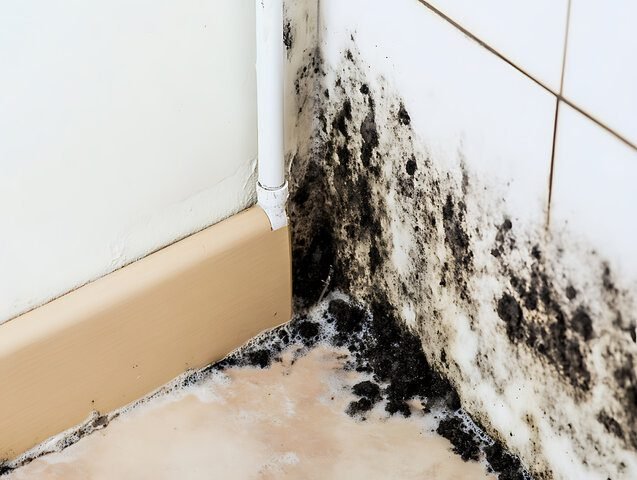
Spring in Colorado’s high country is a season of transition. Snow-covered roofs begin to drip, frozen ground softens, and properties throughout Breckenridge, Silverthorne, Dillon, Frisco, Keystone, Vail, and surrounding mountain communities shift from winter freeze to thaw. While warmer temperatures bring longer days and renewed outdoor activity, they also reveal hidden property issues that may have developed over the winter months.
One of the most common and overlooked problems is mold growth. Mold thrives in damp, dark environments, and Summit County homes and commercial buildings often experience months of heavy snow accumulation, ice dams, condensation, and fluctuating temperatures. By the time spring arrives, mold may already be developing behind walls, in attics, crawl spaces, or beneath flooring.
For homeowners and property managers, spring mold inspections are not simply precautionary. They are an essential part of protecting your investment, safeguarding indoor air quality, and preventing costly structural repairs. Rocky Mountain Restore, based in Breckenridge and serving Summit County and nearby Colorado mountain communities, helps residential and commercial property owners identify, remediate, and restore properties affected by mold and moisture damage each spring season.
Spring Snowmelt Reveals Hidden Mold Issues
Spring snowmelt is one of the most significant contributors to moisture intrusion in mountain properties. Throughout winter, snow accumulates on rooftops, decks, and around foundations. As temperatures rise, that snow begins to melt, sometimes faster than drainage systems can handle. Water finds the path of least resistance, seeping into small cracks, flashing gaps, and foundation joints.
During winter, these intrusions may remain frozen or hidden beneath insulation and drywall. Once thawing begins, moisture activates dormant mold spores. By the time a musty odor or visible staining appears, mold colonies may already be spreading behind the scenes.
Common snowmelt-related problem areas include:
- Attics with compromised ventilation
- Roof valleys and flashing transitions
- Basements and lower-level foundations
- Window frames and door seals
- Crawl spaces with limited airflow
In Summit County’s mountain climate, repeated freeze-thaw cycles increase the risk of minor roof damage that allows water intrusion. Ice dams, in particular, are a frequent cause of hidden moisture buildup. When warm interior air melts snow on the roof, the water refreezes at colder edges, creating barriers that force water back under shingles. Over time, this moisture can soak roof decking and insulation.
A spring mold inspection allows professionals to:
- Detect moisture before visible mold spreads
- Identify water-damaged materials early
- Use moisture meters and thermal imaging for hidden leaks
- Recommend targeted remediation strategies
- Prevent further structural deterioration
For both homes and commercial properties in Breckenridge and surrounding areas, early detection following snowmelt can mean the difference between minor cleanup and extensive reconstruction.
Mountain Moisture Creates Ideal Growth Conditions
Colorado’s mountain climate presents a unique combination of heavy snowfall, high elevation sun exposure, and fluctuating humidity. While the air may feel dry in winter, indoor environments often experience pockets of trapped moisture, especially in tightly sealed buildings designed for energy efficiency.
When warmer spring temperatures arrive, increased humidity combines with leftover moisture from winter. Mold requires only three elements to grow: moisture, organic material, and moderate temperatures. Spring provides all three.
Factors that contribute to mold growth in mountain communities include:
- Prolonged snow cover around foundations
- Condensation buildup in attics and crawl spaces
- Poorly ventilated bathrooms and kitchens
- Unnoticed plumbing leaks during winter vacancy
- Commercial buildings closed or minimally occupied seasonally
Vacation homes in Frisco, Keystone, and Dillon are especially vulnerable. When properties are unoccupied for weeks or months, minor leaks may go undetected. By spring opening, homeowners may discover visible mold growth or persistent musty odors.
Mountain properties also face:
- Rapid daytime thaw and nighttime freeze cycles
- Saturated soil conditions during runoff
- Roof snow loads causing subtle structural shifts
- Ice dam backflow into insulation cavities
Professional spring inspections go beyond surface-level checks. Technicians assess humidity levels, inspect vulnerable building materials, and evaluate ventilation systems to ensure moisture is not lingering in concealed spaces.
Rocky Mountain Restore works with property owners across Summit County to identify environmental conditions contributing to mold. Early evaluation reduces health risks and prevents small moisture issues from escalating into widespread contamination.
Winter Damage Becomes Visible in Spring Thaw
Winter weather in Summit County can be harsh. Heavy snow, wind-driven precipitation, and sustained freezing temperatures place constant stress on roofs, siding, foundations, and plumbing systems. While damage may occur in January or February, it often remains hidden until March or April thaw.
Spring reveals:
- Water stains on ceilings
- Warped flooring from slow leaks
- Peeling paint near windows and trim
- Damp drywall behind insulation
- Foundation seepage along basement walls
When frozen pipes crack, leaks may not fully manifest until water pressure resumes consistently. Similarly, roofing materials stressed by snow weight may begin allowing moisture penetration once ice melts.
Commercial properties in Silverthorne and Vail often experience roof membrane strain due to snow accumulation. As thawing accelerates, previously unnoticed punctures or seam separations allow water infiltration. If not addressed promptly, mold growth can begin within 24 to 48 hours in damp materials.
A comprehensive spring mold inspection includes:
- Roof and attic moisture assessments
- Infrared scanning for hidden water pockets
- Interior air quality sampling if needed
- Inspection of insulation and subflooring
- Evaluation of HVAC systems for condensation buildup
By identifying damage early, restoration professionals can remove affected materials safely and dry structures thoroughly. Mold remediation is most effective when contamination is addressed before colonies spread through air circulation systems.
In mountain communities such as Breckenridge and Dillon, seasonal transitions are predictable. Taking proactive steps during thaw season protects long-term structural integrity and indoor air quality.
Early Inspections Prevent Costly Repairs Later
Delaying mold inspections can significantly increase repair costs. What begins as a small patch of growth behind drywall can quickly expand into adjacent rooms if moisture remains present. Mold spores spread through air currents, attaching to organic surfaces and continuing to multiply.
Early spring inspections offer several advantages:
- Reduced remediation scope
- Lower overall restoration expenses
- Faster drying and containment processes
- Minimal disruption to occupants
- Decreased risk of structural wood decay
When mold spreads unchecked, it can impact:
- Framing lumber and support beams
- Insulation effectiveness
- Subfloor and flooring materials
- Drywall and ceiling systems
- HVAC ductwork and filtration systems
For commercial properties, delays can also mean business interruption. Retail spaces, lodging properties, and offices in Keystone or Frisco may face temporary closures if mold contamination becomes widespread.
Rocky Mountain Restore provides thorough mold inspections and remediation services throughout Summit County and surrounding Colorado mountain communities. Their team understands that fast response reduces secondary damage. By combining moisture detection tools with professional containment protocols, they help prevent cross-contamination during cleanup.
Addressing mold early also supports smoother insurance claims. Documented inspections, clear reporting, and detailed mitigation plans assist property owners when filing claims for covered water or storm-related damage.
Protecting Summit County Homes from Mold Damage
Homes in Summit County face unique seasonal challenges due to elevation, snowpack levels, and extended winter conditions. Whether you own a primary residence in Breckenridge or a vacation property in Silverthorne, proactive spring mold inspections help maintain property value and protect occupant health.
Indoor mold can contribute to:
- Musty odors that linger
- Allergy-like symptoms
- Respiratory irritation
- Increased humidity indoors
- Staining and cosmetic damage
Protective steps homeowners can take each spring include:
- Inspecting attic ventilation systems
- Clearing snow and debris away from foundations
- Checking for roof shingle damage
- Testing sump pumps and drainage systems
- Monitoring indoor humidity levels below 50 percent
However, visual checks alone are not always sufficient. Mold frequently develops behind walls or under flooring where it cannot be seen. Professional inspection tools allow technicians to detect hidden moisture pockets before they become visible infestations.
Rocky Mountain Restore, headquartered in Breckenridge, Colorado, serves Summit County including areas such as 80424 and nearby communities. Their team understands local building styles, roofing systems, and environmental stressors common throughout the region.
By scheduling a spring inspection, property owners gain:
- Peace of mind before peak summer occupancy
- Early identification of winter-related moisture issues
- Clear remediation plans if mold is discovered
- Guidance on preventing future growth
Protecting your home is not only about addressing visible damage. It is about anticipating seasonal risks and acting before they escalate.
Why Local Expertise Matters in Spring Climate
Mold inspections in mountain climates differ significantly from those conducted in lower-elevation regions. Snow loads, ice dams, altitude-driven UV exposure, and rapid weather shifts create conditions that require specialized experience.
Local knowledge matters because:
- Roof designs vary to accommodate snow shedding
- Mountain soil drainage patterns differ from urban areas
- Freeze-thaw cycles accelerate material wear
- Seasonal occupancy impacts moisture monitoring
A restoration team familiar with Summit County understands the nuances of:
- High-altitude ventilation systems
- Mountain-specific roofing assemblies
- Seasonal rental property risks
- Insurance claim processes common in Colorado
Rocky Mountain Restore is locally based in Summit County and works throughout Breckenridge, Frisco, Dillon, Keystone, Silverthorne, Vail, and surrounding mountain communities. Their technicians are experienced in identifying mold risks tied directly to snowmelt and spring runoff patterns.
When choosing a company for spring mold inspections, property owners benefit from:
- Fast response times during peak thaw season
- Knowledge of regional building codes
- Experience with local insurance carriers
- Customized solutions based on mountain conditions
Spring in Colorado’s high country is predictable in its unpredictability. Conditions can change rapidly, and moisture intrusion may occur even after inspections are completed. Working with a local restoration company ensures continued support if additional concerns arise.
Frequently Asked Questions
How do I know if I need a mold inspection after winter in Summit County?
If you notice musty odors, water stains, warped materials, or increased allergy symptoms after snowmelt, a mold inspection is highly recommended. Even without visible signs, properties in Breckenridge, Silverthorne, and surrounding areas often experience hidden moisture from ice dams or slow leaks. Rocky Mountain Restore serving Summit County and nearby communities can assess your property using professional moisture detection tools to determine whether mold is present.
What causes mold to grow during Colorado’s spring thaw?
Spring thaw introduces melting snow, increased humidity, and temperature fluctuations that create ideal conditions for mold growth. Water from snowmelt can seep into roofing systems, foundations, or wall cavities. When combined with organic materials like wood and drywall, mold can begin growing within 24 to 48 hours. Local inspections help identify and address these issues before they spread.
Is mold remediation covered by homeowners insurance in Colorado?
Insurance coverage depends on the source of the moisture. Sudden and accidental water damage is often covered, while long-term neglect may not be. Rocky Mountain Restore works with property owners throughout Summit County to document damage, provide detailed assessments, and assist with insurance claims related to covered water, storm, or fire-related events.
How long does professional mold remediation take?
The timeline depends on the extent of contamination and the size of the affected area. Smaller, contained areas may take a few days, while larger or multi-room remediation projects can take longer. Rocky Mountain Restore provides clear timelines after inspection and works efficiently to minimize disruption for both residential and commercial properties in mountain communities.
Can mold affect indoor air quality in high-altitude homes?
Yes, mold spores can circulate through HVAC systems and impact indoor air quality, even in high-altitude environments like Breckenridge or Vail. Because mountain homes are often tightly sealed for energy efficiency, trapped moisture can contribute to airborne spore concentration. Professional inspections help evaluate air quality concerns and determine appropriate remediation steps.
What is the difference between mold inspection and mold testing?
A mold inspection involves visually assessing the property, identifying moisture sources, and using tools such as moisture meters or thermal imaging. Mold testing may include air or surface sampling to determine spore levels or species. Rocky Mountain Restore offers comprehensive inspection services in Summit County and can recommend testing when necessary based on property conditions.
Should commercial properties schedule annual mold inspections?
Yes, especially in mountain communities where winter weather can impact roofing systems and plumbing. Lodging properties, offices, and retail spaces in areas like Frisco and Keystone benefit from annual inspections to prevent business interruption. Routine evaluations help identify moisture problems early and support a safe indoor environment for employees and customers.
What should I do if I discover mold in my home this spring?
Avoid disturbing the affected area, as this can spread spores. Limit access to the space and contact a professional restoration company for assessment. Rocky Mountain Restore serving Summit County and surrounding Colorado mountain communities provides responsive mold inspection and remediation services to contain and safely remove contamination while addressing the underlying moisture source.