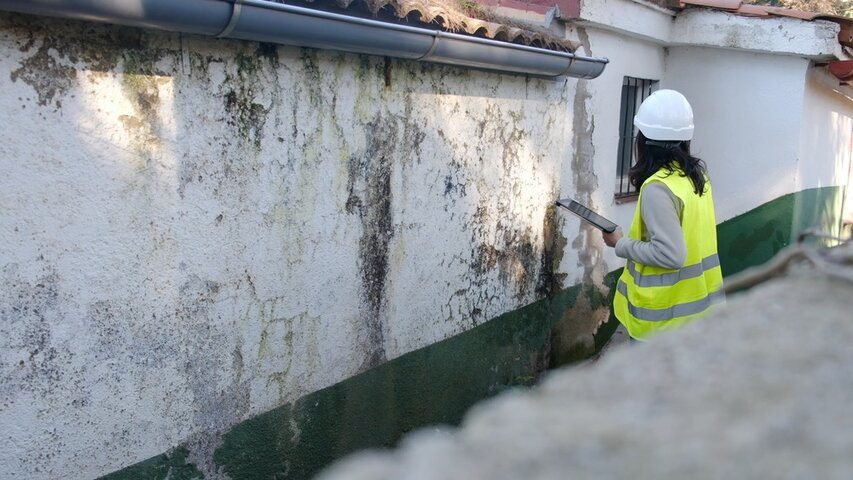
In the Colorado High Country, seasonal transitions bring more than colorful aspen leaves and cooler mornings. Fall represents a critical window of opportunity for homeowners and commercial property managers to assess indoor air quality and moisture conditions before winter settles in. For property owners in Breckenridge, Silverthorne, Dillon, Frisco, Keystone, Vail, and surrounding Summit County communities, autumn is often the most strategic time to schedule a professional mold inspection.
Rocky Mountain Restore, based in Breckenridge, Colorado, provides residential and commercial property damage restoration services throughout Summit County and nearby mountain communities. With years of experience responding to water damage, fire and smoke loss, and mold concerns in high-elevation environments, their team understands how Colorado’s mountain climate influences moisture behavior inside homes and businesses. Fall inspections are not just preventative; they are proactive measures that can protect structures, health, and long-term property value.
Below, we explore why fall is ideal for property mold inspections and how early action can prevent costly restoration needs later.
Cooler Weather Slows Mold Growth Risks Indoors
As temperatures drop in Summit County, mold growth patterns begin to shift. Mold thrives in warm, humid environments, and while Colorado’s climate is generally dry, indoor moisture from summer storms, plumbing leaks, and condensation can linger unnoticed. Fall’s cooler air helps slow active mold growth, making it an ideal time to detect and address existing issues before they worsen.
During the warmer months, hidden mold colonies can expand quickly in attics, crawl spaces, basements, and behind drywall. By early autumn, growth may stabilize enough to allow inspectors to identify moisture sources and contamination areas more accurately. This creates a strategic window for remediation before winter heating systems circulate spores throughout the building.
A fall mold inspection offers several advantages:
- Slower mold growth allows clearer identification of contamination sources
- Lower humidity reduces false moisture readings
- Ideal conditions for thorough attic and crawl space inspections
- Opportunity to correct ventilation issues before winter
In mountain communities like Breckenridge and Frisco, where temperature swings between day and night are common, condensation can form in wall cavities and under roofing materials. A professional inspection from Rocky Mountain Restore evaluates both visible and hidden areas, ensuring that minor moisture issues do not evolve into structural damage or air quality concerns.
Fall inspections also align well with maintenance schedules. Property owners often service furnaces and prepare snow removal plans in autumn. Adding a mold inspection to this seasonal checklist ensures the property enters winter in optimal condition.
Summer Moisture Lingers Into Autumn Months
Summit County summers may feel mild, but afternoon thunderstorms and rapid snowmelt at higher elevations can introduce significant moisture into buildings. Water intrusion from roof leaks, foundation seepage, or improperly sealed windows often goes unnoticed during busy summer months. By fall, that trapped moisture may have already created ideal conditions for mold growth.
Homes and commercial buildings in Silverthorne, Dillon, and Keystone frequently experience summer rain followed by warm daytime temperatures. This pattern can allow water to seep into insulation, subflooring, and structural framing. Without immediate drying, these materials retain moisture long after surfaces appear dry.
Common sources of lingering summer moisture include:
- Roof leaks from storm damage
- Clogged gutters and downspouts
- Window and door seal failures
- Deck attachments and flashing gaps
- Plumbing condensation in humid periods
Fall provides a natural checkpoint. Property owners are transitioning from cooling to heating systems, making it easier to detect unusual odors or humidity changes indoors. Musty smells often become more noticeable once windows are closed and ventilation decreases.
Rocky Mountain Restore conducts comprehensive moisture mapping during mold inspections, using specialized equipment to detect hidden dampness behind walls and under flooring. In high-elevation communities like Vail and Breckenridge, where UV exposure can degrade roofing materials over time, fall is particularly important for checking attic insulation and roof decking for concealed water intrusion.
By addressing moisture issues in autumn, property owners reduce the likelihood of winter mold outbreaks that require more extensive remediation and structural repairs.
Ideal Time to Inspect After Storms and Leaks
Colorado mountain weather is unpredictable. Hailstorms, heavy rain, and sudden temperature drops can compromise roofing systems, siding, and window seals. Even minor storm damage can allow water infiltration that supports mold growth weeks or months later.
Fall is often the first opportunity to fully assess summer storm impacts. Once peak storm season subsides, property owners can evaluate whether water intrusion occurred. Mold inspections during this period identify early-stage growth that may not yet be visible.
After storm events, it is important to look for:
- Discoloration on ceilings or walls
- Peeling paint or bubbling drywall
- Warped baseboards or flooring
- Persistent indoor humidity
- Musty or earthy odors
Commercial properties in Summit County face additional risk due to larger roofing systems and HVAC complexity. Flat roofs and rooftop units can conceal water pooling, which may seep into insulation layers over time. Fall inspections ensure that commercial facilities enter winter without hidden moisture damage that could worsen under snow loads.
Rocky Mountain Restore offers responsive inspection services throughout Breckenridge, Silverthorne, Dillon, Frisco, Keystone, and nearby mountain areas following water damage, fire damage, mold concerns, or severe property emergencies. Scheduling a mold inspection in fall allows time for remediation before freezing temperatures complicate exterior repairs.
When water damage restoration is required, early detection minimizes demolition, shortens drying time, and reduces insurance claim complexity.
Mountain Climate Traps Hidden Dampness Inside
Colorado’s mountain climate presents unique building challenges. While outdoor air may feel dry, homes and businesses in Summit County experience significant temperature differentials between interior and exterior spaces. This difference can create condensation inside walls, attics, and crawl spaces, especially during transitional seasons like fall.
As overnight temperatures drop in Breckenridge and Frisco, warm indoor air rises and meets cooler roof surfaces. Without proper ventilation and insulation, condensation accumulates. Over time, this moisture supports mold growth in hidden structural cavities.
Factors that contribute to trapped dampness include:
- Inadequate attic ventilation
- Improper vapor barriers
- Insufficient insulation coverage
- Snowmelt infiltration near foundations
- Tight building envelopes with limited airflow
Mountain properties are often built to maximize energy efficiency, which is beneficial for heating costs but can reduce natural ventilation. In commercial buildings, HVAC systems may mask humidity imbalances until mold becomes established.
A fall mold inspection identifies ventilation gaps and insulation deficiencies before winter heating systems operate continuously. Rocky Mountain Restore evaluates both moisture sources and airflow patterns to determine whether environmental adjustments or remediation services are necessary.
In communities like Silverthorne and Dillon, where river proximity can elevate ambient humidity during warmer months, interior moisture control becomes even more critical. Fall inspections help ensure that dampness does not remain trapped during the long winter season.
Prepare Your Property for Winter Closure
Many Summit County properties serve as seasonal homes or vacation rentals. As fall progresses, some homeowners prepare to close their properties for the winter months. A mold inspection before closure is a crucial step in protecting the investment.
When a property sits vacant, minor moisture issues can escalate without detection. Heating systems may be set lower, ventilation may be limited, and small leaks can persist for months. Inspecting for mold in the fall provides peace of mind that the structure is dry and stable before extended closure.
Before winterizing, property owners should consider:
- Inspecting plumbing lines for slow leaks
- Checking crawl spaces and basements for dampness
- Evaluating attic insulation and ventilation
- Confirming proper grading and drainage around foundations
- Testing indoor humidity levels
For short-term rental properties in Keystone or Breckenridge, fall inspections also support guest safety and positive reviews. Indoor air quality concerns can quickly affect occupancy and reputation. Addressing potential mold issues before peak ski season protects both revenue and property integrity.
Rocky Mountain Restore works with homeowners, property managers, and commercial building owners throughout Summit County to conduct detailed mold inspections and, if needed, mold remediation services. By identifying issues early, they help prevent costly mid-winter emergencies when access and repairs may be more challenging.
Professional Assessments Before Snowfall
Once snowfall begins in earnest across Summit County, exterior inspections become more difficult. Roofs are covered, crawl space access may be obstructed, and freezing temperatures complicate moisture detection. Fall represents the last clear opportunity to perform comprehensive assessments before winter conditions limit visibility.
Professional mold inspections go beyond surface-level checks. Certified technicians use moisture meters, thermal imaging, and air sampling when appropriate to determine whether mold spores are present at elevated levels. This data-driven approach ensures that remediation efforts target the true source of contamination.
Benefits of scheduling before snowfall include:
- Clear access to roofing systems and exterior walls
- Easier identification of flashing and gutter issues
- Faster drying conditions if remediation is required
- Reduced risk of winter mold spread through HVAC systems
In commercial settings across Frisco, Dillon, and Vail, fall inspections also align with budget planning cycles. Addressing mold concerns before year-end can streamline insurance claims and capital improvement planning.
Rocky Mountain Restore provides thorough inspections and restoration services for both residential and commercial properties. Their team understands how heavy snow loads, ice dams, and freeze-thaw cycles impact mountain structures. By scheduling a mold inspection in fall, property owners gain valuable time to implement corrective measures before winter intensifies moisture-related risks.
Proactive action now can prevent emergency remediation later.
Frequently Asked Questions
How do I know if I need a mold inspection in my Summit County home?
If you notice musty odors, recent water damage, visible discoloration on walls or ceilings, or increased allergy symptoms indoors, a professional mold inspection is recommended. In mountain communities like Breckenridge and Silverthorne, hidden moisture from storms or condensation can support mold growth without obvious signs. Rocky Mountain Restore serving Summit County and nearby communities provides detailed inspections to identify both visible and concealed contamination.
Is fall really better than spring for mold inspections in Colorado?
Fall is often ideal because it follows summer storm season and precedes heavy snowfall. This timing allows property owners in Frisco, Dillon, and Keystone to address moisture issues before winter heating systems circulate air continuously. Rocky Mountain Restore helps homeowners and businesses use this seasonal window to detect and remediate mold before it becomes a larger winter problem.
What is included in a professional mold inspection?
A professional mold inspection typically includes a visual assessment, moisture mapping, humidity measurements, and possibly air or surface sampling when necessary. In Summit County properties, inspectors also evaluate attics, crawl spaces, and ventilation systems due to mountain climate factors. Rocky Mountain Restore provides comprehensive evaluations tailored to both residential and commercial structures.
Can mold grow during Colorado winters?
Yes, mold can grow indoors during winter if moisture is present. While outdoor air is cold, indoor heating combined with trapped humidity can create suitable conditions for mold growth inside walls, attics, and basements. Property owners in Breckenridge and surrounding areas benefit from fall inspections to reduce the likelihood of winter mold outbreaks.
Does homeowners insurance cover mold remediation?
Insurance coverage depends on the cause of the mold. If mold results from a sudden and accidental covered water loss, such as a burst pipe, coverage may apply. However, mold from long-term neglect is often excluded. Rocky Mountain Restore works with property owners and insurance providers throughout Summit County to document damage and assist with the claims process when applicable.
How quickly should mold be removed after detection?
Mold should be addressed as soon as it is identified to prevent further spread and structural damage. In high-elevation communities like Silverthorne and Dillon, delaying remediation can allow spores to circulate through HVAC systems during winter. Rocky Mountain Restore offers prompt mold remediation services to contain and safely remove contamination.
Can commercial buildings in Summit County benefit from fall mold inspections?
Yes, commercial properties often have complex roofing systems and HVAC units that can conceal moisture. Fall inspections allow business owners in Frisco, Keystone, and Vail to address issues before snow accumulation limits roof access. Rocky Mountain Restore provides commercial mold inspections and restoration services tailored to mountain building requirements.
What other services does Rocky Mountain Restore provide besides mold remediation?
In addition to mold inspections and remediation, Rocky Mountain Restore offers water damage restoration, fire and smoke damage cleanup, and comprehensive property restoration services. Based in Breckenridge, Colorado, they serve residential and commercial clients throughout Summit County and surrounding mountain communities with responsive, professional solutions following property damage emergencies.