
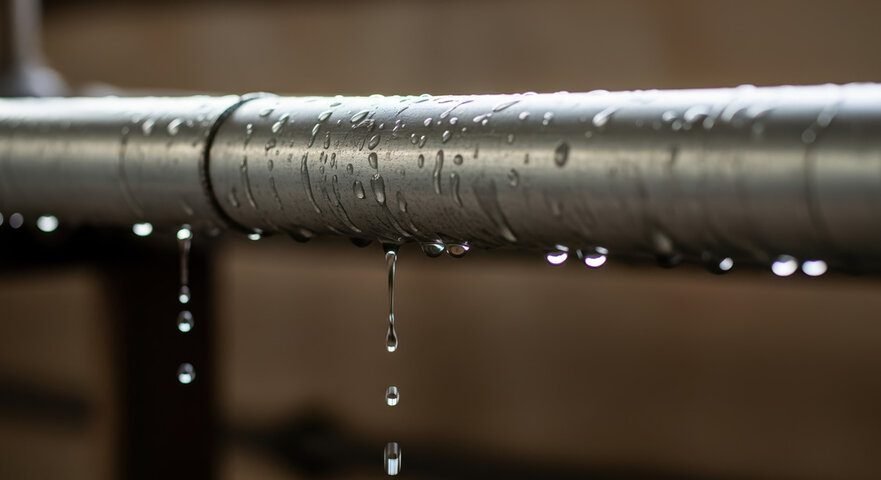
Colorado’s high-elevation winters are beautiful, but they can also be brutal on plumbing systems. In mountain communities like Breckenridge, Silverthorne, Dillon, Frisco, Keystone, and Vail, subzero temperatures and heavy snowfall are common throughout the winter season. When pipes freeze, the risk of bursting and significant water damage increases dramatically.
Rocky Mountain Restore, based in Summit County, Colorado, has helped countless homeowners and business owners recover from frozen pipe disasters. Whether you own a primary residence, manage a rental property, or operate a commercial space in the mountains, knowing what to do when pipes freeze can prevent thousands of dollars in damage and reduce downtime.
This guide explains how to identify frozen pipes, what steps to take immediately, how to thaw them safely, and when to call a professional restoration team serving Summit County and surrounding Colorado mountain communities.
Spot the Early Signs of Frozen Pipes
Frozen pipes rarely happen without warning. In mountain towns like Breckenridge and Frisco, extreme cold snaps can cause exposed or poorly insulated pipes to freeze within hours. Recognizing the early signs can help you intervene before a pipe bursts.
One of the first indicators is reduced or no water flow from a faucet. If you turn on a tap and only a trickle comes out, or nothing at all, ice may be blocking the pipe. You may also notice frost on visible pipes in basements, crawl spaces, garages, or exterior walls. Unusual odors coming from drains can signal a blockage caused by ice.
Listen carefully as well. If you hear clanking, banging, or cracking sounds in your walls when temperatures drop, your pipes could be under pressure from expanding ice. As water freezes, it expands and increases internal pressure inside the pipe. This pressure buildup is what eventually causes bursts.
Common warning signs of frozen pipes include:
- Little or no water flow from faucets
- Frost visible on exposed pipes
- Strange smells coming from drains
- Bulging sections of pipe
- Gurgling or unusual plumbing noises
Mountain homes in Silverthorne, Dillon, and Keystone are particularly vulnerable if pipes run along exterior walls or through unheated spaces. Vacation properties and short-term rentals face even higher risks when left unoccupied during cold weather.
If you suspect a frozen pipe, act immediately. Waiting too long can allow pressure to build and lead to a rupture. Even a small crack can release hundreds of gallons of water in a short time once the pipe thaws.
Shut Off Water to Prevent Major Damage
If you believe a pipe is frozen, your first priority should be to prevent flooding. The most effective way to limit potential damage is to shut off your home’s main water supply before the pipe bursts.
Locate your main water shut-off valve as soon as possible. In many mountain homes, this valve is found in the basement, utility room, crawl space, or near the water heater. If you manage a commercial property in Vail or Frisco, ensure maintenance staff knows its exact location and how to operate it.
Turning off the water reduces pressure in the system and prevents a burst pipe from continuously flooding your home. Even if the pipe has not yet cracked, shutting off the water provides a critical layer of protection while you assess the situation.
Immediate actions to take:
- Turn off the main water supply valve
- Shut off electricity to affected areas if water is present
- Open faucets to relieve pressure in the lines
- Move valuables away from at-risk areas
- Document visible damage for insurance purposes
After shutting off the water, open the affected faucet. This relieves pressure inside the pipe and allows melted water to flow out as you begin thawing. If water has already leaked, prioritize safety. Avoid standing water near electrical outlets or appliances.
Rocky Mountain Restore serving Summit County responds to water emergencies throughout Breckenridge and surrounding communities. Quick action, including shutting off the water immediately, can significantly reduce restoration costs and structural damage.
Safely Thaw Pipes in Cold Mountain Homes
Once the water supply is turned off and pressure is relieved, you can begin thawing the pipe carefully. The goal is to melt the ice gradually without causing additional stress or creating a fire hazard.
Start by identifying the frozen section. This may be visible as frost buildup or located in an area exposed to extreme cold. Common problem spots include exterior walls, crawl spaces, garages, and under sinks along outside walls.
Safe thawing methods include:
- Using a hair dryer on a low or medium heat setting
- Wrapping pipes with warm, damp towels
- Applying heat with a portable space heater positioned safely away from flammable materials
- Using UL-listed heat tape designed for plumbing
Always apply heat starting near the faucet and working backward toward the frozen section. This allows melting ice and steam to escape safely through the open faucet.
Never use open flames such as propane torches, charcoal grills, or blowtorches. These can ignite surrounding materials and cause devastating fire damage. In Colorado’s dry winter climate, fire risk increases significantly, especially in wood-framed mountain homes.
If you cannot locate the frozen section, or if the pipe is behind a wall or ceiling, it may be safer to contact a professional. Attempting to open walls without experience can cause unnecessary damage and delay proper restoration.
When to Call a Local Restoration Expert
Sometimes, despite your best efforts, frozen pipes lead to water damage. Even a small crack can release water into insulation, drywall, flooring, and structural framing. In these situations, professional restoration is essential.
You should call a restoration company if:
- A pipe has burst and water is actively leaking
- You see water stains on ceilings or walls
- Flooring begins to warp or buckle
- There is a persistent damp smell
- Mold growth appears within days of the incident
Water can travel quickly through building materials. In multi-level homes in Breckenridge or Dillon, water from an upstairs pipe can seep into ceilings and walls below. Without proper drying and dehumidification, hidden moisture can lead to mold growth within 24 to 48 hours.
Rocky Mountain Restore, based in Summit County, Colorado, provides water damage restoration for residential and commercial properties throughout the region. Their team conducts thorough moisture inspections using professional equipment to detect hidden water pockets.
Professional restoration typically includes:
- Emergency water extraction
- Industrial drying and dehumidification
- Removal of damaged materials
- Mold prevention treatments
- Assistance with insurance documentation
Fast response is critical in mountain communities where winter weather can complicate cleanup efforts. A prompt call to a local restoration expert can significantly reduce repair costs and downtime.
Steps to Minimize Water Damage Risks
Even after thawing a pipe, you should take additional steps to protect your home. Sometimes pipes crack without immediately leaking, and damage becomes visible only after full water pressure returns.
Before turning the main water supply back on, inspect exposed pipes carefully. Look for hairline fractures, bulging areas, or loose fittings. If you notice any damage, contact a licensed plumber before restoring water flow.
Proactive measures after a freeze event:
- Slowly turn the water back on while monitoring pipes
- Check ceilings and walls for moisture
- Use fans and dehumidifiers in affected areas
- Remove wet insulation promptly
- Schedule a professional moisture inspection
Mountain properties often include crawl spaces and complex plumbing systems designed to withstand freezing conditions. However, repeated freeze-thaw cycles common in Summit County can weaken plumbing over time.
If you own a vacation home in Keystone or Silverthorne, consider installing leak detection systems. Smart water sensors can alert you remotely to leaks before major damage occurs. For commercial properties, routine winter inspections are especially important to protect inventory, equipment, and tenant spaces.
Rocky Mountain Restore helps property owners throughout Summit County assess damage and develop comprehensive restoration plans tailored to Colorado’s mountain climate.
Prevent Frozen Pipes in Colorado Winters
Prevention is always more cost-effective than restoration. In high-elevation communities like Breckenridge and Frisco, temperatures can drop well below zero, especially overnight. Preparing your home before winter arrives is critical.
Start by insulating exposed pipes in basements, crawl spaces, garages, and attics. Pipe insulation sleeves are affordable and easy to install. Pay special attention to pipes running along exterior walls.
Key prevention strategies:
- Insulate exposed plumbing lines
- Seal cracks and gaps near pipes
- Keep indoor temperatures consistent, even when away
- Allow faucets to drip during extreme cold
- Disconnect and drain outdoor hoses
If you plan to leave your property unoccupied, maintain a thermostat setting of at least 55 degrees Fahrenheit. Opening cabinet doors under sinks can help warm air circulate around pipes.
For rental and commercial properties in Summit County, create a winter preparedness checklist. This may include periodic property checks, snow removal to prevent ice dams, and scheduled plumbing inspections.
Rocky Mountain Restore serving Breckenridge, Silverthorne, Dillon, Frisco, Keystone, and nearby mountain communities understands the unique challenges of Colorado winters. Their experience with water damage restoration, fire cleanup, mold remediation, and insurance restoration services makes them a trusted local resource when prevention efforts fall short.
Frozen pipes can escalate quickly from a minor inconvenience to a major property emergency. By recognizing warning signs, shutting off water promptly, thawing pipes safely, and contacting a local restoration professional when needed, you can protect your mountain home or business from extensive damage.
Frequently Asked Questions
What should I do immediately if a pipe bursts in my Colorado mountain home?
If a pipe bursts, turn off your main water supply immediately to stop the flow of water. Shut off electricity in affected areas if it is safe to do so and begin removing standing water. Contact a professional restoration company like Rocky Mountain Restore serving Summit County and nearby communities to start water extraction and drying as quickly as possible.
How quickly can water damage lead to mold growth?
Mold can begin growing within 24 to 48 hours after water exposure, especially in enclosed or poorly ventilated areas. In mountain environments like Breckenridge and Silverthorne, indoor heating combined with trapped moisture can accelerate mold growth. Rocky Mountain Restore provides professional drying and mold remediation services throughout Summit County to prevent long-term structural and health concerns.
Does homeowners insurance cover frozen pipe damage in Colorado?
Many homeowners insurance policies cover sudden and accidental water damage from frozen pipes, but coverage depends on the policy and circumstances. Insurers often require proof that reasonable steps were taken to maintain heat and protect the property. Rocky Mountain Restore works with homeowners and insurance providers in Summit County to document damage and assist with the claims process.
Can frozen pipes cause long-term structural damage?
Yes, frozen and burst pipes can saturate drywall, insulation, flooring, and structural framing. If not properly dried, moisture can weaken materials and lead to mold growth or wood rot. Professional water damage restoration in communities like Frisco and Dillon helps ensure all hidden moisture is identified and removed.
How do I know if water damage is hidden behind walls?
Signs of hidden water damage include discoloration, bubbling paint, warped drywall, and musty odors. However, moisture can remain undetected without specialized equipment. Rocky Mountain Restore uses professional moisture meters and thermal imaging to assess properties throughout Summit County and surrounding mountain communities.
Do you provide commercial water damage restoration services?
Yes, Rocky Mountain Restore serves both residential and commercial properties in Breckenridge, Silverthorne, Dillon, Frisco, Keystone, Vail, and nearby areas. Commercial services include water extraction, structural drying, fire and smoke cleanup, mold remediation, and insurance restoration to minimize business interruption.
What makes mountain homes more vulnerable to frozen pipes?
High elevations, subzero temperatures, heavy snow accumulation, and unoccupied seasonal homes increase the risk of freezing. Pipes in exterior walls and unheated spaces are particularly susceptible. Property owners in Summit County benefit from winter preparedness planning and access to responsive restoration services when emergencies occur.
How soon should I call a restoration company after water damage?
You should call a restoration professional as soon as you notice water damage. Rapid response reduces the risk of mold growth, structural deterioration, and costly repairs. Rocky Mountain Restore, based in Summit County, responds to property damage emergencies throughout surrounding Colorado mountain communities.