
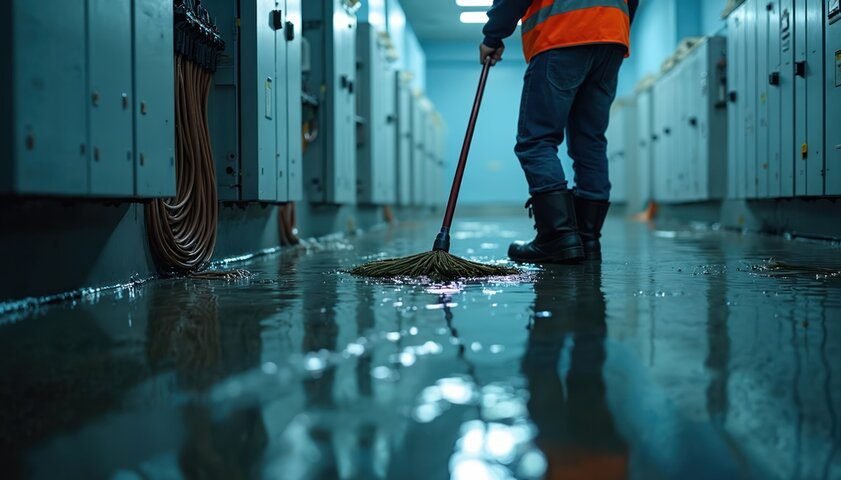
Vacation rental properties in Colorado’s high country offer breathtaking views, world-class skiing, and year-round adventure. But behind the scenic beauty of Breckenridge, Silverthorne, Dillon, Frisco, Keystone, and Vail lies a serious challenge for property owners: water damage. From frozen pipes and heavy snowmelt to appliance failures and unattended leaks, short-term rentals in mountain communities face unique and costly risks.
Rocky Mountain Restore, based in Summit County, Colorado, provides professional water damage restoration, mold remediation, fire and smoke cleanup, and insurance restoration services throughout the region. With extensive experience in mountain properties, the team understands how quickly water damage can escalate in high-altitude environments and rental homes with frequent guest turnover.
This comprehensive guide explores the most common water damage risks for vacation rental properties in Summit County and nearby Colorado mountain communities, along with practical prevention strategies and professional restoration solutions.
Unique Water Risks in Mountain Rental Homes
Vacation rentals in mountain towns face a different set of water-related challenges than properties at lower elevations. The combination of high snowfall, freezing temperatures, steep rooflines, and seasonal occupancy creates conditions where water damage can develop rapidly and spread extensively before anyone notices.
In communities like Breckenridge, Frisco, and Keystone, heavy snow accumulation can lead to ice dams along roof edges. When daytime sun melts snow and nighttime temperatures refreeze it, water backs up under shingles and seeps into attic spaces and walls. Over time, this leads to insulation damage, ceiling stains, and hidden mold growth.
Mountain homes also experience intense freeze-thaw cycles. Water that infiltrates small cracks in roofing, siding, or foundation materials expands as it freezes, widening gaps and allowing more moisture inside. For short-term rentals that may sit empty between guests, this damage can go undetected for days or weeks.
Common mountain-specific water risks include:
- Ice dams forming along roof edges
- Snowmelt infiltration around windows and flashing
- Roof leaks from heavy snow loads
- Foundation seepage during spring thaw
- Wind-driven moisture intrusion during mountain storms
Another factor unique to vacation rentals is fluctuating occupancy. A property might be fully booked during ski season and largely vacant in shoulder months. Changes in heating patterns can affect interior humidity and pipe stability, increasing the risk of condensation, freezing, and unnoticed leaks.
Property owners who live outside Summit County are especially vulnerable to delayed discovery. By the time a cleaning crew or next guest reports visible damage, water may have already penetrated subfloors, drywall, and framing. Fast, local response from a restoration company familiar with mountain construction is essential to minimizing long-term structural issues.
Hidden Frozen Pipes and Winter Storm Threats
Frozen pipes are one of the most common and destructive water damage threats in Colorado mountain rentals. When temperatures drop well below freezing in Silverthorne or Dillon, exposed or poorly insulated pipes can freeze in a matter of hours.
As water freezes, it expands. That expansion creates internal pressure that can crack or burst pipes. Often, the pipe does not leak until temperatures rise and the ice thaws, releasing a sudden and substantial flow of water into walls, ceilings, or crawl spaces.
Vacation rental properties face heightened frozen pipe risks because:
- Thermostats may be turned down too low between guests
- Exterior walls may have limited insulation in older homes
- Garage or crawl space plumbing may lack heat protection
- Guests may accidentally block vents or alter heating settings
- Power outages during storms may disable heating systems
Winter storms in Summit County can also bring heavy snowfall, drifting snow against exterior walls, and ice buildup around entryways. If melting snow seeps beneath door thresholds or into basement window wells, water intrusion can occur even without plumbing failure.
In mountain communities such as Breckenridge and Keystone, many homes feature radiant heating systems. While efficient, these systems can be costly to repair if pipes embedded in flooring freeze or leak. Early detection and rapid drying are critical to protecting hardwood floors and subfloor assemblies.
To reduce frozen pipe risks in vacation rentals:
- Maintain a minimum interior temperature, even when vacant
- Insulate exposed plumbing in crawl spaces and garages
- Install smart thermostats with remote monitoring
- Shut off and drain water lines during extended vacancies
- Schedule regular winter inspections
If a frozen pipe bursts, immediate action is essential. Water extraction, structural drying, and moisture monitoring must begin quickly to prevent secondary damage such as mold growth and warped materials. Rocky Mountain Restore responds throughout Summit County and nearby mountain communities to help mitigate winter-related water losses before they escalate.
Guest Turnover and Slow Undetected Leaks
High guest turnover is a defining characteristic of short-term rentals. While frequent occupancy generates revenue, it also increases the likelihood of unnoticed water damage.
Guests may not report small leaks under sinks or around toilets, especially if they assume the issue is minor or unrelated to their stay. Cleaning crews may focus on surface-level presentation and miss hidden moisture inside cabinets or behind appliances. Over time, slow leaks can saturate subfloors and wall cavities.
Common sources of undetected water damage in vacation rentals include:
- Dripping supply lines under bathroom sinks
- Loose toilet wax rings causing floor seepage
- Minor dishwasher hose leaks
- Shower pan cracks allowing water beneath tile
- Refrigerator ice maker line drips
In properties located in Frisco or Dillon, where vacation homes may have multiple bathrooms and kitchens, even a small leak can impact several rooms before being discovered. Repeated short stays mean no single occupant spends enough time in the home to notice gradual deterioration.
Slow leaks are especially problematic because they often lead to mold growth. Moisture trapped behind drywall or under laminate flooring creates ideal conditions for microbial growth within 24 to 48 hours. By the time visible staining appears, contamination may already be widespread.
To manage guest-related water risks:
- Conduct detailed inspections between bookings
- Check under sinks and around appliances regularly
- Install water leak detection sensors
- Train cleaning staff to report moisture concerns
- Use durable, water-resistant building materials where possible
Professional moisture mapping and thermal imaging can detect hidden dampness before it becomes a larger problem. Rocky Mountain Restore uses advanced tools to identify concealed water damage in rental properties throughout Summit County, helping owners address issues proactively.
Appliance Failures in Short-Term Rentals
Vacation rentals often contain more appliances than primary residences. Multiple refrigerators, dishwashers, hot tubs, washing machines, and humidifiers increase the potential for mechanical failure and water damage.
Unlike full-time homeowners who may notice unusual sounds or minor leaks, guests may overlook warning signs. An overflowing washing machine or failed dishwasher cycle can release gallons of water in a short time, damaging floors and ceilings below.
High-risk appliances in mountain vacation homes include:
- Washing machines with aging hoses
- Dishwashers with worn door seals
- Refrigerators with ice makers and water lines
- Water heaters in mechanical rooms
- Hot tubs and spa systems on decks
In Breckenridge and Vail, luxury vacation rentals often feature high-end amenities. While attractive to guests, these systems require regular maintenance. A failed hot tub fitting on a second-story deck can allow water to seep into structural framing, creating both moisture damage and structural safety concerns.
Appliance-related water damage can spread quickly through multi-level homes. Water may travel along joists, saturate insulation, and drip through recessed lighting openings. Prompt extraction and drying are necessary to prevent long-term deterioration.
Preventative measures include:
- Replacing rubber washing machine hoses with braided steel lines
- Installing automatic water shutoff systems
- Scheduling routine appliance inspections
- Cleaning lint traps and drain lines regularly
- Monitoring water heater age and performance
If an appliance failure occurs, professional mitigation reduces the risk of hidden moisture and mold. Rocky Mountain Restore provides water extraction, structural drying, and full restoration services for both residential and commercial properties in Summit County and nearby communities.
Hidden Mold Growth After Unattended Water Damage
Mold growth is one of the most concerning consequences of unattended water damage in vacation rentals. Colorado’s mountain climate may feel dry, but indoor moisture trapped in wall cavities or subfloors can quickly lead to contamination.
When water damage goes unnoticed for several days, microbial growth can begin behind baseboards, under carpet padding, and inside insulation. By the time a musty odor becomes noticeable, mold colonies may be well established.
Conditions that encourage mold growth in mountain rentals include:
- Slow leaks that remain hidden between guest stays
- Poor ventilation in bathrooms and kitchens
- Damp crawl spaces or basements
- Wet insulation after roof leaks
- Inadequate drying following minor water incidents
Mold not only damages building materials but may also affect indoor air quality. For vacation rentals, this presents both health and reputational risks. Negative guest reviews related to odors or visible mold can impact bookings and revenue.
Professional mold remediation involves:
- Identifying and correcting the moisture source
- Containing affected areas to prevent spread
- Removing contaminated materials when necessary
- Cleaning and disinfecting surfaces
- Verifying dryness and safe moisture levels
Rocky Mountain Restore provides mold inspection and remediation services throughout Summit County, including Breckenridge and Silverthorne. Addressing mold early protects property value and ensures a safe environment for guests and staff.
Fast Restoration for Mountain Properties
When water damage strikes a vacation rental, time is critical. The longer moisture remains in building materials, the greater the structural damage and mold risk. Rapid response is especially important in mountain communities where freezing temperatures and remote property locations can complicate mitigation efforts.
Professional restoration begins with a thorough assessment. Technicians identify the water source, evaluate the extent of damage, and create a drying plan tailored to the property’s construction type. Mountain homes often feature wood framing, log elements, or radiant heat systems that require specialized care.
A comprehensive water damage restoration process typically includes:
- Emergency water extraction
- Moisture mapping and monitoring
- Industrial-grade drying equipment placement
- Removal of damaged materials when necessary
- Cleaning, sanitizing, and deodorizing affected areas
Rocky Mountain Restore, based in Summit County, Colorado, works closely with property owners, property managers, and insurance providers to streamline the claims process. Serving Breckenridge, Frisco, Dillon, Silverthorne, Keystone, Vail, and surrounding mountain communities, the team focuses on restoring properties safely and efficiently after water, fire, or mold damage.
For vacation rental owners, having a local restoration partner means faster response times and familiarity with regional construction challenges. Whether addressing frozen pipe bursts, appliance failures, or hidden leaks, professional restoration protects both the physical structure and the long-term profitability of the property.
Frequently Asked Questions
How quickly should water damage be addressed in a vacation rental property?
Water damage should be addressed immediately, ideally within the first 24 hours. In Summit County and surrounding mountain communities, freezing temperatures and hidden moisture can accelerate structural damage and mold growth. Rocky Mountain Restore serving Breckenridge, Silverthorne, Dillon, and nearby areas provides rapid response water mitigation services to help limit damage and reduce restoration costs.
Can frozen pipes cause hidden damage even if I do not see water right away?
Yes, frozen pipes can crack internally and may not leak until they thaw. When temperatures rise, water can flow into walls, ceilings, or crawl spaces without being immediately visible. Rocky Mountain Restore serving Summit County offers thorough inspections and moisture detection to identify hidden damage after winter storms or suspected pipe freezes.
Does homeowners insurance cover water damage in Colorado mountain rentals?
Coverage depends on your specific policy and the cause of the damage. Sudden and accidental water losses, such as burst pipes, are often covered, while gradual leaks may not be. Rocky Mountain Restore works with insurance providers throughout Summit County and nearby communities to document damage and support property owners during the claims process.
How do I know if mold is growing behind walls after a leak?
Signs of hidden mold may include musty odors, discoloration, peeling paint, or persistent allergy symptoms reported by guests. However, mold can grow out of sight within 24 to 48 hours after water exposure. Rocky Mountain Restore provides professional mold inspection and remediation services in Breckenridge and surrounding areas to identify and safely remove contamination.
What should I do if a guest reports water damage during their stay?
If a guest reports water damage, instruct them to avoid the affected area and, if safe, shut off the water source. Contact a local restoration professional immediately to assess and mitigate the issue. Rocky Mountain Restore serving Summit County and nearby mountain communities offers responsive water damage restoration to help protect your property and your guests.
Are water leak detection systems worth it for vacation rentals?
Water leak detection systems can significantly reduce the risk of major damage by alerting owners or property managers to leaks early. In mountain towns like Frisco and Keystone, where properties may sit vacant between bookings, these systems provide added peace of mind. Rocky Mountain Restore often recommends proactive measures like leak detection as part of a comprehensive risk management plan.
How long does water damage restoration take in mountain homes?
The timeline depends on the extent of damage, materials affected, and drying conditions. Minor water losses may take several days to dry, while extensive structural damage can require weeks of mitigation and repairs. Rocky Mountain Restore serving Summit County provides detailed assessments and clear timelines so property owners understand each step of the restoration process.
Can water damage lead to structural problems in mountain properties?
Yes, prolonged moisture exposure can weaken framing, subfloors, drywall, and insulation. In high-altitude environments like Breckenridge and Silverthorne, repeated freeze-thaw cycles can worsen structural deterioration. Rocky Mountain Restore offers comprehensive restoration services to address both visible and hidden damage, helping protect the long-term integrity of mountain homes.
{
  "@context": "https://schema.org",
  "@type": "FAQPage",
  "mainEntity": [
    {
      "@type": "Question",
      "name": "How quickly should water damage be addressed in a vacation rental property?",
      "acceptedAnswer": {
        "@type": "Answer",
        "text": "Water damage should be addressed immediately, ideally within the first 24 hours. In Summit County and surrounding mountain communities, freezing temperatures and hidden moisture can accelerate structural damage and mold growth. Rocky Mountain Restore serving Breckenridge, Silverthorne, Dillon, and nearby areas provides rapid response water mitigation services to help limit damage and reduce restoration costs."
      }
    },
    {
      "@type": "Question",
      "name": "Can frozen pipes cause hidden damage even if I do not see water right away?",
      "acceptedAnswer": {
        "@type": "Answer",
        "text": "Yes, frozen pipes can crack internally and may not leak until they thaw. When temperatures rise, water can flow into walls, ceilings, or crawl spaces without being immediately visible. Rocky Mountain Restore serving Summit County offers thorough inspections and moisture detection to identify hidden damage after winter storms or suspected pipe freezes."
      }
    },
    {
      "@type": "Question",
      "name": "Does homeowners insurance cover water damage in Colorado mountain rentals?",
      "acceptedAnswer": {
        "@type": "Answer",
        "text": "Coverage depends on your specific policy and the cause of the damage. Sudden and accidental water losses, such as burst pipes, are often covered, while gradual leaks may not be. Rocky Mountain Restore works with insurance providers throughout Summit County and nearby communities to document damage and support property owners during the claims process."
      }
    },
    {
      "@type": "Question",
      "name": "How do I know if mold is growing behind walls after a leak?",
      "acceptedAnswer": {
        "@type": "Answer",
        "text": "Signs of hidden mold may include musty odors, discoloration, peeling paint, or persistent allergy symptoms reported by guests. However, mold can grow out of sight within 24 to 48 hours after water exposure. Rocky Mountain Restore provides professional mold inspection and remediation services in Breckenridge and surrounding areas to identify and safely remove contamination."
      }
    },
    {
      "@type": "Question",
      "name": "What should I do if a guest reports water damage during their stay?",
      "acceptedAnswer": {
        "@type": "Answer",
        "text": "If a guest reports water damage, instruct them to avoid the affected area and, if safe, shut off the water source. Contact a local restoration professional immediately to assess and mitigate the issue. Rocky Mountain Restore serving Summit County and nearby mountain communities offers responsive water damage restoration to help protect your property and your guests."
      }
    },
    {
      "@type": "Question",
      "name": "Are water leak detection systems worth it for vacation rentals?",
      "acceptedAnswer": {
        "@type": "Answer",
        "text": "Water leak detection systems can significantly reduce the risk of major damage by alerting owners or property managers to leaks early. In mountain towns like Frisco and Keystone, where properties may sit vacant between bookings, these systems provide added peace of mind. Rocky Mountain Restore often recommends proactive measures like leak detection as part of a comprehensive risk management plan."
      }
    },
    {
      "@type": "Question",
      "name": "How long does water damage restoration take in mountain homes?",
      "acceptedAnswer": {
        "@type": "Answer",
        "text": "The timeline depends on the extent of damage, materials affected, and drying conditions. Minor water losses may take several days to dry, while extensive structural damage can require weeks of mitigation and repairs. Rocky Mountain Restore serving Summit County provides detailed assessments and clear timelines so property owners understand each step of the restoration process."
      }
    },
    {
      "@type": "Question",
      "name": "Can water damage lead to structural problems in mountain properties?",
      "acceptedAnswer": {
        "@type": "Answer",
        "text": "Yes, prolonged moisture exposure can weaken framing, subfloors, drywall, and insulation. In high-altitude environments like Breckenridge and Silverthorne, repeated freeze-thaw cycles can worsen structural deterioration. Rocky Mountain Restore offers comprehensive restoration services to address both visible and hidden damage, helping protect the long-term integrity of mountain homes."
      }
    }
  ]
}