
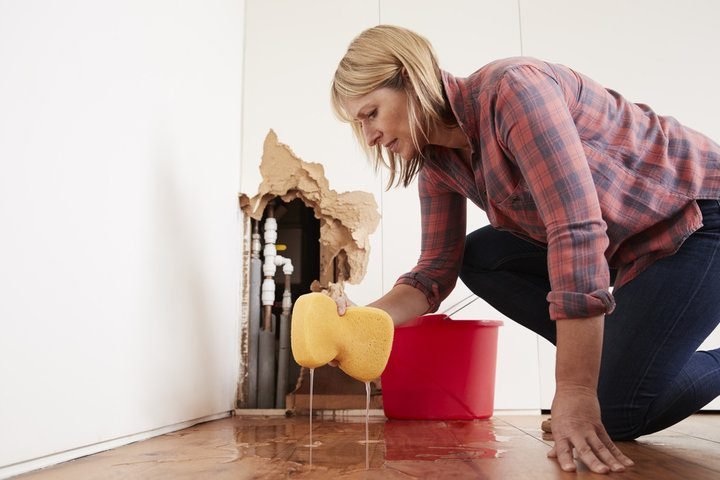
Water damage cleanup in Copper Mountain homes requires a specialized approach. At 9,700 feet above sea level, Copper Mountain properties face freezing temperatures, heavy snowfall, rapid spring melt, and sudden summer storms. These environmental factors can turn a minor leak into significant structural damage in a short period of time. Rocky Mountain Restore, based in Summit County, Colorado, provides professional water damage restoration services for homeowners and businesses throughout Breckenridge, Silverthorne, Dillon, Frisco, Keystone, Vail, Copper Mountain, and nearby mountain communities.
Whether the source is a burst pipe, ice dam, appliance failure, or roof leak, prompt action is critical. Moisture spreads quickly through drywall, insulation, subfloors, and structural framing. In mountain homes, where many properties serve as vacation residences and may sit unoccupied for weeks at a time, undetected water intrusion can escalate into mold growth, warped wood, and compromised structural integrity.
This comprehensive guide explains the causes of water damage in Copper Mountain homes, outlines the restoration process, and provides practical guidance on prevention, insurance coordination, and choosing a trusted local restoration team.
Understanding Water Damage in Mountain Homes
Copper Mountain’s alpine climate creates unique challenges for residential and commercial properties. Water damage in mountain homes often behaves differently than in lower-elevation environments. Cold temperatures slow evaporation, snow accumulation stresses roofing systems, and freeze-thaw cycles expand small cracks into major leaks.
Homes in Summit County are frequently built with wood framing, natural materials, and complex rooflines designed to manage heavy snow loads. While beautiful and durable, these design features can hide moisture intrusion behind walls and ceilings. When water damage occurs, it may not be immediately visible.
Key characteristics of water damage in mountain homes include:
- Slow drying times due to cold temperatures
- Hidden moisture behind insulation and wood paneling
- Freeze-thaw expansion that worsens small leaks
- Ice dam formation along roof edges
Another factor unique to Copper Mountain is seasonal occupancy. Vacation homes may remain vacant during shoulder seasons. A small plumbing leak in January can continue for weeks before being discovered, resulting in saturated framing, insulation breakdown, and microbial growth. Early detection systems, regular inspections, and rapid response from a local restoration team can dramatically reduce long-term damage.
Water damage also impacts commercial properties such as lodges, retail spaces, and restaurants in Summit County. In these settings, business interruption becomes an additional concern. Fast mitigation and professional drying help property owners minimize downtime and financial loss.
Common Causes of Water Damage in Copper Mountain
Understanding the common causes of water damage in Copper Mountain homes helps property owners stay proactive. In high-elevation communities like Breckenridge and Frisco, weather is often the primary culprit.
One of the most frequent causes is frozen or burst pipes. When temperatures drop below freezing, unprotected plumbing lines in crawl spaces, garages, or exterior walls can freeze and rupture. Once temperatures rise, the thawing pipe releases water rapidly, often flooding interior spaces.
Other common causes include:
- Ice dams forming along rooflines
- Snowmelt infiltration through flashing or shingles
- Water heater failures
- Washing machine or dishwasher hose leaks
- Sump pump malfunctions during heavy melt
Ice dams are particularly problematic in Copper Mountain. Warm air escaping from attics melts snow unevenly. Meltwater refreezes at the roof edge, creating a barrier that forces water beneath shingles. Over time, this can soak insulation, drywall, and framing.
Spring runoff also contributes to water intrusion. As snowpack melts, groundwater levels rise. Homes with inadequate drainage or foundation waterproofing may experience seepage in basements or lower-level living spaces. In communities like Dillon and Silverthorne, fluctuating water tables can place added pressure on foundation walls.
Appliance-related water damage is another frequent issue. Aging water heaters, supply line failures, and refrigerator ice maker leaks can go unnoticed until significant damage has occurred. Routine maintenance and inspection can help prevent these scenarios.
Emergency Water Extraction and Drying Steps
When water damage occurs in a Copper Mountain home, immediate action is essential. The first 24 to 48 hours are critical in preventing structural damage and mold growth. Professional water extraction and drying services focus on removing standing water and stabilizing the environment.
The emergency response process typically begins with a thorough inspection. Moisture meters and thermal imaging cameras help identify affected areas, even when damage is hidden behind walls or beneath flooring. Rocky Mountain Restore serving Summit County responds quickly to assess the situation and develop a tailored mitigation plan.
Core emergency steps include:
- Stopping the water source when possible
- Extracting standing water with commercial-grade pumps
- Removing saturated materials that cannot be salvaged
- Installing high-capacity air movers and dehumidifiers
- Monitoring moisture levels daily
Water extraction alone is not enough. In mountain climates, low temperatures can slow evaporation, making professional drying equipment essential. Industrial dehumidifiers reduce humidity levels while air movers promote airflow across surfaces, accelerating the drying process.
In some cases, contents restoration is also required. Furniture, textiles, electronics, and personal belongings may need cleaning, drying, and deodorization. Quick action can often save valuable items that would otherwise be discarded.
For commercial properties in Keystone or Vail, restoration teams often coordinate drying efforts to allow portions of the building to remain operational. Strategic containment and phased drying help minimize disruption while ensuring thorough mitigation.
Preventing Mold After Water Intrusion Damage
Mold growth is a major concern after water damage in Copper Mountain homes. Mold can begin developing within 24 to 48 hours in damp conditions. Given the cold climate and slower drying times in Summit County, proactive mold prevention is essential.
After water extraction, restoration professionals focus on reducing moisture content in structural materials. This includes drying framing, subfloors, and insulation to industry-approved standards. Surfaces may be treated with antimicrobial solutions to inhibit microbial growth.
Effective mold prevention strategies include:
- Rapid water removal within the first 24 hours
- Controlled demolition of heavily saturated materials
- Maintaining indoor humidity below recommended thresholds
- Cleaning and sanitizing affected surfaces
- Post-drying verification with moisture readings
Hidden mold can develop behind walls or under flooring if drying is incomplete. That is why professional monitoring and documentation are critical. Restoration teams track moisture levels throughout the drying process and confirm that materials have returned to acceptable levels before reconstruction begins.
If mold is already present, professional mold remediation may be necessary. This involves containment to prevent cross-contamination, HEPA filtration to capture airborne spores, and removal of contaminated materials. Rocky Mountain Restore provides mold remediation services throughout Breckenridge, Frisco, and surrounding communities as part of comprehensive property restoration solutions.
Homeowners should also consider improving ventilation in attics and crawl spaces. Proper airflow reduces condensation and helps prevent future mold problems, especially during heavy snow seasons.
Working With Insurance After Water Loss Claims
Navigating insurance claims after water damage can feel overwhelming, particularly for homeowners managing vacation properties from out of town. Clear documentation and professional support can streamline the process.
The first step after mitigating immediate damage is notifying your insurance provider. Policies vary in coverage, especially when it comes to frozen pipes, gradual leaks, or mold remediation. A professional restoration company can assist in documenting the loss and providing detailed estimates.
Helpful steps when filing a water loss claim include:
- Photographing all visible damage
- Keeping records of emergency repairs
- Retaining damaged materials when requested
- Requesting a detailed scope of work from your contractor
- Communicating promptly with your adjuster
Rocky Mountain Restore works closely with property owners and insurance carriers throughout Summit County to facilitate efficient claim processing. Detailed moisture logs, equipment records, and repair estimates support accurate claim evaluation.
In communities like Breckenridge 80424 and Silverthorne 80498, many homes are part of homeowners associations. Coordination with HOAs may also be required when water damage impacts shared walls, ceilings, or common systems. A knowledgeable local restoration team understands these dynamics and helps streamline communication among all parties involved.
Commercial property claims may require additional documentation related to business interruption and lost revenue. Prompt mitigation and detailed reporting support smoother resolution and faster return to normal operations.
Choosing a Local Restoration Team You Trust
Selecting the right company for water damage cleanup in Copper Mountain homes is one of the most important decisions a property owner can make. Mountain environments require specialized knowledge, equipment, and experience.
A locally based company understands the challenges unique to Summit County, including snow loads, ice dams, high-altitude drying conditions, and seasonal occupancy patterns. Rocky Mountain Restore is based in Breckenridge and serves nearby communities including Frisco, Dillon, Keystone, Silverthorne, Vail, and Copper Mountain.
When evaluating a restoration provider, consider:
- Experience with high-elevation properties
- Proper licensing and insurance
- Certification in water damage restoration and mold remediation
- Transparent communication and documentation
- Ability to coordinate with insurance carriers
Local presence matters. A team familiar with regional construction styles and climate conditions can identify hidden risks and recommend preventive improvements. They can also respond quickly during winter storms or spring melt events.
Trust is built through clear communication, thorough assessments, and consistent follow-through. From emergency water extraction to final reconstruction, a professional restoration partner should guide property owners every step of the way. For homeowners and businesses across Summit County and surrounding Colorado mountain communities, working with a trusted local team provides peace of mind during stressful situations.
Frequently Asked Questions
How quickly should water damage be addressed in Copper Mountain homes?
Water damage should be addressed immediately, ideally within the first 24 hours. In high-altitude communities like Copper Mountain and Breckenridge, cold temperatures can slow drying and increase the risk of hidden moisture buildup. Rocky Mountain Restore serving Summit County and nearby communities offers rapid response services to help minimize structural damage, reduce mold risk, and begin professional drying as soon as possible.
Does homeowners insurance cover frozen or burst pipes in Colorado mountain homes?
Many homeowners insurance policies cover sudden and accidental water damage, including burst pipes, but coverage may vary depending on maintenance and occupancy conditions. Vacation homes in Summit County may have specific policy requirements. Rocky Mountain Restore works with property owners and insurance carriers to document losses thoroughly and support efficient claim processing after water damage events.
How long does the water damage drying process take at high elevation?
Drying times vary depending on the extent of damage, materials affected, and indoor conditions. In mountain climates like Copper Mountain and Frisco, drying may take three to five days or longer due to colder temperatures and dense building materials. Professional equipment and moisture monitoring used by Rocky Mountain Restore help ensure materials are dried to industry standards before reconstruction begins.
Can water damage lead to mold even in cold Colorado climates?
Yes, mold can develop within 24 to 48 hours after water intrusion, even in cold climates. Indoor heating combined with trapped moisture creates conditions suitable for microbial growth. Rocky Mountain Restore provides water damage mitigation and mold remediation services throughout Summit County to prevent and address mold growth after leaks, floods, or ice dam damage.
What should I do if my vacation home in Copper Mountain has water damage while I am out of town?
If you discover water damage remotely, contact a trusted local restoration company immediately to assess the situation. Quick on-site inspection and mitigation can significantly reduce long-term damage. Rocky Mountain Restore serving Breckenridge, Copper Mountain, and surrounding communities can coordinate emergency response, provide documentation, and communicate updates to out-of-town property owners throughout the restoration process.
Do you provide water damage restoration for commercial properties in Summit County?
Yes, water damage restoration services are available for both residential and commercial properties throughout Summit County and nearby mountain communities. This includes lodges, retail stores, restaurants, and office spaces in areas like Keystone and Vail. Rocky Mountain Restore develops tailored mitigation plans that prioritize safety, thorough drying, and minimized business interruption.
What is involved in mold remediation after water damage?
Mold remediation typically includes containment to prevent spore spread, HEPA air filtration, removal of contaminated materials, and thorough cleaning of affected areas. Post-remediation verification ensures the space is safe and dry. Rocky Mountain Restore provides comprehensive mold remediation services for homes and businesses across Summit County following water intrusion or prolonged moisture exposure.
Why should I choose a local restoration company instead of a national chain?
A local restoration company understands the specific challenges of Colorado mountain construction, weather patterns, and insurance considerations. Rocky Mountain Restore is based in Summit County and serves nearby communities with knowledge of high-altitude drying conditions, snow-related damage risks, and seasonal property management needs. This local expertise supports faster response times and more tailored restoration solutions.
{
  "@context": "https://schema.org",
  "@type": "FAQPage",
  "mainEntity": [
    {
      "@type": "Question",
      "name": "How quickly should water damage be addressed in Copper Mountain homes?",
      "acceptedAnswer": {
        "@type": "Answer",
        "text": "Water damage should be addressed immediately, ideally within the first 24 hours. In high-altitude communities like Copper Mountain and Breckenridge, cold temperatures can slow drying and increase the risk of hidden moisture buildup. Rocky Mountain Restore serving Summit County and nearby communities offers rapid response services to help minimize structural damage, reduce mold risk, and begin professional drying as soon as possible."
      }
    },
    {
      "@type": "Question",
      "name": "Does homeowners insurance cover frozen or burst pipes in Colorado mountain homes?",
      "acceptedAnswer": {
        "@type": "Answer",
        "text": "Many homeowners insurance policies cover sudden and accidental water damage, including burst pipes, but coverage may vary depending on maintenance and occupancy conditions. Vacation homes in Summit County may have specific policy requirements. Rocky Mountain Restore works with property owners and insurance carriers to document losses thoroughly and support efficient claim processing after water damage events."
      }
    },
    {
      "@type": "Question",
      "name": "How long does the water damage drying process take at high elevation?",
      "acceptedAnswer": {
        "@type": "Answer",
        "text": "Drying times vary depending on the extent of damage, materials affected, and indoor conditions. In mountain climates like Copper Mountain and Frisco, drying may take three to five days or longer due to colder temperatures and dense building materials. Professional equipment and moisture monitoring used by Rocky Mountain Restore help ensure materials are dried to industry standards before reconstruction begins."
      }
    },
    {
      "@type": "Question",
      "name": "Can water damage lead to mold even in cold Colorado climates?",
      "acceptedAnswer": {
        "@type": "Answer",
        "text": "Yes, mold can develop within 24 to 48 hours after water intrusion, even in cold climates. Indoor heating combined with trapped moisture creates conditions suitable for microbial growth. Rocky Mountain Restore provides water damage mitigation and mold remediation services throughout Summit County to prevent and address mold growth after leaks, floods, or ice dam damage."
      }
    },
    {
      "@type": "Question",
      "name": "What should I do if my vacation home in Copper Mountain has water damage while I am out of town?",
      "acceptedAnswer": {
        "@type": "Answer",
        "text": "If you discover water damage remotely, contact a trusted local restoration company immediately to assess the situation. Quick on-site inspection and mitigation can significantly reduce long-term damage. Rocky Mountain Restore serving Breckenridge, Copper Mountain, and surrounding communities can coordinate emergency response, provide documentation, and communicate updates to out-of-town property owners throughout the restoration process."
      }
    },
    {
      "@type": "Question",
      "name": "Do you provide water damage restoration for commercial properties in Summit County?",
      "acceptedAnswer": {
        "@type": "Answer",
        "text": "Yes, water damage restoration services are available for both residential and commercial properties throughout Summit County and nearby mountain communities. This includes lodges, retail stores, restaurants, and office spaces in areas like Keystone and Vail. Rocky Mountain Restore develops tailored mitigation plans that prioritize safety, thorough drying, and minimized business interruption."
      }
    },
    {
      "@type": "Question",
      "name": "What is involved in mold remediation after water damage?",
      "acceptedAnswer": {
        "@type": "Answer",
        "text": "Mold remediation typically includes containment to prevent spore spread, HEPA air filtration, removal of contaminated materials, and thorough cleaning of affected areas. Post-remediation verification ensures the space is safe and dry. Rocky Mountain Restore provides comprehensive mold remediation services for homes and businesses across Summit County following water intrusion or prolonged moisture exposure."
      }
    },
    {
      "@type": "Question",
      "name": "Why should I choose a local restoration company instead of a national chain?",
      "acceptedAnswer": {
        "@type": "Answer",
        "text": "A local restoration company understands the specific challenges of Colorado mountain construction, weather patterns, and insurance considerations. Rocky Mountain Restore is based in Summit County and serves nearby communities with knowledge of high-altitude drying conditions, snow-related damage risks, and seasonal property management needs. This local expertise supports faster response times and more tailored restoration solutions."
      }
    }
  ]
}