Water damage can happen quickly in Colorado’s mountain communities. A burst pipe during a freezing Breckenridge winter, an ice dam along a Frisco roofline, or a failed water heater in a Silverthorne commercial building can release gallons of water into areas you rarely see. While visible water may be cleaned up within hours, hidden moisture often lingers long enough for mold to develop behind walls, beneath flooring, and inside structural cavities.
At Rocky Mountain Restore, based in Summit County, Colorado, our team regularly helps homeowners and businesses in Breckenridge, Silverthorne, Dillon, Frisco, Keystone, Vail, and surrounding areas identify and address concealed mold growth after water damage. Because of our high elevation, freeze-thaw cycles, and fluctuating indoor humidity levels, mold can take hold in unexpected spaces throughout residential and commercial properties.
Understanding where mold hides after water damage is the first step toward protecting your health, your building materials, and your long-term property value. Below, we explore the most common hidden mold locations and explain why professional water damage restoration and mold remediation are critical in Colorado’s mountain climate.
Behind Walls and Under Damp Drywall After Flooding
When water enters a home or commercial building, drywall is often one of the first materials affected. Drywall absorbs moisture quickly, and even if the surface appears dry within a day or two, water may remain trapped behind it. In Summit County homes with finished basements or multi-level layouts, water can travel vertically and laterally through wall cavities, soaking insulation, studs, and vapor barriers.
Behind walls is one of the most common places mold hides after water damage because it is dark, enclosed, and slow to dry. In mountain communities like Keystone and Dillon, where properties are tightly sealed for energy efficiency, limited airflow can extend drying times and create ideal conditions for mold growth. Without proper moisture detection tools, this hidden damage can go unnoticed for weeks or months.
Signs that mold may be developing behind drywall include:
- Musty or earthy odors that persist after cleanup
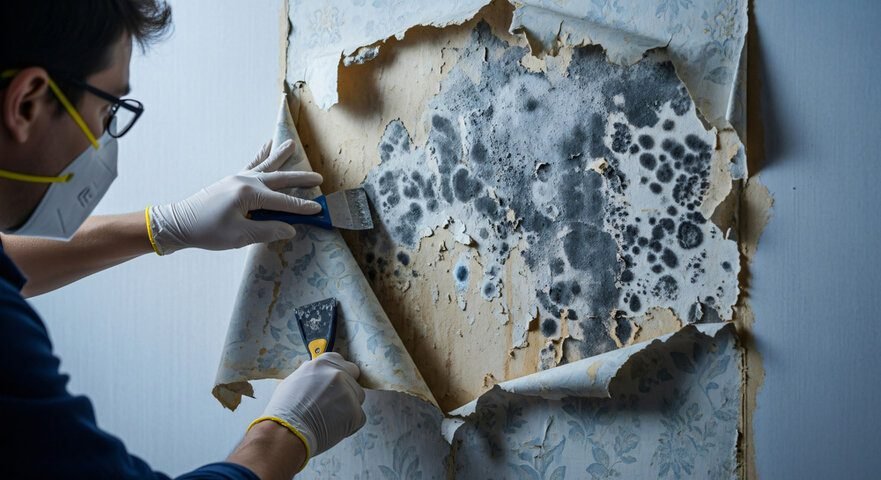
- Bubbling, peeling, or discolored paint
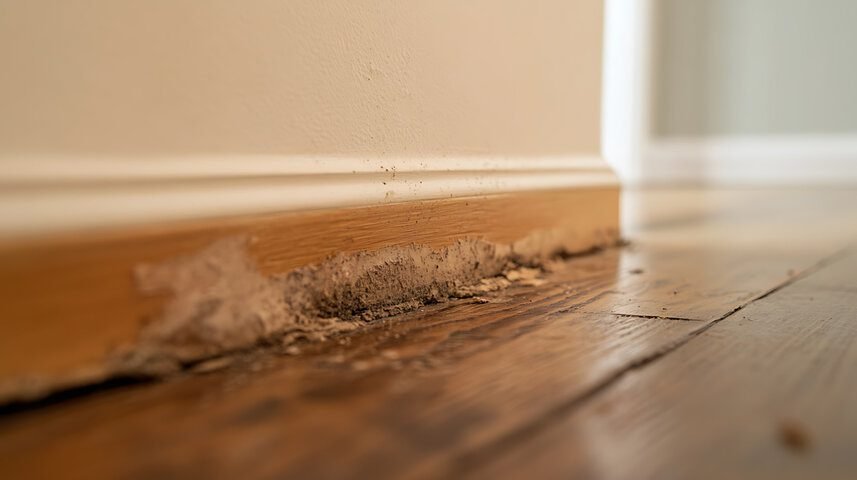
- Warped baseboards or trim
- Unexplained allergy-like symptoms indoors
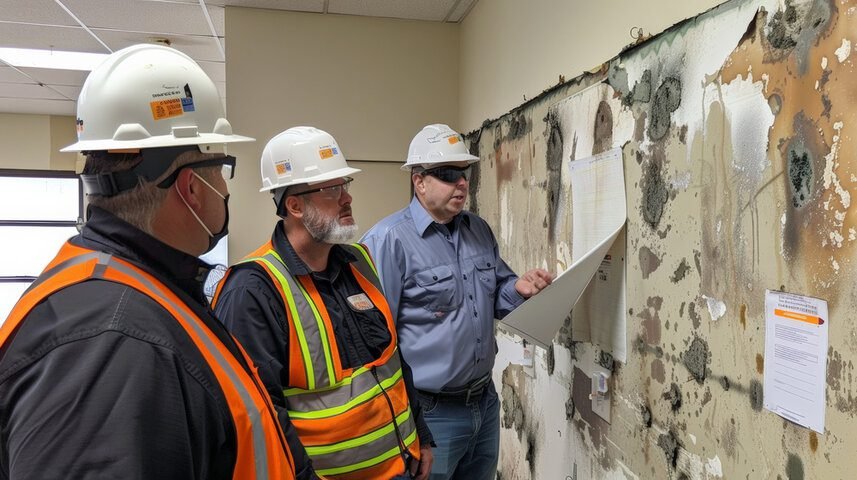
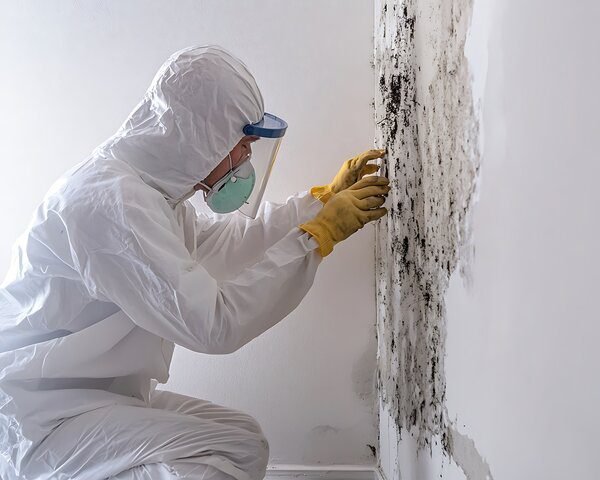
Professional water damage restoration includes moisture mapping, thermal imaging, and, when necessary, controlled drywall removal to expose and properly dry affected cavities. Simply repainting or patching a wall does not eliminate mold hidden within structural materials. Rocky Mountain Restore uses industry-standard drying equipment and containment procedures to ensure concealed mold is identified and safely addressed throughout Summit County properties.
Inside Insulation in Attics and Ceilings
Attics and ceiling cavities are particularly vulnerable to hidden mold growth after water damage. In Breckenridge and Vail, heavy snow accumulation and ice dams can force water beneath roofing materials, allowing it to seep into attic insulation and ceiling drywall. Because attics are rarely inspected, moisture can linger undetected for extended periods.
Insulation is designed to trap air, which also means it traps moisture. Once wet, many types of insulation lose their thermal effectiveness and create a damp environment ideal for mold growth. In high-altitude areas with fluctuating daytime and nighttime temperatures, condensation can further compound the problem.
Common causes of mold in attic and ceiling insulation include:
- Ice dam-related roof leaks
- Poor attic ventilation
- Exhaust fans venting into attic space
- Condensation buildup during winter months
Mold in attic insulation often spreads across roof sheathing and wooden rafters, compromising structural integrity over time. In commercial buildings in Silverthorne or Frisco, concealed roof leaks above drop ceilings can result in similar hidden mold conditions.
Professional mold remediation may involve removing and replacing saturated insulation, cleaning and treating structural wood, and correcting ventilation or roofing issues. At Rocky Mountain Restore, our team conducts thorough inspections to determine the full extent of moisture intrusion before recommending a restoration plan. Addressing both the mold and its underlying cause is essential for long-term protection.
Beneath Carpets and Saturated Subflooring
Carpet can act like a sponge during water damage events. Whether from a burst pipe in a Keystone condo or a flooding incident in a Dillon retail space, water quickly seeps through carpet fibers into the padding and subfloor below. Even if the surface feels dry after extraction, the layers beneath may remain damp.
Padding is especially susceptible to mold growth because it retains moisture and has limited airflow. In some cases, subfloor materials such as plywood or oriented strand board absorb water and begin to deteriorate, creating a hidden mold reservoir beneath finished flooring.
Hidden mold beneath carpet often results from:
- Delayed water extraction after flooding
- Inadequate drying equipment
- Reinstalling carpet too soon
- Minor leaks left unaddressed over time
Signs of mold beneath flooring may include persistent odors, uneven or soft spots, and recurring staining along baseboards. In mountain communities where properties may be unoccupied seasonally, unnoticed leaks can allow mold to spread extensively under flooring materials.
Proper water damage restoration involves lifting carpet, removing compromised padding, and thoroughly drying subflooring with commercial-grade air movers and dehumidifiers. In some cases, subfloor sections must be removed and replaced. Rocky Mountain Restore works with homeowners and commercial property managers throughout Summit County to ensure hidden mold beneath flooring is fully resolved before materials are reinstalled.
Around Window Frames and Door Casings
Windows and doors are common entry points for water, particularly in high-elevation areas where wind-driven snow and rain are frequent. In Breckenridge and Frisco homes, aging seals or improperly flashed windows can allow moisture to seep into framing materials over time.
Because water intrusion around windows and doors is often slow and gradual, mold growth may remain concealed inside trim, drywall edges, and wooden framing. Paint and caulking can temporarily mask the issue while mold spreads within the wall cavity.
Mold commonly hides in these areas due to:
- Failed window seals or cracked caulking
- Improper flashing installation
- Ice buildup along sills
- Condensation from temperature differences
Discoloration around window trim, peeling paint, or soft wood may indicate deeper moisture problems. In commercial storefronts in Silverthorne or Dillon, water infiltration around glass panels can affect interior framing without obvious surface damage.
Professional assessment typically includes moisture meter readings around window perimeters and, if needed, selective removal of trim to inspect framing. Mold remediation in these areas often involves replacing compromised wood and improving waterproofing details to prevent recurrence. Rocky Mountain Restore provides thorough evaluations and targeted repairs to protect both residential and commercial properties from hidden window and door mold issues.
Inside HVAC Systems and Air Ductwork
After water damage, HVAC systems can inadvertently distribute mold spores throughout a building. If moisture enters ductwork or settles within air handling units, mold can develop in coils, drip pans, insulation lining, and duct interiors. In tightly sealed mountain homes in Keystone and Breckenridge, HVAC systems play a major role in air circulation, increasing the importance of keeping them mold-free.
Flooding in basements or mechanical rooms may directly affect HVAC components. Even high indoor humidity following water damage can create condensation within ducts, encouraging mold growth.
Mold inside HVAC systems may result from:
- Standing water in drip pans
- Flooded mechanical rooms
- Condensation in poorly insulated ducts
- Contaminated air filters
Indicators of HVAC-related mold include musty smells when the system runs, visible dust buildup around vents, or worsening indoor air quality symptoms. Because mold spores can travel through ductwork, contamination may spread far beyond the original water-damaged area.
Professional restoration may involve duct cleaning, antimicrobial treatment, component replacement, and moisture control improvements. Rocky Mountain Restore serving Summit County and surrounding communities uses industry-approved containment and cleaning techniques to address mold within HVAC systems while protecting indoor air quality during remediation.
Crawl Spaces and Basement Corners Hidden Dampness
Crawl spaces and basements are among the most common yet overlooked mold hotspots after water damage. In Frisco and Dillon properties with partially below-grade levels, groundwater intrusion, snowmelt runoff, or plumbing leaks can create persistent dampness in these lower areas.
Because crawl spaces are rarely accessed, mold can spread across wooden joists, subflooring, and foundation walls before it is discovered. In mountain environments where soil moisture levels fluctuate seasonally, ongoing humidity can maintain conditions favorable to mold growth even after a single water event.
Hidden mold in crawl spaces and basements often stems from:
- Poor drainage around foundations
- Cracks in foundation walls
- Sump pump failures
- Inadequate vapor barriers
Homeowners may notice musty odors rising into living spaces or experience increased allergy symptoms. In commercial buildings, stored inventory or equipment in lower levels may be affected without immediate visibility.
Effective remediation includes moisture control strategies such as improved drainage, encapsulation systems, dehumidification, and removal of contaminated materials. Rocky Mountain Restore conducts detailed inspections of crawl spaces and basements throughout Summit County to identify hidden dampness and implement comprehensive solutions tailored to Colorado’s mountain climate.
Addressing mold in these concealed areas requires specialized tools, training, and an understanding of how water behaves within building systems. Fast action following water damage in Breckenridge, Silverthorne, Dillon, Frisco, Keystone, Vail, and surrounding communities significantly reduces the risk of hidden mold growth and costly structural repairs.
When water damage occurs, thorough assessment and professional drying are essential. Rocky Mountain Restore works closely with property owners and insurance providers to deliver responsive water damage restoration, mold remediation, and structural drying services throughout Summit County, including 80424 and nearby areas. By targeting hidden moisture at its source, we help protect your property, indoor air quality, and long-term peace of mind.
Frequently Asked Questions
How quickly can mold grow after water damage in Colorado mountain homes?
Mold can begin developing within 24 to 48 hours after water damage if moisture is not properly removed. In Summit County and nearby mountain communities, colder temperatures may slow visible growth, but indoor heating systems can create ideal conditions for mold behind walls and under flooring. Rocky Mountain Restore serving Breckenridge, Silverthorne, and surrounding areas responds quickly to minimize this risk through professional drying and moisture detection.
What are common signs of hidden mold after a burst pipe?
Common signs include persistent musty odors, peeling paint, warped baseboards, soft drywall, and unexplained allergy-like symptoms. In homes and businesses throughout Frisco, Dillon, and Keystone, mold often hides behind walls or beneath flooring after plumbing failures. Rocky Mountain Restore uses moisture meters and thermal imaging to locate hidden dampness and recommend appropriate remediation solutions.
Do I need professional mold remediation, or can I clean it myself?
Small surface mold on non-porous materials may be cleaned carefully, but hidden mold inside walls, insulation, HVAC systems, or subfloors requires professional remediation. Improper cleaning can spread spores and worsen indoor air quality. Rocky Mountain Restore serving Summit County provides containment, air filtration, and safe removal procedures designed to address both visible and concealed mold growth.
Will homeowners insurance cover mold remediation after water damage?
Insurance coverage depends on the source of the water damage and the terms of your policy. Sudden and accidental events like burst pipes are often covered, while long-term maintenance issues may not be. Rocky Mountain Restore works with homeowners and business owners throughout Breckenridge and surrounding mountain communities to document damage and assist with insurance claim coordination.
How do professionals detect mold behind walls or under floors?
Restoration professionals use specialized tools such as moisture meters, infrared cameras, and hygrometers to identify hidden moisture. In some cases, small inspection openings are created to assess wall cavities or subfloor conditions. Rocky Mountain Restore conducts comprehensive inspections across Summit County properties to ensure concealed mold is identified before it spreads further.
Is mold a serious health concern after water damage?
Mold exposure can contribute to respiratory irritation, allergy symptoms, headaches, and other health concerns, particularly for sensitive individuals. In tightly sealed mountain homes in areas like Silverthorne and Vail, indoor air circulation may spread spores throughout living spaces. Professional mold remediation helps reduce health risks by removing contamination and improving indoor air quality.
What should I do immediately after discovering water damage?
First, stop the source of water if it is safe to do so. Then contact a professional water damage restoration company to assess and begin drying the affected areas. Rocky Mountain Restore serving Summit County and nearby Colorado mountain communities provides responsive restoration services to help limit structural damage and prevent hidden mold growth.
How long does mold remediation typically take?
The timeline varies depending on the extent of contamination and the areas involved. Smaller projects may take a few days, while larger residential or commercial properties in Breckenridge or Frisco may require more extensive drying and repairs. Rocky Mountain Restore provides clear timelines after inspection and works efficiently to restore properties safely and thoroughly.