Water damage is one of the most common and underestimated threats to homes and commercial buildings in Summit County, Colorado. Whether caused by burst pipes during a deep freeze, roof leaks after heavy snowfall, ice dam formation, appliance failures, or spring snowmelt runoff, water intrusion can quickly evolve from a minor inconvenience into a major structural and health hazard.
At Rocky Mountain Restore, based in Breckenridge and serving nearby mountain communities throughout Summit County, our team regularly sees what happens when water damage is left untreated. What may begin as a small ceiling stain or damp carpet can quietly spread behind walls, under flooring, and into structural components. In high-elevation environments like Silverthorne, Dillon, Frisco, Keystone, and Vail, the combination of freezing temperatures, fluctuating humidity, and seasonal storms makes timely restoration even more critical.
This comprehensive guide explains the hidden dangers of untreated water damage and why fast, professional restoration protects both your property and your peace of mind.
Why Water Damage Gets Worse Over Time in Mountain Homes
In Colorado’s mountain climate, water damage does not remain static. It spreads, seeps, and compounds over time. Because many Summit County properties are vacation homes or rental units that may sit vacant for periods, minor leaks can go unnoticed for days or weeks, allowing damage to intensify.
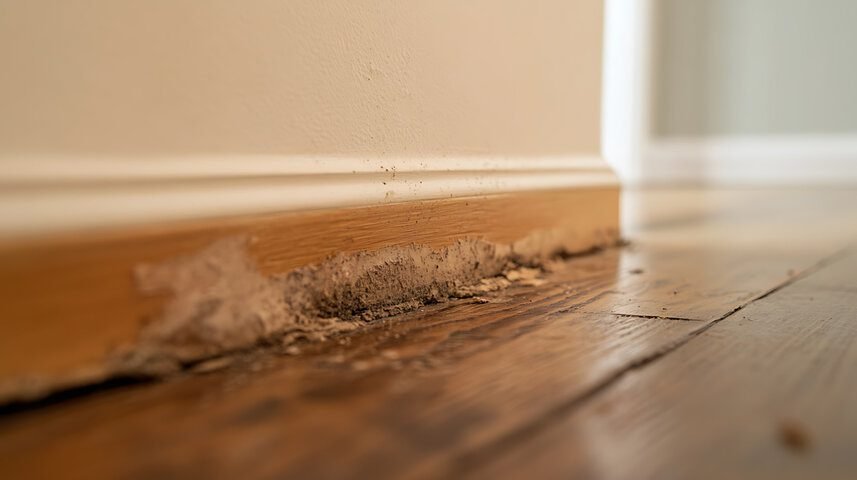
Water naturally follows the path of least resistance. It travels through insulation, along framing, beneath baseboards, and into subfloors. Even small plumbing leaks behind walls can saturate drywall and structural wood before visible signs appear.
Over time, untreated water damage leads to:
- Progressive saturation of drywall, insulation, and framing
- Warping or buckling of hardwood and engineered flooring
- Delamination of subfloors and structural sheathing
- Corrosion of metal fasteners and support components
- Electrical hazards from moisture intrusion near wiring
Mountain homes face unique stressors. Freeze-thaw cycles expand and contract materials, worsening cracks and gaps where moisture can enter. Snow accumulation on roofs adds weight and increases the risk of ice dams, which force melting water beneath shingles and into attics.
In commercial properties throughout Breckenridge and nearby towns, untreated water damage can interrupt business operations, damage inventory, and create liability risks. Offices, restaurants, retail spaces, and lodging facilities all depend on safe, dry environments to operate effectively.
The longer moisture remains, the more complex and costly the restoration becomes. What might have required localized drying initially can escalate into partial demolition and reconstruction.
Hidden Mold Growth Behind Walls and Floors
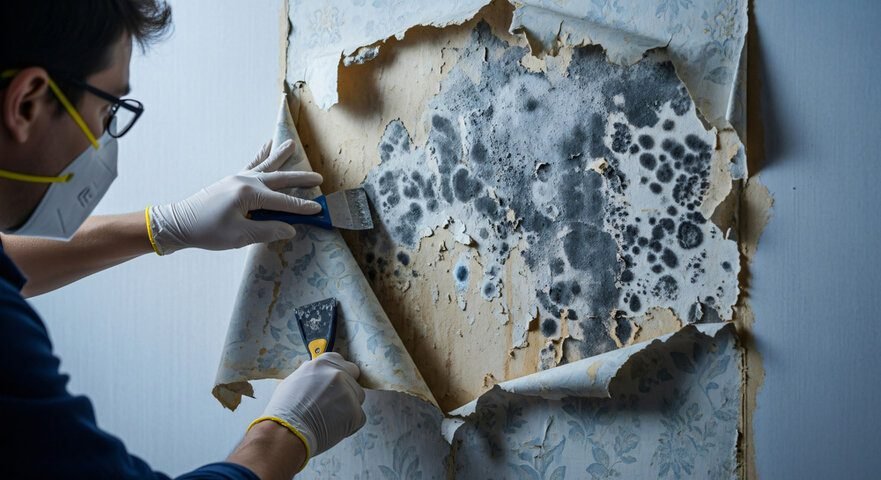
One of the most serious hidden dangers of untreated water damage is mold growth. Mold can begin developing within 24 to 48 hours in damp conditions, especially in dark, enclosed spaces such as wall cavities and under flooring.
Because mold often grows out of sight, property owners in Summit County may not realize there is a problem until odors develop or health symptoms appear. By then, contamination may have spread extensively.
Common hidden mold locations include:
- Behind drywall and baseboards
- Under carpet pads and hardwood flooring
- Inside insulation in exterior walls
- Beneath cabinets and vanities
- Inside HVAC systems and ductwork
In mountain climates like Keystone and Vail, seasonal humidity changes can compound mold risks. Snowmelt and spring runoff increase moisture levels, while tightly sealed homes trap humidity indoors. When water damage is not professionally dried, materials retain enough moisture to sustain mold colonies.
Mold growth affects more than just building materials. It can:
- Discolor walls and ceilings
- Produce persistent musty odors
- Trigger allergy-like symptoms
- Reduce indoor air quality
- Spread spores throughout the property
Professional mold remediation involves containment, air filtration, safe removal of affected materials, and thorough drying. Simply painting over a stain or replacing visible drywall without addressing moisture behind it allows mold to return.
Rocky Mountain Restore provides comprehensive mold inspection and remediation services throughout Summit County, ensuring moisture sources are identified and corrected before rebuilding begins.
Structural Damage in Colorado’s Climate Challenges
Water intrusion weakens structural components over time, particularly in high-altitude environments where temperature extremes are common. In Breckenridge and surrounding communities, building materials endure heavy snow loads, cold winters, and strong UV exposure. When moisture infiltrates structural elements, these stresses accelerate deterioration.
Wood framing absorbs water and expands. As it dries unevenly, it can warp or crack. Prolonged saturation may lead to rot, compromising load-bearing integrity.
Structural risks associated with untreated water damage include:
- Rotting floor joists and wall studs
- Sagging ceilings from saturated drywall
- Compromised roof decking
- Foundation cracks from drainage issues
- Rusted fasteners and metal connectors
In mountain homes, crawl spaces and basements are particularly vulnerable during spring thaw. Poor drainage around foundations can allow water intrusion that weakens support systems over time.
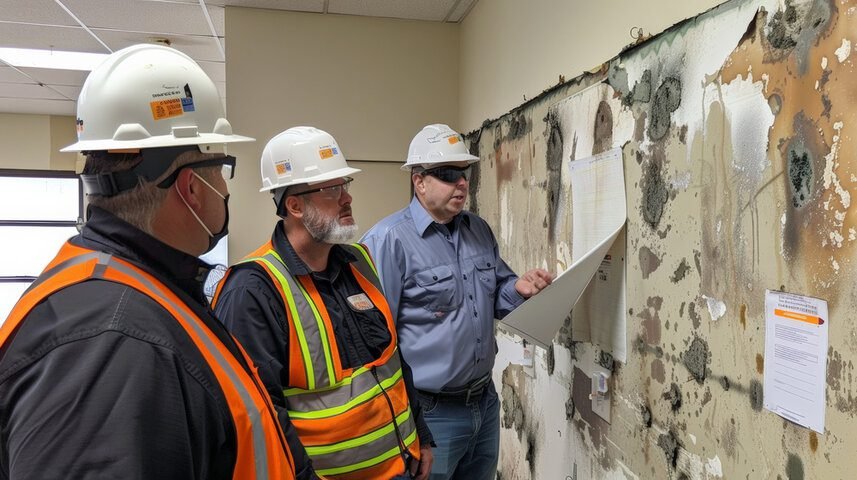
Commercial buildings in Silverthorne and Dillon face similar risks. Multi-unit properties and mixed-use spaces can experience hidden damage between shared walls or floors. Without professional moisture mapping and drying, damage may spread beyond the initially affected area.
Over time, structural repairs become significantly more expensive than early mitigation. Addressing water intrusion quickly helps preserve framing, subflooring, and other core components, reducing the need for extensive reconstruction.
Health Risks From Lingering Moisture and Bacteria
Beyond structural concerns, untreated water damage poses serious health risks. Standing water and damp materials create ideal conditions for bacteria, mold spores, and other microbial growth.
Water damage is typically categorized by contamination level. Clean water from a supply line can quickly degrade into contaminated water if left untreated. Gray or black water from sewage backups or storm intrusion carries higher health risks and requires specialized remediation.
Potential health hazards include:
- Respiratory irritation from mold spores
- Increased asthma and allergy symptoms
- Skin irritation from contaminated surfaces
- Bacterial exposure from sewage-related water damage
- Odors that signal microbial activity
In Summit County homes that remain closed during winter months, stagnant moisture can create concentrated indoor air quality issues. When occupants return, they may immediately notice musty odors or respiratory discomfort.
Children, elderly individuals, and those with compromised immune systems are particularly sensitive to mold and bacteria exposure. For commercial properties such as lodging facilities or offices in Frisco or Keystone, indoor air quality directly affects guests and employees.
Professional water damage restoration includes:
- Rapid water extraction
- Industrial-grade dehumidification
- Antimicrobial treatments
- Air scrubbing and filtration
- Moisture testing to confirm complete drying
Thorough remediation protects both the physical structure and the people inside it.
Insurance Complications After Delays in Reporting Damage
Another hidden danger of untreated water damage is the potential impact on insurance claims. Many property insurance policies require prompt reporting and reasonable mitigation efforts to prevent further damage.
When damage is left unaddressed for an extended period, insurers may question whether it resulted from sudden, accidental events or long-term neglect.
Delays can lead to:
- Reduced claim payouts
- Coverage disputes
- Denied claims due to lack of maintenance
- Increased out-of-pocket repair costs
- Documentation challenges
For homeowners and businesses in Breckenridge and nearby mountain communities, documenting damage quickly is essential. Photographs, professional assessments, and moisture readings help establish the cause and extent of loss.
Rocky Mountain Restore works closely with property owners and insurance providers throughout Summit County to:
- Provide detailed damage assessments
- Document affected areas
- Develop clear restoration scopes
- Communicate with adjusters
- Support timely claim processing
Prompt professional intervention demonstrates responsible action, which may help streamline the claims process and reduce complications.
Why Fast Restoration Protects Your Property
Time is the most critical factor in minimizing water damage. Rapid response reduces secondary damage, limits mold growth, and protects structural components.
In Colorado mountain communities, fast restoration is especially important due to environmental conditions that can worsen water intrusion. Freezing temperatures may cause additional pipe breaks, while fluctuating humidity complicates drying efforts.
The benefits of immediate professional restoration include:
- Reduced repair costs
- Minimized demolition
- Lower mold risk
- Faster return to normal operations
- Improved indoor air quality
The restoration process typically includes:
- Emergency water extraction
- Moisture detection and mapping
- Controlled demolition of unsalvageable materials
- Structural drying and dehumidification
- Repairs and reconstruction
Rocky Mountain Restore, based in Breckenridge and serving Summit County including Silverthorne, Dillon, Frisco, Keystone, and surrounding mountain areas, focuses on thorough assessment and efficient restoration. Our team understands how Colorado’s altitude, snow loads, and seasonal weather patterns affect drying timelines and building materials.
Whether for residential homes or commercial properties, proactive restoration preserves long-term value. Addressing water damage immediately protects your investment, safeguards occupant health, and reduces stress during an already challenging situation.
Frequently Asked Questions
How quickly should water damage be addressed in Summit County homes?
Water damage should be addressed immediately, ideally within 24 hours. In Colorado mountain communities like Breckenridge and Silverthorne, cold temperatures and humidity fluctuations can worsen damage quickly. Rocky Mountain Restore serving Summit County and nearby communities offers rapid response services to extract water, dry affected materials, and prevent mold growth before it spreads.
Can water damage cause mold even if I don’t see visible growth?
Yes, mold can begin growing within 24 to 48 hours in hidden areas such as behind walls, under flooring, and inside insulation. In homes throughout Dillon, Frisco, and Keystone, mold often develops out of sight after leaks or snowmelt intrusion. Professional moisture detection and drying from Rocky Mountain Restore helps prevent hidden mold colonies from forming.
Does homeowners insurance cover water damage restoration in Colorado?
Coverage depends on the source of the water damage and the terms of your policy. Sudden and accidental events like burst pipes are often covered, while long-term leaks may not be. Rocky Mountain Restore serving Summit County works directly with property owners and insurance providers to document damage and support the claims process efficiently.
What are the health risks of untreated water damage?
Untreated water damage can lead to mold growth, bacterial contamination, and reduced indoor air quality. Occupants may experience respiratory irritation, allergy symptoms, or other health concerns. In both residential and commercial properties across Breckenridge and nearby mountain communities, professional restoration helps protect occupant health and safety.
How do professionals dry water-damaged structures in mountain climates?
Professional restoration teams use industrial air movers, dehumidifiers, moisture meters, and thermal imaging tools to ensure complete drying. In high-altitude areas like Summit County, drying strategies must account for temperature swings and lower air pressure. Rocky Mountain Restore applies climate-appropriate drying techniques to achieve thorough results.
Can untreated water damage affect the structural integrity of my home?
Yes, prolonged moisture exposure can rot wood framing, weaken subfloors, and corrode metal components. In Colorado mountain homes subject to heavy snow loads, structural strength is critical. Prompt mitigation and repairs from an experienced restoration company serving Summit County help preserve your property’s long-term stability.
What should I do immediately after discovering water damage?
First, ensure safety by turning off electricity in affected areas if necessary. Then stop the source of water if possible and contact a professional restoration company. Rocky Mountain Restore serving Breckenridge and surrounding communities provides assessment, water extraction, and complete restoration services to help minimize further damage.
Do commercial properties in Summit County require different restoration approaches?
Commercial properties often involve larger spaces, shared walls, and operational considerations. Offices, retail stores, and lodging facilities in areas like Vail and Frisco may require phased restoration to reduce business interruption. Rocky Mountain Restore provides tailored commercial water damage restoration solutions throughout Summit County and nearby regions.