
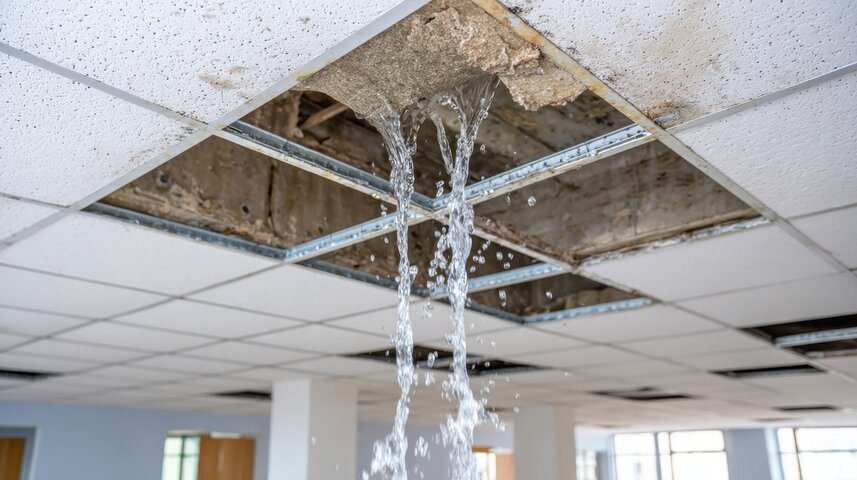
Storms in Colorado’s high country can change quickly. Heavy rain, rapid snowmelt, hail, and wind-driven water can overwhelm gutters, seep into basements, and saturate crawl spaces in a matter of hours. For homeowners in Breckenridge, Silverthorne, Dillon, Frisco, Keystone, Vail, and surrounding mountain communities, knowing what to do immediately after a storm can make the difference between minor repairs and major structural damage.
Storm water cleanup is more than simply removing standing water. It involves assessing structural integrity, preventing secondary damage such as mold growth, protecting indoor air quality, and working with insurance providers to document losses accurately. In Summit County, where mountain weather and elevation create unique moisture challenges, professional restoration knowledge is especially important.
Rocky Mountain Restore, based in Breckenridge, Colorado, serves homeowners and businesses throughout Summit County and nearby mountain communities. With extensive experience in water damage restoration, mold remediation, fire and smoke cleanup, and insurance restoration, their team understands how storm-related water intrusion affects properties in the Colorado high country. The following guide explains what homeowners should do step by step after storm water damage.
Assessing Storm Damage Safely at Home After Heavy Rain
After a severe storm passes, your first instinct may be to start cleaning immediately. However, safety should always come first. Standing water, saturated building materials, and compromised electrical systems create hazards that are not always visible.
Before entering affected areas, carefully evaluate conditions inside and outside your home. Look for signs of structural damage, fallen branches, shifting soil, or damaged roofing. In mountain towns like Breckenridge and Frisco, steep slopes and snowmelt can increase the risk of erosion and foundation stress after heavy rainfall.
When assessing storm damage, keep these safety priorities in mind:
- Turn off electricity to affected areas if it is safe to do so
- Avoid contact with standing water if electrical systems may be compromised
- Watch for sagging ceilings or warped flooring
- Wear protective gear such as gloves and waterproof boots
Storm water may also carry contaminants. Runoff from streets, landscaping, and nearby construction areas can introduce bacteria, debris, and chemicals into your home. This makes even small amounts of water intrusion potentially hazardous.
Walk through your home systematically. Check basements, crawl spaces, window wells, and areas near exterior doors. Inspect ceilings for stains and feel walls and flooring for dampness. Early detection can prevent moisture from spreading into insulation and structural framing.
If you suspect hidden water behind walls or under flooring, professional moisture detection equipment may be necessary. Restoration teams serving Summit County use thermal imaging and moisture meters to identify areas that are not visible to the naked eye, ensuring no pockets of trapped moisture are overlooked.
Immediate Steps to Prevent Further Water Damage
Once safety has been addressed, acting quickly is critical. Water begins damaging building materials within minutes, and mold growth can start within 24 to 48 hours under the right conditions.
The first goal is to stop the source of water intrusion. This may involve clearing clogged gutters, placing temporary tarps over roof damage, or diverting water away from the foundation. In mountain communities like Dillon and Silverthorne, rapid snowmelt combined with rain can overwhelm drainage systems, so redirecting flow away from the home is essential.
Key immediate actions include:
- Remove standing water using wet vacuums or pumps if safe
- Open windows when weather permits to increase airflow
- Use fans and dehumidifiers to begin drying
- Remove wet rugs, furniture, and belongings from affected areas
- Lift furniture onto blocks to prevent further absorption
Carpet and padding can trap significant amounts of water. If saturation is extensive, removal may be necessary to prevent long-term damage. Hardwood flooring can cup or warp quickly in humid conditions common after storms in Keystone and Vail.
It is also important to remove porous materials that cannot be thoroughly dried. Insulation, ceiling tiles, and certain types of drywall may require replacement if heavily saturated. Leaving compromised materials in place can lead to mold growth and unpleasant odors.
Professional restoration teams often use industrial-grade air movers and commercial dehumidifiers to accelerate the drying process. In high-elevation environments like Summit County, lower atmospheric pressure can affect drying times, making specialized equipment particularly valuable.
When to Call a Local Mountain Restoration Pro
Some minor water issues can be handled by homeowners, but storm-related flooding often requires professional attention. The unique construction styles, elevation challenges, and freeze-thaw cycles in Colorado mountain homes demand specialized expertise.
You should consider contacting a professional restoration company if:
- Water has entered wall cavities or crawl spaces
- There is visible mold growth or musty odors
- Structural materials such as beams or subflooring are saturated
- Electrical systems may have been exposed to moisture
- The affected area exceeds a small, contained space
Rocky Mountain Restore, based in Breckenridge and serving Summit County and nearby communities, responds to residential and commercial storm damage throughout the region. Their team understands how quickly moisture can compromise mountain homes and works to mitigate further damage before repairs begin.
Professional restoration goes beyond water extraction. It includes moisture mapping, structural drying, antimicrobial treatments, and coordination with insurance providers. Attempting to handle large-scale storm water cleanup without proper equipment can lead to hidden moisture problems that surface months later.
In towns like Frisco and Silverthorne, where many homes include finished basements and lower-level living spaces, water intrusion can affect multiple layers of flooring and insulation. Professional assessment ensures that every impacted layer is properly addressed.
Documenting Damage for Your Insurance Claim
Thorough documentation is one of the most important steps after storm water intrusion. Accurate records help ensure a smoother insurance claim process and reduce the risk of disputes.
Begin documenting damage as soon as it is safe to do so. Take clear photos and videos of all affected areas before removing damaged materials. Capture wide shots to show the overall extent and close-ups for detail.
Effective documentation should include:
- Photos of standing water and water lines on walls
- Images of damaged furniture and personal belongings
- Notes on the date and time of the storm
- Copies of any emergency repair receipts
- Communication records with your insurance company
Create a detailed inventory of damaged items, including approximate purchase dates and estimated values. For homeowners in Summit County, keeping digital copies stored securely in the cloud can help protect records from further loss.
Rocky Mountain Restore works closely with property owners and insurance providers throughout Breckenridge, Dillon, and surrounding mountain communities. Professional restoration teams can provide detailed moisture reports, drying logs, and repair estimates that support your claim.
Prompt communication with your insurance carrier is essential. Many policies require timely reporting of damage. A restoration company experienced in insurance restoration can help you understand coverage limits and required documentation without replacing the role of your insurer or adjuster.
Preventing Mold After Storm Water Intrusion
Mold prevention is a top priority after any storm water event. Mountain homes in areas like Keystone and Vail often experience temperature fluctuations that create condensation, further contributing to moisture problems.
Mold thrives in damp, organic materials such as drywall, wood, and carpet padding. Even small amounts of residual moisture can create ideal conditions for growth. That is why thorough drying is critical.
To reduce the risk of mold:
- Dry affected areas within 24 to 48 hours
- Remove water-damaged porous materials
- Maintain indoor humidity below 50 percent
- Use dehumidifiers and air movers consistently
- Inspect hidden spaces such as behind baseboards
Signs of mold may include musty odors, discoloration on walls or ceilings, and worsening allergy symptoms. Mold can compromise indoor air quality and pose health concerns, particularly for individuals with respiratory sensitivities.
Professional mold remediation services available throughout Summit County involve containment, air filtration, removal of contaminated materials, and thorough cleaning. Rocky Mountain Restore provides mold remediation services designed to restore safe indoor environments after storm-related water damage.
Preventative antimicrobial treatments may also be applied during the drying phase to inhibit microbial growth. This proactive approach is particularly important in mountain climates where drying conditions can vary significantly depending on elevation and weather patterns.
Long-Term Repairs for Mountain Climate Homes
Storm water cleanup does not end when surfaces appear dry. Long-term repairs ensure that your home remains structurally sound and protected against future events.
In Summit County and surrounding mountain communities, homes are exposed to intense UV rays, heavy snow loads, freeze-thaw cycles, and rapid weather changes. These factors can worsen vulnerabilities revealed by storm damage.
Long-term repair considerations include:
- Replacing compromised insulation with moisture-resistant materials
- Upgrading sump pumps or drainage systems
- Installing improved gutter and downspout extensions
- Sealing foundation cracks
- Reinforcing roofing and flashing
Basements and crawl spaces may benefit from vapor barriers and improved ventilation systems. In areas like Breckenridge and Frisco, where snowmelt contributes to seasonal moisture challenges, proper grading and drainage play a significant role in prevention.
Restoration professionals assess not only visible damage but also structural components such as framing, subfloors, and support beams. Addressing hidden deterioration early can prevent costly repairs down the road.
Rocky Mountain Restore provides comprehensive restoration services for both residential and commercial properties throughout Summit County. From water extraction and mold remediation to reconstruction and insurance restoration, their team helps property owners rebuild with resilience in mind.
Storm preparedness should also become part of your long-term maintenance plan. Routine inspections of roofing, gutters, and exterior seals can reduce the likelihood of future water intrusion. In Colorado’s high country, proactive care is one of the best investments a homeowner can make.
Frequently Asked Questions
How quickly should storm water damage be addressed in mountain homes?
Storm water damage should be addressed immediately, ideally within the first 24 hours. In high-elevation communities like Breckenridge and Dillon, temperature fluctuations and humidity can accelerate material deterioration and mold growth. Rocky Mountain Restore serving Summit County and nearby communities offers rapid response restoration services to help minimize secondary damage and begin professional drying as soon as possible.
Can storm water cause mold even if the area looks dry?
Yes, mold can develop even when surfaces appear dry. Moisture often remains trapped behind drywall, under flooring, and inside insulation. In Colorado mountain homes, hidden dampness combined with variable temperatures creates ideal conditions for mold growth. Professional moisture detection and drying services help ensure that affected areas are fully restored.
Does homeowners insurance cover storm water damage?
Coverage depends on your specific policy and the source of water intrusion. Many homeowners insurance policies cover sudden and accidental storm damage but may exclude certain types of flooding. Property owners in Summit County should review their policies carefully and consult with their insurance provider. Restoration companies like Rocky Mountain Restore can assist by providing documentation to support your claim.
What equipment is used in professional storm water cleanup?
Professional storm water cleanup typically involves high-capacity water extractors, industrial air movers, commercial dehumidifiers, moisture meters, and thermal imaging cameras. In mountain regions such as Frisco and Silverthorne, specialized drying strategies may be required due to elevation and climate factors. This equipment helps ensure thorough structural drying and mold prevention.
How long does storm water restoration take?
The timeline depends on the extent of the damage. Minor water intrusion may require several days of drying, while extensive flooding could take weeks including repairs. Rocky Mountain Restore serving Breckenridge and surrounding Summit County communities provides detailed timelines after assessing the property and monitoring moisture levels throughout the process.
Is it safe to stay in my home during storm water cleanup?
Safety depends on the severity of the damage. If electrical systems, structural components, or indoor air quality are compromised, temporary relocation may be recommended. A professional assessment helps determine whether it is safe to remain in the property while restoration work is underway.
What makes mountain homes more vulnerable to storm water damage?
Mountain homes face unique risks including steep terrain, rapid snowmelt, heavy rainfall, and freeze-thaw cycles. These conditions can stress roofing systems, foundations, and drainage infrastructure. Homeowners in Keystone, Vail, and surrounding areas benefit from working with restoration professionals familiar with high-altitude building challenges.
Can commercial properties in Summit County receive storm damage restoration services?
Yes, commercial buildings can experience significant storm water intrusion affecting offices, retail spaces, and hospitality properties. Rocky Mountain Restore provides commercial restoration services throughout Summit County and nearby Colorado mountain communities, helping businesses recover quickly and safely after severe weather events.