
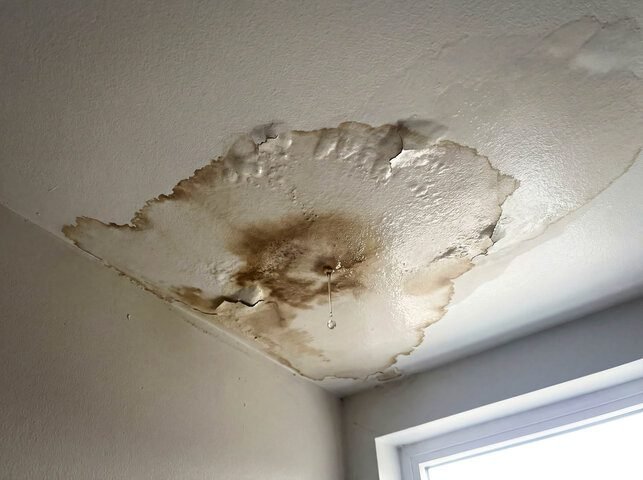
Colorado’s mountain communities are known for breathtaking views, world-class recreation, and dramatic weather patterns. For homeowners in Breckenridge, Silverthorne, Dillon, Frisco, Keystone, Vail, and throughout Summit County, severe storms are a part of life. Heavy snow, ice dams, hail, high winds, and sudden temperature shifts can all cause serious damage to residential properties. When disaster strikes, fast and professional storm damage restoration for residential properties is essential to protect your investment and your family’s safety.
Rocky Mountain Restore is a locally trusted property damage restoration company based in Breckenridge, Colorado, serving homeowners and businesses throughout Summit County and nearby mountain communities. With extensive experience in Colorado’s unique alpine climate, the team provides responsive, thorough, and professional restoration services following severe weather events. From emergency water extraction to structural repairs and insurance coordination, Rocky Mountain Restore helps homeowners recover with confidence.
Below, we explore what storm damage means for mountain homes, how emergency response works, and how to choose the right restoration partner in Colorado’s high country.
Understanding Storm Damage to Mountain Homes
Mountain homes in Summit County face different storm-related risks than properties on the Front Range or plains. Elevation, freeze-thaw cycles, and heavy snow loads create unique stress on roofs, siding, windows, and foundations. Even a single storm can trigger hidden damage that worsens over time if not addressed quickly.
In Breckenridge and surrounding areas, storm damage often involves a combination of water intrusion, structural stress, and exterior material failure. High winds can lift shingles or tear off flashing, while hail may crack siding and break window seals. Snow accumulation and ice dams can force melting water beneath roofing materials, leading to leaks inside attics and walls.
Common types of storm damage to mountain homes include:
- Roof leaks from wind-lifted shingles or ice dams
- Hail impact damage to siding, windows, and gutters
- Water intrusion through compromised flashing or seals
- Structural stress from heavy snow loads
- Fallen trees or branches damaging roofs and decks
Many homeowners don’t realize that storm damage isn’t always immediately visible. Water can seep behind siding or insulation, creating hidden moisture pockets that lead to mold growth or wood rot weeks later. That is why a professional inspection after severe weather is critical, even if the damage appears minor.
In high-altitude communities like Frisco and Dillon, rapid temperature swings are especially problematic. Daytime melting followed by nighttime freezing expands trapped moisture, worsening cracks and separating materials. Over time, this cycle can significantly weaken structural components if repairs are delayed.
Emergency Response After Severe Weather Events
When a storm hits, the first 24 to 48 hours are crucial. Prompt action can prevent secondary damage, reduce restoration costs, and speed up recovery. Rocky Mountain Restore provides responsive emergency services throughout Summit County and nearby Colorado mountain regions following severe property emergencies.
After a storm, homeowners should prioritize safety. Downed power lines, unstable roofing materials, and standing water can all pose hazards. Once the property is safe to access, a professional restoration team can assess the damage and implement immediate mitigation measures.
Emergency response services typically include:
- Temporary tarping of damaged roofs
- Board-up services for broken windows and doors
- Water extraction and drying
- Debris removal and site stabilization
- Moisture mapping and damage documentation
In communities such as Keystone and Silverthorne, quick tarping and sealing are especially important due to unpredictable follow-up storms. Temporary protective measures prevent additional rain or snow from entering the structure while a full restoration plan is developed.
Professional restoration teams use advanced moisture detection equipment to identify hidden water intrusion. Thermal imaging cameras, moisture meters, and air movers are deployed to stop damage at its source. This proactive approach helps homeowners avoid larger repairs down the road.
A detailed inspection and documentation process also supports insurance claims. Clear photos, written reports, and moisture readings establish a record of storm-related damage, helping streamline communication with insurance providers.
Comprehensive Roof and Siding Repairs Services
The roof and exterior envelope of a mountain home are its first line of defense against Colorado’s harsh weather. When storms compromise roofing or siding systems, immediate repair is essential to protect the interior from water and structural damage.
In Breckenridge and Vail, heavy snow accumulation combined with wind-driven precipitation places extraordinary demands on roofing systems. Even minor vulnerabilities can become major leaks under these conditions. Rocky Mountain Restore works with homeowners to assess and repair roof damage thoroughly and professionally.
Roof restoration services may include:
- Shingle or metal panel replacement
- Flashing repair and resealing
- Ice dam damage repair
- Underlayment replacement
- Structural decking repairs
Siding repairs are equally important. Hail impacts can crack fiber cement boards, dent metal panels, and loosen vinyl siding. Damaged siding allows moisture to penetrate behind exterior walls, potentially affecting insulation and framing.
Exterior repair services often involve:
- Replacement of cracked or dented siding panels
- Resealing of joints and seams
- Window and door frame repairs
- Gutter and downspout replacement
- Exterior painting and finishing
Mountain homes often feature custom architectural elements such as timber frames and natural wood siding. These materials require specialized care to ensure repairs blend seamlessly with the existing design. Rocky Mountain Restore understands the construction styles common throughout Summit County and works to preserve both structural integrity and aesthetic value.
Comprehensive repairs go beyond surface fixes. A proper restoration plan addresses underlying damage, ensuring the entire building envelope performs effectively during future storms.
Working With Insurance After a Storm Claim
Filing an insurance claim after storm damage can feel overwhelming. Homeowners may be unsure what is covered, how to document damage, or how to communicate effectively with adjusters. Having a restoration partner who understands the process can make a significant difference.
Rocky Mountain Restore works closely with property owners and insurance providers throughout Summit County. The team helps document storm damage thoroughly and provides detailed estimates that align with industry standards.
Key steps in the insurance process often include:
- Immediate damage documentation with photos and reports
- Detailed scope of work and repair estimates
- Coordination with insurance adjusters
- Clarification of covered versus non-covered items
- Ongoing communication throughout the restoration process
In communities like Dillon and Frisco, where second homes and rental properties are common, storm damage may go unnoticed for days or weeks. In these cases, detailed reporting becomes even more important to establish timelines and causation.
Clear, accurate documentation supports fair claim evaluations. Restoration professionals can explain technical findings in a way that aligns with policy language, helping homeowners better understand their coverage and options.
While every policy is different, working with an experienced restoration company ensures that repairs meet both insurance requirements and local building codes. This reduces delays and helps homeowners move forward more confidently.
Preventing Secondary Water and Mold Issues
One of the biggest risks following storm damage is secondary water intrusion and mold growth. Even small leaks can create the conditions needed for mold to develop within 24 to 48 hours. In mountain climates with insulated, tightly sealed homes, moisture can become trapped quickly.
Rocky Mountain Restore provides professional water damage restoration and mold remediation services for residential and commercial properties in Breckenridge and surrounding communities. The goal is not only to repair visible damage but to prevent long-term health and structural concerns.
Preventive mitigation steps may include:
- Rapid water extraction and structural drying
- Removal of wet insulation and drywall
- Dehumidification of affected areas
- Antimicrobial treatments
- Post-drying moisture verification
Ice dams are a frequent cause of hidden water intrusion in Summit County homes. When melting snow refreezes at the roof edge, water backs up beneath shingles and seeps into attic spaces. Without prompt drying and insulation replacement, mold can develop behind ceilings and walls.
Proper ventilation and insulation upgrades are sometimes recommended as part of the restoration plan. Improving airflow in attics and ensuring balanced insulation levels can reduce the risk of future ice dam formation and moisture buildup.
By addressing storm damage comprehensively, homeowners reduce the likelihood of costly secondary repairs months later. A proactive approach protects indoor air quality and preserves the long-term value of the property.
Choosing a Local Restoration Partner You Trust
Selecting the right restoration company after a storm is one of the most important decisions a homeowner can make. Mountain environments require specialized knowledge, and local experience matters.
Rocky Mountain Restore is based in Summit County, Colorado, and understands the construction styles, weather patterns, and building codes specific to communities such as Breckenridge, Silverthorne, Dillon, Frisco, Keystone, and nearby mountain towns. This local expertise allows for tailored solutions that address both immediate damage and long-term resilience.
When evaluating a restoration partner, consider:
- Experience with Colorado mountain weather damage
- Comprehensive services including water, fire, and mold restoration
- Clear communication and detailed documentation
- Familiarity with local building codes and insurance processes
- Commitment to safety and quality workmanship
A locally based team can respond quickly and provide ongoing support throughout the restoration process. Homeowners benefit from working with professionals who are invested in the community and understand its unique challenges.
Trust is built through transparency, consistent communication, and high standards of workmanship. By partnering with a restoration company that prioritizes thorough assessment and professional execution, homeowners can feel confident their property is in capable hands.
Storm damage restoration for residential properties is about more than repairs. It is about restoring comfort, safety, and peace of mind in the place you call home.
Frequently Asked Questions
How quickly should storm damage be addressed in mountain communities like Breckenridge?
Storm damage should be inspected and addressed as soon as it is safe to do so, ideally within the first 24 to 48 hours. In high-elevation areas like Breckenridge and throughout Summit County, additional snow or rain can worsen existing damage. Rocky Mountain Restore serving Summit County and nearby communities offers responsive mitigation services to help stabilize properties and prevent secondary issues such as water intrusion and mold growth.
Does homeowners insurance cover storm damage restoration in Colorado?
Most homeowners insurance policies in Colorado cover sudden and accidental storm damage, including wind, hail, and certain types of water intrusion. However, coverage details vary by policy and exclusions may apply. Rocky Mountain Restore works with homeowners throughout Summit County to document damage, provide detailed estimates, and coordinate with insurance adjusters to support a smooth claims process.
What are signs of hidden water damage after a severe storm?
Signs of hidden water damage can include musty odors, discoloration on ceilings or walls, peeling paint, warped flooring, and increased indoor humidity. In mountain homes, ice dam leaks may not become visible until days later. Rocky Mountain Restore uses moisture detection tools and thermal imaging to identify concealed water intrusion in homes across Breckenridge, Frisco, and surrounding areas.
Can storm damage lead to mold growth in my home?
Yes, storm-related water intrusion can create ideal conditions for mold growth within 24 to 48 hours if not properly dried. Attics, crawl spaces, and wall cavities are particularly vulnerable in mountain homes. Rocky Mountain Restore provides professional water extraction, structural drying, and mold remediation services throughout Summit County to help prevent long-term health and structural concerns.
Do I need a professional inspection if the roof damage looks minor?
Even minor roof damage can allow water to penetrate beneath shingles or flashing, especially during heavy snow or wind-driven rain. What appears to be small exterior damage may hide larger structural issues. A professional inspection from a local restoration company like Rocky Mountain Restore ensures that hidden problems are identified and addressed before they escalate.
How long does storm damage restoration typically take?
The timeline for storm damage restoration depends on the severity and extent of the damage. Minor repairs may take a few days, while extensive structural restoration can take several weeks. Rocky Mountain Restore serving Summit County and nearby Colorado mountain communities provides clear project timelines and ongoing updates to help homeowners plan accordingly.
What should I do immediately after storm damage occurs?
After ensuring personal safety, document visible damage with photos and contact a professional restoration company for an inspection. Avoid climbing onto the roof or entering unsafe areas. Rocky Mountain Restore offers responsive storm damage mitigation services throughout Breckenridge, Dillon, Silverthorne, and surrounding mountain communities to help secure and assess properties quickly.
Can Rocky Mountain Restore help with both residential and commercial storm damage?
Yes, Rocky Mountain Restore provides storm damage restoration, water damage cleanup, fire and smoke restoration, and mold remediation services for both residential and commercial properties in Summit County and nearby areas. Their team works with property owners and insurance providers to restore homes and businesses safely and efficiently after severe weather events.