
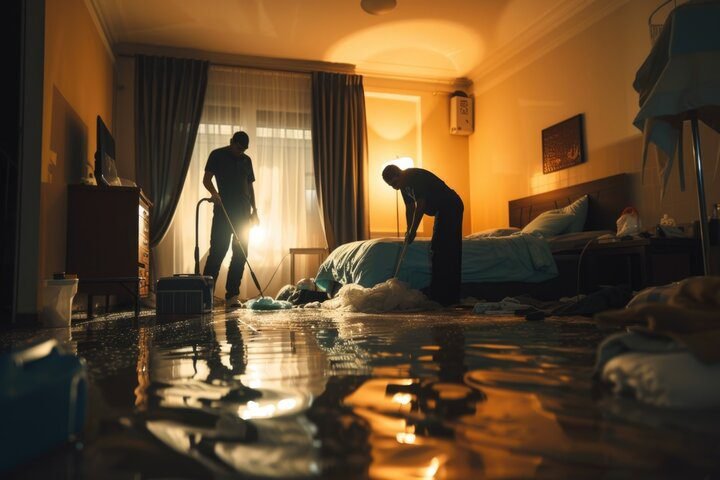
Colorado’s high-elevation communities are known for their beauty, recreation, and thriving local businesses. From ski resorts in Breckenridge to retail shops in Frisco and hospitality properties in Vail, commercial spaces across Summit County depend on safe, functional buildings year-round. But the same mountain climate that draws visitors can also create intense weather events that threaten commercial properties.
Storm damage cleanup for Colorado businesses requires fast action, specialized knowledge, and a deep understanding of mountain conditions. Rocky Mountain Restore, based in Breckenridge, Colorado, provides residential and commercial property damage restoration services throughout Summit County and surrounding mountain communities including Silverthorne, Dillon, Keystone, and nearby areas. With experience handling water, wind, hail, and snow-related damage, the team focuses on protecting businesses, minimizing downtime, and restoring confidence after severe weather.
This comprehensive guide explains the risks Colorado businesses face, what emergency response should look like, and how professional restoration helps commercial properties recover fully and safely.
Understanding Storm Damage Risks in Colorado
Colorado’s mountain climate is unpredictable and often extreme. Businesses in Summit County face unique weather challenges that differ significantly from those at lower elevations. Sudden snowstorms, rapid spring melt, hail events, and powerful winds can all cause serious structural and interior damage.
High altitude also increases UV exposure, temperature swings, and freeze-thaw cycles. These environmental factors can weaken roofing systems, compromise siding, and strain building envelopes over time. When a major storm hits, vulnerabilities quickly turn into costly damage.
Common storm-related risks for Colorado businesses include:
- Heavy snow loads causing roof stress or collapse
- Ice dams leading to interior water intrusion
- Hail damage to roofing membranes, skylights, and HVAC units
- Wind-driven rain penetrating exterior walls and windows
- Flash flooding from rapid snowmelt or summer storms
In commercial settings, even minor roof or window damage can escalate quickly. A small leak above a retail space in Dillon or a restaurant in Keystone can saturate insulation, damage ceilings, and create conditions for mold growth within 24 to 48 hours. For office buildings in Silverthorne or lodging properties in Breckenridge, storm damage can disrupt operations, displace tenants, and impact revenue during peak tourist seasons.
Beyond physical damage, storms also pose safety and liability risks. Wet flooring, ceiling collapses, and electrical exposure create hazards for employees and customers. Business owners must respond quickly to mitigate risks and maintain compliance with safety standards.
Colorado mountain communities also face seasonal patterns that intensify certain types of damage:
- Winter: Snow accumulation, ice dams, frozen pipes
- Spring: Snowmelt flooding, foundation seepage
- Summer: Hailstorms, high winds, heavy rain
- Fall: Early freezes and temperature fluctuations
Understanding these seasonal threats allows business owners to prepare proactively. However, when severe weather strikes unexpectedly, having a trusted restoration partner in Summit County is essential.
Emergency Response for Mountain Businesses
When a storm damages a commercial property, time is critical. Every hour that water sits inside a building increases the potential for structural damage, mold growth, and business interruption. An organized emergency response reduces long-term costs and protects valuable assets.
Rocky Mountain Restore provides responsive emergency restoration services for businesses throughout Breckenridge, Frisco, Silverthorne, Dillon, Keystone, and surrounding mountain communities. The goal is immediate stabilization followed by a clear restoration plan.
A professional emergency response typically includes:
- Rapid site assessment and safety evaluation
- Immediate water extraction and moisture control
- Temporary roof tarping or board-up services
- Securing damaged windows, doors, or entry points
- Documentation for insurance purposes
In high-elevation towns like Breckenridge, CO 80424, access challenges such as snow-covered roads and steep driveways can delay response times for out-of-area contractors. Working with a locally based restoration company familiar with Summit County conditions helps ensure faster mobilization.
The first step after storm damage is ensuring safety. Commercial properties may have exposed wiring, compromised ceilings, or structural instability. Restoration professionals assess hazards before beginning mitigation work. This protects employees, customers, and building occupants.
Next comes water mitigation and moisture control. Industrial pumps, extractors, and air movers remove standing water and begin the drying process. Dehumidifiers are critical in mountain environments where temperature fluctuations can trap moisture inside walls and insulation.
Emergency response for commercial properties often also involves:
- Coordinating with property managers and tenants
- Protecting inventory, equipment, and furnishings
- Establishing containment zones to prevent contamination
- Creating detailed moisture maps for accurate drying
Clear communication is essential during this phase. Business owners in Summit County need realistic timelines and transparent updates to plan operations, notify customers, and coordinate with insurers.
The faster mitigation begins, the more likely a business can avoid secondary damage such as mold growth, wood rot, or corrosion of electrical components.
Comprehensive Cleanup After Severe Weather
Once immediate threats are stabilized, the focus shifts to comprehensive storm damage cleanup. This phase goes beyond water removal. It addresses hidden moisture, structural damage, sanitation concerns, and long-term building integrity.
In commercial buildings, storm damage often extends further than it first appears. Water can travel through wall cavities, ceiling plenums, and flooring systems. Hail may crack roofing materials without visible leaks until weeks later. Wind-driven rain can saturate insulation behind exterior cladding.
A thorough cleanup plan includes:
- Detailed moisture inspections using specialized equipment
- Removal of unsalvageable drywall, insulation, or flooring
- Structural drying with monitored equipment
- Cleaning and sanitizing affected surfaces
- Odor removal and air quality control
For businesses in Silverthorne and Dillon, where mixed-use properties are common, minimizing disruption is a top priority. Restoration teams often work in phases, isolating damaged areas so other parts of the building can remain operational when safe to do so.
Mold prevention is another critical concern. Colorado’s dry climate may seem protective, but enclosed moisture from storm damage can create ideal conditions for mold growth inside walls and under flooring. Professional drying and antimicrobial treatments reduce this risk.
Comprehensive storm cleanup also considers:
- HVAC system inspection and cleaning
- Electrical system evaluation
- Roof and exterior envelope repairs
- Content cleaning and restoration
- Final verification testing to confirm dryness
Documentation plays an important role throughout the cleanup process. Detailed reports, moisture readings, and photo records help support insurance claims and provide peace of mind that the property has been properly restored.
For businesses in Frisco or Keystone, restoring a professional appearance quickly is vital. Customers may not return if a space appears damaged or unsafe. Professional cleanup ensures the property not only functions correctly but also looks clean, secure, and welcoming.
Water, Wind, and Hail Damage Solutions for Businesses
Storm damage in Colorado rarely fits into a single category. A single event may involve wind-driven rain, hail impacts, roof leaks, and interior flooding all at once. Effective restoration requires a multi-faceted approach.
Water damage solutions focus on removing moisture quickly and preventing structural deterioration. This includes advanced extraction tools, desiccant dehumidifiers for large commercial spaces, and continuous moisture monitoring.
Key components of commercial water damage restoration include:
- High-capacity extraction equipment
- Industrial-grade air movers and dehumidifiers
- Infrared cameras to detect hidden moisture
- Controlled demolition when materials cannot be salvaged
- Structural drying verification
Wind damage often affects roofing systems, siding, and windows. Even small breaches in the building envelope can allow significant water intrusion during subsequent storms. Restoration professionals assess roofing membranes, flashing, skylights, and rooftop HVAC units for impact or displacement.
Hail damage is especially common in Colorado mountain communities. Hail can:
- Fracture roofing shingles or membranes
- Dent metal roofing and siding
- Damage gutters and downspouts
- Crack skylights or rooftop equipment covers
Addressing hail damage promptly helps prevent leaks during future storms. For commercial buildings in Vail or Summit County’s business corridors, proactive repair reduces long-term maintenance costs.
Rocky Mountain Restore coordinates comprehensive repair and restoration services for businesses throughout Summit County, including properties near 80435 and surrounding areas. The team works to ensure both structural integrity and interior conditions are fully restored.
By combining mitigation, cleanup, and reconstruction services, businesses benefit from a streamlined process that reduces downtime and simplifies project management.
Working With Insurance After a Storm Loss
Storm damage often triggers complex insurance claims. Commercial policies may involve coverage limits, deductibles, and detailed documentation requirements. Navigating this process can be overwhelming for business owners already managing operational disruptions.
A restoration company experienced in insurance restoration helps streamline communication and documentation. Rocky Mountain Restore works closely with property owners and insurers throughout Summit County to support a smoother claims process.
Important steps in storm-related insurance claims include:
- Immediate documentation of visible damage
- Detailed photo and video evidence
- Written damage assessments and repair estimates
- Moisture mapping and equipment logs
- Ongoing communication with adjusters
Commercial claims often require proof of business interruption, inventory damage, and structural impact. Having professional documentation strengthens the claim and reduces disputes.
Business owners in Breckenridge, Frisco, and Silverthorne should avoid delaying claims. Waiting too long can complicate coverage or allow additional damage to develop. Prompt reporting and mitigation demonstrate responsible property management.
Working collaboratively with insurers does not mean sacrificing advocacy. A knowledgeable restoration team ensures that necessary repairs are identified and properly documented so the business can return to pre-loss condition.
Clear communication, organized records, and transparent estimates help move projects forward efficiently and reduce stress during recovery.
Restoring Confidence in Your Commercial Space
Storm damage affects more than buildings. It impacts employees, customers, tenants, and the broader community. Restoring confidence in a commercial space requires thorough repair, visible cleanliness, and reassurance that safety standards are met.
Professional restoration focuses on both structural integrity and presentation. Clean finishes, fresh paint, restored flooring, and properly functioning systems signal that the property is safe and ready for business.
To rebuild trust after storm damage, businesses should prioritize:
- Transparent communication with staff and customers
- Clear signage during temporary closures or repairs
- Professional cleaning and odor removal
- Verification of safe indoor air quality
- Preventative improvements to reduce future risk
Preventative measures are especially valuable in Colorado’s mountain climate. Upgrading roofing materials, improving drainage systems, and reinforcing vulnerable exterior components can reduce the impact of future storms.
Rocky Mountain Restore, based in Summit County, Colorado, understands the needs of local businesses in Breckenridge, Silverthorne, Dillon, Frisco, Keystone, Vail, and nearby mountain communities. The company provides responsive storm damage cleanup and comprehensive property restoration services designed to help commercial properties recover fully and efficiently.
By combining rapid emergency response, detailed cleanup, and coordinated repairs, businesses can move forward with confidence. Severe weather may be unavoidable in the Rockies, but prolonged disruption does not have to be.
Frequently Asked Questions
How quickly should storm damage cleanup begin for a commercial property in Summit County?
Storm damage cleanup should begin as soon as it is safe to enter the building. Water can start causing structural deterioration and mold growth within 24 to 48 hours. Rocky Mountain Restore serving Summit County and nearby communities offers responsive mitigation services to help stabilize commercial properties quickly and reduce long-term damage.
What types of storm damage are most common for businesses in Breckenridge and surrounding mountain towns?
Businesses in Breckenridge, Silverthorne, Dillon, and Frisco commonly experience roof leaks from heavy snow, hail damage to roofing and siding, wind-driven rain intrusion, and flooding from rapid snowmelt. Mountain weather patterns create unique risks that require specialized restoration techniques tailored to high-elevation conditions.
Does commercial storm damage restoration include mold prevention?
Yes, professional storm damage restoration includes moisture control and mold prevention measures. After water intrusion, Rocky Mountain Restore uses industrial drying equipment, moisture monitoring tools, and antimicrobial treatments to reduce the risk of mold growth in commercial properties throughout Summit County and nearby areas.
Can a business remain open during storm damage cleanup?
In some cases, portions of a business can remain open if the damaged areas are safely contained. Restoration teams often establish controlled work zones to minimize disruption. Rocky Mountain Restore works with commercial clients in Summit County to develop phased restoration plans whenever possible to help reduce downtime.
How does the insurance claims process work after commercial storm damage?
After storm damage, business owners should notify their insurance provider promptly. A restoration company can provide detailed documentation, photos, and repair estimates to support the claim. Rocky Mountain Restore regularly coordinates with insurance adjusters serving Summit County and surrounding Colorado mountain communities to help streamline the process.
What is the difference between storm damage mitigation and full restoration?
Mitigation focuses on immediate actions such as water extraction, tarping, and securing the property to prevent further damage. Full restoration involves repairing and rebuilding affected areas to return the property to its pre-loss condition. Both steps are essential for complete storm recovery in Colorado commercial properties.
Are hail-damaged commercial roofs always replaced?
Not always. Some hail damage can be repaired if caught early, while more severe impacts may require partial or full replacement. A professional inspection determines the extent of the damage. Rocky Mountain Restore helps businesses in Summit County assess roofing systems and identify appropriate restoration solutions.
Why is local experience important for storm damage cleanup in Colorado mountain communities?
Local experience matters because mountain weather, building codes, and access challenges differ from lower elevations. A Summit County-based company like Rocky Mountain Restore understands snow loads, freeze-thaw cycles, and high-altitude conditions, allowing for more accurate assessments and effective restoration strategies.