
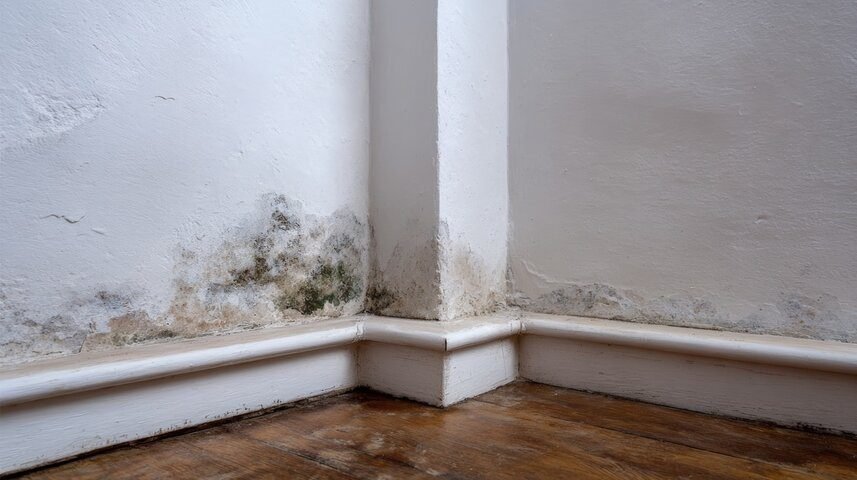
Spring in the Colorado mountains is a welcome transition from heavy snowfall and freezing temperatures to longer days and warmer weather. However, in high-elevation communities like Breckenridge, Silverthorne, Dillon, Frisco, Keystone, and Vail, the seasonal thaw can also create ideal conditions for mold growth. As snow melts and spring rains begin, moisture finds its way into roofs, basements, crawlspaces, and wall cavities. Without proactive maintenance, that hidden moisture can turn into costly property damage.
Rocky Mountain Restore, based in Summit County, Colorado, works with homeowners and commercial property owners throughout the region to address water damage, mold growth, fire and smoke damage, and other restoration needs. After years of responding to spring-related water intrusions, our team understands how Colorado’s mountain climate uniquely affects residential and commercial buildings. Prevention is always more cost-effective than remediation.
This comprehensive guide explains how spring property maintenance can significantly reduce the risk of mold growth in mountain homes and businesses. By following these practical steps and scheduling professional inspections when needed, property owners can protect their investments and maintain healthy indoor environments.
Inspect Roofs and Gutters After Snowmelt
Winter snow accumulation can be hard on roofing systems in high-altitude areas like Summit County. Ice dams, freeze-thaw cycles, and heavy snow loads often loosen shingles, crack flashing, and clog gutters. When temperatures rise, melting snow exposes vulnerabilities that allow water to seep beneath roofing materials and into attic spaces.
Even small roof leaks can lead to hidden mold growth. Moisture trapped under insulation or inside roof decking creates the perfect environment for spores to multiply. Because attic spaces are often out of sight, problems may go unnoticed until staining appears on ceilings or musty odors develop inside the home.
After snowmelt, property owners should visually inspect roofs and drainage systems or schedule a professional evaluation. Key areas to assess include:
- Missing, curled, or damaged shingles
- Cracked or deteriorated flashing around chimneys and vents
- Sagging or detached gutters
- Downspouts that discharge water too close to the foundation
Gutters play a crucial role in directing snowmelt away from your property. When gutters are clogged with debris from winter storms, water can overflow and run down siding or pool near the foundation. In mountain communities like Frisco and Keystone, where snow can linger well into spring, proper drainage is especially important.
To reduce mold risks related to roofing issues:
- Clear debris from gutters and downspouts
- Confirm downspouts extend at least several feet from the foundation
- Repair damaged roofing materials promptly
- Check attic insulation for signs of dampness or discoloration
Commercial properties in Silverthorne and Dillon face similar risks, particularly buildings with flat or low-slope roofs. Standing water after snowmelt can compromise membranes and seams. Routine spring roof inspections help prevent water intrusion that could disrupt business operations and require extensive mold remediation.
If you notice water stains on ceilings or walls after snowmelt, it is wise to seek professional moisture assessment. Rocky Mountain Restore provides thorough inspections and responsive restoration services throughout Summit County and surrounding mountain communities to address roof-related water damage before mold spreads.
Check Basements for Moisture Intrusion Early
Basements in Colorado mountain homes are especially vulnerable during spring thaw. As snow melts, the surrounding soil becomes saturated. Hydrostatic pressure builds against foundation walls, forcing water through cracks, cold joints, and porous concrete.
Even finished basements in Breckenridge and nearby areas can experience hidden moisture problems. Water may seep behind drywall, beneath flooring, or into insulation without obvious pooling. By the time visible signs appear, mold colonies may already be established.
Early detection is critical. During early spring, homeowners and property managers should inspect basements for:
- Damp or musty odors
- Efflorescence, a white powdery residue on concrete walls
- Warped baseboards or buckling flooring
- Water stains along foundation walls
Mountain properties often include walk-out basements or hillside construction. In these cases, improper grading or blocked drainage systems can channel meltwater directly toward foundation walls. Addressing exterior drainage is just as important as interior monitoring.
Proactive basement maintenance steps include:
- Checking for cracks in foundation walls and sealing them
- Ensuring exterior grading slopes away from the building
- Installing or maintaining window well covers
- Using dehumidifiers to maintain indoor humidity below 50 percent
Commercial properties in Summit County also face basement moisture challenges, particularly restaurants, retail spaces, and lodging facilities with lower-level storage or mechanical rooms. Moisture in these areas can damage inventory, equipment, and structural components.
If you detect moisture intrusion, timely water extraction and structural drying are essential. Rocky Mountain Restore serves Breckenridge, Silverthorne, Dillon, and surrounding areas with professional water damage restoration services designed to mitigate damage quickly and reduce the likelihood of mold growth. Fast response can make the difference between minor repairs and extensive mold remediation.
Service Sump Pumps and Drainage Systems Before Spring Rains
Sump pumps are often the last line of defense against basement flooding. In mountain communities where snowmelt coincides with spring rainstorms, these systems must operate reliably. Unfortunately, sump pumps are frequently overlooked until they fail.
A malfunctioning sump pump can allow water to accumulate rapidly, saturating carpets, drywall, and structural framing. Mold can begin developing within 24 to 48 hours in damp conditions. Preventive servicing before peak runoff and rainfall is one of the most effective ways to protect your property.
Before spring rains intensify, property owners should:
- Test the sump pump by pouring water into the pit
- Confirm the float switch moves freely
- Inspect discharge lines for blockages or freezing damage
- Consider installing a battery backup system
In addition to sump pumps, exterior drainage systems require attention. French drains, perimeter drains, and swales must remain clear to channel water away from structures. Ice, sediment, and debris can obstruct these systems during winter.
Recommended drainage system maintenance includes:
- Clearing debris from exterior drains
- Checking for erosion near discharge points
- Ensuring downspouts connect properly to extensions
- Scheduling professional inspection if past flooding has occurred
Commercial properties in Vail and surrounding mountain towns often rely on more complex drainage infrastructure. Routine maintenance helps prevent operational disruptions and costly downtime due to water intrusion.
If a sump pump fails or a drainage system becomes overwhelmed, immediate mitigation is critical. Rocky Mountain Restore provides responsive water damage restoration throughout Summit County and nearby communities, helping property owners extract water, dry affected areas, and prevent secondary mold growth after flooding events.
Seal Windows and Doors Against Mountain Moisture
High-elevation weather patterns create strong winds and fluctuating temperatures during spring. Melting snow combined with wind-driven rain can force moisture into small gaps around windows and doors. Over time, deteriorated seals allow water intrusion that leads to mold within wall cavities.
Older homes in Frisco, Dillon, and Breckenridge may be particularly susceptible if original caulking and weatherstripping have degraded. Even newer construction can develop gaps due to shifting foundations or temperature-related expansion and contraction.
Spring is an ideal time to evaluate building envelope integrity. Property owners should look for:
- Cracked or peeling exterior caulking
- Gaps between window frames and siding
- Soft or discolored trim
- Condensation between window panes
Preventive sealing and repairs can significantly reduce moisture intrusion. Key actions include:
- Reapplying high-quality exterior caulk
- Replacing worn weatherstripping
- Repairing damaged trim or flashing
- Installing door sweeps where needed
In commercial buildings, poorly sealed entry points can allow water to seep into walls, damaging insulation and promoting mold growth behind finished surfaces. Routine inspections protect both structural integrity and indoor air quality.
Moisture that infiltrates through windows and doors may remain hidden for months. If occupants notice musty odors, peeling paint, or unexplained respiratory irritation, professional mold inspection may be warranted. Rocky Mountain Restore offers mold assessment and remediation services throughout Summit County, helping residential and commercial property owners address hidden moisture damage before it escalates.
Improve Ventilation in Attics and Crawlspaces
Proper ventilation is essential in mountain climates where temperature swings are common. Inadequate airflow in attics and crawlspaces allows moisture to accumulate, especially during spring thaw. When warm air rises and meets cold roof decking, condensation can form and saturate insulation and wood framing.
Over time, trapped moisture supports mold growth and can weaken structural components. In crawlspaces, damp soil and limited air circulation further increase risk. Homes and commercial properties throughout Silverthorne, Keystone, and surrounding communities benefit from seasonal ventilation assessments.
Signs of poor ventilation include:
- Frost or condensation in the attic during winter
- Rusted nails or fasteners in roof decking
- Musty odors in upper levels
- Visible mold growth on rafters or insulation
Improving ventilation may involve:
- Installing or repairing ridge and soffit vents
- Adding vapor barriers in crawlspaces
- Sealing air leaks between living spaces and attics
- Using dehumidifiers where necessary
Balanced ventilation not only reduces mold risk but also improves energy efficiency. In commercial settings, proper airflow protects stored goods, equipment, and building materials from moisture damage.
If mold is already present in an attic or crawlspace, professional remediation is recommended. Disturbing contaminated materials without proper containment can spread spores throughout the building. Rocky Mountain Restore provides safe, thorough mold remediation services in Breckenridge and across Summit County, addressing both the visible growth and the underlying moisture source.
Schedule Professional Mold Inspections This Spring
While routine maintenance reduces risk, some moisture problems remain hidden behind walls, beneath flooring, or inside HVAC systems. Professional mold inspections provide an added layer of protection, especially after heavy snowfall or minor water events that may not have seemed significant at the time.
A comprehensive mold inspection typically includes visual assessment, moisture mapping, and, when appropriate, air or surface sampling. In mountain environments, where seasonal moisture fluctuations are common, periodic inspections can identify developing problems early.
Property owners should consider scheduling an inspection if they:
- Experienced roof leaks or ice dams during winter
- Noticed basement dampness during snowmelt
- Smell persistent musty odors
- Recently purchased a property in Summit County
For commercial properties, routine inspections support occupant health and regulatory compliance. Lodging facilities, offices, and retail spaces in communities like Vail and Dillon benefit from documented assessments, particularly after water damage incidents.
Rocky Mountain Restore, based in Summit County, Colorado, provides professional mold inspection and remediation services for residential and commercial properties throughout Breckenridge, Silverthorne, Frisco, Keystone, and nearby mountain communities. Our team understands the unique environmental conditions of high-altitude properties and delivers thorough, transparent evaluations.
When mold is identified, prompt remediation helps:
- Prevent structural deterioration
- Improve indoor air quality
- Reduce health risks associated with mold exposure
- Minimize repair costs over time
Spring is the ideal season to take proactive steps. By combining diligent maintenance with professional inspections, property owners can significantly reduce the likelihood of mold growth and protect their homes and businesses year-round.
Frequently Asked Questions
How quickly can mold grow after water damage in a Colorado mountain home?
Mold can begin developing within 24 to 48 hours after water intrusion, especially in enclosed or poorly ventilated areas. In high-altitude communities like Breckenridge and Frisco, fluctuating spring temperatures and lingering moisture from snowmelt can accelerate the process. Rocky Mountain Restore serving Summit County and nearby communities offers prompt water extraction and drying services to reduce the risk of rapid mold growth.
What are the signs that I need professional mold remediation?
Common signs include persistent musty odors, visible discoloration on walls or ceilings, peeling paint, and unexplained allergy-like symptoms indoors. In mountain properties, mold often develops in basements, attics, and crawlspaces after snowmelt. Rocky Mountain Restore provides thorough mold inspections and remediation services throughout Summit County to identify hidden contamination and restore safe indoor conditions.
Does homeowners insurance cover mold damage in Colorado?
Coverage depends on the cause of the mold and the specific policy terms. Mold resulting from sudden and accidental water damage is often covered, while long-term neglect may not be. Rocky Mountain Restore works with homeowners and insurance providers in Breckenridge, Silverthorne, and surrounding areas to document damage and support efficient claims processing.
What should I do immediately after discovering water in my basement?
First, ensure the area is safe by turning off electricity if necessary and avoiding contact with contaminated water. Then, contact a professional restoration company to begin water extraction and drying as soon as possible. Rocky Mountain Restore serving Summit County and nearby mountain communities provides responsive water damage mitigation to help prevent structural damage and mold growth.
How is mold remediation performed in residential or commercial properties?
Professional mold remediation typically involves containment of affected areas, removal of contaminated materials, HEPA filtration, and thorough cleaning of surfaces. The moisture source must also be identified and corrected to prevent recurrence. Rocky Mountain Restore follows industry standards to safely remediate mold in homes and businesses across Summit County and surrounding Colorado mountain regions.
Can spring snowmelt cause foundation damage?
Yes, rapid snowmelt can saturate soil and create hydrostatic pressure against foundation walls. Over time, this pressure can lead to cracks and water intrusion. Property owners in Dillon, Keystone, and other mountain communities should inspect foundations each spring. If water damage occurs, Rocky Mountain Restore offers professional drying and restoration services to address both immediate and long-term concerns.
Do commercial properties need routine mold inspections?
Routine inspections are highly recommended for commercial buildings, especially those with basements, storage areas, or complex HVAC systems. In high-moisture seasons, early detection prevents operational disruptions and protects occupants. Rocky Mountain Restore provides mold inspections and restoration services for businesses throughout Summit County and nearby areas.
How can I prevent water damage during Colorado’s spring season?
Preventive steps include inspecting roofs and gutters, servicing sump pumps, sealing windows and doors, and improving attic and crawlspace ventilation. Regular maintenance reduces the risk of hidden leaks and mold growth. For additional peace of mind, Rocky Mountain Restore serving Breckenridge and surrounding communities offers professional inspections and restoration solutions tailored to mountain properties.