
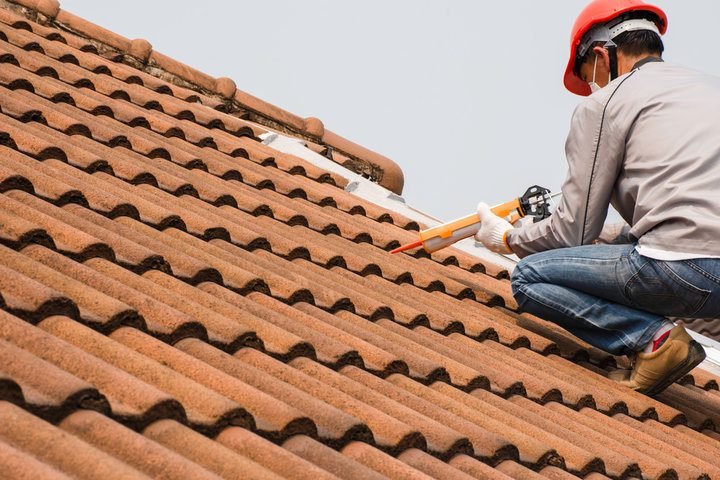
Living in Colorado’s high country offers stunning views, fresh alpine air, and year-round outdoor adventure. But for property owners in Breckenridge, Silverthorne, Dillon, Frisco, Keystone, Vail, and surrounding mountain communities, the same environment that makes Summit County beautiful can also be tough on roofing systems. Heavy snow loads, ice dams, freeze-thaw cycles, wind-driven rain, and intense UV exposure all contribute to roof wear and hidden water intrusion.
At Rocky Mountain Restore, based in Breckenridge and serving residential and commercial properties throughout Summit County, we regularly respond to water damage caused by roof leaks that were initially overlooked. What begins as a small drip can quickly escalate into structural damage, mold growth, and costly repairs. Recognizing the early warning signs is essential to protecting your investment and preventing a minor issue from becoming a major restoration project.
Below are the most common and urgent signs your roof leak needs immediate repair, especially in Colorado’s mountain climate.
Water Stains Spreading Across Ceilings and Walls
One of the most visible and common signs of a roof leak is the appearance of water stains on ceilings or walls. These stains often begin as small, light brown or yellow discolorations and gradually darken or expand over time. In mountain homes around Breckenridge and Frisco, snow accumulation and slow melting can allow water to seep beneath shingles and into attic spaces before finally reaching interior surfaces.
Water stains are rarely cosmetic issues. When you see discoloration spreading across drywall, it usually indicates that moisture has been present for some time. The longer the water intrusion continues, the greater the risk of structural weakening, insulation damage, and mold development. In commercial buildings in areas like Silverthorne or Dillon, ceiling tile staining can signal larger roofing system failures that require immediate professional assessment.
Common characteristics of roof-related water stains include:
- Brown, yellow, or copper-colored rings on ceilings
- Peeling or flaking paint near stained areas
- Stains that grow after storms or rapid snowmelt
- Soft or damp drywall around the discoloration
In Summit County’s high-altitude climate, freeze-thaw cycles can worsen small vulnerabilities in flashing and roofing materials. Water seeps in during warmer daytime temperatures, then freezes overnight, expanding and enlarging entry points. If you notice stains that appear after heavy snowfall or spring melt, it is important to schedule a professional inspection promptly.
Rocky Mountain Restore provides thorough moisture assessments to determine the source and extent of damage. Our team uses specialized detection tools to trace water intrusion back to its origin, helping homeowners and business owners in Keystone, Vail, and nearby communities address the issue before structural components are compromised.
Musty Odors Lingering After Snowmelt Indoors
Sometimes the first sign of a roof leak is not something you see, but something you smell. A persistent musty odor indoors, especially after snow begins to melt, can indicate hidden moisture in the attic, insulation, or wall cavities. In mountain environments where snow can sit on rooftops for months, slow seepage may go unnoticed until temperatures rise.
Musty odors often signal the early stages of mold or mildew growth. Even small amounts of trapped moisture in insulation or wood framing can create ideal conditions for microbial activity. Homes and commercial properties in Summit County that are closed up during winter months may trap moisture, intensifying the smell once indoor temperatures increase.
You may notice:
- Damp, earthy smells in upper floors or attic areas
- Odors that worsen in the afternoon when temperatures rise
- A musty scent near ceiling vents or light fixtures
- Lingering smells despite cleaning or air fresheners
Ignoring persistent odors can allow mold colonies to expand behind walls or above ceilings. By the time visible mold appears, the contamination may already be widespread. In commercial properties throughout Silverthorne and Dillon, this can impact indoor air quality and disrupt business operations.
Rocky Mountain Restore offers professional mold inspections and remediation services throughout Breckenridge and surrounding communities. If a musty odor appears after snowmelt or storms, a prompt evaluation can identify whether the source is a roof leak and prevent further contamination. Early intervention not only protects structural materials but also safeguards occupant health.
Sagging Drywall or Bubbling Paint Surfaces
Sagging drywall or bubbling paint is a strong indication that water has accumulated above or behind interior surfaces. In many Summit County homes, roof leaks allow water to collect in attic insulation before saturating the drywall below. When drywall absorbs excess moisture, it becomes heavy and begins to bow or droop.
Bubbling or blistering paint often occurs when trapped moisture pushes outward from behind the surface. This is common in properties in Breckenridge and Keystone where heavy snow loads stress roofing materials and flashing, allowing water to penetrate slowly over time.
Warning signs include:
- Ceiling sections that appear uneven or bowed
- Paint that bubbles, blisters, or peels unexpectedly
- Cracks forming near ceiling seams
- Soft spots when gently pressed
Sagging drywall can pose a safety hazard. If water continues to collect, the affected section may eventually collapse. This risk increases during spring thaw, when accumulated snow rapidly melts and overwhelms compromised roofing areas.
Immediate professional attention is critical. Rocky Mountain Restore responds to water damage emergencies throughout Summit County and surrounding mountain regions. Our team stabilizes affected areas, removes saturated materials, and implements drying and dehumidification strategies to prevent further structural deterioration.
Addressing sagging or bubbling surfaces quickly can significantly reduce repair costs and minimize disruption to your home or business.
Dripping Sounds During Mountain Storms at Night
Hearing dripping sounds during a rainstorm or while snow is melting can be unsettling, especially in the quiet of a mountain night. Even if you cannot see visible water, these sounds may indicate active roof leakage. In high-elevation communities like Frisco and Vail, wind-driven precipitation can force water beneath shingles and flashing.
Dripping sounds may originate from:
- Attic rafters or roof decking
- Inside wall cavities
- Light fixtures or ceiling vents
- HVAC ductwork located near the roofline
In some cases, water may travel along beams or wiring before becoming visible, making the actual entry point difficult to locate without professional tools. By the time dripping becomes audible, the leak is typically more than a minor issue.
Mountain storms can intensify quickly, and what begins as a small leak can escalate under sustained precipitation. Additionally, ice dams formed along roof edges can trap melting snow, forcing water backward under roofing materials. This is a frequent cause of nighttime dripping during winter in Summit County.
If you hear dripping during storms, it is important to act quickly. Rocky Mountain Restore provides responsive water damage restoration services throughout Breckenridge and nearby mountain communities. Our technicians identify active leaks, mitigate water intrusion, and coordinate necessary repairs to prevent additional structural or interior damage.
Mold Growth in Attics or Insulation Areas
Mold growth in attics is a serious sign that a roof leak has been present for an extended period. Attics in mountain homes often experience significant temperature fluctuations, which can create condensation. When combined with roof leaks, this moisture can fuel mold development on wood framing, sheathing, and insulation.
Homeowners in Dillon, Silverthorne, and Keystone may not regularly inspect attic spaces, allowing mold to spread unnoticed. By the time discoloration appears on ceilings below, the attic contamination may already be substantial.
Common indicators of attic mold include:
- Black, green, or white patches on wood surfaces
- Damp or compressed insulation
- Rusted nails or metal fasteners
- Strong, persistent musty odors
Mold not only damages building materials but can also impact indoor air quality. Spores may circulate through HVAC systems, affecting occupants throughout the property. For commercial properties in Summit County, mold issues can disrupt operations and create potential liability concerns.
Rocky Mountain Restore specializes in mold remediation services tailored to Colorado’s mountain climate. Our team conducts containment, safe removal, and thorough cleaning to restore affected areas. Addressing roof leaks in conjunction with mold remediation is essential to prevent recurrence and protect long-term structural integrity.
Sudden Spike in Energy Bills from Hidden Roof Leaks
A less obvious but equally important sign of a roof leak is an unexplained increase in energy bills. When insulation becomes saturated due to roof intrusion, it loses its effectiveness. In cold mountain climates like Breckenridge and Frisco, compromised insulation forces heating systems to work harder to maintain indoor temperatures.
Moisture-damaged insulation may appear intact from below, but its thermal resistance can be significantly reduced. In commercial buildings in areas like Silverthorne or Vail, this can lead to noticeable increases in operating costs during winter months.
Watch for:
- Unexpected increases in heating expenses
- Drafts near ceilings or upper floors
- Uneven indoor temperatures
- Ice dam formation along roof edges
Wet insulation can also contribute to mold growth and wood rot, compounding the problem. Because the damage is hidden, property owners may attribute rising bills to seasonal changes rather than underlying water intrusion.
Rocky Mountain Restore helps property owners throughout Summit County identify hidden water damage affecting energy performance. By combining moisture detection, insulation evaluation, and restoration services, our team addresses both the visible and concealed consequences of roof leaks.
Protecting Your Mountain Property with Prompt Action
Roof leaks in Colorado’s mountain communities should never be ignored. The combination of heavy snowfall, fluctuating temperatures, and intense weather conditions accelerates damage once water penetrates roofing systems. Early detection and professional restoration can prevent costly structural repairs, mold remediation, and extended business interruptions.
If you notice water stains, musty odors, sagging drywall, dripping sounds, attic mold, or rising energy bills, it may be time to seek immediate assistance. Rocky Mountain Restore, based in Breckenridge and serving Summit County including Silverthorne, Dillon, Frisco, Keystone, and nearby areas such as 80424 and 80435, offers comprehensive water damage restoration, mold remediation, and property restoration services for residential and commercial properties.
Our experienced team understands the unique challenges of mountain construction and climate. Through fast response, detailed assessment, and coordinated restoration solutions, we help property owners protect their investments and restore peace of mind after unexpected damage.
Frequently Asked Questions
How do I know if a roof leak is an emergency in Summit County?
A roof leak becomes an emergency when water is actively entering your home or business, causing visible interior damage, sagging ceilings, electrical hazards, or rapid mold growth. In mountain communities like Breckenridge and Silverthorne, heavy snowmelt and storms can quickly worsen small leaks. Rocky Mountain Restore serving Summit County and nearby communities provides prompt water damage response to stabilize affected areas and prevent further structural damage.
Can a small roof leak really cause mold problems?
Yes, even a small roof leak can create enough moisture for mold to grow, especially in attic insulation or behind drywall. In Colorado’s fluctuating mountain temperatures, trapped moisture may linger and go unnoticed for weeks. Rocky Mountain Restore offers professional mold inspections and remediation services throughout Summit County to safely remove contamination and address the underlying moisture source.
What should I do immediately after discovering water damage from a roof leak?
First, prioritize safety by moving valuables away from the affected area and avoiding contact with sagging ceilings or exposed wiring. If possible, contain dripping water with buckets and limit further spread. Then contact a professional restoration company like Rocky Mountain Restore serving Breckenridge, Dillon, and surrounding areas for a thorough assessment, water extraction, and drying process to minimize long-term damage.
Will my homeowner’s insurance cover roof leak damage?
Insurance coverage depends on the cause of the leak and the specifics of your policy. Sudden and accidental damage is often covered, while long-term neglect may not be. Rocky Mountain Restore works with property owners and insurance providers throughout Summit County to document damage, support claims, and streamline the restoration process after water, fire, or mold incidents.
How long does water damage restoration take in mountain homes?
The timeline varies based on the extent of the damage, affected materials, and drying conditions. In many cases, the drying and mitigation phase may take several days, followed by repairs and reconstruction. Rocky Mountain Restore serving Summit County uses professional-grade drying equipment and moisture monitoring tools to ensure your Breckenridge or Frisco property is thoroughly restored as efficiently as possible.
Can roof leaks increase my heating costs during winter?
Yes, when insulation becomes wet from a roof leak, it loses its ability to retain heat effectively. This forces heating systems to run longer and work harder, increasing energy bills. Rocky Mountain Restore helps homeowners and commercial property owners in Silverthorne, Keystone, and nearby mountain communities identify hidden moisture damage that may be impacting energy efficiency.
Do commercial properties need different restoration services than homes?
Commercial properties often have larger roofing systems, flat roof designs, and more complex HVAC setups, which can affect how water spreads and how restoration is handled. Rocky Mountain Restore provides tailored water damage restoration, fire cleanup, and mold remediation solutions for businesses throughout Summit County, ensuring minimal operational disruption and thorough recovery.
How can I prevent future roof leaks in Colorado’s mountain climate?
Preventative maintenance is key. Regular roof inspections, proper attic ventilation, timely snow removal, and addressing minor damage quickly can significantly reduce the risk of leaks. Rocky Mountain Restore serving Summit County and surrounding Colorado mountain communities can assess existing damage and provide restoration services that strengthen your property against future water intrusion.
{
  "@context": "https://schema.org",
  "@type": "FAQPage",
  "mainEntity": [
    {
      "@type": "Question",
      "name": "How do I know if a roof leak is an emergency in Summit County?",
      "acceptedAnswer": {
        "@type": "Answer",
        "text": "A roof leak becomes an emergency when water is actively entering your home or business, causing visible interior damage, sagging ceilings, electrical hazards, or rapid mold growth. In mountain communities like Breckenridge and Silverthorne, heavy snowmelt and storms can quickly worsen small leaks. Rocky Mountain Restore serving Summit County and nearby communities provides prompt water damage response to stabilize affected areas and prevent further structural damage."
      }
    },
    {
      "@type": "Question",
      "name": "Can a small roof leak really cause mold problems?",
      "acceptedAnswer": {
        "@type": "Answer",
        "text": "Yes, even a small roof leak can create enough moisture for mold to grow, especially in attic insulation or behind drywall. In Colorado’s fluctuating mountain temperatures, trapped moisture may linger and go unnoticed for weeks. Rocky Mountain Restore offers professional mold inspections and remediation services throughout Summit County to safely remove contamination and address the underlying moisture source."
      }
    },
    {
      "@type": "Question",
      "name": "What should I do immediately after discovering water damage from a roof leak?",
      "acceptedAnswer": {
        "@type": "Answer",
        "text": "First, prioritize safety by moving valuables away from the affected area and avoiding contact with sagging ceilings or exposed wiring. If possible, contain dripping water with buckets and limit further spread. Then contact a professional restoration company like Rocky Mountain Restore serving Breckenridge, Dillon, and surrounding areas for a thorough assessment, water extraction, and drying process to minimize long-term damage."
      }
    },
    {
      "@type": "Question",
      "name": "Will my homeowner’s insurance cover roof leak damage?",
      "acceptedAnswer": {
        "@type": "Answer",
        "text": "Insurance coverage depends on the cause of the leak and the specifics of your policy. Sudden and accidental damage is often covered, while long-term neglect may not be. Rocky Mountain Restore works with property owners and insurance providers throughout Summit County to document damage, support claims, and streamline the restoration process after water, fire, or mold incidents."
      }
    },
    {
      "@type": "Question",
      "name": "How long does water damage restoration take in mountain homes?",
      "acceptedAnswer": {
        "@type": "Answer",
        "text": "The timeline varies based on the extent of the damage, affected materials, and drying conditions. In many cases, the drying and mitigation phase may take several days, followed by repairs and reconstruction. Rocky Mountain Restore serving Summit County uses professional-grade drying equipment and moisture monitoring tools to ensure your Breckenridge or Frisco property is thoroughly restored as efficiently as possible."
      }
    },
    {
      "@type": "Question",
      "name": "Can roof leaks increase my heating costs during winter?",
      "acceptedAnswer": {
        "@type": "Answer",
        "text": "Yes, when insulation becomes wet from a roof leak, it loses its ability to retain heat effectively. This forces heating systems to run longer and work harder, increasing energy bills. Rocky Mountain Restore helps homeowners and commercial property owners in Silverthorne, Keystone, and nearby mountain communities identify hidden moisture damage that may be impacting energy efficiency."
      }
    },
    {
      "@type": "Question",
      "name": "Do commercial properties need different restoration services than homes?",
      "acceptedAnswer": {
        "@type": "Answer",
        "text": "Commercial properties often have larger roofing systems, flat roof designs, and more complex HVAC setups, which can affect how water spreads and how restoration is handled. Rocky Mountain Restore provides tailored water damage restoration, fire cleanup, and mold remediation solutions for businesses throughout Summit County, ensuring minimal operational disruption and thorough recovery."
      }
    },
    {
      "@type": "Question",
      "name": "How can I prevent future roof leaks in Colorado’s mountain climate?",
      "acceptedAnswer": {
        "@type": "Answer",
        "text": "Preventative maintenance is key. Regular roof inspections, proper attic ventilation, timely snow removal, and addressing minor damage quickly can significantly reduce the risk of leaks. Rocky Mountain Restore serving Summit County and surrounding Colorado mountain communities can assess existing damage and provide restoration services that strengthen your property against future water intrusion."
      }
    }
  ]
}