Mold is more than just an unsightly nuisance. In Colorado’s mountain communities, it can quietly spread behind walls, beneath flooring, and inside crawl spaces long before it becomes obvious. For property owners in Breckenridge, Silverthorne, Dillon, Frisco, Keystone, Vail, and surrounding areas, recognizing early warning signs is essential to protecting both your investment and the health of those inside.
Rocky Mountain Restore, based in Summit County, Colorado, works with homeowners and commercial property managers throughout the region to address mold problems at their source. The combination of snowmelt, fluctuating temperatures, high humidity during certain seasons, and tightly sealed mountain buildings creates unique conditions that can allow mold to thrive.
If you are unsure whether what you are seeing or smelling requires professional help, this guide outlines the most common signs your property needs professional mold remediation and why acting quickly matters.
Persistent Musty Odors That Won’t Go Away
One of the earliest and most common signs of hidden mold is a persistent musty odor. In mountain homes and commercial spaces, these smells are sometimes mistaken for damp gear, wet wood, or stale air. However, if the odor lingers even after cleaning and ventilation, mold growth may be present behind surfaces.
Mold produces microbial volatile organic compounds as it grows. These compounds create the familiar earthy or musty scent often associated with basements, crawl spaces, or water-damaged areas. In tightly sealed properties designed to conserve energy during cold Breckenridge winters, these odors can become more noticeable because airflow is limited.
You may notice:
- A damp, earthy smell that intensifies after rain or snowmelt
- Stronger odors in basements, utility rooms, or near bathrooms
- Musty smells coming from HVAC vents
- Persistent odors despite deep cleaning and air fresheners
If you cannot locate the source of the smell, it is possible mold is growing behind drywall, under flooring, or in insulation. Professional mold remediation teams use moisture detection tools and thermal imaging to identify hidden problem areas without unnecessary demolition.
Ignoring persistent odors can allow mold colonies to expand, increasing the scope and cost of remediation. Addressing the issue early with an experienced team serving Summit County and surrounding mountain communities can prevent more extensive structural damage.
Visible Mold Growth on Walls or Ceilings
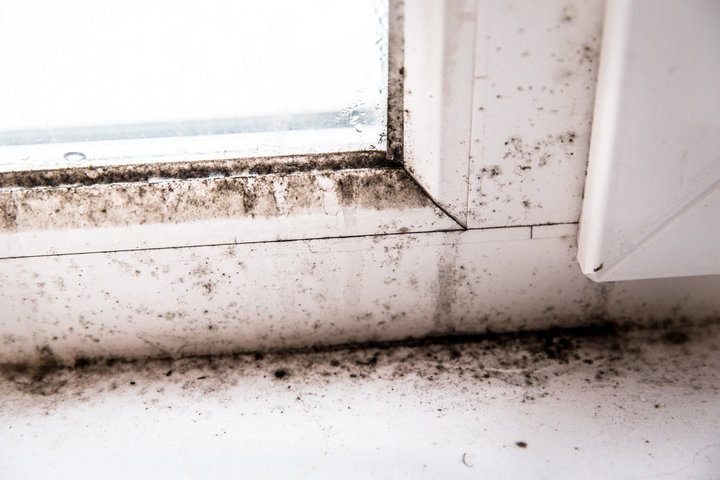
Visible mold growth is a clear indication that professional remediation may be necessary. Mold can appear in a variety of colors including black, green, gray, white, or even orange. It may look fuzzy, slimy, powdery, or speckled depending on the material it is growing on and how long it has been present.
In homes and commercial buildings throughout Silverthorne, Dillon, and Frisco, visible mold often develops after roof leaks, ice damming, plumbing failures, or condensation buildup. Ceilings beneath bathrooms, around skylights, and along exterior walls are common trouble spots in mountain properties.
Watch for:
- Discoloration spreading across drywall or ceiling panels
- Dark spots forming along grout lines or window frames
- Mold growth on wooden beams or trim
- Staining that continues to expand over time
It is important not to disturb visible mold without proper containment. Scrubbing or spraying household cleaners may release spores into the air, potentially spreading contamination to other areas.
Professional mold remediation involves isolating affected areas, using air filtration systems, safely removing contaminated materials when necessary, and treating surfaces to prevent regrowth. Rocky Mountain Restore provides these services throughout Summit County, ensuring both residential and commercial properties are restored safely and thoroughly.
Recent Water Damage in Mountain Climates
Any recent water damage significantly increases the risk of mold growth. In Colorado’s high-altitude environment, water intrusion can come from burst pipes during freezing temperatures, rapid snowmelt, roof leaks, ice dams, appliance failures, or foundation seepage.
Even small amounts of moisture trapped inside walls or beneath flooring can create ideal conditions for mold within 24 to 48 hours. In places like Keystone and Vail, where heavy snowfall and seasonal transitions are common, water damage incidents often go unnoticed until mold begins to appear.
Common water-related events that may lead to mold include:
- Frozen or burst pipes during winter cold snaps
- Roof leaks caused by ice dams
- Flooding from rapid snowmelt or heavy rains
- Overflowing sinks, tubs, or malfunctioning appliances
After any water damage event, professional drying and moisture monitoring are essential. Simply removing visible water is not enough. Moisture can remain trapped in insulation, subfloors, and structural framing.
Rocky Mountain Restore responds to water damage emergencies throughout Breckenridge and nearby mountain communities with advanced drying equipment, moisture mapping, and restoration services. Taking swift action reduces the likelihood of secondary damage such as mold growth.
If your property experienced water intrusion in the past weeks or months and you now notice odors, staining, or health symptoms, professional mold inspection and remediation may be necessary.
Unexplained Allergy Symptoms Indoors or at Work
Sometimes mold is not visible at all, yet it still impacts indoor air quality. If occupants experience unexplained allergy-like symptoms that improve when they leave the building, mold contamination could be contributing to the issue.
Mold spores can circulate through HVAC systems and settle on surfaces throughout a property. In commercial buildings, this can affect employees and customers. In residential settings, families may experience ongoing discomfort without realizing the source.
Common symptoms associated with mold exposure include:
- Sneezing, coughing, or nasal congestion
- Itchy or watery eyes
- Headaches or fatigue
- Worsening asthma symptoms
While not all indoor allergies are caused by mold, persistent symptoms combined with other warning signs such as water damage or musty odors warrant professional evaluation.
Mountain properties are often tightly sealed to conserve heat, which can limit fresh air exchange. Without adequate ventilation, airborne contaminants may accumulate. Professional mold remediation includes containment and air filtration measures designed to restore healthier indoor air conditions.
Property owners in Summit County communities including Breckenridge and Silverthorne who notice ongoing health concerns among occupants should consider scheduling a professional assessment to rule out mold as a contributing factor.
Warped Drywall or Peeling Paint Surfaces
Structural changes in walls and ceilings can signal moisture problems behind the scenes. Warped drywall, bubbling paint, and peeling finishes often indicate that water has infiltrated building materials. Where there is prolonged moisture, mold frequently follows.
In high-altitude climates with significant temperature swings, condensation can form inside wall cavities. Over time, this trapped moisture can degrade materials and support mold growth.
Look for:
- Paint bubbling or cracking without obvious exterior damage
- Drywall that feels soft or spongy to the touch
- Baseboards separating from walls
- Ceiling panels sagging or staining
These surface changes may seem cosmetic at first, but they often point to deeper issues. Simply repainting or patching drywall does not address the underlying moisture or mold contamination.
Professional mold remediation includes identifying and correcting the moisture source before restoring damaged materials. Rocky Mountain Restore works with property owners throughout Summit County to repair both the visible damage and the hidden causes, helping prevent future recurrence.
Ignoring these signs can lead to structural deterioration, higher repair costs, and expanded mold growth that affects additional areas of the property.
Recurring Mold After DIY Cleanup Efforts
Many property owners attempt to clean small patches of mold themselves using bleach or over-the-counter products. While surface cleaning may temporarily remove visible growth, it often does not eliminate mold roots embedded in porous materials like drywall, wood, or insulation.
If mold keeps returning to the same area, this is a strong sign that professional remediation is needed. Recurrence typically means:
- The moisture source has not been resolved
- Contaminated materials were not fully removed
- Mold spores spread during improper cleaning
- Hidden mold colonies remain behind walls or under flooring
DIY efforts may also inadvertently spread spores to other areas of the property, especially if containment measures were not used.
Professional mold remediation involves a systematic process that includes inspection, moisture detection, containment, air filtration, safe removal of contaminated materials, cleaning, and post-remediation verification. This comprehensive approach reduces the risk of recurrence and helps restore indoor air quality.
For homeowners and business owners in Breckenridge, Frisco, Dillon, and surrounding Summit County communities, working with a local restoration company familiar with mountain construction methods and climate challenges provides added peace of mind.
If you have already cleaned mold once or twice and it continues to reappear, it is time to bring in experienced professionals who can identify and correct the root cause.
Frequently Asked Questions
How do I know if mold in my Summit County home requires professional remediation?
If the mold covers a large area, keeps returning after cleaning, or is associated with water damage or persistent odors, professional remediation is recommended. Rocky Mountain Restore serving Summit County and nearby communities offers thorough inspections to determine the extent of contamination and whether specialized containment and removal are necessary to protect your property and indoor air quality.
Can mold grow in Colorado’s cold mountain climate?
Yes, mold can grow in Colorado mountain communities despite cold outdoor temperatures. Indoor heating, trapped moisture from snowmelt, roof leaks, or burst pipes create ideal indoor conditions for mold growth. Rocky Mountain Restore regularly addresses mold issues in Breckenridge and surrounding areas caused by winter-related water damage and seasonal transitions.
What is the difference between mold removal and mold remediation?
Mold removal typically refers to cleaning visible mold from surfaces, while mold remediation is a comprehensive process that addresses the moisture source, contains contamination, removes affected materials when needed, and restores the area safely. Rocky Mountain Restore provides full remediation services throughout Summit County to help prevent mold from returning.
How quickly should water damage be addressed to prevent mold?
Water damage should be addressed within 24 to 48 hours to significantly reduce the risk of mold growth. Fast response drying and moisture monitoring are essential in mountain climates like those in Dillon and Silverthorne. Rocky Mountain Restore offers responsive water damage restoration services designed to minimize secondary damage such as mold.
Does homeowners insurance cover mold remediation in Colorado?
Insurance coverage for mold remediation depends on the cause of the damage and the specifics of your policy. Mold resulting from sudden and accidental water damage is often covered, while long-term neglect may not be. Rocky Mountain Restore works with property owners and insurance providers throughout Summit County to help document damage and support the claims process.
Is it safe to stay in my home during mold remediation?
Safety depends on the size and severity of the mold issue. In some cases, containment measures allow occupants to remain in unaffected areas. For larger remediation projects, temporary relocation may be recommended. Rocky Mountain Restore evaluates each situation individually to help homeowners in Breckenridge and nearby communities make informed decisions.
Can commercial properties in Vail and Keystone benefit from professional mold remediation?
Yes, commercial properties including offices, retail spaces, restaurants, and lodging facilities can benefit from professional mold remediation. Mold can affect employee health, customer experience, and building integrity. Rocky Mountain Restore serves commercial clients throughout Summit County and surrounding mountain communities with tailored remediation and restoration solutions.
What should I do if I suspect mold after a burst pipe?
If you suspect mold after a burst pipe, contact a professional restoration company as soon as possible for inspection and moisture assessment. Avoid disturbing visible mold growth. Rocky Mountain Restore serving Summit County and nearby Colorado mountain communities provides water damage restoration and mold remediation services to help restore properties safely and efficiently.