Water damage can escalate quickly in Colorado’s high-altitude mountain communities. From rapid snowmelt in Breckenridge to sudden summer storms in Silverthorne and Frisco, properties throughout Summit County face unique environmental pressures. What may begin as a small leak or damp spot can turn into structural deterioration, mold growth, and costly repairs if not addressed immediately.
For homeowners and business owners in Dillon, Keystone, Vail, and surrounding mountain areas, recognizing early warning signs is critical. Immediate water damage restoration is not just about drying visible water. It involves identifying hidden moisture, protecting structural integrity, preventing mold growth, and restoring your property safely and thoroughly.
Rocky Mountain Restore, based in Summit County, Colorado, provides professional water damage restoration for residential and commercial properties throughout Breckenridge, Silverthorne, Dillon, Frisco, Keystone, Vail, and nearby mountain communities. Below are the most common signs you need immediate water damage restoration and why fast action matters.
Standing Water That Won’t Go Away After a Storm
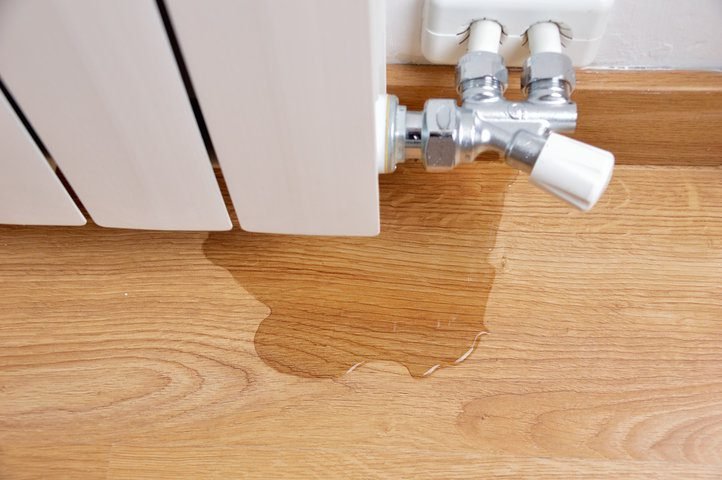
Standing water inside or around your property is one of the clearest indicators that immediate water damage restoration is necessary. In mountain regions like Summit County, heavy rainstorms, rapid snowmelt, or ice dam formation can overwhelm drainage systems and allow water to seep into basements, crawl spaces, garages, and commercial buildings.
Even a small amount of standing water can compromise structural materials. Wood framing absorbs moisture quickly. Drywall begins to soften. Insulation becomes saturated and ineffective. If water remains for more than 24 to 48 hours, the risk of mold growth increases dramatically, especially in cooler, enclosed mountain properties where airflow may be limited.
Common signs of problematic standing water include:
- Pooled water in basements or crawl spaces
- Water collecting near foundation walls
- Wet carpets or flooring that remain damp after surface drying
- Exterior drainage systems backing up during storms
- Ice dams causing interior water intrusion during winter
In Breckenridge and surrounding communities, freeze-thaw cycles can worsen water infiltration. Ice buildup along roof edges often forces melting snow back under shingles, leading to hidden leaks behind walls and ceilings. If you notice water stains or damp areas after a storm or snow event, professional assessment is critical.
Standing water is not just a cosmetic issue. It can weaken foundations, corrode metal supports, and damage electrical systems. Commercial properties in Silverthorne or Frisco with standing water may also face operational downtime and safety hazards for employees and customers.
Immediate professional restoration services typically include:
- Rapid water extraction using commercial-grade pumps
- Moisture mapping to detect hidden water pockets
- Structural drying with industrial air movers and dehumidifiers
- Sanitization to prevent bacterial growth
The sooner water is removed and affected materials are properly dried, the lower the risk of long-term structural damage and mold contamination.
Sudden Musty Odors Inside Your Home or Business
A musty smell is often one of the earliest warning signs of hidden water damage. In many cases, property owners in Dillon or Keystone may not see visible water, but they notice a persistent earthy odor that wasn’t there before. This smell typically indicates moisture accumulation behind walls, under flooring, or within insulation.
In Colorado’s mountain climate, properties are often tightly sealed for energy efficiency. While this helps with heating costs, it can also trap moisture indoors. When humidity becomes trapped in enclosed spaces, it creates an ideal environment for microbial growth.
If you detect a musty odor that does not go away with cleaning or ventilation, it may signal:
- Hidden leaks behind drywall
- Damp subflooring beneath carpet or hardwood
- Moisture intrusion in crawl spaces
- Slow plumbing leaks inside walls
- Inadequate drying after a previous water incident
Musty odors are frequently associated with mold growth, but they can also indicate general water saturation in building materials. Either way, it is a sign that professional evaluation is needed.
In commercial settings such as restaurants or retail spaces in Vail or Frisco, musty smells can affect customer experience and may raise health concerns. For homeowners, persistent odors can cause discomfort and potentially aggravate respiratory conditions.
Professional water damage restoration teams use specialized moisture detection equipment to locate hidden dampness. Services may include:
- Thermal imaging to identify moisture behind surfaces
- Hygrometer testing to measure indoor humidity levels
- Removal of saturated materials
- Dehumidification and air purification
Ignoring a musty smell rarely solves the problem. In fact, odors often intensify as mold colonies grow. Early intervention can prevent extensive remediation and protect both property value and occupant health.
Warped Floors or Stained Drywall and Ceilings
Warped flooring and stained drywall are visible red flags that water damage has already progressed. In mountain homes and businesses, these signs often appear after plumbing leaks, roof damage, or snowmelt infiltration.
Wood flooring is especially vulnerable to moisture. When water seeps into hardwood planks, they expand, cup, or buckle. Laminate flooring may swell at the seams. Tile installations can loosen as the subfloor beneath them becomes saturated.
Look for these warning signs:
- Hardwood planks lifting or separating
- Soft or spongy areas underfoot
- Brown or yellow stains on ceilings
- Bubbling or sagging drywall
- Cracks forming along ceiling seams
Stains on ceilings often indicate a roof leak or ice dam issue. In Breckenridge and Silverthorne, heavy snow accumulation can place stress on roofing systems. When snow melts unevenly, water may penetrate under shingles and drip into attic spaces before appearing as ceiling stains.
Drywall is highly absorbent. Once saturated, it weakens quickly and may collapse if not addressed. Commercial properties in Dillon or Keystone with visible water stains may also face code compliance issues if damage is not promptly repaired.
Immediate restoration typically involves:
- Identifying and stopping the source of water
- Removing damaged drywall or insulation
- Structural drying of framing and subflooring
- Repair and reconstruction of affected areas
Addressing warped floors and stained ceilings early can prevent the need for extensive structural repairs. It also reduces the likelihood of hidden mold developing within wall cavities.
Peeling Paint and Bubbling Walls After Heavy Snow
Peeling paint and bubbling walls are common after heavy winter snowfall in Summit County. While these issues may appear cosmetic, they often indicate moisture intrusion behind finished surfaces.
When snow accumulates on roofs in Frisco or Vail, heat escaping from the interior can melt the lower layer of snow. As it refreezes at the roof’s edge, ice dams form. These ice dams prevent proper drainage, forcing water back beneath roofing materials and into walls.
Signs associated with snow-related water damage include:
- Paint peeling in vertical strips
- Bubbling or blistering wall surfaces
- Discoloration along exterior-facing walls
- Damp insulation in attics
- Dripping water during daytime thaw cycles
In commercial buildings, especially those with flat or low-slope roofs, snowmelt can pool and find weak points in the roofing membrane. This leads to interior wall damage that may not be immediately visible.
Peeling paint occurs because moisture breaks the bond between paint and drywall. Bubbling indicates trapped water vapor pushing outward. Both signs suggest that moisture is present within the wall assembly.
Professional restoration may involve:
- Roof and attic inspections
- Moisture testing inside wall cavities
- Controlled demolition to remove saturated materials
- Drying and resealing building envelopes
In mountain climates, snow-related water damage can recur annually if underlying issues are not resolved. Proactive restoration and preventative repairs help protect properties throughout Breckenridge and surrounding areas from seasonal damage.
Unexplained Spike in Water Bills or Utility Costs
A sudden increase in your water bill may signal a hidden leak. In homes and businesses across Silverthorne, Dillon, and Keystone, undetected plumbing failures can allow water to flow behind walls or beneath foundations for weeks before visible damage appears.
Unlike storm-related flooding, hidden leaks are often silent and gradual. However, they can cause extensive structural deterioration and mold growth over time.
Watch for these indicators:
- Higher-than-normal monthly water usage
- Running water sounds when fixtures are off
- Warm spots on floors indicating slab leaks
- Decreased water pressure
- Damp areas without visible spills
In mountain communities, freezing temperatures can cause pipes to crack. When thawing occurs, water may leak slowly into surrounding materials. Commercial buildings may experience similar issues in mechanical rooms or restrooms.
Utility cost increases may also stem from HVAC systems working harder due to excess indoor humidity caused by water damage. Dehumidification and drying are critical to restoring energy efficiency.
Professional water damage restoration services often include:
- Leak detection using moisture meters and infrared cameras
- Isolation and repair of damaged plumbing
- Drying of affected structural components
- Assistance with documentation for insurance claims
Addressing unexplained water bill spikes quickly can prevent thousands of dollars in additional repairs. Early detection is especially important in high-altitude regions where freezing conditions can exacerbate plumbing vulnerabilities.
Visible Mold Growth in Damp Areas of Your Property
Visible mold growth is a serious sign that water damage has been present for some time. Mold thrives in moist environments and can begin developing within 24 to 48 hours of water exposure.
In homes and commercial properties throughout Summit County, mold is often found in:
- Bathrooms with poor ventilation
- Basements and crawl spaces
- Around leaking windows
- Behind drywall after roof leaks
- Under sinks with plumbing drips
Mold may appear as black, green, gray, or white patches. It can spread quickly across porous materials such as drywall, wood, and insulation. Beyond structural damage, mold can impact indoor air quality and potentially cause health concerns for occupants.
Colorado’s mountain climate, with fluctuating humidity and temperature shifts, creates conditions where condensation can form inside walls and attics. Without proper ventilation and drying, mold growth can accelerate.
Professional mold remediation and water damage restoration may involve:
- Containment to prevent cross-contamination
- Removal of contaminated materials
- HEPA filtration and air scrubbing
- Thorough structural drying
- Post-remediation verification testing
Attempting to clean mold without addressing the underlying moisture source often leads to recurrence. Proper restoration ensures both visible mold and hidden moisture are eliminated.
Rocky Mountain Restore serving Summit County and nearby communities provides comprehensive water damage restoration and mold remediation services to restore safe, healthy indoor environments.
Frequently Asked Questions
How quickly should water damage be addressed in a mountain climate like Summit County?
Water damage should be addressed within 24 to 48 hours whenever possible. In high-altitude communities like Breckenridge and Frisco, temperature fluctuations can accelerate material deterioration and mold growth. Rocky Mountain Restore serving Summit County and nearby mountain communities offers rapid response restoration services to help limit structural damage and reduce long-term repair costs.
What is included in professional water damage restoration services?
Professional water damage restoration typically includes water extraction, moisture detection, structural drying, dehumidification, sanitation, and necessary repairs. Rocky Mountain Restore provides comprehensive residential and commercial restoration services throughout Silverthorne, Dillon, Keystone, and surrounding areas to ensure properties are fully dried and safely restored.
Can water damage from snow and ice dams be covered by insurance?
Insurance coverage depends on your individual policy and the cause of the damage. Many policies may cover sudden and accidental water damage, including certain ice dam-related incidents. Rocky Mountain Restore works closely with property owners and insurance providers in Summit County to document damage and support the claims process.
How do I know if mold requires professional remediation?
If mold covers more than a small surface area, continues to return after cleaning, or is associated with ongoing moisture, professional remediation is recommended. Rocky Mountain Restore serving Breckenridge and surrounding mountain communities uses containment and specialized equipment to safely remove mold and address underlying water issues.
What are the risks of delaying water damage restoration?
Delaying restoration can lead to structural weakening, electrical hazards, mold growth, and increased repair costs. In commercial properties, it may also result in business interruption. Prompt assessment and drying by experienced professionals in Summit County can significantly reduce long-term damage and financial impact.
Do commercial properties require different restoration approaches than homes?
Yes, commercial properties often involve larger spaces, complex HVAC systems, and operational considerations. Rocky Mountain Restore provides tailored restoration solutions for businesses throughout Dillon, Vail, and nearby communities, helping minimize downtime while ensuring thorough drying and repair.
Can hidden leaks cause significant structural damage over time?
Absolutely. Slow leaks behind walls or beneath floors can weaken framing, subflooring, and insulation without visible warning signs. Regular inspections and early intervention by a professional restoration company serving Summit County can prevent extensive reconstruction and mold remediation needs.
What should I do immediately after discovering water damage?
First, ensure safety by avoiding electrical hazards and shutting off the water source if possible. Document visible damage with photos and contact a professional restoration company promptly. Rocky Mountain Restore serving Breckenridge, Silverthorne, and surrounding Colorado mountain communities provides responsive restoration services to assess and mitigate water damage quickly.