
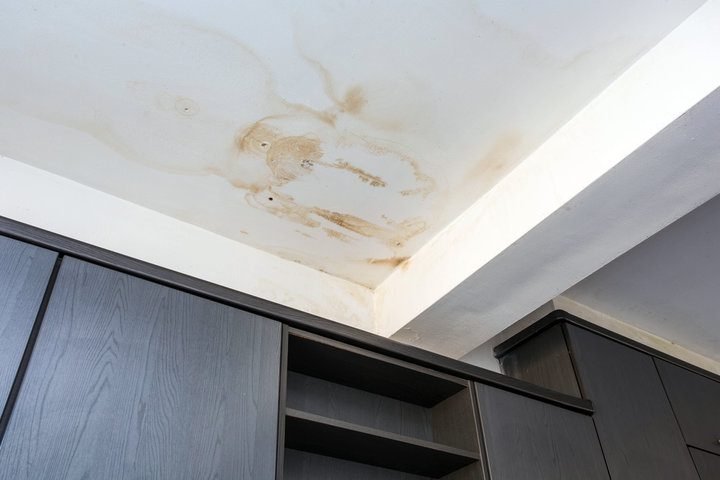
Colorado’s high-altitude climate presents unique challenges for homeowners and business owners. Heavy snowpack, freeze-thaw cycles, intense UV exposure, and sudden mountain storms can all take a toll on roofing systems. In communities like Breckenridge, Silverthorne, Dillon, Frisco, Keystone, and Vail, roof maintenance is not simply a seasonal chore. It is one of the most important defenses against costly water damage.
At Rocky Mountain Restore, based in Summit County, Colorado, we regularly help property owners recover from water damage caused by roof leaks, ice dams, storm impact, and long-term neglect. While we specialize in water damage restoration, fire and smoke cleanup, mold remediation, and insurance restoration, we also believe in helping our community prevent avoidable damage whenever possible. Proactive roof care can dramatically reduce the risk of interior water intrusion, structural damage, and mold growth.
The following roof maintenance tips are designed specifically for mountain properties. Whether you own a residential home in Breckenridge or manage a commercial building in Frisco, these strategies can help protect your investment and reduce the likelihood of emergency water damage restoration services.
Inspect Your Roof After Severe Mountain Storms
Mountain storms in Summit County can develop quickly and leave significant damage behind. Heavy snow accumulation, hail, high winds, and rapid temperature drops all impact roofing materials differently than in lower elevations. After any major weather event, a visual roof inspection should be a priority.
In Colorado mountain communities, even small storm-related issues can escalate rapidly. A lifted shingle, cracked flashing, or puncture from wind-driven debris can allow moisture to seep into the roof deck. With repeated freeze-thaw cycles, trapped moisture expands and contracts, worsening the damage over time. By the time water stains appear on your ceiling, structural deterioration may already be underway.
Homeowners and commercial property managers in areas like Keystone and Vail should perform a ground-level inspection after severe storms and contact a professional if anything looks suspicious. Warning signs to look for include:
- Missing, curled, or cracked shingles
- Visible sagging or uneven roof lines
- Dislodged flashing around chimneys and vents
- Debris accumulation in valleys or against roof penetrations
- Water stains on exterior walls beneath the roofline
It is also important to inspect interior spaces after major storms. Check attic areas for damp insulation, wet rafters, or dark staining. Even if you do not see active dripping, musty odors or slight discoloration can signal hidden moisture intrusion.
For commercial properties, flat or low-slope roofs require special attention. Pooling water that does not drain within 48 hours can stress roofing membranes and increase the likelihood of leaks. If storm damage is suspected, documenting the condition promptly can also support future insurance claims.
If water has already entered the structure, immediate mitigation is essential. Rocky Mountain Restore serving Summit County and nearby mountain communities responds quickly to assess moisture intrusion, prevent further spread, and begin the water damage restoration process before mold growth or structural deterioration takes hold.
Keep Gutters Clear to Prevent Winter Ice Dams
Gutters play a critical role in roof health, especially in high-snow regions like Breckenridge and Dillon. When gutters and downspouts are clogged with debris, water cannot drain properly. In winter, this often leads to ice dam formation along the roof edge.
Ice dams form when warm air from the attic melts snow on the roof. The melted water flows downward and refreezes near the colder eaves. As ice builds up, it traps additional melting snow behind it. That backed-up water can seep under shingles and into the home.
Preventing ice dams starts with proper gutter maintenance. Clear, functioning gutters allow melting snow to drain away from the roofline and foundation. At a minimum, gutters should be cleaned in late fall before heavy snowfall begins.
Key gutter maintenance tasks include:
- Removing leaves, pine needles, and roof granules
- Flushing downspouts to ensure proper drainage
- Securing loose gutter brackets and fasteners
- Checking for sagging sections that trap standing water
- Confirming that downspouts direct water away from the foundation
In mountain towns like Frisco and Silverthorne, pine needles are a common culprit. They accumulate quickly and create dense blockages that trap moisture. Regular inspections throughout the fall season can prevent winter complications.
Ice dams do more than damage shingles. They can cause water to infiltrate insulation, drywall, and framing. Over time, this moisture may lead to mold growth in attic spaces and wall cavities. Mold remediation can be significantly more complex and costly than simple preventive maintenance.
If you notice signs of water intrusion from ice dams, such as ceiling stains or peeling paint near exterior walls, immediate action is critical. Rocky Mountain Restore provides water damage mitigation and mold remediation services throughout Summit County and surrounding Colorado mountain communities to address damage quickly and thoroughly.
Schedule Professional Roof Inspections Annually
Even if your roof appears to be in good condition, an annual professional inspection is one of the most effective ways to prevent water damage. Mountain weather accelerates wear and tear, and minor issues are not always visible from the ground.
A professional roofer can identify subtle signs of deterioration that property owners might miss. These include compromised flashing, worn sealant around penetrations, loose fasteners, and early-stage shingle granule loss. Addressing these issues early can extend the life of your roofing system and prevent costly interior damage.
Annual inspections are especially important for:
- Homes older than 10 years
- Commercial buildings with flat or membrane roofs
- Properties exposed to high wind zones
- Structures with complex rooflines or multiple valleys
- Buildings with a history of ice dam formation
For homeowners in Breckenridge and nearby communities, scheduling inspections in late summer or early fall is ideal. This timing allows you to complete repairs before winter snow accumulation places additional stress on the roof.
Commercial property managers in areas like Vail and Keystone should consider more frequent evaluations depending on building size and usage. Restaurants, retail spaces, and multi-unit buildings often have rooftop equipment that can increase the risk of leaks around penetrations.
If an inspection reveals existing water damage, prompt restoration is essential. Rocky Mountain Restore works closely with property owners and insurance providers in Summit County to assess damage, document findings, and restore affected areas efficiently. Proactive inspections combined with professional restoration support can significantly reduce long-term repair costs.
Address Small Leaks Before Costly Water Damage
One of the most common causes of major water damage is a small, overlooked leak. What begins as a minor drip during heavy rain or snowmelt can evolve into widespread structural damage and mold growth.
In mountain environments, small leaks are especially dangerous due to temperature fluctuations. Moisture trapped in building materials may freeze and expand, worsening cracks and gaps. Over time, this cycle weakens wood framing, insulation, and drywall.
Common early signs of roof leaks include:
- Brown or yellow ceiling stains
- Peeling paint or bubbling drywall
- Musty odors in attics or upper floors
- Damp insulation
- Dripping during rapid snowmelt
Ignoring these warning signs can result in damage to flooring, electrical systems, and structural components. For commercial properties, undetected leaks may disrupt operations and pose safety risks to occupants.
When a leak is identified, temporary fixes such as tarping may reduce immediate exposure. However, permanent repairs should be completed as soon as possible. If water has already entered the building envelope, professional drying and moisture detection are critical.
Rocky Mountain Restore provides comprehensive water damage restoration services in Breckenridge, Silverthorne, Dillon, Frisco, Keystone, and surrounding areas. Our team uses advanced moisture detection tools to locate hidden water pockets and ensure thorough drying. Addressing small leaks quickly can prevent the need for extensive reconstruction and mold remediation later.
Ensure Proper Attic Ventilation Year Round
Attic ventilation plays a central role in preventing roof-related water damage. Without proper airflow, heat and moisture build up beneath the roof deck. In winter, this trapped heat accelerates snowmelt and contributes to ice dam formation.
During warmer months, poor ventilation can lead to excessive heat buildup. High attic temperatures degrade shingles, warp decking, and increase energy costs. Balanced intake and exhaust ventilation systems help regulate temperature and moisture levels year round.
Key components of effective attic ventilation include:
- Soffit vents for fresh air intake
- Ridge or roof vents for hot air exhaust
- Properly installed insulation to prevent heat transfer
- Air sealing around attic penetrations
- Moisture barriers where appropriate
In Summit County’s high-elevation climate, managing indoor humidity is also important. Everyday activities such as cooking and showering introduce moisture into the air. Without adequate ventilation, that moisture can accumulate in attic spaces and condense on cold surfaces.
Over time, excess attic moisture can result in mold growth, wood rot, and compromised structural integrity. Mold remediation in attic spaces often requires removal of contaminated insulation and treatment of affected framing.
Property owners in Breckenridge and neighboring communities should consider having their attic ventilation evaluated as part of routine home maintenance. If ventilation-related moisture issues have already caused damage, Rocky Mountain Restore offers professional mold remediation and structural drying services throughout Summit County to restore safe indoor conditions.
Partner With Local Restoration Experts Early
Even with diligent maintenance, unexpected roof damage can occur. When water intrusion happens, partnering with a local restoration company early can significantly reduce long-term consequences.
Quick response is critical in water damage situations. Within hours, moisture begins to spread through porous materials. Within days, mold growth may develop. Immediate mitigation helps limit structural damage and reduces overall restoration costs.
Benefits of contacting restoration professionals promptly include:
- Rapid moisture assessment and mapping
- Professional-grade water extraction and drying equipment
- Documentation for insurance claims
- Mold prevention strategies
- Structural stabilization when necessary
Rocky Mountain Restore is based in Summit County, Colorado and serves homeowners and businesses throughout Breckenridge, Silverthorne, Dillon, Frisco, Keystone, Vail, and surrounding mountain communities. Our team understands the unique challenges posed by high-altitude weather and heavy snow loads.
We work closely with property owners to evaluate roof-related water damage, develop restoration plans, and coordinate with insurance providers when applicable. Whether the damage stems from storm impact, ice dams, or a slow-developing leak, early intervention helps protect both property value and occupant safety.
Preventive roof maintenance combined with a trusted local restoration partner creates a strong defense against water damage. By staying proactive and addressing small issues early, property owners throughout Summit County can better safeguard their homes and commercial buildings year round.
Frequently Asked Questions
How quickly should water damage from a roof leak be addressed in Summit County?
Water damage should be addressed immediately, ideally within the first 24 hours. In mountain climates like Summit County, moisture can spread quickly through insulation, framing, and drywall, especially during freeze-thaw cycles. Rocky Mountain Restore serving Breckenridge and nearby communities responds promptly to assess, dry, and restore affected areas before mold growth or structural deterioration worsens.
Does homeowners insurance cover roof leak water damage in Colorado?
Coverage depends on the cause of the leak and the specific policy terms. Sudden and accidental damage from storms is often covered, while long-term neglect may not be. Rocky Mountain Restore works with homeowners and insurance providers throughout Summit County to document damage, provide detailed assessments, and support the claims process when water, fire, or storm damage occurs.
What are the signs of mold after a roof leak?
Common signs include musty odors, visible discoloration on ceilings or attic framing, peeling paint, and increased allergy-like symptoms indoors. In high-moisture environments like mountain homes in Frisco or Dillon, mold can develop within 24 to 48 hours after water intrusion. Professional mold remediation ensures safe removal and helps prevent recurrence.
Can commercial properties in Vail and Keystone receive roof-related water damage restoration services?
Yes, commercial buildings throughout Vail, Keystone, and surrounding mountain communities can receive comprehensive restoration services. Rocky Mountain Restore provides water extraction, structural drying, mold remediation, and reconstruction support for offices, retail spaces, restaurants, and multi-unit properties affected by roof leaks or storm damage.
How do ice dams cause interior water damage?
Ice dams form when melting snow refreezes at the roof edge, trapping additional water behind it. That trapped water can seep under shingles and into attic spaces, insulation, and walls. Over time, this leads to staining, mold growth, and structural damage, requiring professional water damage restoration in affected Summit County properties.
What does the water damage restoration process involve?
The process typically includes inspection, moisture mapping, water extraction, professional drying, cleaning, sanitizing, and necessary repairs. Rocky Mountain Restore serving Summit County and nearby Colorado mountain communities uses specialized equipment to ensure hidden moisture is addressed and the property is restored safely and efficiently.
Is attic mold dangerous for homeowners and businesses?
Attic mold can compromise indoor air quality and contribute to respiratory irritation, especially for individuals with allergies or asthma. In commercial settings, it may also create liability concerns. Professional mold remediation helps remove contaminated materials, treat affected surfaces, and address underlying moisture issues to restore a safe environment.
When should I call a restoration company instead of a roofing contractor?
If water has entered the interior of your home or commercial building, a restoration company should be contacted in addition to a roofer. While a roofer repairs the exterior source, Rocky Mountain Restore serving Breckenridge and surrounding areas addresses interior water damage, drying, mold prevention, and structural repairs to fully restore the property.