
Spring in the Colorado Rockies brings longer days, warmer temperatures, and stunning mountain views. It also brings rapid snowmelt, heavy spring storms, and fluctuating temperatures that can put homes and commercial buildings at risk for serious water damage. In high-altitude communities like Breckenridge, Silverthorne, Dillon, Frisco, Keystone, Vail, and surrounding areas, seasonal transitions can be particularly harsh on roofs, foundations, and drainage systems.
Rocky Mountain Restore, based in Breckenridge, Colorado, provides professional residential and commercial property damage restoration services throughout Summit County and nearby mountain communities. With years of experience addressing water damage in alpine environments, our team understands how quickly spring weather can affect your property and what steps you can take to minimize risk.
This guide explains how to protect your property from spring storm water damage and what to do if moisture intrusion occurs.
Understanding Spring Storm Risks in Colorado
Spring storms in Colorado mountain communities are unique. Unlike many lower-elevation regions, Summit County experiences a combination of melting snowpack, frozen ground, heavy rain, and temperature swings that can create sudden water management challenges.
When snow melts rapidly during warm days and refreezes overnight, it places stress on roofing materials and drainage systems. Ice dams can form at roof edges, trapping water beneath shingles. Meanwhile, saturated soil around foundations may struggle to absorb additional rainfall, leading to seepage or basement flooding.
Common spring storm risk factors in mountain regions include:
- Rapid snowmelt combined with heavy rainfall
- Ice dams and roof-edge refreezing
- Frozen or compacted soil limiting absorption
- Blocked gutters and downspouts from winter debris
- Steep terrain directing runoff toward structures
Homes and commercial properties in Breckenridge and nearby communities often sit on slopes or near natural drainage channels. While scenic, these locations can increase vulnerability during spring runoff. Even properties that performed well during winter may face new risks as temperatures rise.
Understanding these seasonal dynamics is the first step toward preventing costly water damage restoration needs later in the season.
Common Causes of Mountain Water Damage in Spring
Water damage in Summit County homes and businesses during spring typically stems from a combination of natural and structural factors. Identifying these causes early can prevent extensive interior damage and mold growth.
One of the most frequent issues is roof-related water intrusion. Winter snow accumulations may have stressed roofing materials, and as snow melts, water can exploit small cracks, lifted shingles, or compromised flashing. What begins as a minor leak can quickly lead to attic insulation saturation and ceiling staining.
Other common causes of spring water damage include:
- Foundation cracks allowing groundwater seepage
- Malfunctioning sump pumps during peak runoff
- Improper grading directing water toward the building
- Burst exterior hose bibs damaged by winter freeze
- Clogged window wells filling with rainwater
Commercial properties in Dillon, Silverthorne, and Frisco often face additional concerns, such as flat roof drainage systems overwhelmed by melting snow and rain. Ponding water on commercial roofs can lead to membrane deterioration and interior leaks if not addressed promptly.
Mountain homes with finished basements are particularly susceptible. When groundwater levels rise during snowmelt, hydrostatic pressure increases against foundation walls. Without proper waterproofing or drainage systems, moisture can enter through even hairline cracks.
Proactive inspection and maintenance significantly reduce the likelihood of emergency water damage repair during peak spring storm season.
Inspecting Roofs and Gutters Before Storms
Your roof is the first line of defense against spring storms. In high-elevation communities like Keystone and Vail, winter conditions can cause subtle damage that is not immediately visible from the ground.
A thorough roof inspection before heavy spring precipitation can reveal vulnerabilities such as lifted shingles, damaged flashing around chimneys, and deteriorated sealant around roof penetrations. Addressing minor repairs early can prevent major interior water damage later.
Key roof and gutter inspection points include:
- Missing, cracked, or curling shingles
- Loose or damaged flashing around vents and chimneys
- Accumulated debris in gutters and downspouts
- Sagging gutter sections or improper slope
- Ice dam damage along roof edges
Gutters play a critical role in directing water away from your property. When clogged with pine needles, leaves, or winter debris, water can overflow and run down exterior walls. This may lead to siding damage, foundation seepage, or basement leaks.
For commercial buildings, professional inspection of flat roof drains, scuppers, and internal drainage systems is essential. Blockages in these systems can cause water to pond and eventually infiltrate roofing membranes.
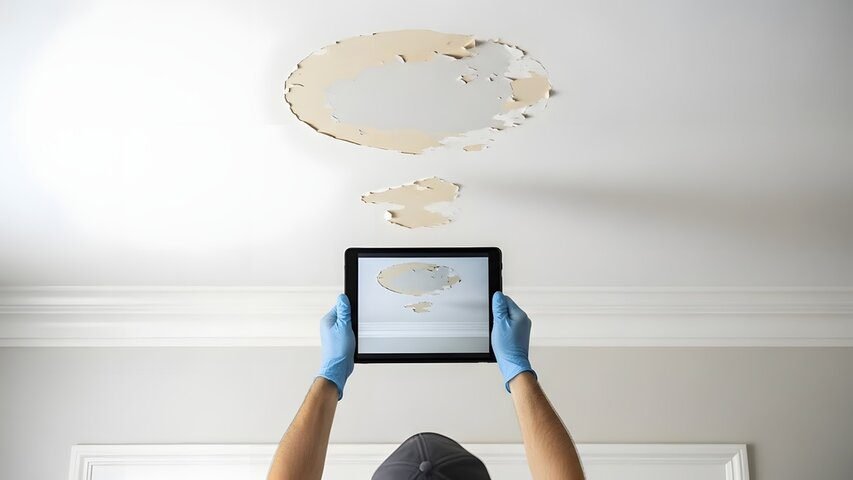
If you notice interior signs such as ceiling discoloration, peeling paint, or attic moisture, it may indicate hidden roof leaks. Rocky Mountain Restore provides water damage assessment services throughout Summit County to identify the source and recommend appropriate restoration steps.
Improving Drainage Around Your Foundation
Proper exterior drainage is one of the most effective defenses against spring storm water damage. In mountain communities where snowmelt contributes significant runoff, managing how water flows around your home or business is essential.
Start by evaluating your property’s grading. The ground should slope away from the foundation to prevent water from pooling near the structure. Even small low spots can collect water during heavy rainfall and allow it to seep into foundation cracks.
Effective drainage improvements include:
- Extending downspouts at least several feet from the foundation
- Installing or maintaining French drains
- Clearing snow away from foundation walls during melt periods
- Ensuring window wells have proper covers and drainage
- Testing sump pumps before peak runoff begins
In areas like Breckenridge and Frisco, where properties often sit on uneven terrain, strategic landscaping adjustments can make a significant difference. Swales or subtle grading changes can redirect water safely downhill and away from structures.
Commercial properties benefit from regular inspection of parking lot drains and exterior catch basins. Debris buildup can cause water to back up and migrate toward building entrances.
If you observe recurring basement dampness or standing water near your foundation, early intervention can prevent the need for extensive water damage restoration services later.
Why Fast Water Removal Prevents Mold Growth
When water enters a property, time is critical. In Colorado’s mountain climate, cooler temperatures may slow some microbial growth, but mold can still begin developing within 24 to 48 hours under the right conditions.
Moisture trapped behind drywall, under flooring, or in insulation creates an environment where mold spores can thrive. What might initially appear as minor water damage can escalate into a larger mold remediation project if not addressed quickly.
Benefits of immediate water removal include:
- Reducing the risk of mold growth
- Preventing structural wood deterioration
- Minimizing drywall and flooring replacement
- Protecting indoor air quality
- Lowering overall restoration costs
Professional water damage restoration involves more than simply removing visible water. Industrial-grade extraction equipment, air movers, and dehumidifiers are used to dry affected materials thoroughly. Moisture meters and thermal imaging tools help identify hidden damp areas.
Rocky Mountain Restore serving Summit County and nearby communities provides prompt response for water intrusion events in both residential and commercial properties. Our team performs detailed assessments to determine the extent of damage and develops a comprehensive drying plan tailored to mountain construction methods.
Addressing water damage early not only protects your property’s structure but also helps safeguard the health of occupants.
When to Call a Local Restoration Expert Team
While some minor exterior maintenance can be handled proactively, there are clear situations when professional help is necessary. Recognizing these signs can prevent small problems from becoming major restoration projects.
You should consider contacting a restoration expert if you notice:
- Water actively entering your home during a storm
- Persistent musty odors after a leak
- Warped flooring or bubbling paint
- Visible mold growth on walls or ceilings
- Standing water in basements or crawl spaces
Mountain properties often require specialized knowledge due to unique building materials and environmental conditions. A local team familiar with Summit County’s climate understands how snow load, freeze-thaw cycles, and elevation impact structures.
Rocky Mountain Restore, based in Breckenridge and serving communities including Silverthorne, Dillon, Frisco, Keystone, Vail, and surrounding mountain areas, provides comprehensive property damage restoration services. These include water damage restoration, mold remediation, fire and smoke damage cleanup, and insurance restoration support for both homeowners and businesses.
Our team works closely with property owners and insurance providers to streamline the claims process. Thorough documentation, moisture mapping, and professional reporting help ensure efficient communication and restoration planning.
If spring storms have already caused damage, prompt evaluation can significantly reduce long-term repair costs and disruption.
Frequently Asked Questions
How quickly should water damage be addressed in mountain homes?
Water damage should be addressed as soon as possible, ideally within 24 hours. In Summit County and nearby mountain communities, rapid snowmelt and cool temperatures can mask moisture problems while mold begins developing behind walls or under flooring. Rocky Mountain Restore serving Breckenridge and surrounding areas provides prompt assessment and water extraction to help reduce structural damage and mold risk.
What are common signs of hidden water damage after a spring storm?
Common signs include musty odors, ceiling stains, peeling paint, warped flooring, and unexplained increases in humidity indoors. In Colorado mountain homes, water may enter through roofing, foundation cracks, or window wells during spring runoff. Rocky Mountain Restore offers professional moisture detection services throughout Summit County to identify hidden issues before they worsen.
Does homeowners insurance cover spring storm water damage?
Coverage depends on your specific policy and the source of the water intrusion. Sudden and accidental damage from storms is often covered, while gradual maintenance-related issues may not be. Rocky Mountain Restore works with homeowners and insurance providers in Breckenridge, Silverthorne, Dillon, and nearby communities to document damage and support the claims process efficiently.
How can I prevent mold after a basement flood?
Immediate water extraction and thorough drying are critical to preventing mold growth. Dehumidifiers, air movers, and moisture monitoring equipment help ensure affected materials are completely dry. Rocky Mountain Restore serving Summit County provides professional water damage restoration and mold remediation services to help protect indoor air quality after flooding events.
Do commercial properties in Summit County require different restoration approaches?
Yes, commercial buildings often have flat roofing systems, larger HVAC systems, and more complex layouts that require specialized restoration planning. Quick mitigation is essential to minimize business interruption. Rocky Mountain Restore provides tailored commercial property damage restoration services throughout Colorado mountain communities to address these unique needs.
What should I do if my roof leaks during a storm?
First, protect interior belongings by moving them away from the affected area and containing dripping water if possible. Avoid climbing onto the roof during severe weather. After the storm passes, contact a professional restoration company such as Rocky Mountain Restore serving Breckenridge and surrounding communities for inspection, damage assessment, and drying services.
Can snowmelt alone cause serious water damage?
Yes, rapid snowmelt can overwhelm drainage systems and increase hydrostatic pressure against foundations. In mountain regions like Summit County, snowmelt combined with rain significantly raises the risk of basement seepage and roof leaks. Proactive drainage improvements and early restoration intervention can help prevent extensive repairs.
When should I call for professional mold remediation instead of cleaning it myself?
If mold covers more than a small surface area, keeps returning, or results from significant water damage, professional remediation is recommended. Improper cleaning can spread spores and worsen indoor air quality. Rocky Mountain Restore provides thorough mold inspection and remediation services for homes and businesses throughout Summit County and nearby Colorado mountain communities.