
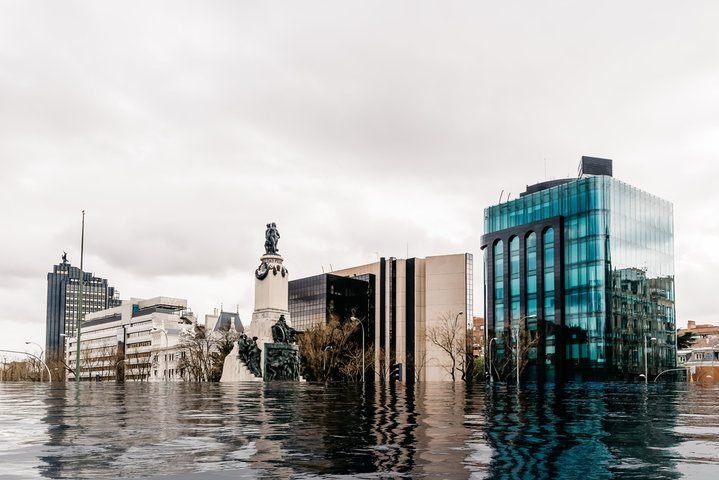
Winter in the Colorado Rockies is beautiful, but for property owners in Breckenridge, Silverthorne, Dillon, Frisco, Keystone, Vail, and throughout Summit County, it can also bring serious flood risks. Heavy snowfall, fluctuating temperatures, and mountain terrain combine to create conditions that make winter flooding a common and costly threat.
At Rocky Mountain Restore, based in Summit County, Colorado, we help homeowners and businesses prevent and recover from winter-related water damage. Whether it’s a frozen pipe burst in a Breckenridge home or snowmelt flooding a commercial property in Silverthorne, understanding how to prevent winter flooding is the first step toward protecting your investment.
Below, we break down the causes of cold-weather flooding and provide practical, locally informed strategies to safeguard Colorado mountain properties.
Understanding Winter Flood Risks in Colorado
Colorado’s mountain climate presents unique flooding risks during winter. Unlike regions where winter simply means frozen ground and steady temperatures, Summit County and nearby mountain communities experience frequent freeze-thaw cycles. These rapid shifts can cause snow to melt during the day and refreeze at night, leading to ice buildup, drainage blockages, and structural stress.
High-elevation communities like Breckenridge and Keystone often receive substantial snowfall. While snow accumulation may look harmless, it represents a significant volume of stored water. When warmer temperatures arrive or rain falls on snowpack, that water has to go somewhere. If drainage systems are blocked or foundations are vulnerable, flooding can occur quickly.
Several regional factors increase winter flood risks in areas such as Dillon, Frisco, and Vail:
- Heavy, wet snow that melts rapidly during warm spells
- Ice dams forming along rooflines
- Sloped terrain directing water toward foundations
- Aging plumbing systems in older mountain homes
- Vacation properties left unoccupied for extended periods
Many property owners underestimate winter flooding because they associate floods with spring runoff or summer storms. However, in Colorado mountain communities, winter is one of the most common seasons for interior water damage claims. Frozen pipes, roof leaks from ice dams, and snowmelt intrusion are frequent issues we address.
The key to prevention is understanding that winter flooding doesn’t typically happen from one dramatic event. Instead, it often results from a chain reaction of temperature swings, snow accumulation, and minor maintenance oversights. A small ice blockage can redirect water under shingles. A slightly cracked pipe can burst under pressure. A clogged exterior drain can turn melting snow into basement flooding.
Being proactive about winter flood risks protects not only your structure but also interior finishes, personal belongings, and business operations. For commercial properties in Summit County, even a short period of downtime due to water damage can have significant financial consequences.
Common Causes of Cold-Weather Water Damage
Winter water damage in Colorado mountain properties usually stems from predictable causes. Understanding these common triggers helps property owners implement targeted prevention strategies.
One of the most common issues we see at Rocky Mountain Restore is frozen and burst pipes. When temperatures drop below freezing, uninsulated pipes in crawl spaces, exterior walls, garages, or mechanical rooms are especially vulnerable. As water freezes, it expands, increasing internal pressure until the pipe cracks or bursts.
Other frequent cold-weather water damage causes include:
- Ice dams forcing water beneath shingles
- Snowmelt pooling against foundations
- Clogged gutters and downspouts
- Malfunctioning sump pumps during mid-winter thaws
- Roof penetrations compromised by ice buildup
Ice dams are particularly problematic in areas like Breckenridge and Frisco, where heavy snow accumulation is common. When heat escapes from the attic, it warms the roof deck and melts snow unevenly. The melted water flows downward and refreezes at the colder eaves, forming a barrier. Water then backs up under roofing materials and leaks into ceilings and walls.
Another overlooked cause of winter flooding is poor grading around a property. In mountain communities such as Silverthorne and Dillon, sloped terrain can either help or hurt drainage. If landscaping directs water toward the foundation instead of away from it, snowmelt can seep into basements and crawl spaces.
Vacant or seasonal properties are at higher risk. Homes left unheated or unchecked during cold snaps are especially susceptible to frozen pipes. A small plumbing failure can release thousands of gallons of water before anyone notices.
Preventing winter water damage starts with a thorough inspection of:
- Plumbing systems and exposed piping
- Roof edges and attic insulation levels
- Exterior grading and drainage paths
- Gutters and downspouts before snowfall
- Mechanical systems in commercial buildings
By identifying these vulnerabilities early, property owners can significantly reduce the likelihood of a mid-winter flooding emergency.
Protecting Mountain Homes From Ice Dams
Ice dams are one of the most destructive winter flooding threats in Colorado’s high-elevation communities. In places like Keystone and Vail, where snowfall totals can be significant, the combination of insulation gaps and fluctuating temperatures creates ideal conditions for ice dam formation.
The root cause of ice dams is uneven roof temperature. Warm air escaping from the home melts snow higher up on the roof. As the meltwater travels downward, it reaches the colder roof edge and refreezes. Over time, this frozen barrier grows thicker, trapping additional meltwater behind it.
To reduce the risk of ice dams, focus on controlling attic temperatures and roof surface conditions:
- Improve attic insulation to reduce heat loss
- Seal air leaks around light fixtures and vents
- Ensure proper attic ventilation
- Remove excess snow safely from roof edges
- Keep gutters clear before winter begins
A well-insulated and ventilated attic helps maintain a consistent roof temperature, preventing uneven melting. In Summit County properties, proper ventilation allows cold air to circulate under the roof deck, reducing the temperature differential that causes ice dams.
Snow removal can also help, but it must be done carefully. Using roof rakes from the ground can reduce snow load near eaves without damaging shingles. Climbing onto icy roofs is dangerous and often leads to more harm than good.
If you notice warning signs such as icicles forming along the eaves, water stains on ceilings, or peeling paint near rooflines, take action quickly. These may indicate that water is already backing up behind an ice dam.
When ice dams cause interior water damage, prompt mitigation is essential. Rocky Mountain Restore serves Summit County and surrounding mountain communities with responsive water extraction, drying, and structural repair services to prevent secondary damage like mold growth.
Preventing Frozen Pipes and Costly Bursts
Frozen pipes are among the most common causes of winter flooding in Colorado mountain homes and commercial buildings. When a pipe bursts, the resulting water damage can be extensive, affecting drywall, flooring, insulation, and electrical systems.
Pipes most at risk include those located in:
- Unheated garages and storage areas
- Crawl spaces and basements
- Exterior-facing walls
- Mechanical rooms in commercial buildings
- Vacant or infrequently used properties
Prevention starts with insulation. Pipe insulation sleeves, heat tape, and sealing gaps in exterior walls can significantly reduce freezing risk. In areas like Breckenridge and Silverthorne, where overnight temperatures can drop rapidly, these precautions are especially important.
Maintaining consistent indoor temperatures is another critical step. Even if a property is vacant, keeping the thermostat set to a minimum safe level helps protect plumbing systems. Smart thermostats and remote monitoring systems allow property owners in Dillon or Frisco to monitor conditions from afar.
Additional frozen pipe prevention strategies include:
- Allowing faucets to drip during extreme cold
- Opening cabinet doors to circulate warm air
- Disconnecting and draining exterior hoses
- Shutting off and winterizing irrigation systems
- Scheduling pre-winter plumbing inspections
If a pipe does freeze, act quickly. Shut off the main water supply and contact a qualified professional. Attempting to thaw pipes with open flames is dangerous and can cause fires.
When a burst occurs, immediate water extraction and drying are essential to prevent structural deterioration and mold growth. Rocky Mountain Restore provides water damage restoration services throughout Summit County and nearby mountain regions, helping homeowners and businesses recover efficiently after frozen pipe incidents.
Smart Drainage Solutions for Snowmelt
As winter transitions toward spring, snowmelt becomes a major flood concern in Colorado mountain communities. Rapid warming or rain-on-snow events can overwhelm drainage systems, especially if they are blocked or poorly designed.
In Summit County, properties built on slopes require especially careful drainage planning. Meltwater naturally flows downhill, and without proper redirection, it can accumulate around foundations or seep into lower-level spaces.
Effective snowmelt management includes:
- Ensuring gutters and downspouts extend away from foundations
- Installing French drains where needed
- Maintaining clear window wells
- Grading soil to slope away from the structure
- Using snow placement strategies that avoid piling near foundations
One common mistake is piling shoveled snow directly against exterior walls. When that snow melts, it saturates the soil near the foundation, increasing the risk of seepage. Instead, direct snow piles away from the building whenever possible.
Commercial properties in areas like Vail and Keystone often have large roof surfaces that generate significant runoff. Heated drain systems and regular maintenance can prevent ice blockages that redirect water inside.
Sump pumps should also be tested before peak snowmelt season. A malfunction during a sudden thaw can quickly result in basement flooding. Backup power sources provide added protection during winter storms that cause power outages.
Proactive drainage planning protects both residential and commercial properties from avoidable water intrusion. It is often far less costly to upgrade drainage systems than to repair foundation damage or interior flooding later.
When to Call a Local Restoration Expert
Even with the best prevention strategies, winter flooding can still occur. When it does, fast action minimizes long-term damage and restoration costs.
Call a local restoration professional if you notice:
- Standing water inside the property
- Water stains spreading across ceilings or walls
- Warped flooring or buckling materials
- Persistent musty odors
- Signs of mold growth after water exposure
Water damage in mountain climates requires specialized knowledge. Cold temperatures can slow drying, and hidden moisture inside walls or insulation can freeze and thaw repeatedly, compounding damage.
Rocky Mountain Restore, based in Summit County, Colorado, provides water damage restoration, fire and smoke damage cleanup, mold remediation, and insurance restoration services for residential and commercial properties throughout Breckenridge, Silverthorne, Dillon, Frisco, Keystone, Vail, and nearby mountain communities. Our team understands how winter conditions impact drying times, material performance, and structural integrity.
A professional restoration response typically includes:
- Immediate water extraction
- Moisture mapping and thermal imaging
- Structural drying with commercial-grade equipment
- Removal of damaged materials when necessary
- Assistance with insurance documentation and claims
Acting quickly not only protects your property but also reduces the likelihood of secondary issues such as mold growth or structural weakening.
Winter flooding in Colorado properties is preventable in many cases, but when emergencies happen, having a trusted local restoration partner makes all the difference.
Frequently Asked Questions
How common is winter water damage in Summit County homes?
Winter water damage is surprisingly common in Summit County due to heavy snowfall, freeze-thaw cycles, and high-elevation conditions. Frozen pipes, ice dams, and snowmelt intrusion frequently lead to interior flooding in homes and businesses. Rocky Mountain Restore serving Summit County and nearby communities regularly responds to winter-related water damage emergencies throughout the mountain region.
What should I do if a pipe bursts in my Colorado mountain home?
If a pipe bursts, immediately shut off your main water supply and, if safe, turn off electricity to affected areas. Contact a professional restoration company as soon as possible to begin water extraction and drying. Rocky Mountain Restore serving Breckenridge, Silverthorne, Dillon, and surrounding areas provides responsive water damage restoration to help minimize structural damage and prevent mold growth.
Does homeowners insurance cover winter flood damage from frozen pipes?
In many cases, homeowners insurance policies cover sudden and accidental water damage from frozen or burst pipes, but coverage can vary. It is important to review your policy and document the damage thoroughly. Rocky Mountain Restore works with property owners and insurance providers throughout Summit County to support the claims process and provide detailed documentation.
How can I prevent ice dams on my roof in Colorado?
Preventing ice dams involves improving attic insulation, sealing air leaks, and ensuring proper roof ventilation to maintain consistent roof temperatures. Removing excess snow near eaves and keeping gutters clear can also help. Rocky Mountain Restore serving mountain communities across Summit County can assess water damage caused by ice dams and recommend next steps if leaks occur.
How quickly should water damage be addressed to prevent mold?
Water damage should ideally be addressed within 24 to 48 hours to significantly reduce the risk of mold growth. In Colorado’s mountain climate, hidden moisture can linger behind walls and under flooring. Rocky Mountain Restore provides prompt water extraction and structural drying services throughout Summit County to help prevent mold problems after flooding events.
Can commercial properties in Vail and Keystone experience winter flooding too?
Yes, commercial buildings in Vail, Keystone, and surrounding mountain areas face many of the same winter flood risks as residential properties. Large roof areas, complex plumbing systems, and high occupancy rates can increase exposure. Rocky Mountain Restore offers commercial water damage restoration services to help businesses recover quickly and minimize operational downtime.
What are the signs of hidden water damage after snowmelt?
Signs of hidden water damage include peeling paint, warped flooring, ceiling stains, musty odors, and unexplained increases in humidity. In mountain communities like Frisco and Dillon, snowmelt can seep into concealed spaces. Rocky Mountain Restore uses moisture detection tools to identify hidden water and provide comprehensive drying and restoration solutions.
When should I call a professional for mold remediation after water damage?
If you notice visible mold growth, persistent musty smells, or health symptoms following water damage, it is time to call a professional. Mold can spread quickly in damp environments, even during winter. Rocky Mountain Restore serving Summit County and nearby Colorado mountain communities offers professional mold remediation services to safely remove contamination and restore indoor air quality.