
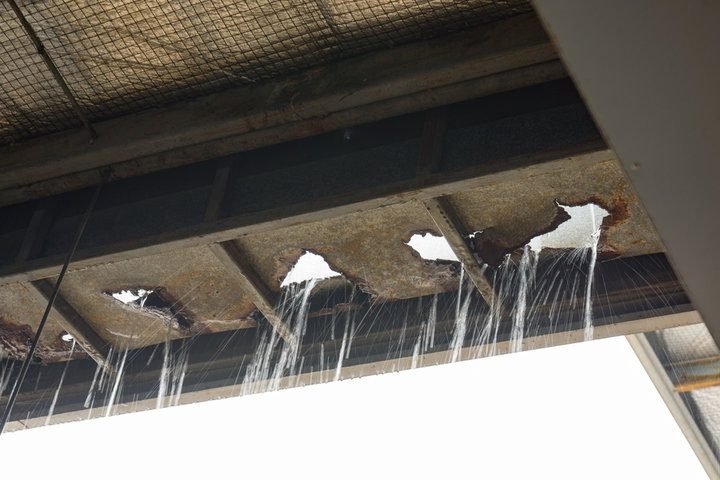
Summer in the Colorado high country brings long days, vibrant landscapes, and dramatic afternoon thunderstorms. While these fast-moving mountain storms can be beautiful, they also pose a serious risk to homes and businesses throughout Summit County. Heavy rain, hail, high winds, and rapid snowmelt at higher elevations can quickly overwhelm roofs, gutters, and drainage systems, leading to costly water damage.
For property owners in Breckenridge, Silverthorne, Dillon, Frisco, Keystone, Vail, and surrounding mountain communities, preparation is the key to avoiding expensive repairs. The unique combination of altitude, steep rooflines, freeze-thaw cycles, and intense UV exposure makes mountain properties more vulnerable to sudden storm-related damage.
Rocky Mountain Restore, based in Breckenridge and serving Summit County and nearby Colorado mountain communities, has extensive experience responding to water damage emergencies caused by summer thunderstorms. In this guide, we’ll walk through practical, preventative steps you can take to protect your residential or commercial property before the next storm rolls in.
Inspect Your Roof Before Storm Season Hits
Your roof is your first line of defense against summer thunderstorms. In high-elevation communities like Breckenridge and Keystone, roofs endure months of heavy snow load, ice dams, and intense sun exposure before storm season even begins. By summer, many roofing systems already have minor weaknesses that can quickly turn into major leaks during heavy rain or hail.
Even small vulnerabilities can allow wind-driven rain to penetrate under shingles or flashing. Once water gets beneath the surface, it can travel along decking, insulation, and framing before becoming visible inside your property. By the time you see a stain on the ceiling, significant hidden damage may already be present.
A pre-season inspection helps identify and correct issues before they become emergencies. Whether you own a mountain home, vacation rental, retail storefront, or office building, roof maintenance should be a top priority.
Key roof inspection points include:
- Missing, cracked, or curling shingles
- Damaged flashing around chimneys and vents
- Soft spots or sagging areas
- Hail impact marks or granule loss
- Loose or exposed fasteners
In mountain climates, hail damage is particularly common during summer storms. Hail may not cause immediate leaks, but it can weaken shingles and shorten their lifespan. Over time, these small impacts compromise the roof’s protective barrier, making future leaks more likely.
Commercial flat roofs in Frisco or Dillon require special attention as well. Ponding water on low-slope surfaces can deteriorate membrane systems and eventually seep into insulation and interior ceiling cavities. Routine inspections and prompt repairs reduce the risk of widespread water intrusion.
If you’re unsure about the condition of your roof, scheduling a professional assessment before peak storm season is a proactive way to protect your investment. Early detection prevents interior water damage, mold growth, and structural deterioration.
Clean Gutters to Prevent Costly Overflows
Gutters and downspouts are often overlooked, yet they play a critical role in directing stormwater away from your property. In wooded areas around Silverthorne and Vail, gutters frequently collect pine needles, leaves, and debris. When summer thunderstorms hit, clogged gutters can overflow within minutes.
Overflowing gutters allow water to cascade down siding, seep into fascia boards, and pool near the foundation. Over time, this repeated saturation weakens building materials and increases the likelihood of basement flooding or crawl space moisture issues.
Regular cleaning is one of the simplest and most effective ways to prevent water damage during summer thunderstorms.
Gutter maintenance should include:
- Removing leaves, pine needles, and sediment
- Flushing downspouts to ensure clear flow
- Checking for loose brackets or sagging sections
- Confirming proper slope toward downspouts
- Extending downspouts at least several feet from the foundation
In mountain communities, rapid rain combined with steep roof pitches means water moves quickly. If gutters are blocked, water has nowhere to go. It may back up under shingles or spill directly against exterior walls.
Ice damage from winter can also loosen joints and seams. Even a small separation can leak steadily during a heavy downpour. Inspect seams and corners for signs of rust, cracks, or water staining.
Installing gutter guards can help reduce debris accumulation, but they are not maintenance-free. Periodic inspections remain essential. Preventative cleaning is far less expensive than repairing water-damaged drywall, insulation, flooring, or structural framing.
Check Sump Pumps and Drainage Systems Around Your Foundation
Foundation protection is especially important in mountain terrain. Many homes and businesses in Summit County are built on slopes or near natural runoff paths. During intense summer thunderstorms, large volumes of water can move quickly downhill, placing pressure on foundation walls.
A properly functioning sump pump and exterior drainage system can prevent groundwater intrusion. However, these systems must be tested regularly to ensure they operate when needed most.
Before storm season peaks, take time to evaluate your drainage setup.
Important checks include:
- Testing sump pumps by pouring water into the pit
- Confirming backup battery systems are operational
- Clearing debris from exterior drains and window wells
- Inspecting foundation walls for cracks
- Verifying proper grading away from the structure
Heavy rainfall can saturate soil rapidly, increasing hydrostatic pressure against foundation walls. If cracks or weak points exist, water may seep into basements or crawl spaces. Even small amounts of intrusion can lead to mold growth within 24 to 48 hours.
In commercial properties, water infiltration may damage inventory, equipment, and mechanical systems. In residential homes, finished basements are particularly vulnerable to carpet, drywall, and insulation damage.
Grading is another critical factor. Soil should slope away from the building so that water drains outward rather than pooling near the foundation. Over time, landscaping changes or erosion may alter this slope without property owners noticing.
If you experience recurring dampness, musty odors, or minor seepage during storms, it may be time for a professional assessment. Addressing drainage weaknesses proactively can prevent emergency water extraction and extensive repairs later.
Seal Windows and Doors Against Wind-Driven Rain
Summer thunderstorms in the Rockies often bring strong gusts of wind that push rain horizontally against buildings. Even well-built homes in Breckenridge or Keystone can experience water intrusion if windows and doors are not properly sealed.
Wind-driven rain can exploit tiny gaps in caulking, weatherstripping, or window flashing. Over time, UV exposure and temperature fluctuations cause sealants to crack and shrink, creating entry points for moisture.
A seasonal inspection of windows and doors can dramatically reduce water intrusion risk.
Areas to evaluate include:
- Cracked or missing exterior caulking
- Worn weatherstripping around doors
- Damaged window flashing
- Gaps between frames and siding
- Signs of interior staining or peeling paint
Condensation between window panes may indicate failed seals, which can also allow moisture penetration during heavy storms. Replacing compromised seals improves both moisture protection and energy efficiency.
For commercial storefronts in Dillon or Frisco, large glass panels and entry systems should be inspected regularly. Improper drainage at door thresholds can allow water to pool and seep inside during sudden downpours.
Interior warning signs of window leaks include bubbling paint, warped trim, or soft drywall beneath windows. Addressing these small problems early prevents mold growth and structural deterioration.
Simple resealing and maintenance can provide significant protection against high-elevation storm conditions.
Protect Basements in Mountain Storm Surges
Basements in mountain communities face unique challenges. Rapid rainfall, melting snow at higher elevations, and saturated soil can combine to create sudden storm surges. Even properties that have never flooded before may experience unexpected water intrusion during an intense summer thunderstorm.
Finished basements are especially vulnerable because they contain drywall, insulation, flooring, and personal belongings that absorb water quickly. Once wet, these materials can become breeding grounds for mold.
Preventative basement protection strategies include:
- Installing water leak detection devices
- Elevating valuable items off the floor
- Sealing foundation cracks promptly
- Ensuring window well covers are secure
- Keeping floor drains clear and unobstructed
In some areas of Summit County, older homes may not have modern waterproofing systems. If you notice recurring dampness or musty odors, this may indicate chronic moisture issues that worsen during storms.
Commercial buildings with below-grade storage or mechanical rooms also face risk. Protecting equipment and electrical systems from water exposure should be a priority.
If water does enter your basement, quick action is essential. Professional water extraction, structural drying, and moisture monitoring can help prevent secondary damage such as mold growth or wood rot. Rocky Mountain Restore provides responsive water damage restoration services throughout Breckenridge, Silverthorne, and nearby communities when storm-related flooding occurs.
Schedule a Professional Storm Damage Inspection
While preventative maintenance goes a long way, professional inspections provide a deeper level of protection. Experienced restoration and inspection professionals understand how mountain weather patterns impact building materials over time.
A comprehensive storm damage inspection evaluates roofing systems, exterior envelopes, drainage components, and interior signs of hidden moisture. Identifying vulnerabilities before a severe storm reduces the likelihood of emergency repairs.
Benefits of scheduling an inspection include:
- Early detection of hidden leaks
- Documentation for insurance purposes
- Professional recommendations for improvements
- Peace of mind before peak storm season
- Reduced long-term repair costs
After a significant thunderstorm, even if visible damage is minimal, it’s wise to check for hidden issues. Water can travel behind walls or under flooring without immediate signs.
Rocky Mountain Restore, based in Breckenridge and serving Summit County and surrounding mountain communities, works with homeowners and business owners to assess storm-related damage thoroughly. If water intrusion has already occurred, their team provides water extraction, drying, mold prevention, and full restoration services to return properties to safe, pre-loss condition.
Proactive inspections combined with rapid response after storms help protect both property value and occupant safety.
Frequently Asked Questions
How quickly should water damage be addressed after a summer thunderstorm?
Water damage should be addressed immediately, ideally within the first 24 hours. In mountain communities like Breckenridge and Silverthorne, cool temperatures can slow evaporation, allowing moisture to linger inside walls and flooring. Rocky Mountain Restore serving Summit County and nearby communities provides rapid response water extraction and drying services to help prevent mold growth and structural damage.
Can heavy rain cause mold even if flooding is minor?
Yes, even minor water intrusion from heavy rain can create conditions for mold growth within 24 to 48 hours. Small leaks behind drywall or under flooring often go unnoticed until odors or staining appear. Professional moisture detection and drying services help ensure hidden damp areas are properly addressed before mold becomes a larger issue.
What are common signs of hidden storm-related water damage?
Common signs include water stains on ceilings, bubbling paint, warped baseboards, musty odors, and unexplained increases in indoor humidity. In commercial buildings, you may also notice ceiling tile discoloration or flooring separation. A professional inspection can identify moisture trapped behind walls or under flooring before more serious deterioration occurs.
Does homeowners insurance cover thunderstorm water damage in Colorado?
Coverage depends on your specific policy and the source of the water intrusion. Many policies cover sudden and accidental storm-related damage, such as roof leaks caused by hail or wind. Rocky Mountain Restore works with property owners and insurance providers throughout Summit County to document damage and support the claims process efficiently.
What should I do immediately after discovering water in my basement?
First, ensure the area is safe and avoid contact with standing water if electrical hazards are present. Remove valuable items if possible and document the damage with photos. Then contact a professional restoration company serving your area, such as Rocky Mountain Restore in Breckenridge, to begin water extraction and structural drying as soon as possible.
How can commercial properties prepare for summer storm damage?
Commercial property owners should inspect roofing systems, drainage infrastructure, and entry points before storm season. Protecting equipment, inventory, and documents in below-grade areas is also critical. A professional pre-storm assessment can identify vulnerabilities and help reduce business interruption after severe weather events.
Is hail damage always visible after a thunderstorm?
Not always. Hail can bruise shingles or damage roofing membranes without creating immediate leaks. Over time, this hidden damage weakens the roof’s integrity and increases the risk of future water intrusion. A professional inspection after major hailstorms in areas like Frisco or Dillon can help identify issues early.
How does mountain climate increase the risk of storm damage?
Mountain climates combine high UV exposure, heavy winter snow loads, freeze-thaw cycles, and sudden summer downpours. These conditions accelerate wear on roofing materials, sealants, and drainage systems. Property owners in Summit County benefit from proactive maintenance and professional inspections tailored to high-elevation weather patterns.