
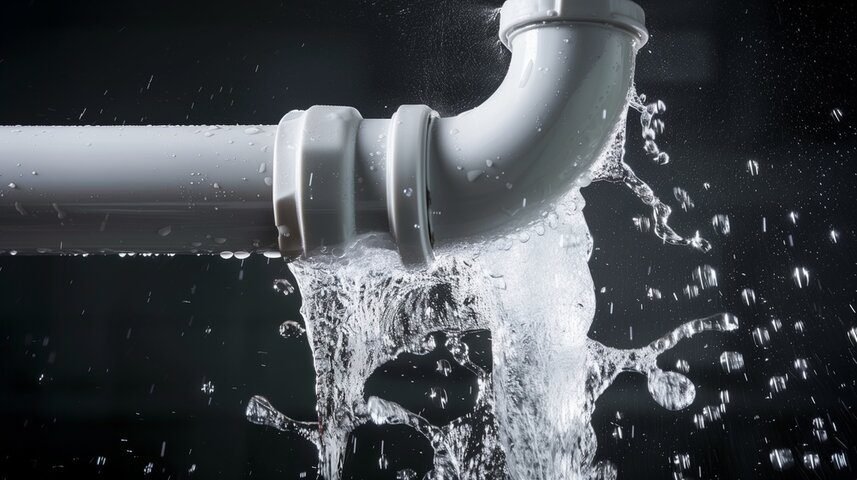
Colorado’s high country is known for breathtaking views, deep powder, and long winters. For homeowners and property managers in Breckenridge, Silverthorne, Dillon, Frisco, Keystone, Vail, and throughout Summit County, those same winters can also bring a serious risk: frozen and burst pipes. At elevations above 8,000 feet, temperature swings can be extreme, and prolonged subzero conditions are common. Preventing frozen pipes in mountain homes is not just a matter of convenience. It is essential to protecting your property from costly water damage and structural issues.
Rocky Mountain Restore is based in Breckenridge, Colorado and serves residential and commercial property owners throughout Summit County and nearby mountain communities. With extensive experience responding to winter water losses, our team understands the unique challenges that high-altitude homes face. The following guide outlines practical, proven strategies to help prevent frozen pipes and explains what to do if freezing occurs.
Why Mountain Homes Face Frozen Pipe Risks
Mountain homes in Summit County face a combination of environmental and structural factors that significantly increase the risk of frozen pipes. Unlike homes in lower elevations, properties in Breckenridge and surrounding communities endure prolonged cold snaps, heavy snow loads, and strong alpine winds. These conditions create ideal circumstances for plumbing systems to freeze, especially in uninsulated or exposed areas.
At high elevations, nighttime temperatures often drop well below zero for extended periods. Even during sunny days, shaded areas of a home can remain frigid. Pipes located in exterior walls, crawl spaces, garages, and attics are especially vulnerable. When water inside these pipes freezes, it expands, increasing pressure within the line. This pressure buildup is what ultimately causes pipes to crack or burst, leading to significant water damage once thawing occurs.
Several mountain-specific factors increase frozen pipe risks:
- Extended subzero temperatures lasting days or weeks
- Vacation homes left unoccupied for long periods
- Plumbing installed along exterior walls
- Inadequate insulation in older cabins and homes
- Power outages during winter storms
Seasonal occupancy is a major contributor to frozen pipe incidents. Many properties in Frisco, Keystone, and Vail serve as second homes or short-term rentals. When heating systems are turned down too low or fail while the property is vacant, pipes can freeze quickly. In some cases, the damage is not discovered until the homeowner returns weeks later to extensive flooding and mold growth.
Additionally, older mountain cabins may have been constructed before modern insulation standards were implemented. Inadequate vapor barriers, drafty crawl spaces, and outdated heating systems all contribute to freezing risk. Even newer homes are not immune if insulation is improperly installed or plumbing lines run through unprotected areas.
Understanding why mountain homes face elevated frozen pipe risks is the first step in preventing costly damage. Prevention requires thoughtful insulation, reliable heating, and proactive maintenance.
Insulation Strategies for High-Altitude Winters
Proper insulation is one of the most effective defenses against frozen pipes in Colorado mountain homes. In high-altitude communities like Breckenridge and Silverthorne, insulation must do more than meet minimum building codes. It needs to withstand extreme cold, high winds, and sustained snow cover.
Pipe insulation is the first and most obvious measure. Foam pipe sleeves, fiberglass wraps, and heat tape systems provide a protective barrier that slows heat loss and reduces freezing risk. Any exposed piping in crawl spaces, basements, garages, and utility rooms should be evaluated before winter arrives.
Key pipe insulation strategies include:
- Install foam or fiberglass pipe sleeves on exposed lines
- Use UL-listed heat tape for high-risk pipe sections
- Seal gaps or cracks near plumbing penetrations
- Add insulation to crawl space walls and ceilings
- Insulate garage doors and attic access points
Beyond insulating the pipes themselves, the overall building envelope must be addressed. Cold air infiltration through small gaps around windows, doors, and foundation joints can significantly lower interior wall temperatures. Even minor drafts can create freezing conditions inside exterior walls.
In mountain homes, crawl spaces deserve special attention. Many properties in Dillon and Frisco have vented crawl spaces that allow frigid winter air to circulate beneath the structure. Sealing and insulating crawl spaces, adding vapor barriers, and ensuring proper moisture control can dramatically reduce freezing risk. Professional evaluation can identify weak points in the thermal envelope.
Homeowners should also consider insulating water heaters and exposed supply lines in utility rooms. In commercial properties throughout Summit County, maintenance teams should review insulation annually before peak winter conditions.
Investing in comprehensive insulation improvements is far less expensive than repairing burst pipes and water-damaged flooring, drywall, and cabinetry. Prevention at the structural level protects both residential and commercial properties from significant winter losses.
Smart Heating and Monitoring for Remote Cabins
Heating systems are the backbone of frozen pipe prevention. In mountain communities where temperatures can drop rapidly overnight, maintaining consistent indoor heat is critical. This is especially important for second homes and remote cabins that may sit vacant during parts of the winter.
Smart thermostats and remote monitoring systems offer powerful protection for homeowners in Keystone, Vail, and Breckenridge. These devices allow property owners to monitor indoor temperatures in real time and receive alerts if temperatures fall below a preset threshold. Remote access provides peace of mind and allows quick action if a furnace fails.
Effective heating and monitoring strategies include:
- Maintain indoor temperatures at 55°F or higher
- Install smart thermostats with remote access
- Use temperature sensors in crawl spaces and utility rooms
- Schedule regular furnace inspections before winter
- Consider backup heat sources for critical areas
It is important to avoid turning heat off completely in winter, even if the property is unoccupied. While lowering the thermostat slightly can save energy, dropping temperatures too low significantly increases frozen pipe risk. Many insurance policies require that reasonable heat be maintained in winter to preserve coverage.
For cabins located in more remote areas of Summit County, backup systems are worth considering. Propane heaters, battery backups for smart thermostats, and standby generators can help maintain safe indoor temperatures during power outages. Winter storms can disrupt electricity service, and without power, heating systems may shut down quickly.
Professional heating inspections each fall can identify worn components, airflow issues, or failing thermostats. Preventative maintenance helps ensure that heating systems operate reliably throughout long mountain winters.
Preventative Maintenance Before Deep Freezes
The best time to prevent frozen pipes is before temperatures plunge. Fall is the ideal season for proactive inspection and maintenance. A thorough pre-winter checklist can dramatically reduce the risk of emergency water damage restoration in January or February.
Outdoor plumbing should be addressed first. Garden hoses should be disconnected, drained, and stored. Exterior spigots must be shut off from interior supply valves and drained completely. In Summit County’s climate, even a small amount of trapped water can freeze and cause pipe rupture.
A strong pre-winter checklist includes:
- Disconnect and drain all exterior hoses
- Shut off and drain irrigation systems
- Test sump pumps and drainage systems
- Inspect pipe insulation in unheated areas
- Seal foundation cracks and exterior gaps
Interior plumbing systems should also be evaluated. Look for pipes running through cabinets along exterior walls, particularly under kitchen and bathroom sinks. Leaving cabinet doors open during cold snaps allows warmer room air to circulate around plumbing.
Water pressure fluctuations can signal hidden freezing or developing blockages. If you notice reduced flow during extremely cold weather, it may indicate ice formation inside pipes. Early detection can prevent full rupture.
Property managers of vacation rentals in Breckenridge and Keystone should create standardized winterization protocols. Documenting maintenance steps and temperature monitoring procedures reduces liability and helps protect valuable assets.
Preventative maintenance is always more cost-effective than emergency restoration. Once pipes burst, water can saturate insulation, drywall, hardwood floors, and structural framing within minutes.
What to Do When Pipes Start to Freeze in Winter
Even with preventative measures, extreme conditions can still cause pipes to freeze. Acting quickly at the first sign of freezing can prevent a small issue from becoming a major water damage event.
Common warning signs of freezing pipes include reduced water flow, frost on exposed pipes, unusual odors from drains, or visible bulging along pipe sections. If you suspect freezing, locate the affected area and begin controlled thawing immediately.
Immediate response steps include:
- Keep the faucet open to relieve pressure
- Apply gentle heat using a hair dryer or heating pad
- Increase room temperature gradually
- Open cabinet doors to improve air circulation
- Avoid open flames or propane torches
Never use a blowtorch or open flame to thaw pipes. This creates serious fire hazards and can damage plumbing materials. Slow, steady heat is the safest method.
If a pipe bursts, shut off the main water supply immediately. Every homeowner in Summit County should know the location of their main shutoff valve. After turning off the water, contact a professional water damage restoration company to assess and mitigate damage.
Water from burst pipes can quickly seep into flooring, subfloors, insulation, and wall cavities. In high-altitude environments, indoor drying can be complicated by cold temperatures and limited ventilation. Prompt professional drying reduces the risk of mold growth and structural deterioration.
Rocky Mountain Restore provides responsive water damage restoration services throughout Breckenridge, Silverthorne, Dillon, Frisco, Keystone, and surrounding communities. Fast mitigation is essential to minimizing long-term damage.
When to Call a Mountain Restoration Team
Sometimes, despite the best prevention efforts, frozen pipes result in significant water damage. Knowing when to call a professional restoration team can protect your property and reduce overall repair costs.
If you experience any of the following, professional assessment is strongly recommended:
- Burst or cracked pipes with active leaking
- Water stains spreading across ceilings or walls
- Warped hardwood floors or saturated carpeting
- Persistent moisture after a leak is stopped
- Signs of mold growth within days of water exposure
Mountain properties present unique drying challenges. Cold outdoor temperatures can slow evaporation, while tightly sealed homes may trap moisture indoors. Professional restoration teams use commercial-grade drying equipment, moisture meters, and thermal imaging tools to identify hidden water pockets.
Rocky Mountain Restore, based in Summit County, Colorado, specializes in water damage restoration, fire and smoke cleanup, mold remediation, and comprehensive property restoration services. Our team understands how mountain construction methods, elevation, and climate impact damage patterns. We work with homeowners, property managers, and commercial clients throughout Breckenridge and nearby communities to restore properties safely and efficiently.
In many cases, frozen pipe damage also involves insulation replacement, drywall repair, flooring restoration, and mold prevention treatments. Coordinating these services through an experienced restoration provider streamlines the recovery process. Our team also works closely with insurance carriers to document damage and support claims processing.
When temperatures drop below zero and water lines freeze, time matters. A quick response can prevent secondary damage and reduce repair timelines.
Frequently Asked Questions
How quickly can frozen pipes cause water damage in mountain homes?
Frozen pipes can burst within hours of reaching extreme temperatures, especially in uninsulated areas of mountain homes. Once a pipe ruptures and thaws, water can spread rapidly through walls, ceilings, and floors. Rocky Mountain Restore serving Summit County and nearby communities responds quickly to water damage events to help limit structural damage and begin professional drying as soon as possible.
Does homeowners insurance cover burst pipes in Colorado mountain communities?
Many homeowners insurance policies cover sudden and accidental water damage from burst pipes, provided reasonable steps were taken to maintain heat and protect the property. Coverage details vary, especially for vacant or seasonal homes in areas like Breckenridge and Keystone. Rocky Mountain Restore works directly with insurance providers to document damage and support property owners throughout the claims process.
What are the first steps after a pipe bursts in winter?
The first step is to shut off the main water supply immediately to stop further flooding. Next, turn off electricity to affected areas if it is safe to do so and contact a professional water damage restoration company. Rocky Mountain Restore serving Summit County provides thorough assessment, water extraction, drying, and restoration services to help prevent mold growth and structural deterioration.
Can frozen pipes lead to mold problems?
Yes, burst pipes can create moisture conditions that allow mold to begin growing within 24 to 72 hours. In tightly sealed mountain homes, trapped moisture can accelerate mold development behind walls and under flooring. Rocky Mountain Restore offers mold inspection and remediation services throughout Breckenridge and surrounding communities to address contamination safely and effectively.
How can I protect a vacant vacation home from frozen pipes?
Maintaining indoor heat at 55°F or higher, installing smart temperature monitoring systems, insulating exposed pipes, and scheduling regular property checks are key preventive steps. For second homes in Summit County, professional winterization and maintenance plans can significantly reduce risk. Local restoration professionals can also provide guidance tailored to high-altitude conditions.
Do commercial properties face different frozen pipe risks?
Commercial buildings in Silverthorne, Dillon, and Frisco often have larger plumbing systems, flat roofs, and mechanical rooms that require specialized winter preparation. Extended unoccupied hours and complex HVAC systems can increase freezing risk. Rocky Mountain Restore provides commercial water damage restoration and property recovery services designed for mountain businesses.
How long does water damage restoration take after a frozen pipe?
The timeline depends on the extent of water spread, materials affected, and how quickly mitigation begins. Initial drying may take several days, while full structural repairs can take longer. Rocky Mountain Restore serving Summit County prioritizes rapid response, thorough moisture detection, and clear communication to help streamline restoration for both residential and commercial clients.
What makes mountain water damage restoration different from lower elevations?
High altitude affects drying times, humidity levels, and material performance. Cold outdoor air and snowpack can complicate ventilation and moisture control. Restoration teams experienced in Summit County conditions understand how to adjust equipment and drying strategies for optimal results in Colorado’s mountain climate.