
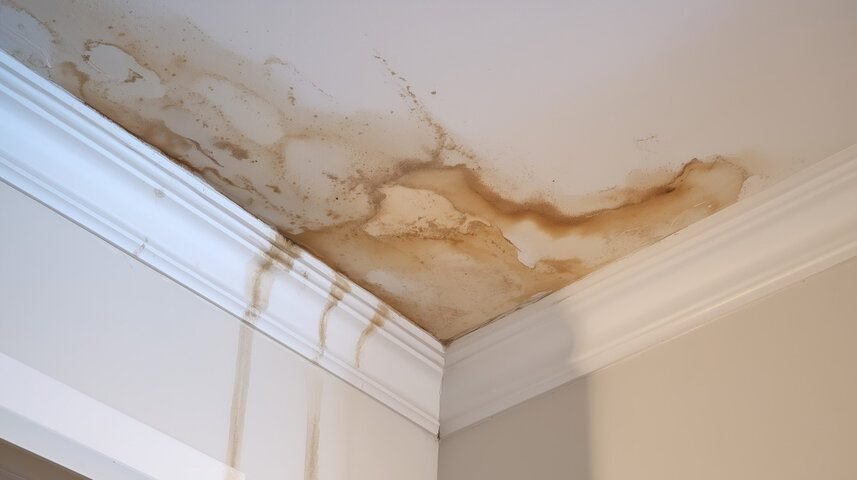
Summer in Colorado’s high country brings sunshine, tourism, and long mountain evenings. It also brings intense afternoon thunderstorms, rapid snowmelt, and sudden downpours that can overwhelm drainage systems in a matter of minutes. For homeowners and business owners in Breckenridge, Silverthorne, Dillon, Frisco, Keystone, Vail, and throughout Summit County, preparing for summer storm flooding is not optional. It is a critical part of protecting your investment.
Rocky Mountain Restore, based in Summit County, Colorado, works with residential and commercial property owners across nearby mountain communities to respond to water damage, storm impacts, mold growth, and structural concerns. With decades of combined experience handling Colorado’s unique climate challenges, our team understands how quickly a heavy storm can turn into a costly restoration project.
This guide outlines practical, proactive steps you can take to prepare your property for summer storm flooding, minimize damage, and respond quickly if water intrusion occurs.
Understand Mountain Storm Flood Risks in Summit County
Mountain communities experience weather patterns that differ dramatically from those on the Front Range. At elevations common in Breckenridge, Frisco, and Keystone, intense rainfall often follows rapid snowmelt. When saturated soil can no longer absorb water, runoff accelerates downhill, pooling around foundations and seeping into basements or crawl spaces.
In Summit County, several factors increase flood risk during summer storms. Steep terrain directs water toward lower elevations, and older drainage systems in established neighborhoods may not be designed to handle today’s precipitation levels. Commercial buildings in areas like Silverthorne and Dillon often sit near rivers or low-lying corridors, increasing vulnerability during peak runoff.
Key flood risk factors in Colorado mountain communities include:
- Rapid snowmelt combined with heavy rain
- Steep slopes channeling water toward structures
- Shallow or rocky soils limiting absorption
- Blocked storm drains or culverts
- Aging infrastructure in older properties
Understanding these local risks helps property owners make informed decisions. For example, a home perched on a hillside in Breckenridge faces different drainage challenges than a retail building in a flatter area of Vail. Identifying how water naturally moves across your property is the first step in preventing damage.
It is also important to recognize that summer flooding does not always come from rising rivers. Many water damage calls originate from roof leaks, overwhelmed gutters, or water backing up through foundation cracks. By assessing your property’s specific exposure points, you can prioritize improvements before storm season peaks.
Inspect Roofs, Gutters, and Drainage Paths
Your roof is your first line of defense against summer storm flooding. In mountain environments, roofing materials endure heavy snow loads in winter and strong UV exposure in summer. By the time thunderstorm season arrives, minor vulnerabilities may already exist.
Begin with a professional roof inspection each spring. Look for damaged shingles, loose flashing around chimneys and vents, and signs of water intrusion in attics. Commercial flat roofs in areas like Dillon and Silverthorne require special attention to membrane seams and drainage scuppers, which can clog with debris.
Routine roof and gutter maintenance should include:
- Removing pine needles and debris from roof valleys
- Securing or replacing missing shingles
- Inspecting flashing and sealants
- Cleaning gutters and downspouts thoroughly
- Confirming downspouts discharge away from the foundation
Gutters play a critical role in directing water away from your structure. When clogged, they overflow and allow water to cascade down exterior walls, increasing the likelihood of foundation seepage. In heavily wooded neighborhoods around Frisco and Keystone, pine needles can accumulate quickly and require more frequent cleaning.
Beyond gutters, examine where water travels after leaving your roof. Downspouts should extend several feet from the foundation or connect to underground drainage systems that discharge safely downhill. If water pools near your building during storms, consider installing splash blocks, extensions, or French drains to improve flow.
Regular inspections and maintenance significantly reduce the likelihood of emergency water damage restoration. Proactive roof care is far less expensive than repairing saturated insulation, warped flooring, or mold growth caused by prolonged moisture.
Protect Foundations and Basement Areas from Runoff
Basements and lower levels are particularly vulnerable during summer storm flooding. In Summit County homes with finished basements, even a small amount of water intrusion can damage drywall, flooring, and stored belongings.
Start by inspecting your foundation for visible cracks or gaps. Seasonal freeze-thaw cycles common in mountain climates can expand small cracks over time. Water finds the path of least resistance, and even hairline openings can allow seepage during intense rainfall.
Foundation protection steps to prioritize:
- Seal foundation cracks with professional-grade materials
- Install window well covers to prevent pooling
- Check basement window seals and frames
- Ensure exterior grading slopes away from the structure
- Store valuables off the basement floor
If your property includes a crawl space, confirm that vapor barriers are intact and properly secured. Excess moisture in crawl spaces can lead to mold growth, wood rot, and compromised structural components. Mold remediation in mountain environments often traces back to unmanaged water intrusion in these lower-level spaces.
Commercial buildings in Breckenridge and Silverthorne may have utility rooms or storage areas below grade. These areas should be inspected for sump systems, drainage channels, and any signs of past water staining. Early detection of moisture problems allows for mitigation before a major storm event.
If you notice musty odors, staining along baseboards, or efflorescence on concrete walls, these may indicate recurring moisture issues. Addressing these warning signs before peak storm season can prevent costly structural and indoor air quality concerns.
Clear Snowmelt Channels and Landscape Grading
Even in summer, snowmelt continues to influence water flow at higher elevations. Properties in Keystone, Breckenridge, and surrounding areas often have natural swales or man-made channels designed to direct runoff. If these become blocked, water may divert toward buildings instead of away from them.
Walk your property and observe how the land slopes. Ideally, soil and landscaping should direct water at least six inches away from your foundation over the first ten feet. Over time, settling can create low spots that trap water against the structure.
Landscape and grading improvements may include:
- Regrading soil to maintain proper slope
- Clearing debris from swales and drainage ditches
- Installing French drains in problem areas
- Using rock or gravel beds to promote drainage
- Trimming vegetation that obstructs runoff paths
Mountain landscaping often incorporates decorative rock and native plants. While aesthetically pleasing, these features must be positioned to support drainage, not block it. Improperly placed retaining walls or garden beds can inadvertently trap water near foundations.
Commercial properties should also evaluate parking lot drainage. Storm drains must be clear of debris, and asphalt should slope appropriately to prevent large puddles that can seep into adjacent structures. Regular maintenance reduces both flood risk and liability concerns related to standing water.
By managing how water moves across your land, you significantly reduce pressure on your foundation and lower-level walls. Strategic grading is one of the most effective long-term flood prevention strategies in mountain communities.
Test Sump Pumps and Backup Power Systems
Sump pumps are essential in many Summit County homes and commercial properties, particularly those with basements. During a heavy summer storm, your sump pump may run continuously for hours. If it fails, water can accumulate quickly.
Before peak thunderstorm season, test your sump pump by pouring water into the pit to trigger activation. Confirm that the pump starts promptly and discharges water efficiently away from the building. Listen for unusual noises that may indicate wear or mechanical issues.
Sump pump preparedness checklist:
- Test pump operation and float switch
- Inspect discharge lines for blockages
- Install a battery backup system
- Consider a secondary backup pump
- Schedule professional maintenance if needed
Power outages often accompany severe storms. Without electricity, even a well-maintained sump pump cannot function. Battery backups or generator systems provide an additional layer of protection, especially in areas prone to lightning and wind-related outages.
For commercial properties in Dillon, Frisco, and Vail, backup power systems are even more critical. Businesses may rely on continuous operation to protect inventory, equipment, and tenant spaces. Routine inspection of backup generators ensures they are ready when needed.
If your sump pump has not been inspected in several years, it may be time for replacement. Proactive upgrades are far less disruptive than emergency water damage cleanup after a system failure.
Create an Emergency Response and Cleanup Plan
Even with thorough preparation, no property is completely immune to flooding. Having a clear emergency response plan minimizes damage and speeds recovery.
Start by identifying shutoff locations for electricity, gas, and water. Ensure family members or key staff understand how and when to use them. Keep important documents and insurance policies stored in waterproof containers or digitally backed up.
An effective flood response plan should include:
- Emergency contact numbers readily available
- A list of critical equipment to move to higher ground
- Pre-packed emergency supplies
- A documented property inventory with photos
- A trusted restoration company contact
If water intrusion occurs, immediate action is essential. Remove standing water as quickly as possible and begin drying affected areas. Delays increase the risk of mold growth, structural damage, and secondary contamination.
Rocky Mountain Restore serving Summit County and nearby communities provides responsive water damage restoration, fire damage cleanup, mold remediation, and comprehensive property restoration services. Our team works with homeowners and commercial property managers throughout Breckenridge, Silverthorne, Dillon, Frisco, Keystone, and surrounding Colorado mountain regions to assess damage, extract water, dry structures, and restore properties safely and efficiently.
We also coordinate with insurance providers to help streamline the claims process. Proper documentation, moisture mapping, and professional drying techniques ensure your property is restored to pre-loss condition whenever possible.
Preparing today reduces the likelihood of severe damage tomorrow. By understanding local flood risks, maintaining drainage systems, protecting foundations, and establishing a clear emergency plan, you can face summer storm season with confidence.
Frequently Asked Questions
How quickly should water damage be addressed after a summer storm?
Water damage should be addressed immediately, ideally within the first 24 hours after a storm. In mountain communities like Breckenridge and Frisco, cool temperatures may slow visible drying, but moisture can still penetrate drywall, insulation, and flooring. Rocky Mountain Restore serving Summit County and nearby communities offers prompt assessment and water extraction services to reduce structural damage and lower the risk of mold growth.
What are common signs of hidden water damage in mountain homes?
Common signs include musty odors, warped flooring, bubbling paint, water stains on ceilings, and increased indoor humidity. In areas like Silverthorne and Dillon, where basements are common, hidden seepage may appear as efflorescence on concrete walls. A professional inspection from a restoration company such as Rocky Mountain Restore can identify moisture behind walls and under flooring before it leads to more serious structural or mold issues.
Does homeowners insurance cover summer storm flooding in Colorado?
Coverage depends on your specific policy. Standard homeowners insurance may cover certain types of storm-related water damage, such as roof leaks caused by wind, but not all flood events. Property owners in Summit County should review their policies carefully and consider additional flood coverage if needed. Rocky Mountain Restore works directly with insurance providers to help document damage and support the claims process.
How can I prevent mold after a basement flood?
The key to mold prevention is rapid drying and dehumidification. After removing standing water, affected materials must be thoroughly dried using professional equipment. In Colorado mountain environments, trapped moisture can linger due to cool temperatures and limited airflow. Rocky Mountain Restore provides mold remediation and structural drying services throughout Summit County to help prevent long-term contamination after flooding.
Are commercial properties at higher risk during summer storms?
Commercial properties can face increased risk due to flat roofs, large surface areas, and complex drainage systems. Businesses in Dillon, Silverthorne, and Vail may also have high-value inventory or equipment stored at ground level. Proactive maintenance, roof inspections, and emergency response planning significantly reduce potential losses during heavy summer storms.
What should I do if my sump pump fails during a storm?
If your sump pump fails, prioritize safety and avoid standing water near electrical systems. If possible, use a backup pump or generator. Contact a professional restoration company quickly to begin water extraction and drying. Rocky Mountain Restore serving Summit County and nearby Colorado mountain communities responds to water damage emergencies and can assess and mitigate damage caused by pump failure.
How long does the water damage restoration process take?
The timeline depends on the extent of damage, the size of the property, and how quickly mitigation begins. Minor water intrusions may dry within a few days, while more extensive flooding can require several weeks for full restoration. Rocky Mountain Restore provides detailed assessments and communicates clearly with property owners in Breckenridge, Keystone, and surrounding areas throughout each phase of the restoration process.
Can storm-related water damage lead to structural issues?
Yes, prolonged exposure to moisture can weaken framing, subflooring, insulation, and drywall. In mountain climates with repeated freeze-thaw cycles, trapped moisture may further compromise materials over time. Prompt mitigation and professional drying from an experienced restoration company serving Summit County help protect the long-term structural integrity of your home or commercial building.