
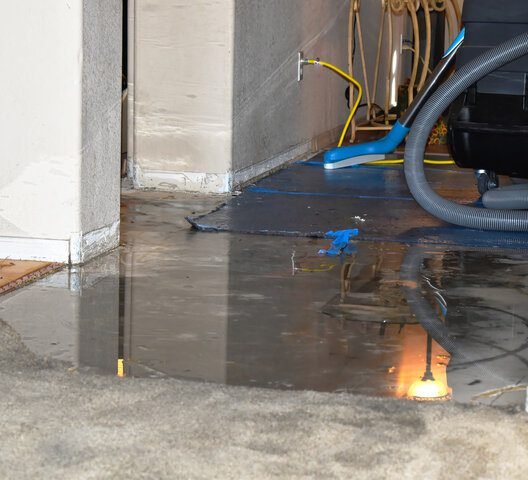
Winter in the Colorado high country is beautiful, but it also brings serious risks to homes and commercial buildings. Heavy snowfall, freezing temperatures, ice dams, and rapid thaw cycles can all lead to significant water damage if properties are not properly prepared. For homeowners and business owners in Breckenridge, Silverthorne, Dillon, Frisco, Keystone, Vail, and surrounding Summit County communities, proactive planning is essential.
At Rocky Mountain Restore, based in Summit County, Colorado, we specialize in helping property owners recover from water damage, frozen pipe bursts, roof leaks, and mold growth caused by winter conditions. However, prevention is always more cost-effective and less disruptive than restoration. Understanding how winter affects mountain homes is the first step in protecting your property.
This guide outlines practical, locally relevant strategies to help you prepare your home or commercial building for winter water damage risks while improving safety, efficiency, and long-term property value.
Understand Winter Water Damage Risks in Mountain Homes
Mountain homes in Summit County face unique winter challenges. High elevations bring heavier snow loads, dramatic temperature swings, and extended freezing periods. When snow accumulates on roofs and around foundations, it can eventually melt and refreeze, creating pathways for water intrusion.
One of the most common winter damage scenarios in Breckenridge and nearby communities involves ice dams. Ice dams form when warm air escapes through the roof, melting snow that later refreezes at the eaves. Water backs up behind the ice and seeps under shingles, leading to hidden leaks inside walls and ceilings.
Winter water damage in Colorado mountain homes often stems from:
- Ice dam formation along roof edges
- Frozen and burst pipes in crawl spaces or exterior walls
- Snowmelt intrusion around foundations
- Clogged gutters filled with ice and debris
- Roof leaks caused by heavy snow loads
Beyond structural damage, moisture trapped inside walls or insulation can lead to mold growth. In colder climates like Frisco and Dillon, mold may develop slowly over the winter and only become visible in spring. Early detection and prevention strategies can significantly reduce the risk of costly remediation later.
Understanding these risks allows homeowners and commercial property managers to take targeted action before snowfall becomes severe.
Inspect Roofs and Gutters Before Snowfall Hits
Your roof is your first line of defense against winter water damage. In mountain communities like Keystone and Vail, heavy snow accumulation can stress roofing systems, especially if shingles are aging or flashing is compromised. A thorough inspection in late fall is one of the most effective ways to prevent leaks.
Start by checking for missing or damaged shingles, cracked flashing around chimneys, and signs of sagging. Even small vulnerabilities can become major issues once snow and ice build up. It is often wise to schedule a professional inspection if your roof is more than 10–15 years old.
Before winter sets in, focus on:
- Replacing damaged or curling shingles
- Sealing flashing around vents and chimneys
- Clearing gutters and downspouts of debris
- Ensuring proper drainage away from the foundation
- Checking for soft spots in roof decking
Gutters are especially critical in Summit County’s freeze-thaw cycles. When gutters are clogged, melting snow cannot drain properly. Water can overflow and refreeze, contributing to ice dam formation and fascia damage. Clean, properly sloped gutters allow snowmelt to flow away from your home efficiently.
If roof leaks occur during winter, water may travel along rafters and appear far from the original entry point. Rocky Mountain Restore provides thorough assessments throughout Breckenridge and surrounding mountain communities to identify the true source of water intrusion and prevent further structural damage.
Prevent Frozen Pipes During Extreme Cold
Frozen pipes are one of the most destructive winter water damage risks in Colorado mountain homes. When water freezes, it expands, putting intense pressure on pipes. A single burst pipe can release hundreds of gallons of water in a short period, damaging drywall, flooring, insulation, and personal property.
Homes in Silverthorne, Dillon, and Frisco that have crawl spaces, unfinished basements, or exterior wall plumbing are particularly vulnerable. Vacation homes left unoccupied for extended periods are also at higher risk if heating systems fail or temperatures drop unexpectedly.
To reduce the likelihood of frozen pipes:
- Insulate exposed pipes in crawl spaces and attics
- Seal air leaks near plumbing penetrations
- Keep indoor temperatures consistent, even when away
- Allow faucets to drip slightly during extreme cold
- Open cabinet doors to circulate warm air around plumbing
If you plan to leave your property for an extended period, consider winterizing the plumbing system or installing a smart temperature monitoring system. These tools can alert you if indoor temperatures drop to dangerous levels.
Should a pipe burst occur, immediate action is essential. Shut off the main water supply and contact a professional restoration team. Rocky Mountain Restore serving Summit County and nearby communities responds quickly to water emergencies, extracting standing water, drying affected materials, and helping prevent secondary mold growth.
Seal Windows and Doors Against Ice Dams and Leaks
Windows and doors are common weak points in a building envelope, especially in older mountain homes. Cold air infiltration not only increases heating costs but also contributes to uneven roof temperatures that encourage ice dam formation.
In Breckenridge and Vail, where winter winds can be intense, even small gaps around window frames can allow moisture intrusion. Over time, this can lead to wood rot, drywall damage, and mold growth.
Winter-proof your windows and doors by:
- Applying weatherstripping to seal gaps
- Re-caulking cracked or deteriorated seals
- Installing storm windows if needed
- Checking thresholds for water intrusion
- Inspecting for condensation between panes
Condensation on interior window surfaces may signal high indoor humidity levels. When warm, moist air contacts cold glass, water droplets form and can drip onto sills and walls. Controlling humidity through proper ventilation and dehumidification helps minimize this risk.
By improving air sealing throughout your property in Keystone, Dillon, or nearby areas, you not only reduce the chance of water damage but also improve energy efficiency and comfort during harsh winter months.
Maintain Proper Attic Insulation and Ventilation
Attic insulation and ventilation play a central role in preventing ice dams and hidden winter water damage. When heat escapes from living spaces into the attic, it warms the roof deck and melts snow unevenly. Proper insulation helps maintain a consistent roof temperature.
In Summit County homes, insufficient attic insulation is a leading contributor to ice dam problems. Upgrading insulation can significantly reduce heat loss and improve overall building performance.
To optimize attic performance:
- Ensure insulation meets recommended R-values for high elevations
- Seal air leaks around light fixtures and attic hatches
- Install proper soffit and ridge vents
- Keep vents free from snow blockage
- Inspect for signs of moisture or frost buildup
Ventilation allows cold air to circulate beneath the roof, keeping temperatures uniform. Without proper airflow, moisture from indoor activities such as cooking and showering can accumulate in the attic, leading to condensation and mold growth.
If you discover wet insulation, staining, or mold in your attic, it is important to address the issue promptly. Rocky Mountain Restore provides mold remediation and moisture damage restoration throughout Summit County, helping ensure your attic remains dry and structurally sound.
Know When to Call a Local Restoration Expert
Even with careful preparation, winter weather in Colorado’s mountain communities can be unpredictable. Heavy snowstorms, rapid temperature changes, and ice buildup may still lead to water intrusion. Recognizing early warning signs can help minimize damage.
Watch for:
- Water stains on ceilings or walls
- Peeling paint or bubbling drywall
- Musty odors in attics or crawl spaces
- Sudden drops in water pressure
- Visible mold growth
If you notice any of these signs in your Breckenridge or Silverthorne property, prompt professional evaluation is critical. Delaying repairs can allow moisture to spread behind walls and under flooring, increasing restoration costs.
Rocky Mountain Restore, based in Summit County, Colorado, serves residential and commercial clients throughout Breckenridge, Silverthorne, Dillon, Frisco, Keystone, Vail, and surrounding mountain areas. Our team provides responsive water damage restoration, fire and smoke cleanup, mold remediation, and insurance restoration services. We work closely with property owners and insurance providers to help streamline the recovery process after winter-related damage.
By combining preventive maintenance with trusted local restoration support, you can protect your investment and maintain peace of mind throughout the winter season.
Frequently Asked Questions
How common is winter water damage in Summit County mountain homes?
Winter water damage is relatively common in high-elevation communities like Breckenridge, Frisco, and Silverthorne due to heavy snowfall, freezing temperatures, and frequent freeze-thaw cycles. Ice dams, frozen pipes, and roof leaks are among the most reported issues. Rocky Mountain Restore serving Summit County and nearby communities regularly assists homeowners and businesses with winter-related water damage restoration and mitigation.
What should I do if a pipe bursts in my Colorado vacation home?
If a pipe bursts, immediately shut off the main water supply and, if safe, turn off electricity to affected areas. Contact a professional restoration company as soon as possible to begin water extraction and drying. Rocky Mountain Restore serving Summit County and surrounding mountain communities provides responsive water damage restoration services to help minimize structural damage and prevent mold growth.
Can ice dams really cause interior water damage?
Yes, ice dams can force melting snow under shingles, allowing water to seep into insulation, ceilings, and walls. This type of damage may not be immediately visible and can worsen over time. Property owners in Keystone, Dillon, and Vail often experience ice dam-related leaks, and Rocky Mountain Restore offers thorough assessments and restoration solutions following winter roof damage.
How do I know if winter moisture has caused mold growth?
Signs of mold include musty odors, visible discoloration on walls or ceilings, and increased allergy symptoms indoors. In mountain homes, mold may develop in attics, crawl spaces, or behind drywall after undetected winter leaks. Rocky Mountain Restore provides professional mold remediation services throughout Summit County to identify, contain, and safely remove mold growth.
Does homeowners insurance cover winter water damage?
Coverage depends on your specific policy and the cause of the damage. Sudden and accidental events like burst pipes are often covered, while damage resulting from neglect may not be. Rocky Mountain Restore works with homeowners and insurance providers across Breckenridge and surrounding communities to document damage and help streamline the claims process.
How quickly should water damage restoration begin after a leak?
Restoration should begin as soon as possible, ideally within 24 to 48 hours, to reduce the risk of mold growth and structural deterioration. Quick action is especially important in cold climates where moisture can become trapped inside building materials. Rocky Mountain Restore serving Summit County offers prompt response services to assess damage and begin professional drying and restoration.
Can commercial properties in Summit County face different winter water risks than homes?
Yes, commercial buildings often have larger roofing systems, complex plumbing networks, and flat roofs that are more susceptible to snow load and drainage issues. Businesses in Frisco, Dillon, and Vail may also face operational disruptions due to winter water damage. Rocky Mountain Restore provides commercial property damage restoration services tailored to the unique needs of mountain-area businesses.