
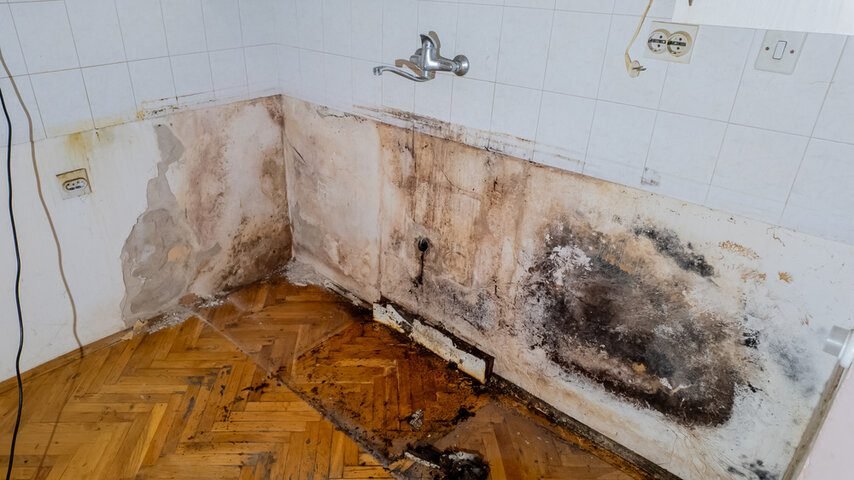
Spring in Colorado’s high country is beautiful, but it also brings significant water damage risks for homeowners and business owners. In Summit County and surrounding mountain communities like Breckenridge, Silverthorne, Dillon, Frisco, Keystone, and Vail, rapid snowmelt combined with spring rains can overwhelm drainage systems, seep into foundations, and cause hidden moisture issues. Without proper preparation, what begins as seasonal thaw can quickly lead to costly repairs.
Rocky Mountain Restore, based in Breckenridge, Colorado, provides residential and commercial property damage restoration services throughout Summit County and nearby mountain communities. With years of experience addressing water damage, mold growth, and structural moisture issues unique to alpine environments, our team understands how to prepare properties for the challenges of spring. Proactive steps now can prevent emergency calls later.
This guide outlines essential ways to prepare your home for spring water damage risks, from roof inspections to insurance reviews. Whether you own a mountain retreat, manage a rental property, or operate a commercial building, these practical recommendations can help safeguard your investment.
Inspect Your Roof and Gutters for Snowmelt
Winter in the Rockies leaves its mark on roofs. Heavy snow loads, ice dams, and freeze-thaw cycles can weaken shingles, flashing, and underlayment. As temperatures rise in Breckenridge and surrounding areas, melting snow flows toward gutters and downspouts. If your roofing system is compromised, that water can seep into attic spaces, insulation, and walls before you even notice a problem.
A thorough roof inspection each spring is one of the most effective ways to prevent water intrusion. Look for missing shingles, cracked flashing, damaged vent boots, and sagging areas. Inside your attic, check for water stains, damp insulation, or musty odors that could signal a slow leak caused by winter conditions.
Pay close attention to your gutters and downspouts. Clogged or damaged gutters are a common cause of spring water damage in Summit County homes. Debris from fall, ice buildup, and wind can restrict proper drainage.
Key roof and gutter maintenance steps include:
- Remove leaves, pine needles, and debris from gutters and downspouts
- Ensure downspouts direct water at least 3 to 5 feet away from your foundation
- Check for loose or detached gutter sections
- Inspect roof valleys and flashing for signs of separation or corrosion
- Look for icicle formation history that may indicate prior ice dam issues
In mountain communities like Frisco and Silverthorne, roofs often face prolonged snow accumulation. Even minor weaknesses can lead to leaks once snow begins to melt quickly during warm days followed by freezing nights. That freeze-thaw cycle expands small cracks into larger openings.
If you suspect roof-related water damage, acting quickly is critical. Rocky Mountain Restore provides responsive water damage restoration services throughout Summit County, including Breckenridge and Dillon. Early mitigation can prevent secondary damage such as mold growth or structural deterioration.
Check Foundations for Cracks and Seepage
As snow melts and groundwater levels rise, hydrostatic pressure builds against your home’s foundation. This pressure can force water through small cracks in concrete walls or floor slabs. In areas like Keystone and Vail, where sloped terrain directs runoff downhill, homes may experience concentrated water flow toward lower foundation walls.
Begin by walking the perimeter of your home. Look for visible cracks, deteriorating mortar, or gaps around utility penetrations. Inside, inspect basement walls and crawl spaces for moisture stains, efflorescence, or peeling paint. Even hairline cracks can allow seepage during heavy spring runoff.
Common warning signs of foundation water intrusion include:
- Damp or musty odors in basements or crawl spaces
- Water pooling along interior foundation walls
- White powdery residue on concrete surfaces
- Warped baseboards or bubbling drywall
- Rust on metal support columns or appliances
Foundation issues in mountain communities are often compounded by shifting soils. When the ground freezes and thaws repeatedly, it expands and contracts, stressing concrete and increasing the likelihood of cracking. Combined with snowmelt saturation, these conditions can quickly escalate.
Address grading concerns as well. The soil around your home should slope away from the foundation. Over time, landscaping settles and can create low spots that trap water against exterior walls. Regrading or adding soil can significantly reduce water pressure against your foundation.
If seepage occurs, immediate water extraction and drying are essential. Rocky Mountain Restore serves homeowners and businesses throughout Summit County with professional moisture detection, water removal, and structural drying services. Fast action minimizes long-term damage and helps prevent mold growth in enclosed spaces.
Test Sump Pumps Before Spring Rains Arrive
If your property has a basement or is built into a slope, a sump pump can be your first line of defense against flooding. However, sump pumps often sit idle during winter months, making spring the worst time to discover a malfunction.
Testing your sump pump before peak snowmelt and spring storms is a simple but critical step. Pour a bucket of water into the sump pit to ensure the float switch activates and the pump discharges water properly. Listen for unusual noises or vibration that could signal mechanical issues.
Essential sump pump preparation steps:
- Verify the pump turns on automatically when water rises
- Check that discharge lines are clear and free of ice or debris
- Confirm water is directed away from the foundation
- Inspect backup battery systems if installed
- Consider a secondary backup pump for added protection
In Dillon and Silverthorne, where groundwater levels can rise quickly during rapid thaw, a functioning sump pump can prevent thousands of dollars in damage. If your home relies heavily on this system, annual maintenance is strongly recommended.
Commercial properties in Breckenridge and Vail also benefit from sump pump inspections, particularly in lower-level mechanical rooms or storage areas. Even a small amount of standing water can damage equipment, inventory, or critical building systems.
If a sump pump fails and flooding occurs, immediate mitigation reduces the risk of structural damage and mold. Rocky Mountain Restore offers water extraction and drying services for residential and commercial properties throughout Summit County, helping restore spaces safely and efficiently.
Clear Snow and Ice Away from Exterior Walls
Snow accumulation around your home may look harmless, but as it melts, it can saturate soil and direct water toward your foundation. In mountain towns like Keystone and Frisco, snowbanks often linger well into spring, especially on shaded sides of buildings.
Clearing snow away from exterior walls reduces prolonged moisture exposure. Shovel or plow snow at least several feet away from the structure when possible. Pay particular attention to areas around basement windows, window wells, and door thresholds.
Practical snow and ice management tips include:
- Remove snow buildup against siding and foundation walls
- Keep window wells clear to prevent water pooling
- Break up compacted ice near entryways and drainage paths
- Ensure exterior vents remain unobstructed
- Monitor areas where roof runoff accumulates
As snow melts during warm daytime temperatures, water can seep into small gaps around window frames or siding joints. Nighttime freezing can then expand those openings. Over time, this cycle increases vulnerability to water intrusion.
Mountain properties with decks or raised foundations should also check underneath structures. Trapped snow beneath decks can delay melting and prolong moisture exposure near support posts and beams.
If you notice wet insulation, stained drywall, or warping near exterior walls, it may indicate hidden water intrusion. Rocky Mountain Restore, based in Summit County, provides comprehensive moisture inspections and restoration services to address damage before it worsens.
Schedule a Professional Moisture Inspection
Not all water damage is visible. In Colorado’s mountain climate, moisture can become trapped behind walls, beneath flooring, or inside insulation. By the time staining or odor appears, mold growth may already be underway.
A professional moisture inspection uses specialized equipment such as thermal imaging cameras and moisture meters to detect hidden dampness. This proactive approach is especially valuable for second homes or rental properties in Breckenridge and nearby communities that may sit vacant for extended periods.
Benefits of a professional inspection include:
- Early detection of concealed water intrusion
- Identification of areas at risk for mold growth
- Documentation for insurance purposes
- Targeted drying before structural damage spreads
- Peace of mind before peak runoff season
In high-elevation areas like Vail and Keystone, extreme temperature shifts increase the likelihood of condensation inside wall cavities and attics. A professional assessment can distinguish between surface condensation and more serious infiltration issues.
Rocky Mountain Restore provides detailed moisture inspections throughout Summit County and surrounding areas. Our team evaluates both residential and commercial properties, offering clear recommendations and, if needed, prompt restoration services to mitigate water damage effectively.
Review Insurance Coverage for Water Damage
Spring is also the ideal time to review your homeowners or commercial property insurance policy. Not all water damage is covered equally. Damage from sudden pipe bursts may be covered, while gradual seepage or certain flood events may require additional policies.
Understanding your coverage before an emergency occurs can save time and frustration. Review your policy limits, deductibles, and exclusions. If you own property in a lower-lying area of Dillon or near waterways in Summit County, consider whether supplemental flood coverage is appropriate.
Important insurance review considerations:
- Confirm coverage for water damage caused by snowmelt
- Check policy limits for mold remediation
- Understand exclusions related to groundwater or flooding
- Document recent upgrades or renovations
- Keep a current home inventory with photos and receipts
For commercial property owners in Breckenridge and Silverthorne, business interruption coverage is another key factor. Water damage can disrupt operations, and adequate coverage helps mitigate financial loss during restoration.
If you experience property damage, working with a restoration company familiar with local insurance processes can streamline recovery. Rocky Mountain Restore assists homeowners and businesses throughout Summit County with documentation, damage assessments, and coordination with insurance providers to help restore properties efficiently.
Frequently Asked Questions
How quickly should water damage be addressed in Summit County homes?
Water damage should be addressed immediately, ideally within 24 hours, to minimize structural deterioration and mold growth. In mountain communities like Breckenridge and Frisco, fluctuating temperatures can accelerate hidden moisture problems. Rocky Mountain Restore serving Summit County and nearby communities offers prompt assessment, water extraction, and drying services to reduce long-term damage and restoration costs.
Does homeowners insurance cover snowmelt water damage in Colorado?
Coverage depends on the source of the water and the specifics of your policy. Sudden and accidental damage may be covered, while gradual seepage or certain flooding scenarios might not be included. Rocky Mountain Restore works with homeowners throughout Summit County to document damage and coordinate with insurance providers, helping clarify coverage during the claims process.
What are the signs of hidden water damage after winter?
Common signs include musty odors, bubbling paint, warped flooring, stained ceilings, and increased indoor humidity. In Colorado mountain homes, hidden moisture may also develop behind insulation due to ice dams or condensation. A professional moisture inspection from Rocky Mountain Restore can identify concealed damage before it leads to mold or structural issues.
How do I prevent mold growth after spring water intrusion?
The key is rapid drying and proper dehumidification. Mold can begin developing within 24 to 48 hours in damp conditions. Rocky Mountain Restore serving Breckenridge, Silverthorne, Dillon, and surrounding areas uses professional drying equipment and containment methods to reduce moisture levels and prevent mold contamination.
Are sump pumps necessary in mountain homes?
Many Summit County homes with basements or hillside construction benefit from sump pumps, especially during rapid snowmelt. While not every property requires one, they can significantly reduce flooding risks. Testing and maintaining sump pumps each spring is essential to ensure they function when groundwater levels rise.
What should I do if my basement floods during spring thaw?
First, ensure safety by avoiding contact with standing water if electrical hazards are present. Then contact a professional restoration company for water extraction and drying. Rocky Mountain Restore provides water damage restoration services throughout Summit County and nearby mountain communities to help restore both residential and commercial properties after flooding.
Can commercial properties in Vail and Breckenridge experience mold after water damage?
Yes, commercial buildings are equally vulnerable to mold growth if moisture is not addressed promptly. Offices, retail spaces, and lodging properties can experience hidden moisture behind walls or under flooring. Rocky Mountain Restore offers commercial water damage restoration and mold remediation services across Summit County and surrounding Colorado mountain regions.
How does a professional moisture inspection work?
A professional inspection involves visual assessment, moisture meter readings, and often thermal imaging to detect hidden damp areas. This non-invasive process helps identify risks before visible damage appears. Rocky Mountain Restore serving Summit County provides detailed moisture evaluations to help property owners make informed decisions about prevention and restoration.