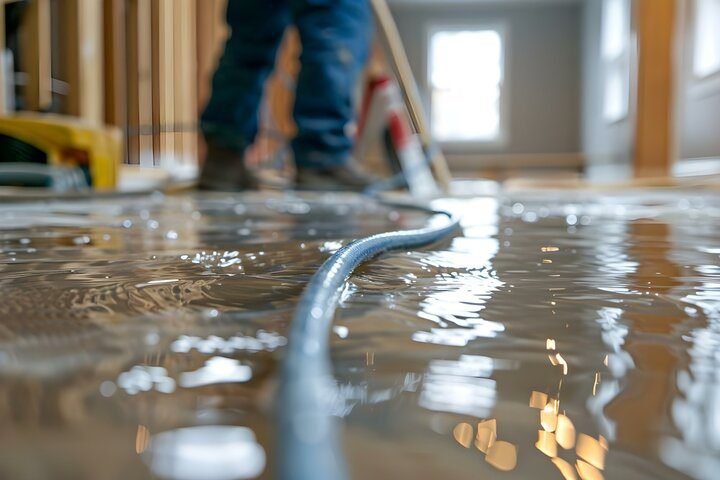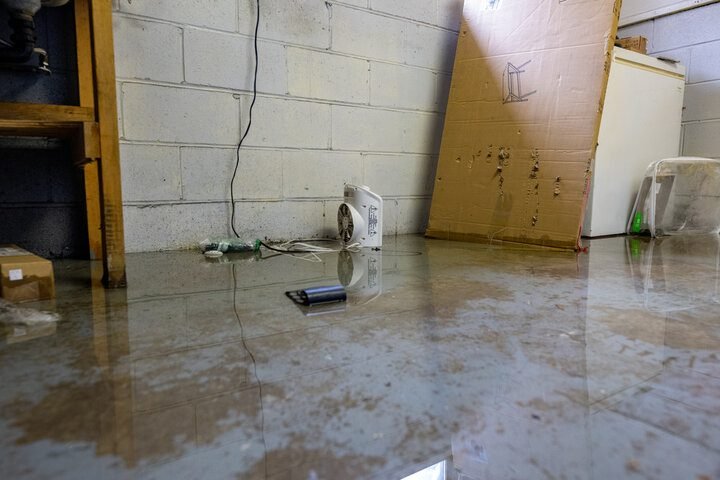
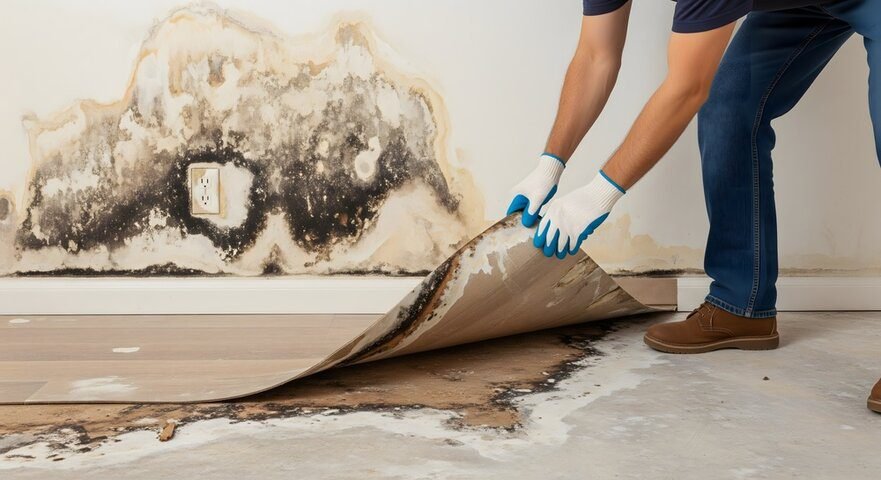
Mold growth is a serious concern for homeowners in the Colorado High Country. In Breckenridge and surrounding Summit County communities, changing temperatures, heavy snowfall, spring runoff, and seasonal humidity create ideal conditions for hidden moisture problems. When moisture lingers behind walls, beneath flooring, or in crawl spaces, mold can develop quickly and spread throughout a home or commercial property.
Rocky Mountain Restore is a locally trusted property damage restoration company based in Breckenridge, Colorado. Serving homeowners and businesses throughout Summit County and nearby mountain communities including Silverthorne, Dillon, Frisco, Keystone, Vail, and surrounding areas, the team specializes in comprehensive mold remediation solutions designed specifically for mountain properties. With fast response times, thorough assessments, and professional restoration methods, they help protect homes, health, and long-term property value.
This guide explores what Breckenridge homeowners need to know about mold risks, professional remediation, prevention strategies, and working with insurance after mold damage.
Understanding Mold Risks in Breckenridge
Breckenridge’s alpine environment creates unique challenges for property owners. Snow accumulation, ice dams, fluctuating temperatures, and high-altitude UV exposure all impact how homes are built and how moisture behaves inside them. Even well-maintained homes in Summit County can experience mold growth if moisture goes undetected.
Mold spores exist naturally in the air, both indoors and outdoors. They become problematic when they find damp surfaces and begin to grow. In mountain homes, this often happens after plumbing leaks, roof damage from heavy snow, basement seepage during spring melt, or condensation in poorly ventilated areas.
Common mold risk factors in Breckenridge and surrounding communities include:
- Snowmelt intrusion around foundations
- Ice dam leaks in roofs and attics
- Frozen and burst pipes during winter
- Poor ventilation in tightly sealed mountain homes
- Crawl space and basement humidity
The altitude and climate of Summit County mean homes are often tightly insulated to preserve energy efficiency. While this helps with heating costs, it can also trap moisture indoors if ventilation systems are not properly maintained.
Mold exposure can lead to a range of issues for occupants, particularly those with allergies, asthma, or compromised immune systems. Even if health symptoms are mild, mold can damage building materials such as drywall, insulation, wood framing, and flooring. Left untreated, a small mold problem can turn into a significant structural concern.
Warning signs that may indicate mold growth include:
- Musty or earthy odors
- Visible discoloration on walls or ceilings
- Peeling paint or bubbling drywall
- Increased allergy symptoms indoors
- Persistent moisture or condensation
Because mold often grows behind walls or under flooring, homeowners in Breckenridge and Silverthorne may not see it immediately. That’s why early detection and professional assessment are critical.
Why Mountain Homes Need Fast Remediation
In high-altitude communities like Breckenridge and Frisco, moisture problems can escalate quickly. Cold temperatures slow evaporation, allowing damp materials to stay wet longer than they would in lower elevations. This creates an ideal environment for mold colonies to expand.
Fast remediation is essential because mold spreads through microscopic spores. When disturbed, these spores can travel through HVAC systems, settle in new areas, and establish additional growth. Acting quickly reduces the risk of cross-contamination and widespread damage.
Delaying professional mold remediation can lead to:
- Structural weakening of wood framing
- Damage to insulation and drywall
- Contamination of HVAC systems
- Reduced indoor air quality
- Higher long-term repair costs
Mountain homes also often serve as vacation properties or second homes. If a property in Keystone or Dillon sits vacant for weeks during winter, a small plumbing leak can go unnoticed and develop into a serious mold issue. In these cases, rapid response restoration services become even more important.
Rocky Mountain Restore offers responsive mold remediation solutions throughout Summit County and nearby Colorado mountain communities following water damage, plumbing failures, roof leaks, or other property emergencies. Their team understands how quickly conditions can change in the High Country and prioritizes thorough containment and cleanup to limit damage.
Speed matters, but so does precision. Effective remediation is not just about removing visible mold. It requires identifying the moisture source, containing affected areas, and ensuring safe removal procedures that protect both occupants and restoration technicians.
Professional Mold Inspections and Testing
A professional mold inspection is the foundation of any successful remediation project. In Breckenridge and surrounding communities, inspections must account for mountain-specific building materials, seasonal moisture patterns, and high-altitude environmental conditions.
During a comprehensive mold inspection, trained technicians evaluate both visible and hidden areas of the property. This includes basements, crawl spaces, attics, mechanical rooms, and behind suspect wall assemblies. Advanced tools help identify moisture sources that may not be obvious.
Inspection techniques may include:
- Moisture meters to detect damp building materials
- Thermal imaging cameras to identify hidden moisture
- Air sampling to measure airborne spore levels
- Surface sampling of suspected growth areas
- Detailed documentation for insurance claims
Testing is particularly valuable when mold is suspected but not visible. For example, a homeowner in Silverthorne might notice a persistent musty smell after a roof leak. Even if drywall appears dry, trapped moisture inside insulation can support mold growth.
Professional testing provides clarity by determining:
- The type of mold present
- The concentration of spores in indoor air
- Whether indoor levels exceed outdoor baseline levels
- The scope of contamination
Accurate identification helps guide the remediation plan. Not all mold situations require the same level of containment or removal. By tailoring solutions to the specific property, Rocky Mountain Restore ensures efficient and effective cleanup.
Clear documentation also supports communication with insurance providers. In communities such as Dillon and Frisco, where winter-related water damage is common, detailed inspection reports can play an important role in claims processing.
Safe and Thorough Mold Removal Process for Homes
Proper mold remediation goes far beyond surface cleaning. A safe and thorough process follows industry guidelines to protect occupants, prevent cross-contamination, and fully address the underlying moisture issue.
The remediation process typically begins with containment. Affected areas are isolated using physical barriers and negative air pressure systems to prevent spores from spreading to unaffected parts of the home.
Key steps in the mold removal process include:
- Establishing containment zones
- Using HEPA air filtration devices
- Removing contaminated porous materials
- Cleaning and treating structural components
- Drying and dehumidifying affected areas
Porous materials such as drywall, insulation, and carpeting that are heavily contaminated often need to be removed and replaced. Non-porous and semi-porous materials may be cleaned using specialized antimicrobial solutions and HEPA vacuuming techniques.
Technicians wear protective equipment to ensure safety throughout the project. This protects both workers and occupants, particularly in homes where residents may have sensitivities or respiratory concerns.
After removal and cleaning, thorough drying is essential. In Breckenridge’s cold climate, professional-grade dehumidifiers and air movers are used to achieve appropriate moisture levels. Final verification may include follow-up moisture readings or post-remediation air testing to confirm successful cleanup.
Rocky Mountain Restore serves homeowners and businesses across Summit County with mold remediation solutions designed specifically for Colorado mountain conditions. From initial containment to final restoration, the goal is to return properties to a safe, healthy, and fully functional state.
Preventing Future Mold in Mountain Climates
Prevention is just as important as remediation, especially in high-moisture environments like Breckenridge and Vail. Once a mold issue has been resolved, proactive steps can help reduce the risk of recurrence.
Moisture control is the most effective mold prevention strategy. This involves managing humidity levels, maintaining roofing systems, and ensuring proper ventilation throughout the home.
Preventive measures for mountain homes include:
- Inspecting roofs and flashing after heavy snow
- Keeping gutters and downspouts clear
- Sealing foundation cracks
- Installing vapor barriers in crawl spaces
- Using dehumidifiers in basements
Proper attic ventilation is particularly important in Summit County. Inadequate airflow can contribute to ice dams, which may cause water intrusion during freeze-thaw cycles. Addressing ventilation and insulation balance helps protect against both energy loss and moisture buildup.
Homeowners in Breckenridge and nearby communities should also schedule regular plumbing inspections, especially before winter. Frozen pipes are a leading cause of water damage and subsequent mold growth in high-altitude properties.
Rocky Mountain Restore not only provides remediation services but also offers guidance on moisture management strategies tailored to the region. By understanding how Colorado’s mountain climate impacts building performance, homeowners can make informed decisions that protect their investment year-round.
Working With Insurance After Mold Damage
Navigating insurance claims after mold damage can feel overwhelming. Policies vary, and coverage often depends on the source of moisture. In many cases, mold resulting from a sudden and accidental water event, such as a burst pipe, may be covered.
Clear documentation is essential for a smoother claims process. Professional inspection reports, moisture readings, photographs, and detailed remediation plans help support your case.
When working with insurance after mold damage, it’s helpful to:
- Report the issue promptly
- Document visible damage with photos
- Mitigate further damage as soon as possible
- Keep records of communication with your insurer
- Work with experienced restoration professionals
Rocky Mountain Restore works closely with homeowners and insurance providers throughout Summit County, including properties in Breckenridge, Silverthorne, and Frisco. Their team provides detailed estimates, clear communication, and thorough documentation to help streamline the restoration process.
While not all mold situations are covered, having a knowledgeable local restoration partner can make a significant difference. With experience handling mountain-specific water and mold claims, the company helps property owners understand their options and move forward with confidence.
Frequently Asked Questions
How quickly should mold be removed after water damage in Breckenridge?
Mold can begin growing within 24 to 48 hours after water damage occurs, especially in enclosed or poorly ventilated areas. In Breckenridge and other Summit County communities, cold temperatures can slow surface drying while moisture remains trapped inside materials. Rocky Mountain Restore serving Summit County and nearby communities offers prompt inspection and remediation services to reduce the risk of widespread mold contamination and structural damage.
Does homeowners insurance cover mold remediation in Colorado mountain homes?
Coverage depends on the cause of the mold and the specifics of your insurance policy. Mold resulting from a sudden and accidental event, such as a burst pipe, may be covered, while long-term maintenance issues are often excluded. Rocky Mountain Restore works with homeowners in Breckenridge and surrounding areas to document damage thoroughly and coordinate with insurance providers throughout the claims process.
What are the signs of hidden mold in a mountain home?
Hidden mold often presents as musty odors, unexplained allergy symptoms, peeling paint, or staining on walls and ceilings. In Summit County homes, mold may develop behind drywall after ice dam leaks or plumbing issues. Professional inspections from companies like Rocky Mountain Restore include moisture detection tools and testing methods designed to uncover concealed growth.
Is mold remediation safe for families and pets?
When performed by trained professionals using proper containment and filtration systems, mold remediation is designed to be safe for occupants. In some cases, temporary relocation from affected areas may be recommended during active remediation. Rocky Mountain Restore follows industry best practices to protect families and pets in Breckenridge, Silverthorne, and nearby communities.
How long does the mold remediation process take?
The timeline depends on the size of the affected area, the extent of contamination, and the amount of material removal required. Small, contained projects may take a few days, while more extensive damage can take longer. Rocky Mountain Restore provides clear timelines and ongoing communication for homeowners throughout Summit County and surrounding Colorado mountain regions.
Can mold return after remediation?
Mold can return if underlying moisture problems are not properly addressed. Effective remediation includes identifying and correcting the source of water intrusion. Rocky Mountain Restore not only removes mold but also helps homeowners in Breckenridge and nearby communities implement moisture control strategies to reduce the risk of recurrence.
Do you provide mold remediation for commercial properties in Summit County?
Yes. Mold can impact offices, retail spaces, lodging properties, and other commercial buildings throughout Summit County. Rocky Mountain Restore provides mold remediation, water damage restoration, and full property restoration services for both residential and commercial clients in Breckenridge and surrounding mountain communities.
What should I do if I discover mold in my vacation home?
If you discover mold in a second home or vacation property in areas like Keystone or Dillon, limit disturbance of the area and contact a professional restoration company as soon as possible. Mold spores can spread when disturbed. Rocky Mountain Restore offers responsive inspection and remediation services throughout Summit County to help protect your investment property.