
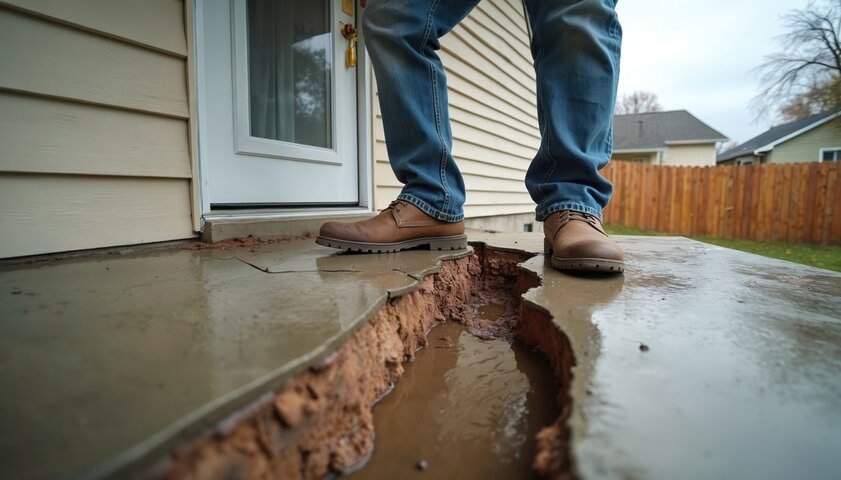
Spring in Colorado’s high country is a welcome sight after months of snow and freezing temperatures. However, for homeowners and business owners in Breckenridge, Silverthorne, Dillon, Frisco, Keystone, Vail, and surrounding mountain communities, the seasonal thaw can quickly turn into a flood risk. Rapid snowmelt, frozen ground, and heavy spring storms create the perfect conditions for water intrusion, foundation damage, and mold growth.
Rocky Mountain Restore is based in Summit County, Colorado and serves residential and commercial property owners throughout the region. With years of experience responding to water damage, fire damage, mold issues, and storm-related property emergencies in mountain environments, our team understands the unique risks that come with Colorado’s spring thaw. Preventing flooding starts with preparation, local knowledge, and proactive property maintenance.
This comprehensive guide explains how to prevent flooding during Colorado spring thaw and what steps you can take to protect your home or commercial building before problems begin.
Why Spring Thaw Causes Flooding in Colorado
Colorado’s mountain climate creates a very specific type of flooding risk. Unlike lower elevations where rain is often the primary culprit, Summit County communities accumulate heavy snowpack throughout winter. When warmer temperatures arrive, that snow melts quickly, sometimes faster than the ground can absorb it.
Frozen or partially frozen soil prevents proper drainage. As snow melts on rooftops, hillsides, and surrounding land, the water has nowhere to go. Instead of soaking into the ground, it flows toward the lowest point, often your foundation, basement, or crawl space.
Several factors combine to increase flood risk during spring thaw:
- Deep snowpack built up over winter months
- Rapid temperature swings between freezing nights and warm days
- Ice dams on roofs blocking drainage
- Mountain terrain that funnels runoff downhill
- Spring rainstorms adding additional water volume
In communities like Breckenridge and Frisco, properties often sit on sloped terrain. Snowmelt from higher elevations can move quickly downhill, overwhelming drainage systems. In Silverthorne and Dillon, areas near rivers and streams may experience elevated groundwater levels during peak melt periods.
Commercial buildings face similar risks. Parking lots, rooftops, and large surface areas can collect significant snow. When that snow melts rapidly, the volume of water can exceed existing drainage capacity. Without preventative measures, water intrusion, structural damage, and mold growth may follow.
Understanding why spring thaw causes flooding is the first step in preventing it.
Inspect Snowpack and Drainage Early for Colorado Homes
One of the most effective ways to prevent flooding during Colorado spring thaw is early inspection. Do not wait until temperatures consistently rise above freezing. By late winter, you should already be evaluating how snow is accumulating around your property.
Start by observing snowpack levels on your roof, around your foundation, and along driveways or walkways. Uneven melting can create water flow patterns that direct runoff toward vulnerable areas. In mountain communities like Keystone and Vail, roof snow loads can remain substantial well into early spring.
Early inspection should include:
- Checking roof edges for ice dam formation
- Identifying low spots in your yard where water collects
- Evaluating exterior grading around the foundation
- Inspecting basement walls for existing moisture stains
- Confirming that drainage swales are clear of debris
If you notice snow piled directly against your foundation, consider carefully removing and redistributing it away from the structure. Maintain a gap between the snowpack and your exterior walls whenever possible.
Drainage systems should also be evaluated early. French drains, surface drains, and culverts must be clear before melt begins. In some Summit County neighborhoods, shared drainage paths serve multiple properties. Make sure these systems remain unobstructed to prevent backup.
Proactive inspections give you time to correct issues before water begins flowing. Once snowmelt accelerates, reaction time becomes limited.
Clear Gutters and Downspouts Before Melt
Gutters and downspouts are critical defense systems during Colorado spring thaw. When functioning properly, they direct melting snow safely away from your roof and foundation. When clogged or damaged, they can cause significant water overflow and interior damage.
Leaves, pine needles, and ice buildup commonly obstruct gutters in mountain communities. If water cannot move freely, it spills over the edge and pools near your foundation.
Before peak thaw season, complete the following:
- Remove debris from gutters and roof valleys
- Ensure downspouts extend at least several feet from the foundation
- Check for sagging or separated gutter sections
- Clear ice blockages that restrict water flow
- Confirm splash blocks are positioned correctly
Ice dams deserve special attention. These ridges of ice form along roof edges when melting snow refreezes. Ice dams trap water behind them, forcing it beneath shingles and into attics or walls. In Breckenridge and Frisco, fluctuating temperatures often contribute to repeated freeze-thaw cycles.
Proper attic insulation and ventilation help reduce ice dam formation. If ice dams are already present, professional mitigation may be necessary to avoid roof damage.
For commercial properties in Silverthorne or Dillon, flat roofs require regular inspection. Drains on flat or low-slope roofs must remain clear to prevent ponding water, which increases the risk of leaks and structural stress.
Routine gutter maintenance is one of the simplest yet most effective ways to prevent flooding during Colorado spring thaw.
Protect Foundations from Rapid Snowmelt Damage
Your foundation is especially vulnerable during rapid snowmelt. When large volumes of water accumulate around the base of your home or building, hydrostatic pressure increases. This pressure forces water through cracks, joints, and porous concrete.
Even small foundation cracks can become entry points during peak melt periods. Water intrusion may not appear dramatic at first. Damp walls, minor seepage, or musty odors often signal early problems.
To protect your foundation:
- Seal visible cracks with appropriate masonry sealants
- Improve exterior grading so soil slopes away from the structure
- Install or maintain window well covers
- Check foundation vents for proper sealing
- Consider adding perimeter drains if recurring water issues exist
In older homes throughout Summit County, foundation waterproofing may not meet modern standards. Spring thaw is often when weaknesses become apparent. Water entering crawl spaces can damage insulation, subflooring, and support beams.
For commercial buildings, foundation leaks can disrupt operations and damage inventory, equipment, or tenant spaces. Early identification of vulnerable areas helps prevent costly downtime.
If you notice signs of foundation moisture, it is wise to consult experienced restoration professionals. Rocky Mountain Restore serving Breckenridge and nearby communities can assess water intrusion, identify moisture pathways, and recommend practical mitigation steps before damage escalates.
Plan Sump Pump and Backup Power Options Early
Sump pumps are a critical line of defense in many Colorado mountain homes. During heavy snowmelt, groundwater levels can rise quickly, especially in low-lying areas near Dillon Reservoir or the Blue River.
A sump pump collects and redirects water away from your basement or crawl space. However, a sump pump is only effective if it functions properly and has power when you need it.
Before spring thaw intensifies:
- Test your sump pump by pouring water into the pit
- Clean debris from the sump basin
- Verify the discharge line is clear and directed away from the home
- Install a battery backup system
- Consider a secondary backup pump for added protection
Power outages are not uncommon during spring storms in mountain regions. Without backup power, a sump pump may fail precisely when water volume is highest.
For commercial properties, especially those with finished basements or storage areas, investing in monitored pump systems can provide early alerts. Remote monitoring technology can notify property managers if water levels rise unexpectedly.
Regular testing ensures your system is ready. Waiting until water is already entering your basement leaves little time for correction.
Work with Local Restoration Experts Fast
Despite best prevention efforts, flooding can still occur during Colorado spring thaw. When water damage happens, fast action minimizes structural damage and reduces the risk of mold growth.
Water can begin affecting building materials within hours. Drywall, insulation, wood framing, and flooring quickly absorb moisture. In high-altitude climates like Summit County, indoor heating systems may mask humidity problems while hidden moisture continues spreading behind walls.
If flooding occurs:
- Shut off water sources if applicable
- Avoid standing water if electrical hazards are present
- Document visible damage for insurance purposes
- Contact a professional restoration company promptly
- Begin drying and mitigation as soon as possible
Rocky Mountain Restore is based in Summit County and serves Breckenridge, Silverthorne, Dillon, Frisco, Keystone, Vail, and nearby Colorado mountain communities. Our team responds to residential and commercial water damage with thorough assessment, moisture detection, extraction, structural drying, and restoration solutions.
Working with a local company familiar with Colorado’s mountain conditions provides important advantages. We understand how snowmelt patterns, elevation, and freeze-thaw cycles affect properties. We also work closely with insurance providers to help property owners navigate claims efficiently.
Delaying professional mitigation increases the likelihood of mold growth, structural deterioration, and long-term repair costs. Quick response helps restore your property safely and efficiently.
Frequently Asked Questions
How common is basement flooding during Colorado spring thaw?
Basement flooding is relatively common in Summit County and surrounding mountain communities due to heavy snowpack and rapid temperature shifts. When frozen ground prevents proper drainage, melting snow can accumulate around foundations and seep into basements. Rocky Mountain Restore serving Breckenridge and nearby areas frequently assists homeowners with spring water intrusion, especially in properties with older foundations or inadequate drainage systems.
What should I do immediately after discovering water damage in my home?
First, ensure safety by avoiding contact with standing water near electrical systems. Document visible damage with photos and contact a professional restoration company as soon as possible. Rocky Mountain Restore serving Summit County and nearby communities provides rapid response water damage mitigation, including water extraction, moisture detection, and structural drying to prevent further damage and mold growth.
Does homeowners insurance cover spring thaw flooding in Colorado?
Coverage depends on your specific policy and the source of water intrusion. Sudden and accidental water damage may be covered, while certain types of groundwater flooding may require additional flood insurance. Rocky Mountain Restore works closely with homeowners and insurance providers throughout Breckenridge, Silverthorne, Dillon, and surrounding areas to document damage and support the claims process efficiently.
How can I prevent mold growth after snowmelt water intrusion?
Mold can begin developing within 24 to 48 hours in damp environments. Immediate drying, dehumidification, and removal of affected materials are essential. Rocky Mountain Restore serving Summit County and nearby Colorado mountain communities provides professional mold remediation and moisture control services to help ensure your property is restored to a safe condition after water damage.
Are commercial properties at risk during Colorado spring thaw?
Yes, commercial buildings in Frisco, Keystone, Vail, and other mountain towns face similar risks from heavy snow accumulation and rapid melt. Flat roofs, large parking areas, and foundation vulnerabilities can contribute to water intrusion. Professional inspection, drainage maintenance, and emergency restoration services help business owners minimize operational disruptions and property damage.
How often should sump pumps be tested in mountain homes?
Sump pumps should be tested at least once before spring thaw and periodically throughout peak melt season. Regular inspection ensures the system activates properly and discharge lines remain clear. Rocky Mountain Restore serving Breckenridge and surrounding communities can assess sump pump performance as part of a broader water damage prevention strategy.
What are signs that my foundation has water damage?
Common signs include damp walls, musty odors, visible cracks, peeling paint, and efflorescence on concrete surfaces. You may also notice pooling water in crawl spaces or basements. Property owners in Summit County who observe these warning signs can contact Rocky Mountain Restore for professional moisture inspection and restoration solutions tailored to Colorado’s mountain climate.
Can water damage from spring flooding lead to long-term structural problems?
Yes, prolonged moisture exposure can weaken framing, subflooring, insulation, and drywall. Over time, untreated water damage may result in rot, mold growth, and compromised structural integrity. Rocky Mountain Restore serving Silverthorne, Dillon, Frisco, Keystone, Vail, and surrounding communities provides comprehensive mitigation and repair services to restore properties safely and prevent long-term issues.