
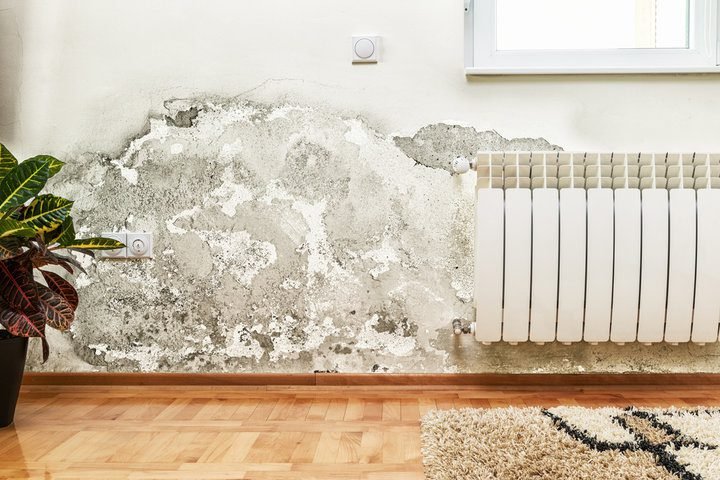
Colorado’s mountain climate is known for its beauty, but it also brings intense summer thunderstorms, rapid snowmelt, and heavy rain events that can overwhelm homes and commercial buildings. In Summit County communities like Breckenridge, Silverthorne, Dillon, Frisco, Keystone, and nearby Vail, storm water damage is a serious and often underestimated threat. What begins as pooling water in a yard or a minor roof leak can quickly evolve into structural deterioration affecting your foundation, framing, insulation, and interior finishes.
Rocky Mountain Restore, based in Breckenridge, Colorado, works with homeowners and business owners throughout Summit County and surrounding mountain communities to address storm-related water damage at every level. Understanding how storm water affects your home’s structure can help you act quickly, minimize long-term damage, and protect your investment.
Below, we break down how heavy storms impact foundations, walls, roofing systems, and hidden structural components, and why fast, professional restoration matters in high-altitude environments like 80424 and 80498.
How Heavy Storms Weaken Your Home’s Foundation
Your foundation is the backbone of your home. In mountain towns like Breckenridge and Frisco, where soil conditions vary and slopes are common, heavy storms can place significant pressure on foundation walls and footings.
When rain falls faster than the soil can absorb it, water accumulates around your home. Poor grading, clogged gutters, and undersized drainage systems worsen the problem. As the soil becomes saturated, it expands and exerts hydrostatic pressure against foundation walls. Over time, this pressure can lead to cracks, shifting, and water intrusion.
Common foundation stress factors after heavy storms include:
- Soil expansion and contraction from saturation
- Hydrostatic pressure pushing against basement walls
- Erosion beneath footings or slab edges
- Compromised sump pump or perimeter drain systems
Even small foundation cracks can allow moisture to seep inside. Once water infiltrates, it weakens concrete, corrodes reinforcement materials, and damages insulation and finished basement areas.
In Summit County’s freeze-thaw climate, the risks increase. Water that seeps into small cracks can freeze overnight, expand, and widen those cracks. This repeated cycle accelerates structural wear. Homes in Silverthorne and Dillon, especially those near rivers or low-lying areas, may experience seasonal groundwater fluctuations that intensify this issue.
Warning signs your foundation may be affected by storm water:
- New or widening cracks in basement walls
- Bowing or leaning foundation walls
- Damp or musty basement smells
- Water stains along the base of interior walls
Ignoring these signs can lead to structural instability. Addressing drainage issues and drying affected areas quickly is essential to prevent long-term damage.
Hidden Structural Risks of Water Intrusion
Not all storm damage is visible. In fact, some of the most serious structural problems occur behind walls, under flooring, and above ceilings. In mountain homes throughout Keystone and Vail, water intrusion often starts small and spreads quietly.
When storm water enters through roof gaps, siding seams, window frames, or foundation cracks, it can travel along framing members. Wood studs, joists, and subflooring absorb moisture like a sponge. Over time, this compromises structural integrity and increases the risk of rot.
Water intrusion can cause:
- Wood rot in framing and load-bearing beams
- Rust and corrosion in metal fasteners and connectors
- Insulation breakdown, reducing energy efficiency
- Warped subfloors beneath hardwood or tile
Because much of this damage is concealed, homeowners may not realize there’s a problem until floors feel uneven or walls show staining. In commercial buildings, hidden water intrusion can affect structural steel components and interior partitions, creating safety concerns.
Another overlooked risk is delamination. Engineered wood products, such as laminated beams and plywood subfloors, can separate when exposed to prolonged moisture. This weakens their load-bearing capacity and can require partial reconstruction.
If you suspect hidden water intrusion after a major storm, a professional inspection is critical. Moisture mapping and thermal imaging can identify damp areas before visible damage becomes severe. Rocky Mountain Restore provides comprehensive assessments for residential and commercial properties across Summit County to detect these hidden risks early.
Roof and Siding Damage After Severe Rain
Your roof and siding form the first line of defense against storm water. In high-elevation communities like Breckenridge and Frisco, roofs endure intense UV exposure, hail, snow loads, and heavy rainfall. Over time, these elements degrade protective materials.
During a severe storm, wind-driven rain can force water beneath shingles, flashing, and siding panels. Once inside, water follows gravity, often entering attic spaces or running down wall cavities.
Common roof and siding vulnerabilities include:
- Missing or lifted shingles
- Damaged flashing around chimneys and vents
- Cracked or warped siding panels
- Clogged gutters and downspouts causing overflow
When gutters overflow, water cascades down exterior walls and pools near the foundation. This increases the likelihood of both siding damage and foundation infiltration.
In mountain climates, ice dams also play a role. After heavy snowfall followed by rapid warming or rain, ice dams can trap water on the roof. That trapped water backs up under shingles and leaks into attics and walls. Over time, repeated exposure leads to:
- Rotted roof decking
- Mold growth in attic insulation
- Stained ceilings and drywall damage
- Compromised structural rafters
Regular roof inspections and immediate repairs after storms are essential. If you notice water spots on ceilings or peeling paint on exterior walls, it’s important to schedule a professional evaluation. Early intervention can prevent the need for major structural repairs.
Foundation Cracks Caused by Poor Drainage
Drainage issues are one of the leading causes of structural water damage in Summit County homes. Mountain properties often feature sloped terrain, retaining walls, and complex runoff patterns. Without proper grading and drainage systems, storm water flows directly toward the structure.
When water repeatedly pools near your foundation, it increases hydrostatic pressure and erodes supporting soil. Over time, this can create settlement and cracking.
Poor drainage often results from:
- Downspouts discharging too close to the home
- Improper yard grading sloping toward the structure
- Blocked or undersized perimeter drains
- Failing window well drainage systems
As cracks form, water intrusion becomes easier with each storm event. Even hairline fractures can widen under freeze-thaw conditions common in Dillon and Silverthorne.
Foundation settlement may also lead to secondary structural issues inside the home, such as:
- Doors and windows that stick or won’t close properly
- Cracked interior drywall
- Uneven or sloping floors
- Gaps between walls and ceilings
Addressing drainage is just as important as repairing visible cracks. Solutions may include extending downspouts, regrading soil, installing French drains, or repairing sump pump systems. Once water intrusion is controlled, structural drying and repairs can begin.
Rocky Mountain Restore works with property owners across Summit County to assess both the damage and the contributing drainage factors, helping prevent recurring issues.
Hidden Mold Growth Inside Walls and Subfloors
Storm water damage does not just affect structural components; it also creates ideal conditions for mold growth. In high-altitude environments with fluctuating humidity, trapped moisture can linger longer than expected.
Mold can begin growing within 24 to 48 hours after water intrusion. When moisture becomes trapped inside walls, beneath flooring, or in insulation, it provides a food source for mold spores.
Common hidden mold locations after storm damage include:
- Inside wall cavities behind drywall
- Beneath carpet padding and hardwood flooring
- Around window frames and door jambs
- In attic insulation and ventilation areas
Beyond structural concerns, mold can impact indoor air quality and occupant health. Spores released into the air may cause respiratory irritation, allergic reactions, and unpleasant odors.
Structurally, mold accelerates the deterioration of organic materials such as wood framing and subfloors. Over time, this can weaken load-bearing components and increase repair costs.
Signs of hidden mold growth:
- Persistent musty odors
- Bubbling or peeling paint
- Dark staining along baseboards
- Warped flooring
Professional mold remediation involves identifying moisture sources, isolating affected areas, removing contaminated materials, and thoroughly drying the structure. In communities like Keystone and Vail, where vacation homes may sit unoccupied for periods of time, routine inspections after major storms are especially important.
Why Fast Storm Damage Restoration Matters
Time is one of the most critical factors in limiting structural damage from storm water. The longer water remains inside a building, the more extensive and costly the repairs become.
Within minutes to hours, water begins soaking into porous materials. Within days, structural wood may swell and warp. Over weeks, rot and mold can compromise framing and subfloor systems.
Immediate restoration steps typically include:
- Emergency water extraction
- Moisture mapping and structural drying
- Removal of damaged drywall and insulation
- Dehumidification and air movement
Fast response reduces the likelihood of secondary damage such as mold growth and structural weakening. It also helps preserve more of the original building materials.
For property owners in Breckenridge, Silverthorne, Dillon, Frisco, Keystone, Vail, and surrounding Summit County communities, working with a local restoration company familiar with mountain construction and climate conditions is essential. Rocky Mountain Restore provides responsive storm damage restoration services for both residential and commercial properties, including assistance with insurance documentation and claims coordination.
Acting quickly after a storm can mean the difference between minor repairs and major structural reconstruction. A thorough assessment ensures that both visible and hidden damage are properly addressed, restoring safety, stability, and peace of mind.
Frequently Asked Questions
How does storm water damage affect a home’s foundation in Colorado mountain communities?
Storm water can saturate the soil around your home, creating hydrostatic pressure that pushes against foundation walls. In Summit County and nearby areas, freeze-thaw cycles worsen the problem by expanding trapped moisture inside small cracks. Rocky Mountain Restore serving Summit County and nearby communities offers inspections and restoration services to address foundation-related water damage before it leads to major structural issues.
How quickly should water damage be addressed after a heavy storm?
Water damage should be addressed as soon as possible, ideally within the first 24 hours. Moisture can begin soaking into framing, insulation, and flooring immediately, and mold may start developing within 48 hours. Rocky Mountain Restore provides responsive water damage restoration services throughout Breckenridge, Silverthorne, Dillon, Frisco, Keystone, and surrounding areas to help minimize long-term structural damage.
Can storm water cause hidden mold growth inside walls?
Yes, storm water can seep into wall cavities and remain trapped behind drywall or insulation. This creates ideal conditions for mold growth, especially in high-altitude homes where ventilation may be limited. Rocky Mountain Restore offers professional mold remediation services in Summit County to locate hidden moisture, safely remove mold, and restore indoor air quality.
What are signs of structural damage after a severe rainstorm?
Signs may include foundation cracks, bowing walls, ceiling stains, warped flooring, sticking doors, or musty odors. Even subtle changes can indicate deeper structural problems. Property owners in Summit County and nearby Colorado mountain communities can schedule a professional assessment with Rocky Mountain Restore to determine the extent of storm-related structural damage.
Does homeowners insurance cover storm water damage in Colorado?
Coverage depends on your specific policy and the source of the water intrusion. Damage from sudden storms is often covered, while flooding from rising groundwater may require separate flood insurance. Rocky Mountain Restore works with property owners and insurance providers throughout Summit County to document damage and support the claims process.
What is involved in professional water damage restoration?
Professional restoration typically includes water extraction, structural drying, dehumidification, removal of damaged materials, cleaning, and repairs. In Breckenridge and surrounding mountain communities, Rocky Mountain Restore tailors its approach to local building styles and climate conditions to ensure thorough structural drying and safe restoration.
Can commercial properties in Summit County experience structural damage from storm water?
Yes, commercial buildings are just as vulnerable to storm water intrusion as residential homes. Flat roofs, large surface areas, and complex drainage systems can increase risk. Rocky Mountain Restore provides commercial property damage restoration services throughout Summit County and nearby areas to address storm-related structural concerns quickly and professionally.
How can I prevent storm water from damaging my home’s structure?
Preventative steps include maintaining gutters and downspouts, ensuring proper grading, inspecting roofing materials, sealing foundation cracks, and installing adequate drainage systems. Property owners in Summit County can also schedule periodic inspections with Rocky Mountain Restore to identify vulnerabilities before severe weather strikes.