
Mountain living in Colorado offers unmatched beauty, outdoor recreation, and four-season scenery. But for homeowners in Breckenridge, Silverthorne, Dillon, Frisco, Keystone, Vail, and surrounding Summit County communities, snow is more than just a seasonal attraction. When winter snow begins to melt, it can quietly turn into one of the most destructive forces affecting mountain properties.
Rocky Mountain Restore, based in Breckenridge and serving Summit County and nearby Colorado mountain communities, regularly responds to water damage calls caused not by plumbing failures, but by snowmelt. Understanding how snow melt affects mountain homes can help property owners prevent costly repairs and respond quickly when issues arise.
Below, we explore how snowmelt causes water damage, what warning signs to look for, and how professional restoration protects your home or commercial property.
Why Snowmelt Is a Hidden Threat to Mountain Homes
In mountain environments like Summit County, snow accumulation is expected. What many homeowners underestimate is how much water that snow contains. A single foot of dense snow can equal several inches of liquid water. When large volumes of snow melt over a short period, that water must go somewhere.
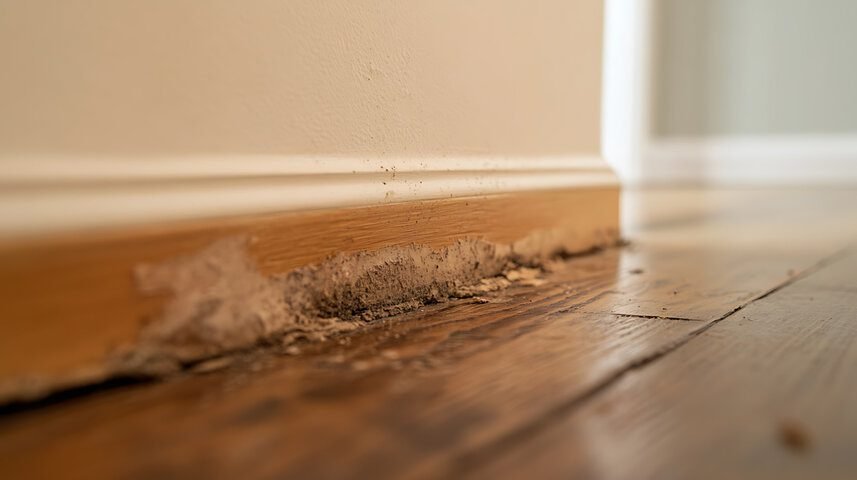
Unlike rainfall, snowmelt often infiltrates slowly at first, soaking into roofing materials, siding gaps, foundation cracks, and window frames. Because the process is gradual, water damage may go unnoticed until staining, swelling, or mold appears inside the home. In communities like Breckenridge and Frisco, where heavy snow loads are common, this slow saturation can affect both primary residences and vacation homes.
Several factors make snowmelt particularly dangerous in mountain properties:
- Deep snowpack accumulates over long winters
- Freeze-thaw cycles trap moisture in roofing systems
- Steep roofs and complex rooflines create vulnerable valleys
- High UV exposure accelerates material wear
Snowmelt also behaves differently at high elevation. Strong daytime sun combined with freezing nighttime temperatures causes repeated thawing and refreezing. This cycle forces water into small cracks and gaps, expanding them over time and increasing the risk of intrusion.
Homes in Dillon, Keystone, and Silverthorne often feature architectural elements designed to handle snow loads, such as metal roofs or extended eaves. While these features help shed snow, they can also create uneven melt patterns. Water may pool in certain areas, leading to unexpected leaks.
Because snowmelt damage often begins invisibly, it is frequently discovered after interior damage has already developed. That is why proactive inspections and fast mitigation are essential in mountain communities.
How Ice Dams Force Water Under Your Roof
Ice dams are one of the most common snowmelt-related causes of water damage in Colorado mountain homes. They form when heat escapes from the interior of a home and warms the roof surface. Snow on the upper roof melts, flows downward, and refreezes at the colder eaves. Over time, this creates a ridge of ice.
As melting continues, water backs up behind the ice dam. Instead of draining off the roof, it is forced underneath shingles and roofing materials. Once water penetrates the roof deck, it can travel into insulation, drywall, and wall cavities.
Common contributors to ice dam formation include:
- Inadequate attic insulation
- Poor ventilation in roof assemblies
- Air leaks from living spaces into the attic
- Heavy snow accumulation combined with sun exposure
In mountain towns like Vail and Breckenridge, dramatic temperature swings intensify the ice dam cycle. South-facing roof slopes may melt quickly during sunny afternoons, while shaded sections remain frozen. This uneven melting increases the likelihood of dam formation.
The damage caused by ice dams can extend far beyond a simple ceiling stain. Trapped water can:
- Soak insulation and reduce energy efficiency
- Rot roof decking and framing members
- Cause interior paint bubbling and drywall sagging
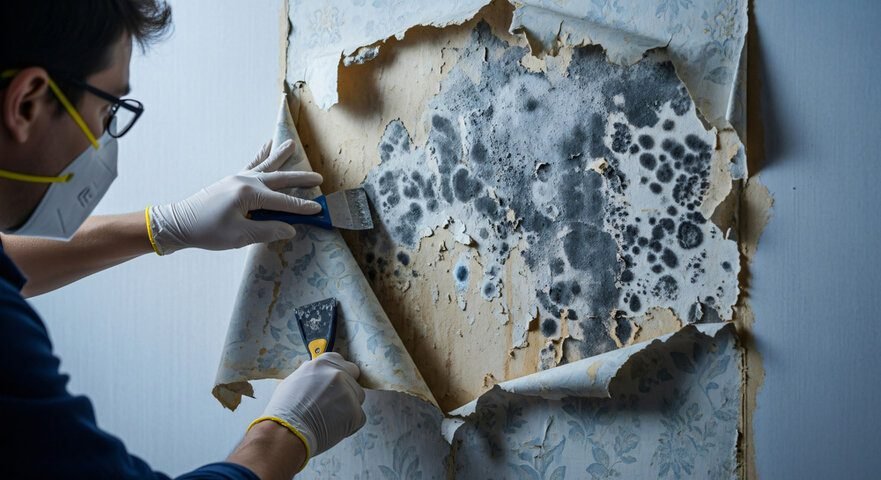
- Lead to hidden mold growth within wall cavities
Because the intrusion happens beneath roofing materials, homeowners may not notice the problem until water drips from ceilings or runs down interior walls. At that point, immediate mitigation is critical to prevent structural deterioration and mold development.
Rocky Mountain Restore frequently assists property owners throughout Summit County with water extraction, structural drying, and restoration after ice dam failures. Fast action limits the spread of moisture and protects the integrity of the home.
The Impact of Rapid Thaw Cycles in Colorado
Colorado’s high-altitude climate is known for its rapid weather shifts. A snowstorm can be followed by bright sunshine and temperatures well above freezing. These rapid thaw cycles are especially hard on mountain homes.
When snow melts quickly, large volumes of water are released at once. If the ground is still frozen, that water cannot properly drain into the soil. Instead, it pools around foundations, seeps into crawl spaces, and infiltrates basements.
Rapid thaw conditions can cause:
- Foundation seepage through small cracks
- Crawl space flooding
- Basement wall moisture intrusion
- Sump pump overload or failure
In communities like Silverthorne and Dillon, where some homes are built on slopes, melting snow can create downhill water flow that concentrates against foundation walls. Repeated exposure weakens waterproofing barriers and increases hydrostatic pressure.
Hydrostatic pressure occurs when water builds up in the soil surrounding a foundation. This pressure pushes moisture through porous concrete and small gaps. Even well-built homes can experience seepage if drainage systems are overwhelmed during intense snowmelt events.
Rapid thaw cycles also impact commercial properties. Parking lots, entryways, and flat roof systems can collect meltwater that refreezes overnight. This repeated stress damages membranes, flashing, and expansion joints.
When water intrusion occurs, the consequences can include:
- Warped hardwood flooring
- Damaged carpeting and underlayment
- Electrical system hazards
- Compromised structural components
Professional drying equipment and moisture mapping are essential to ensure all affected areas are properly addressed. Without thorough mitigation, trapped moisture may lead to long-term deterioration or mold growth.
Warning Signs of Snowmelt Water Intrusion
Detecting snowmelt-related water damage early can significantly reduce repair costs. Because the intrusion often begins slowly, homeowners should remain alert during late winter and early spring.
Interior warning signs include:
- Yellow or brown ceiling stains
- Peeling paint or bubbling drywall
- Musty odors in attics or upper floors
- Dripping water during warm afternoons
In mountain homes around Breckenridge and Frisco, attic inspections are particularly important. Damp insulation, darkened roof decking, or visible frost buildup may indicate ongoing meltwater infiltration.
Exterior signs can also reveal potential problems:
- Large icicles forming along eaves
- Uneven snow melt patterns on the roof
- Ice buildup in gutters and downspouts
- Water pooling near the foundation after sunny days
Commercial property managers in Summit County should also watch for interior wall staining near rooflines or upper-level mechanical rooms. Snowmelt intrusion is not limited to residential properties.
If any of these warning signs appear, it is important to act quickly. Even small leaks can saturate insulation and framing over time. Moisture trapped behind walls often remains undetected until mold growth begins or structural materials deteriorate.
A professional moisture inspection using thermal imaging and specialized meters can identify hidden wet areas. Rocky Mountain Restore provides thorough assessments to determine the full extent of snowmelt damage and develop a targeted restoration plan.
Why Mountain Homes Need Fast Water Mitigation
Time is one of the most critical factors in water damage restoration. In mountain climates, cold temperatures may initially slow microbial growth, but once indoor heating systems run and moisture is present, mold can develop within 24 to 48 hours.
Fast water mitigation prevents secondary damage and reduces restoration costs. Immediate response typically includes:
- Water extraction using commercial-grade equipment
- Removal of saturated materials
- Placement of high-powered air movers and dehumidifiers
- Moisture monitoring and documentation
In Summit County communities such as Keystone and Silverthorne, many properties are second homes or short-term rentals. Delayed discovery of water damage in vacant properties can allow moisture to spread extensively before anyone notices.
Quick mitigation helps:
- Protect structural framing from rot
- Prevent mold colonization
- Preserve flooring and cabinetry
- Support insurance claim documentation
Professional restoration teams also document moisture levels and affected materials for insurance purposes. Accurate records streamline the claims process and help property owners recover more efficiently.
Rocky Mountain Restore works with homeowners, property managers, and commercial building owners throughout Breckenridge and surrounding areas to provide responsive water damage mitigation services after snowmelt events. Their experience in mountain-specific damage patterns allows for targeted, effective solutions.
Professional Restoration After Snow Damage
After mitigation is complete, the restoration phase begins. Snowmelt damage can affect multiple building components, including roofing systems, drywall, insulation, flooring, and trim.
A comprehensive restoration plan may involve:
- Drywall removal and replacement
- Insulation replacement
- Flooring repair or installation
- Structural repairs to roof decking or framing
In some cases, mold remediation is necessary if moisture was present for an extended period. Certified remediation professionals isolate affected areas, remove contaminated materials, and clean surfaces to restore healthy indoor conditions.
For both residential and commercial properties in Summit County, professional restoration ensures that hidden damage is addressed, not just visible symptoms. Proper drying verification and reconstruction protect the long-term integrity of the building.
Rocky Mountain Restore, based in Breckenridge and serving nearby communities, provides end-to-end property damage restoration services. From initial emergency response to final reconstruction, their team prioritizes safety, thoroughness, and clear communication. They also coordinate with insurance providers to help streamline claims and reduce stress for property owners.
Snow may define mountain living, but it does not have to define costly damage. With proactive awareness and professional restoration support, homeowners and businesses can protect their properties against the hidden risks of snowmelt.
Frequently Asked Questions
How does snowmelt cause water damage in mountain homes?
Snowmelt can seep under shingles, behind siding, or into foundation cracks when temperatures rise rapidly. In mountain communities like Breckenridge and Silverthorne, repeated freeze-thaw cycles create ice dams and pooling water that force moisture into vulnerable areas. Rocky Mountain Restore serving Summit County and nearby communities provides inspections and water mitigation to address these issues quickly and thoroughly.
What should I do if I notice a ceiling leak during snowmelt?
If you notice a ceiling stain or active drip, move belongings away from the area and contain the water if possible. Avoid climbing onto snowy or icy roofs. Contact a professional restoration company such as Rocky Mountain Restore serving Summit County and surrounding areas to assess the source, extract moisture, and begin structural drying before further damage occurs.
Can snowmelt water damage lead to mold growth?
Yes, trapped moisture from snowmelt can create ideal conditions for mold growth, especially once indoor heating warms affected areas. Mold can begin developing within 24 to 48 hours. Rocky Mountain Restore provides water damage mitigation and mold remediation services throughout Breckenridge, Dillon, Frisco, and nearby mountain communities to restore safe indoor environments.
Does homeowners insurance cover snowmelt water damage?
Insurance coverage depends on your specific policy and the cause of the damage. Sudden and accidental water intrusion may be covered, while long-term maintenance issues may not be. Rocky Mountain Restore works with property owners in Summit County to document damage, provide detailed reports, and coordinate with insurance providers during the claims process.
How quickly should water damage restoration begin?
Water damage restoration should begin as soon as possible, ideally within the first 24 hours. Fast response reduces structural damage and minimizes the risk of mold growth. Rocky Mountain Restore offers responsive water mitigation services across Summit County and nearby Colorado mountain regions following snowmelt, plumbing failures, or other water emergencies.
Are commercial properties in mountain towns at risk from snowmelt?
Yes, commercial buildings in areas like Vail, Keystone, and Silverthorne can experience roof leaks, foundation seepage, and ice dam-related intrusion. Flat roof systems and large surface areas are particularly vulnerable. Rocky Mountain Restore provides commercial water damage restoration services tailored to mountain climate challenges.
How can I prevent snowmelt water damage in my mountain home?
Preventive steps include improving attic insulation, sealing air leaks, ensuring proper roof ventilation, and keeping gutters clear. Regular roof inspections before and after winter also help identify vulnerabilities. Property owners in Breckenridge and throughout Summit County can schedule professional assessments to reduce the risk of snowmelt intrusion.
What services does Rocky Mountain Restore provide after snow damage?
Rocky Mountain Restore offers water extraction, structural drying, mold remediation, fire and smoke damage cleanup, and full reconstruction services. Based in Breckenridge and serving Summit County and surrounding mountain communities, their team provides comprehensive restoration solutions for both residential and commercial properties affected by snow, water, or other disasters.