Hardwood floors add warmth, value, and character to homes and businesses throughout Breckenridge, Silverthorne, Dillon, Frisco, Keystone, Vail, and surrounding Colorado mountain communities. But when water intrudes from a burst pipe, snowmelt seepage, appliance failure, or fire suppression efforts, those same floors can quickly become vulnerable to cupping, buckling, staining, and mold growth. Understanding how restoration companies dry hardwood floors can help property owners make informed decisions during stressful situations.
Rocky Mountain Restore, based in Breckenridge, Colorado, provides residential and commercial property damage restoration services across Summit County and nearby mountain regions. With deep experience in high-elevation environments and cold-weather conditions, the team understands how to dry hardwood floors safely and efficiently while protecting structural integrity and indoor air quality.
Below is a detailed look at the professional process used to restore water-damaged hardwood floors in Colorado’s unique mountain climate.
Rapid Response to Water-Damaged Hardwood Floors
When hardwood floors are exposed to water, time matters. In mountain communities like Frisco and Dillon, fluctuating temperatures and indoor heating systems can accelerate warping and moisture migration. The first 24 to 48 hours are critical in preventing permanent damage.
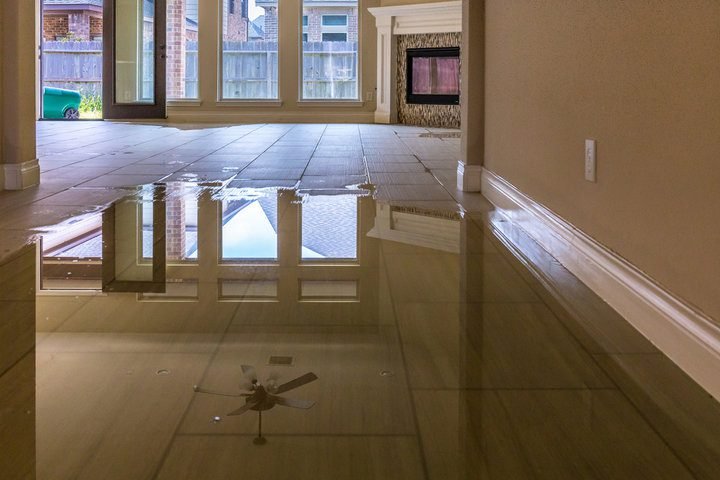
Professional restoration begins with immediate water extraction. Standing water is removed using commercial-grade extraction equipment to minimize absorption into wood planks and subfloors. The faster surface water is removed, the greater the chance of saving the flooring without costly replacement.
A rapid response typically includes:
- Emergency water extraction from flooring and subfloors
- Removal of wet rugs, furniture, and baseboards
- Immediate moisture mapping to determine affected areas
- Stabilizing indoor temperature to slow wood expansion
In mountain properties, delayed response can result in more severe cupping or buckling because wood reacts quickly to moisture changes. Rocky Mountain Restore provides responsive services throughout Summit County, helping both homeowners and commercial property managers reduce long-term damage after water events.
Hardwood is hygroscopic, meaning it naturally absorbs and releases moisture based on surrounding humidity levels. When water saturates the surface, moisture seeps between planks and into the subfloor. Professional drying aims to remove that hidden moisture gradually and evenly to avoid cracking or splitting.
Key early priorities include:
- Preventing additional water migration
- Minimizing dimensional changes in wood
- Reducing risk of microbial growth
- Preserving original flooring whenever possible
Quick action often determines whether hardwood floors can be restored instead of replaced. In high-value properties across Breckenridge and Keystone, this can significantly impact overall restoration costs and insurance claims.
Assessing Moisture in Mountain Homes and Businesses
Drying hardwood floors is not guesswork. Restoration professionals use precise moisture detection tools to understand the extent of water intrusion. In mountain environments, where snowmelt and ice dams are common, hidden moisture may extend beyond visible damage.
Technicians begin with a comprehensive moisture inspection. This includes checking the hardwood surface, subfloor materials, and surrounding building components. Because many homes in Summit County use engineered wood over plywood or concrete slabs, each layer must be evaluated independently.
Professional moisture assessment often involves:
- Non-penetrating moisture meters for surface readings
- Pin-style meters to measure internal moisture content
- Infrared thermal imaging to detect hidden moisture
- Hygrometers to measure indoor relative humidity
In commercial spaces such as retail stores in Silverthorne or office buildings in Vail, large floor areas require systematic mapping. Moisture readings are documented and tracked daily to measure drying progress and support insurance documentation.
Wood flooring has an expected equilibrium moisture content based on regional climate. In high-elevation Colorado areas, this baseline differs from lower-altitude regions. Restoration professionals compare affected readings against normal local moisture levels to determine drying goals.
A detailed assessment helps:
- Identify areas requiring targeted drying
- Prevent unnecessary demolition
- Establish drying benchmarks
- Provide accurate documentation for insurance carriers
Without professional evaluation, property owners risk incomplete drying, which can lead to long-term structural issues or mold growth beneath the flooring.
Advanced Equipment for Floor Drying in Cold Climates
Drying hardwood floors in Colorado’s mountain climate requires specialized equipment. Cold outdoor temperatures and indoor heating systems create unique challenges that affect evaporation rates and humidity control.
After water extraction and moisture mapping, restoration teams install a combination of air movers, dehumidifiers, and specialized floor drying systems. These tools work together to draw moisture out of wood and subfloor materials without causing rapid shrinkage.
Common drying equipment includes:
- High-velocity air movers positioned to create controlled airflow
- Low-grain refrigerant or desiccant dehumidifiers
- Negative air systems when contamination is present
- Floor mat drying systems that apply suction across planks
Floor mat systems are especially effective for hardwood. These systems seal directly to the floor surface and use suction to pull moisture from beneath the boards. This method reduces the need for tear-out in many situations.
In cold climates like Summit County, controlling indoor temperature is essential. If the environment is too cold, evaporation slows dramatically. If it is too warm, wood can dry too quickly and crack. Restoration professionals carefully balance temperature and humidity to promote stable drying conditions.
Effective equipment setup helps:
- Accelerate evaporation without surface damage
- Dry subfloors through hardwood planks
- Prevent secondary water migration
- Reduce overall restoration timelines
Rocky Mountain Restore uses commercial-grade equipment designed for high-altitude performance, ensuring consistent results across Breckenridge and surrounding communities.
Monitoring Humidity and Wood Stability During Restoration
Drying hardwood floors is not a one-day process. It requires ongoing monitoring to ensure moisture levels decline at a safe and steady rate. Sudden changes can cause additional stress on wood fibers.
Technicians revisit the property regularly to record moisture readings and adjust equipment as needed. Each day’s data provides insight into drying progress and confirms whether conditions remain within acceptable ranges.
Monitoring includes:
- Daily moisture content readings in wood planks
- Subfloor moisture checks
- Relative humidity and temperature tracking
- Equipment adjustments based on drying trends
Wood stability depends on controlled moisture reduction. Drying too quickly can cause gaps between boards. Drying too slowly can allow microbial growth. In mountain homes with radiant heating systems, special care is taken to manage heat exposure during restoration.
Careful monitoring helps:
- Prevent cracking, splitting, or excessive cupping
- Ensure moisture returns to regional equilibrium levels
- Validate drying completion before equipment removal
- Protect long-term floor performance
In both residential and commercial properties throughout Dillon and Frisco, proper documentation of moisture levels provides peace of mind and supports insurance claims.
Preventing Mold After Water Intrusion in Mountain Properties
Mold can begin developing within 24 to 48 hours under the right conditions. In water-damaged hardwood floors, moisture trapped between planks and subfloors creates an environment where microbial growth can thrive.
Professional drying significantly reduces mold risk by removing moisture before colonies establish. In cases where contamination is suspected, additional containment and air filtration measures may be used.
Mold prevention strategies include:
- Rapid water extraction and structural drying
- HEPA air filtration during restoration
- Antimicrobial treatments when appropriate
- Removal of severely compromised materials
In mountain areas where properties may sit vacant between seasons, unnoticed water damage can progress further before discovery. Routine inspections and fast response are especially important for vacation homes in Keystone or Breckenridge.
Signs mold may be developing under hardwood floors include:
- Persistent musty odors
- Discoloration along seams
- Increased allergy symptoms indoors
- Visible staining near baseboards
Rocky Mountain Restore provides mold remediation services across Summit County, helping ensure that hardwood floor restoration addresses both visible damage and hidden microbial risks.
Working With Insurance for Full Recovery
Water-damaged hardwood floors often involve insurance claims. Whether the cause is a frozen pipe, appliance leak, or fire suppression event, documentation plays a vital role in claim approval and reimbursement.
Professional restoration companies assist property owners by providing detailed reports, moisture logs, photographs, and equipment usage documentation. This information helps insurers understand the scope of damage and the necessity of drying procedures.
Insurance support typically includes:
- Detailed moisture mapping reports
- Photographic documentation of damage
- Line-item estimates for drying and repairs
- Communication with adjusters as needed
For homeowners in Breckenridge and nearby communities such as Silverthorne and Dillon, navigating claims can feel overwhelming. Working with a restoration team experienced in insurance processes helps streamline communication and reduce delays.
Commercial property owners also benefit from structured documentation, particularly when business interruption is involved. Restoration professionals help ensure:
- Compliance with industry drying standards
- Clear explanation of mitigation steps
- Accurate cost breakdowns
- Proper categorization of water damage
Rocky Mountain Restore serves residential and commercial clients throughout Summit County and surrounding mountain regions, providing restoration solutions and insurance coordination designed to support full recovery.
Frequently Asked Questions
How long does it take to dry hardwood floors after water damage?
Drying hardwood floors typically takes three to seven days, depending on the extent of water intrusion, wood type, subfloor material, and indoor environmental conditions. In high-altitude communities like Breckenridge and Frisco, colder temperatures can affect drying times. Rocky Mountain Restore serving Summit County and nearby communities uses professional equipment and daily moisture monitoring to ensure floors dry thoroughly and safely before restoration is considered complete.
Can cupped hardwood floors return to normal after drying?
In many cases, yes. If water damage is addressed quickly, cupped hardwood floors can flatten as moisture levels return to normal equilibrium. However, severe or prolonged saturation may cause permanent deformation. Rocky Mountain Restore evaluates each situation in Summit County homes and businesses to determine whether drying alone will restore the flooring or if partial replacement is necessary.
Will homeowners insurance cover water-damaged hardwood floors?
Insurance coverage depends on the cause of the water damage. Sudden and accidental events, such as burst pipes or appliance failures, are often covered, while long-term leaks may not be. Rocky Mountain Restore works with homeowners and commercial property owners throughout Summit County to document damage, provide estimates, and assist with communication during the claims process.
Is it necessary to remove hardwood floors after water damage?
Not always. Many hardwood floors can be saved using professional drying systems like floor mat extraction and controlled dehumidification. The key is early intervention and proper moisture monitoring. Rocky Mountain Restore assesses flooring and subfloors in properties across Breckenridge, Silverthorne, and surrounding areas to determine whether restoration or selective removal is the best course of action.
How do restoration companies prevent mold under hardwood floors?
Restoration professionals prevent mold by quickly extracting water, thoroughly drying structural materials, and controlling humidity levels. In some cases, antimicrobial treatments and HEPA air filtration are used. Rocky Mountain Restore serving Summit County and nearby mountain communities integrates mold prevention strategies into every water damage restoration project involving hardwood flooring.
What causes hardwood floors to buckle after water damage?
Buckling occurs when wood absorbs excessive moisture and expands beyond its available space. This often happens when standing water is not removed promptly or when humidity remains elevated for an extended period. In Colorado mountain homes, seasonal temperature swings can worsen the effect. Professional drying by Rocky Mountain Restore helps stabilize moisture levels and reduce the risk of buckling.
Do commercial buildings require a different drying process than homes?
Commercial properties may require larger-scale equipment and more extensive moisture mapping due to size and construction materials. However, the core principles of controlled drying and humidity management remain the same. Rocky Mountain Restore provides both residential and commercial water damage restoration services throughout Summit County, tailoring drying plans to each building’s specific needs.
Can fire sprinkler systems damage hardwood floors?
Yes. While sprinkler systems are essential for safety, they can release significant amounts of water, leading to hardwood floor saturation. Prompt water extraction and professional drying are critical to minimizing secondary damage. Rocky Mountain Restore responds to fire and water-related emergencies across Breckenridge and surrounding communities to help restore affected flooring and structures.