
Colorado’s mountain winters are beautiful, but they are also demanding on homes and commercial buildings. Heavy snowpack, freeze-thaw cycles, ice dams, subzero temperatures, and intense winter storms can take a serious toll on roofs, plumbing systems, foundations, and interior finishes. For property owners in Summit County and nearby mountain communities, understanding how professional restoration helps winter damage is key to protecting both safety and long-term property value.
Rocky Mountain Restore, based in Breckenridge, Colorado, provides residential and commercial property damage restoration services throughout Summit County and surrounding areas. With extensive experience handling winter-related water damage, fire damage from heating systems, and mold growth caused by snow and ice intrusion, their team delivers fast response, detailed assessments, and thorough restoration solutions designed for mountain conditions.
Below, we explore how winter damage occurs, why immediate action matters, and how professional restoration services help protect properties year-round.
Understanding Winter Damage Risks in Mountain Homes
Mountain homes in Breckenridge, Frisco, Dillon, Keystone, Silverthorne, and Vail face unique winter risks that are far more severe than those in lower elevations. Snow accumulation can exceed several feet, temperatures often drop below freezing for extended periods, and rapid weather shifts create constant freeze-thaw stress on building materials.
One of the most common winter threats is water intrusion. Ice dams form when heat escapes through the roof, melting snow that later refreezes along eaves. As water backs up under shingles, it seeps into attics, ceilings, and wall cavities. Frozen pipes are another major concern, especially in vacant vacation homes or commercial buildings with inconsistent heating.
Common winter-related property damage includes:
- Ice dams causing roof and ceiling leaks
- Frozen and burst pipes behind walls
- Snowmelt intrusion through foundation cracks
- Storm-driven moisture entering through windows and doors
- Fire damage from malfunctioning heating systems or fireplaces
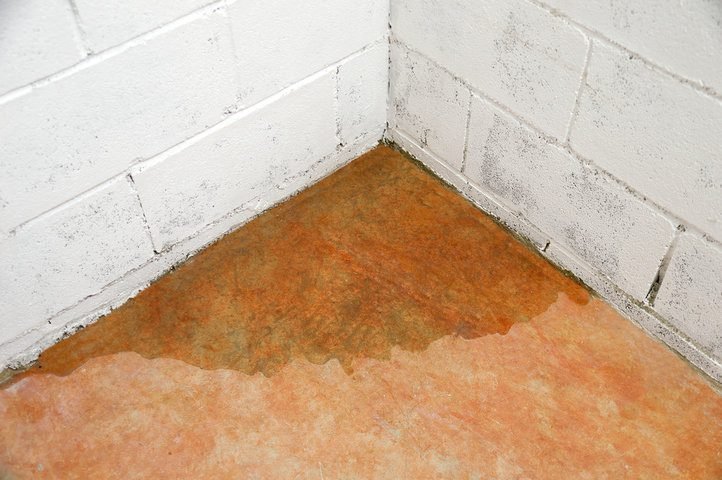
Winter damage is not always immediately visible. Water can travel behind drywall, soak insulation, and pool beneath flooring long before staining appears. In high-elevation communities like Summit County, where many properties are second homes, small issues can escalate quickly if left unnoticed.
Professional restoration begins with identifying hidden damage. Rocky Mountain Restore uses moisture detection tools, thermal imaging, and comprehensive inspections to evaluate both visible and concealed damage. Early detection significantly reduces repair costs and prevents secondary issues such as mold growth or structural deterioration.
In mountain climates, the combination of snow load, temperature swings, and high UV exposure accelerates wear on roofing materials, siding, and sealants. Over time, even minor vulnerabilities can turn into major leaks during winter storms. Understanding these risks allows property owners to act quickly and minimize disruption.
Why Fast Restoration Matters After Storms
After a winter storm hits Breckenridge or surrounding areas, timing is critical. Snowmelt, broken pipes, and wind-driven moisture can continue to cause damage long after the storm has passed. The first 24 to 48 hours often determine whether the situation remains manageable or becomes a major structural issue.
Water spreads rapidly through porous materials. Drywall absorbs moisture, insulation traps water, and wooden framing can begin to swell or warp. The longer water remains, the higher the risk of mold development and long-term structural compromise.
Fast professional restoration helps by:
- Extracting standing water quickly
- Removing saturated materials before mold develops
- Stabilizing indoor humidity levels
- Preventing further damage during freeze-thaw cycles
- Protecting structural components from prolonged moisture exposure
In commercial properties across Summit County, rapid response is equally important. Restaurants, retail stores, offices, and lodging facilities rely on uninterrupted operations. Winter water damage can disrupt business continuity, lead to safety hazards, and impact revenue if not addressed promptly.
Professional restoration teams do more than remove water. They assess safety risks, including compromised ceilings, electrical hazards, and structural instability. Ice and snow damage can weaken roofing systems or overload framing, creating hazards that require careful evaluation.
Rocky Mountain Restore provides responsive restoration solutions throughout Summit County and nearby Colorado mountain regions following water damage, fire damage, mold issues, or severe property emergencies. Their approach emphasizes containment, documentation, and systematic drying to ensure the property is restored safely and efficiently.
Delaying restoration often increases costs. What begins as a minor ceiling stain can lead to insulation replacement, framing repairs, mold remediation, and extensive interior reconstruction. Acting quickly protects both the building and the people inside it.
Preventing Mold After Snow and Ice Damage
Mold is one of the most common secondary problems after winter water damage in mountain homes. When snowmelt seeps into walls or ceilings and remains trapped in insulation or drywall, mold spores can begin to grow within 24 to 48 hours under the right conditions.
In cold climates, mold risk often increases during late winter and early spring. As temperatures fluctuate, melting snow introduces moisture while indoor heating creates warm, humid conditions inside wall cavities.
Conditions that contribute to post-winter mold growth include:
- Hidden moisture behind drywall or under flooring
- Poor ventilation in attics or crawl spaces
- Delayed response to ice dam leaks
- Inconsistent heating in vacant homes
- High indoor humidity during thaw cycles
Mold growth can affect indoor air quality and create health concerns for occupants. For businesses, mold issues may require temporary closure to address contamination safely and thoroughly.
Professional mold remediation following winter damage involves more than surface cleaning. Certified restoration professionals isolate affected areas, use negative air containment when needed, and remove contaminated materials that cannot be salvaged. Moisture sources are identified and corrected to prevent recurrence.
Rocky Mountain Restore serving Summit County and nearby communities focuses on both remediation and prevention. Their team conducts moisture mapping to ensure hidden damp areas are addressed, reducing the risk of future outbreaks. In mountain environments where snow and ice are constant seasonal factors, proactive moisture control is essential.
Long-term mold prevention strategies often include improved attic insulation, proper ventilation, sealing of roof penetrations, and maintaining consistent interior heating. Professional restoration teams can identify vulnerabilities during the repair process, helping property owners avoid repeat damage next winter.
Restoring Water-Damaged Mountain Properties
Water damage restoration in Colorado’s mountain communities requires specialized knowledge of cold-weather construction and high-elevation challenges. Materials behave differently in freezing temperatures, and drying times can be affected by outdoor humidity and indoor heating conditions.
The restoration process typically begins with a comprehensive inspection. Moisture meters and thermal imaging cameras identify the full extent of water intrusion, including areas that are not visible to the naked eye. Once the scope is determined, technicians create a tailored drying and restoration plan.
Key steps in professional water damage restoration include:
- Water extraction using commercial-grade equipment
- Removal of irreparably damaged materials
- Strategic placement of air movers and dehumidifiers
- Continuous moisture monitoring and documentation
- Structural drying to prevent long-term deterioration
In homes throughout Breckenridge and Frisco, burst pipes are a common winter emergency. Water may spread across multiple floors before the issue is discovered. Professional restoration teams work systematically to ensure that subflooring, framing, and insulation are thoroughly dried.
Commercial buildings in Silverthorne, Dillon, and Keystone often require coordinated restoration to minimize downtime. Offices, retail spaces, and hospitality properties benefit from structured project management and clear communication throughout the process.
Professional restoration also addresses cosmetic repairs after structural drying is complete. This may include drywall replacement, painting, flooring installation, cabinetry repair, and trim work. The goal is to return the property to its pre-loss condition safely and efficiently.
Mountain properties sometimes involve specialty finishes such as natural wood paneling, stone accents, and custom millwork. Restoration professionals experienced in high-end homes understand how to protect and restore these materials properly.
Working With Insurance After Winter Losses
Navigating insurance claims after winter property damage can feel overwhelming. Documentation requirements, adjuster visits, and coverage questions often add stress during an already difficult time. Professional restoration companies play an important role in simplifying this process.
After a winter loss, proper documentation is critical. Photographs, moisture readings, and written assessments help support insurance claims. Without clear evidence, coverage disputes may arise.
Professional restoration teams assist by:
- Documenting damage thoroughly with photos and reports
- Providing detailed scope-of-work estimates
- Communicating directly with insurance adjusters when appropriate
- Tracking drying progress with recorded data
- Helping property owners understand restoration timelines
Rocky Mountain Restore works closely with property owners throughout Summit County to help streamline insurance restoration services. Their experience with winter-related claims in Colorado mountain communities allows them to anticipate common questions and documentation needs.
Understanding policy coverage is important. Some policies may address sudden pipe bursts differently than gradual leaks. Ice dam damage may involve both roof and interior coverage considerations. Professional guidance helps ensure no aspect of the loss is overlooked.
Clear communication benefits both residential and commercial clients. Business owners in Vail or Keystone may need documentation for operational continuity, while homeowners in Breckenridge may need guidance on temporary accommodations during major repairs.
While restoration professionals do not determine policy coverage, their detailed reporting and transparent processes help support smoother claim experiences.
How Local Experts Protect Your Property Year-Round
Winter restoration is only part of the equation. Long-term property protection requires year-round awareness and preventive strategies tailored to Colorado’s mountain climate.
Local expertise matters. Contractors unfamiliar with high-elevation conditions may overlook critical details such as snow load requirements, proper attic ventilation, or freeze-resistant plumbing design. Working with a locally experienced team ensures repairs are built to withstand future winters.
Year-round protective strategies include:
- Seasonal property inspections before heavy snowfall
- Insulation and ventilation evaluations
- Plumbing system winterization for vacant homes
- Roof and gutter assessments to reduce ice dam formation
- Moisture monitoring in basements and crawl spaces
Rocky Mountain Restore is based in Summit County, Colorado and serves homeowners and businesses throughout Breckenridge, Silverthorne, Dillon, Frisco, Keystone, and surrounding mountain communities. Their understanding of local building practices, weather patterns, and common winter damage scenarios allows them to provide restoration solutions tailored to the region.
Preventive maintenance often reduces the severity of future damage. For example, addressing minor attic insulation gaps can prevent major ice dams the following winter. Upgrading pipe insulation may reduce the risk of freezing during extended cold snaps.
Community-focused restoration professionals also understand the needs of seasonal residents. Many second homes sit vacant for extended periods, increasing the risk of unnoticed winter damage. Routine monitoring and proactive planning can significantly reduce emergency scenarios.
By combining rapid response, technical expertise, and local knowledge, professional restoration teams help protect property investments year after year in Colorado’s challenging mountain environment.
Frequently Asked Questions
How quickly should water damage be addressed after a winter storm in Summit County?
Water damage should be addressed as soon as it is discovered, ideally within the first 24 to 48 hours. In mountain communities like Breckenridge and Frisco, freeze-thaw cycles can worsen the situation quickly. Rocky Mountain Restore serving Summit County and nearby communities offers prompt assessment and drying services to help reduce structural damage and prevent mold growth.
Does homeowners insurance cover ice dam and burst pipe damage in Colorado?
Many homeowners insurance policies cover sudden and accidental damage such as burst pipes, but coverage for ice dams can vary depending on the policy and circumstances. It is important to review your individual policy details. Rocky Mountain Restore works with property owners throughout Summit County to document winter damage thoroughly and support the insurance claims process.
How do professionals dry water-damaged homes in cold mountain climates?
Professional restoration teams use commercial-grade air movers, dehumidifiers, and moisture monitoring equipment to dry affected materials thoroughly. In cold climates like Silverthorne or Dillon, indoor climate control is carefully managed to ensure efficient evaporation and humidity reduction. Rocky Mountain Restore tailors drying strategies to Colorado’s high-elevation conditions.
Can mold grow after snow and ice damage even in winter?
Yes, mold can grow after snow and ice damage if moisture becomes trapped inside walls, ceilings, or insulation. Indoor heating can create warm, humid conditions that encourage mold growth even when outdoor temperatures are freezing. Rocky Mountain Restore provides mold remediation services throughout Summit County to address contamination and prevent recurrence.
What are the signs of hidden winter water damage?
Signs may include ceiling stains, peeling paint, warped flooring, musty odors, or unexplained increases in humidity. In some cases, damage remains hidden behind walls or under insulation. Professional inspections using moisture detection tools help identify concealed problems before they worsen.
Do restoration companies help with commercial winter property damage?
Yes, professional restoration companies handle both residential and commercial properties. Rocky Mountain Restore serving Breckenridge, Keystone, Vail, and surrounding communities provides restoration services for offices, retail spaces, hospitality properties, and other commercial buildings affected by winter storms, water damage, or fire-related incidents.
How can I prevent frozen pipes in my mountain home?
Preventive steps include maintaining consistent indoor heating, insulating exposed pipes, sealing drafts, and winterizing vacant properties. Property owners in Summit County may also consider smart monitoring systems to detect temperature drops. Professional restoration teams can provide recommendations during inspections or after repairs.
Why is local experience important for winter damage restoration?
Local experience ensures that restoration strategies account for snow loads, freeze-thaw cycles, altitude-related building considerations, and regional construction practices. Rocky Mountain Restore is based in Summit County and understands the specific challenges facing mountain properties in Breckenridge and surrounding Colorado communities.