Water damage is one of the most common and costly problems facing homeowners and business owners in Colorado’s mountain communities. Whether caused by a burst pipe during a winter freeze in Breckenridge, a leaking roof in Vail, or an appliance malfunction in Silverthorne, excess moisture can quickly create the perfect environment for mold growth. Understanding how mold develops after water damage is essential for protecting your property, your health, and your investment.
Rocky Mountain Restore is a locally trusted restoration company based in Summit County, Colorado, serving residential and commercial properties throughout Breckenridge, Silverthorne, Dillon, Frisco, Keystone, Vail, and surrounding mountain communities. With extensive experience responding to water damage, mold issues, fire and smoke damage, and insurance-related restoration projects, our team understands how Colorado’s climate accelerates mold growth and why fast action matters.
This guide explains how mold grows after water damage, what makes mountain homes especially vulnerable, and why professional remediation is often necessary to restore a safe and healthy indoor environment.
How Water Damage Creates Ideal Mold Conditions
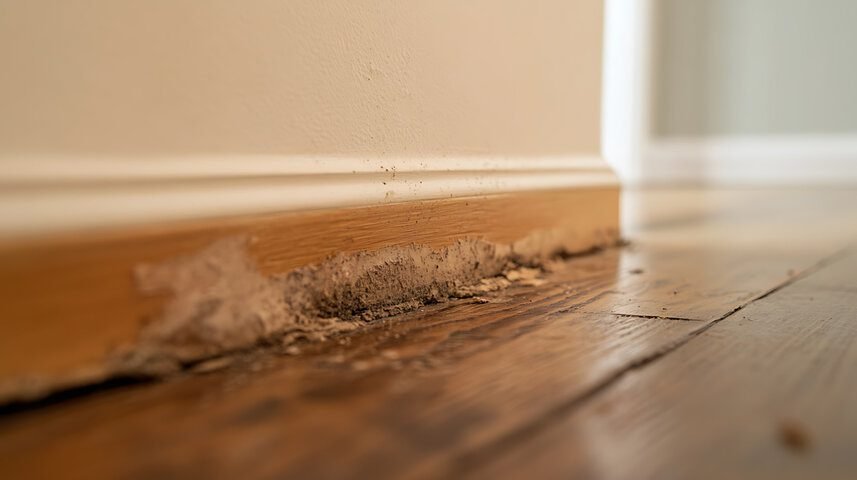
Water damage does not automatically mean mold will appear, but it dramatically increases the risk. Mold spores are naturally present in both indoor and outdoor environments. Under normal conditions, they remain dormant and harmless. When excess moisture is introduced into a home, those spores can begin to grow and spread rapidly.
Mold requires three basic elements to thrive: moisture, organic material, and moderate temperatures. After water intrusion, building materials like drywall, insulation, wood framing, and carpet padding become saturated. These materials provide both the moisture and organic nutrients mold needs to establish colonies.
Common sources of indoor water damage that lead to mold include:
- Burst or frozen pipes during cold mountain winters
- Roof leaks caused by snow accumulation and ice dams
- Appliance failures such as washing machines or dishwashers
- Plumbing leaks inside walls or beneath sinks
- Flooding from heavy rain or rapid snowmelt
In many cases, water damage in Summit County homes is not immediately visible. Moisture can seep behind walls, beneath flooring, or into crawl spaces. When water is not fully dried within 24 to 48 hours, mold growth becomes increasingly likely.
Another factor is humidity. Even after standing water is removed, elevated indoor humidity levels can sustain mold growth. This is especially true if dehumidification and professional drying equipment are not used. Simply mopping up water or running household fans is often insufficient for complete moisture removal.
Signs that mold may be developing after water damage include:
- Musty or earthy odors
- Discoloration on walls or ceilings
- Warped flooring or bubbling paint
- Increased allergy symptoms indoors
Addressing water damage quickly with professional restoration services significantly reduces the risk of mold colonization.
Why Mountain Climates Speed Up Mold Growth
Many homeowners assume that Colorado’s dry reputation prevents mold problems. While some areas are arid, mountain communities like Breckenridge, Frisco, and Dillon experience unique climate conditions that can contribute to moisture retention indoors.
High elevation environments bring heavy snowfall, fluctuating temperatures, and rapid freeze-thaw cycles. Snow accumulation on roofs can melt during sunny days and refreeze at night, creating ice dams. These ice dams trap water beneath shingles, allowing moisture to seep into attics and wall cavities.
Mountain-specific factors that increase mold risk include:
- Heavy snow loads on roofs
- Ice dams causing hidden roof leaks
- Seasonal humidity shifts
- Condensation from temperature differences between indoor and outdoor air
- Vacation homes left unoccupied for extended periods
When homes are unoccupied, small leaks may go unnoticed for weeks or months. By the time the issue is discovered, mold colonies may be well established behind walls or under flooring.
Additionally, tightly sealed mountain homes designed for energy efficiency can inadvertently trap moisture indoors. Without proper ventilation, humidity from cooking, showering, and laundry accumulates. In winter, condensation can form on cold surfaces such as windows and exterior walls, providing localized moisture sources for mold growth.
Commercial properties in Summit County also face similar risks. Hotels, restaurants, and retail buildings in areas like Keystone and Vail often deal with high foot traffic and fluctuating indoor conditions. If plumbing leaks or roof issues occur, moisture can spread quickly through shared wall cavities and ceiling spaces.
Because of these unique environmental factors, rapid professional drying and thorough inspections are critical after any water intrusion event in Colorado mountain communities.
The First 24-48 Hours After Water Intrusion
The timeline following water damage is critical. Within the first 24 to 48 hours, mold spores can begin to germinate if conditions are favorable. This short window is why immediate action is strongly recommended.
In the first few hours after water intrusion, porous materials absorb moisture quickly. Drywall can wick water upward, insulation becomes saturated, and wood framing begins to swell. If the moisture is not removed thoroughly, mold growth can begin behind surfaces before visible signs appear.
The progression often looks like this:
- 0–12 hours: Materials absorb water; humidity rises indoors
- 12–24 hours: Surfaces remain damp; spores begin to activate
- 24–48 hours: Early mold growth may start on organic materials
- 48+ hours: Colonies expand and spread to adjacent areas
During this early phase, professional water damage restoration focuses on:
- Rapid water extraction using commercial equipment
- Strategic placement of air movers and dehumidifiers
- Moisture mapping to detect hidden damp areas
- Removal of unsalvageable materials
Homeowners in Breckenridge and Silverthorne sometimes attempt to handle water cleanup themselves. While small spills can be managed safely, significant water intrusion requires specialized equipment and moisture detection tools. Surface drying alone does not address water trapped inside wall cavities or beneath subflooring.
Prompt response is especially important in colder months. When frozen pipes thaw and burst, water may flow for extended periods before being discovered. The longer materials remain wet, the greater the chance mold colonies will establish themselves.
Taking action within the first 24 to 48 hours dramatically reduces remediation costs and helps prevent long-term structural damage.
Common Hidden Moisture Behind Walls and Floors
One of the biggest challenges after water damage is identifying hidden moisture. Mold does not need visible puddles to grow. Even damp materials concealed behind finished surfaces can support extensive mold colonies.
Drywall and insulation are particularly vulnerable. Water entering from a roof leak or plumbing issue can travel downward inside wall cavities, soaking insulation and pooling at the base of walls. Because the surface may appear dry, the issue can go unnoticed.
Common hidden moisture locations include:
- Behind drywall in exterior walls
- Under hardwood flooring and laminate planks
- Beneath carpet padding
- Inside crawl spaces and basements
- Around window and door frames
In mountain homes with radiant floor heating, leaks beneath subflooring can remain undetected for extended periods. The warmth can even accelerate mold growth by maintaining ideal temperatures.
Another overlooked area is the attic. Snowmelt and ice dams frequently cause water intrusion near rooflines. Wet insulation and roof decking create prime conditions for mold growth above living spaces. By the time stains appear on ceilings in Frisco or Dillon homes, mold may already be widespread in the attic cavity.
Professional restoration teams use specialized tools to locate hidden moisture, including:
- Thermal imaging cameras
- Moisture meters
- Hygrometers for humidity measurement
- Infrared scanning
Identifying and addressing concealed moisture is essential to preventing recurring mold problems.
Serious Health Risks Linked to Household Mold
Mold is not just a structural issue. It can also impact indoor air quality and occupant health. While some individuals are more sensitive than others, prolonged exposure to mold spores may trigger a range of symptoms.
Common health effects associated with indoor mold exposure include:
- Nasal congestion and sneezing
- Coughing and throat irritation
- Eye irritation and watery eyes
- Skin rashes
- Worsening asthma symptoms
In homes with extensive mold growth, airborne spores can circulate through HVAC systems, spreading contamination beyond the original water-damaged area. This is especially concerning for children, older adults, and individuals with respiratory conditions.
Mountain communities often attract seasonal residents and vacation renters. If a property in Keystone or Vail develops hidden mold while unoccupied, guests may experience unexplained allergy-like symptoms upon arrival. Identifying mold as the source can require professional assessment.
Beyond health concerns, mold can compromise structural integrity. Prolonged growth on wood framing may weaken building components over time. In commercial settings, mold issues can disrupt operations and damage a business’s reputation.
Addressing mold promptly through professional remediation helps:
- Improve indoor air quality
- Reduce health-related complaints
- Protect structural components
- Restore confidence in the safety of the property
Because mold can spread behind walls and under flooring, surface cleaning alone is rarely sufficient in significant cases.
Professional Mold Remediation in Summit County
When mold growth follows water damage, professional remediation ensures the problem is properly contained, removed, and prevented from returning. Rocky Mountain Restore, based in Summit County, Colorado, provides comprehensive mold remediation services for homeowners and businesses throughout Breckenridge, Silverthorne, Dillon, Frisco, Keystone, Vail, and nearby communities.
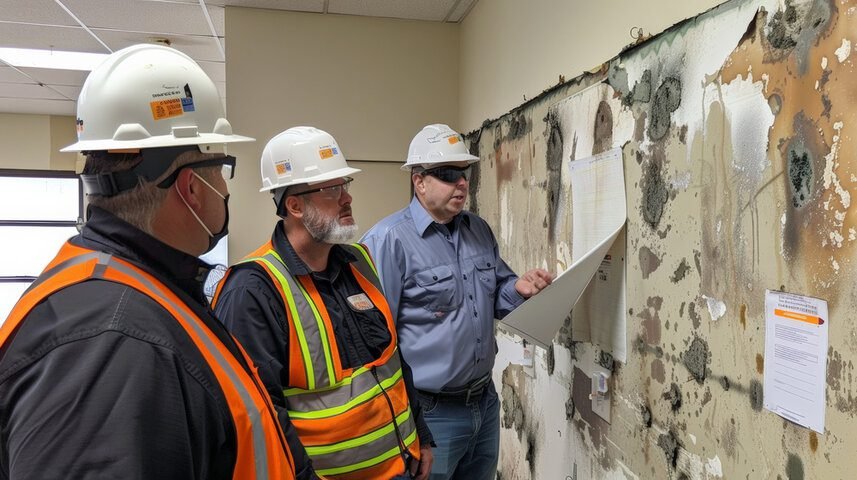
Professional mold remediation typically involves several key steps. The first is a detailed assessment to determine the extent of contamination and identify the moisture source. Without addressing the underlying water issue, mold will likely return.
The remediation process may include:
- Containment of affected areas to prevent spore spread
- Air filtration using HEPA-filtered equipment
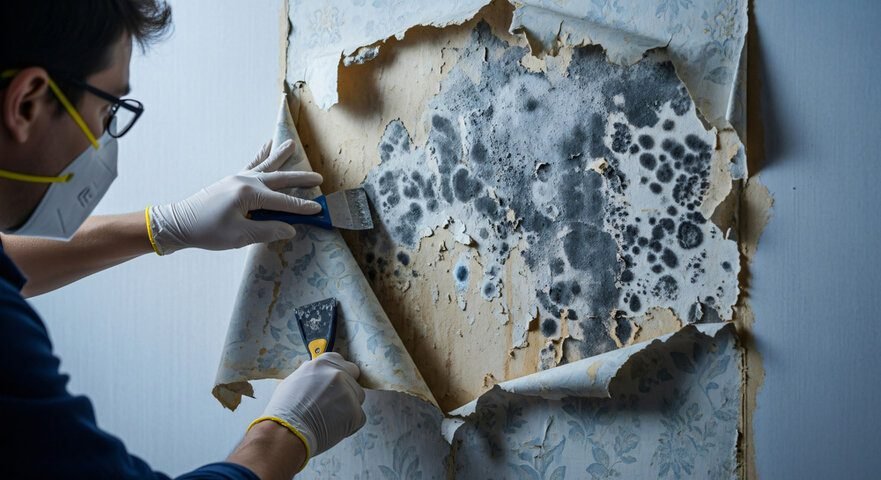
- Removal of contaminated materials such as drywall or insulation
- Cleaning and antimicrobial treatment of structural components
- Post-remediation moisture verification
Containment is especially important in occupied homes and commercial buildings. By isolating affected areas, technicians reduce the risk of cross-contamination.
Rocky Mountain Restore also works closely with property owners and insurance providers to streamline claims related to water damage and mold remediation. Detailed documentation, moisture readings, and restoration plans support efficient insurance processing.
Choosing a local company familiar with Colorado’s mountain climate offers distinct advantages. Our team understands how ice dams, snowmelt, and seasonal occupancy patterns affect properties in Summit County. We respond quickly to help minimize damage and restore safe living and working environments.
If you suspect mold growth after water damage, early intervention can prevent more extensive repairs and higher costs down the line.
Frequently Asked Questions
How quickly can mold grow after water damage in a Colorado mountain home?
Mold can begin developing within 24 to 48 hours after water intrusion if moisture is not properly removed. In Summit County mountain communities like Breckenridge and Frisco, indoor heating combined with trapped moisture can accelerate growth. Rocky Mountain Restore serving Summit County and nearby communities offers rapid water extraction and drying services to reduce the risk of mold colonization.
Do I need professional mold remediation or can I clean it myself?
Small surface mold on non-porous materials may sometimes be cleaned safely, but larger or hidden mold problems typically require professional remediation. Mold often grows behind walls, under floors, or inside insulation where household cleaning methods cannot reach. Rocky Mountain Restore provides thorough inspections and professional containment to ensure mold is properly addressed in both residential and commercial properties.
What are common signs of hidden mold after a leak?
Common indicators include musty odors, persistent allergy symptoms, discoloration on walls or ceilings, and warped flooring. In mountain homes, hidden mold may also develop in attics due to ice dam leaks. Rocky Mountain Restore uses moisture detection tools and thermal imaging to identify concealed mold issues throughout Summit County properties.
Does homeowners insurance cover mold remediation in Colorado?
Insurance coverage for mold remediation varies depending on the policy and the cause of the water damage. Sudden and accidental events, such as burst pipes, are often covered, while long-term neglect may not be. Rocky Mountain Restore works with homeowners and insurance providers throughout Breckenridge, Dillon, and surrounding areas to help document damage and support the claims process.
How does snow and ice contribute to indoor mold problems?
Heavy snowfall and ice dams can force water beneath roofing materials, allowing it to seep into attics and wall cavities. Repeated freeze-thaw cycles common in Summit County increase this risk. Without proper drying and repairs, trapped moisture can lead to mold growth in hidden structural components.
Can mold affect my business or rental property in Summit County?
Yes, mold can impact commercial buildings, vacation rentals, and hospitality properties by affecting indoor air quality and guest satisfaction. Prompt remediation helps minimize operational disruptions and protects your reputation. Rocky Mountain Restore provides restoration services for both residential and commercial properties across Summit County mountain communities.
What should I do immediately after discovering water damage?
First, stop the source of water if it is safe to do so. Then contact a professional restoration company for water extraction and drying as soon as possible. Quick action within the first 24 hours significantly reduces mold risk. Rocky Mountain Restore responds to water damage emergencies throughout Summit County and nearby Colorado mountain regions.
How long does professional mold remediation take?
The timeline depends on the size and severity of the mold problem. Small, contained areas may take a few days, while larger projects involving demolition and reconstruction can take longer. Rocky Mountain Restore provides detailed assessments and clear timelines to property owners in Breckenridge, Silverthorne, and surrounding communities.