
In the high elevations of Summit County and surrounding Colorado mountain communities, winter is both beautiful and relentless. Heavy snowfall, fluctuating temperatures, and intense sun exposure create the perfect conditions for ice dams to form on roofs. For homeowners and property managers in Breckenridge, Silverthorne, Dillon, Frisco, Keystone, Vail, and nearby areas, understanding how ice dams cause roof water damage is essential to protecting your investment.
Rocky Mountain Restore, based in Summit County, Colorado, regularly responds to water damage emergencies caused by ice dams and winter roof leaks. Whether in a residential mountain home or a commercial building, the damage can escalate quickly if not addressed. The following guide explains how ice dams form, why they lead to roof and interior water damage, and what property owners can do to prevent costly repairs.
What Causes Ice Dams on Mountain Roofs in Winter
Ice dams form when snow on a roof melts and then refreezes at the roof’s edge. In mountain climates like Breckenridge and Frisco, this cycle happens repeatedly throughout the winter due to fluctuating daytime and nighttime temperatures.
When heat escapes from the interior of a home into the attic, it warms the roof deck above. Snow sitting on that warmed portion of the roof begins to melt, even when outside temperatures are below freezing. As the melted water runs down toward the colder eaves, it refreezes, forming a ridge of ice. Over time, that ridge thickens into an ice dam that blocks proper drainage.
Several factors contribute to ice dam formation in Summit County and nearby mountain communities:
- Inadequate attic insulation allowing heat to escape
- Poor attic ventilation that traps warm air
- Heavy snow accumulation after winter storms
- Freeze-thaw cycles common at high elevations
- Complex rooflines with valleys and dormers
In Colorado’s mountain climate, sunny days followed by freezing nights are common. This daily temperature swing accelerates melting and refreezing, especially on south-facing roofs in Dillon and Silverthorne. Even well-built homes can develop ice dams if insulation and ventilation are not properly balanced.
Another contributing factor is uneven roof temperatures. When certain sections of the roof are warmer than others, melting occurs inconsistently. This causes water to pool and refreeze in specific areas, often above exterior walls where insulation is weakest. Over time, this localized melting contributes to larger, more destructive ice dams.
For commercial properties in Keystone or Vail, flat or low-slope roof sections can be especially vulnerable. Snow accumulation may linger longer, and drainage systems can become blocked by ice buildup, increasing the risk of water intrusion.
How Snowmelt Leads to Hidden Roof Leaks and Damage
The real danger of ice dams is not the visible ice hanging from the eaves. The problem begins when trapped meltwater has nowhere to go.
Once an ice dam forms, it acts like a barrier. Additional melting snow collects behind the ice ridge, creating a pool of water on the roof surface. Unlike rainwater, which flows freely off a roof, this trapped water can back up under shingles, roof underlayment, and flashing.
Snowmelt-related roof leaks are especially problematic because they often remain hidden at first. Water may seep slowly into the attic insulation and structural framing before appearing inside the home. By the time you notice stains on a ceiling in Breckenridge or Frisco, the damage may already be extensive.
Common hidden effects of snowmelt intrusion include:
- Saturated attic insulation losing effectiveness
- Warped roof decking and sheathing
- Wet rafters and structural framing
- Damaged drywall and ceiling materials
- Electrical hazards from water contact
Because ice dams develop gradually, the resulting leaks can persist for weeks during winter. Slow, continuous water exposure creates ideal conditions for mold growth in attics and wall cavities. In mountain homes that may be vacant seasonally, this damage can go unnoticed for extended periods.
Rocky Mountain Restore often assists homeowners in Summit County who discover water damage after returning from a winter trip. What started as a minor roof issue can result in insulation replacement, drywall removal, mold remediation, and structural drying.
Another challenge is that ice dam leaks do not always follow a straight path. Water may enter at the roofline but travel along beams or insulation before dripping onto ceilings several feet away. This makes identifying the true source of the problem more complex without professional assessment.
Why Ice Dams Force Water Under Shingles and Flashing
Most roofing systems are designed to shed water downward, not resist standing water pushing upward. Ice dams change the direction of water flow, forcing moisture into areas never intended to handle pooling.
As meltwater builds up behind an ice dam, hydrostatic pressure increases. That pressure pushes water beneath shingles and sometimes under metal flashing around chimneys, skylights, and vents. Once water penetrates the protective outer layer, it can infiltrate deeper roofing components.
Key vulnerabilities during ice dam events include:
- Shingle seams and nail penetrations
- Flashing around chimneys and roof valleys
- Roof-to-wall intersections
- Skylight and vent perimeters
- Gutters packed with ice and debris
In high-snow areas like Silverthorne and Keystone, repeated winter storms add new snow layers on top of existing ice dams. Each new melt cycle increases the volume of trapped water. Over time, even high-quality roofing materials can succumb to repeated freeze-thaw stress.
Flashing is particularly susceptible. If flashing was improperly installed or has aged over time, backed-up water can slip beneath it and enter wall cavities. This often results in hidden rot within exterior walls or staining around fireplaces and window frames.
For commercial properties in Summit County, larger roof spans mean more snow accumulation and greater meltwater volume. When drainage is blocked, water intrusion can affect insulation above offices, retail spaces, or lodging areas, leading to business interruptions and repair costs.
Understanding that shingles are not waterproof, but water-shedding, is critical. When ice dams alter the normal drainage pattern, they essentially override the roof’s primary defense system.
The Warning Signs of Ice Dam Roof Damage
Early detection can significantly reduce repair costs and prevent secondary damage. Unfortunately, many signs of ice dam damage are subtle at first.
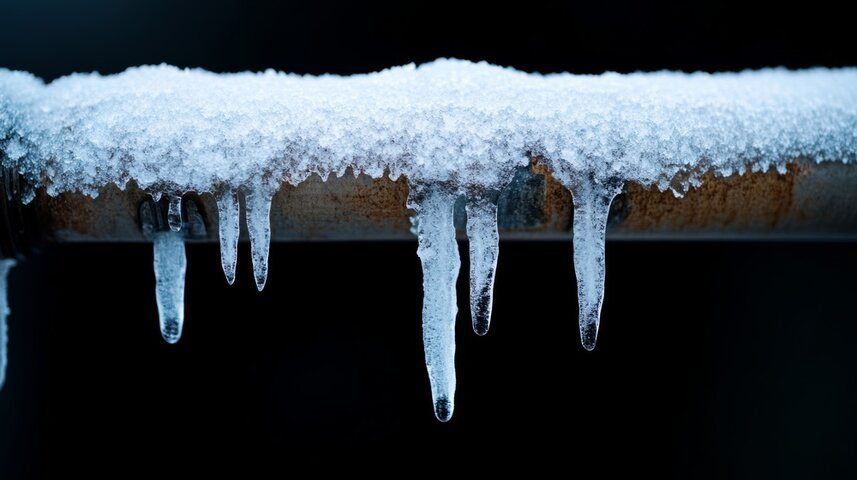
Large icicles hanging from gutters may look picturesque in Breckenridge, but they often indicate uneven roof temperatures and potential ice dam formation. However, not all ice dams produce dramatic icicles, making interior inspection equally important.
Watch for these common warning signs:
- Water stains on ceilings or upper walls
- Peeling paint near rooflines
- Damp attic insulation
- Musty odors in upper floors
- Dripping water during warm afternoons
Inside the attic, frost buildup on nails or roof decking can signal excessive heat loss and moisture accumulation. Over time, this frost can melt and contribute to additional water damage even without an active leak.
Another indicator is warped or sagging drywall. As water accumulates above ceilings, materials can bow or bubble. In severe cases, sections of ceiling may collapse under the weight of trapped water.
Rocky Mountain Restore encourages property owners in Dillon, Frisco, and surrounding mountain communities to schedule professional assessments if any of these symptoms appear. Quick response water mitigation can reduce the extent of structural damage and help prevent mold growth.
Because winter conditions in Summit County can persist for months, addressing warning signs early may prevent repeated leaks during subsequent storms.
Risks of Water Intrusion in Mountain Homes
Water intrusion from ice dams is not just a cosmetic issue. In Colorado mountain environments, prolonged moisture exposure creates serious structural and health risks.
First, wood rot can develop in roof decking, rafters, and wall framing. Once structural components weaken, repair costs increase significantly. In extreme cases, sections of roofing may require partial reconstruction.
Second, mold growth is a major concern. Attics with wet insulation and limited airflow provide ideal conditions for microbial growth. Mold can spread into living spaces, affecting indoor air quality and potentially causing health issues.
Key risks associated with ice dam water damage include:
- Structural weakening of roof systems
- Mold growth in attics and wall cavities
- Insulation failure and higher energy bills
- Electrical system damage
- Interior finish deterioration
In commercial properties across Summit County, water intrusion can disrupt operations, damage inventory, and create safety hazards for occupants. Restaurants, retail stores, and lodging facilities in areas like Vail and Keystone must address moisture issues quickly to maintain safe environments.
Another overlooked risk is reduced energy efficiency. Wet insulation loses its thermal resistance, causing heating systems to work harder during already cold mountain winters. This increases utility costs and contributes to ongoing roof temperature imbalances, perpetuating the ice dam cycle.
Rocky Mountain Restore provides comprehensive water damage restoration services throughout Breckenridge and nearby communities. From moisture detection and structural drying to mold remediation and repairs, a thorough approach ensures that hidden damage is not left behind.
Preventing Ice Dams in Colorado Winters and Storms
Prevention starts with controlling heat loss and improving roof ventilation. In mountain climates, proactive measures are far more cost-effective than repairing repeated winter damage.
Proper attic insulation reduces heat transfer from living spaces into the attic. When paired with balanced ventilation, it helps maintain a consistent roof temperature, minimizing uneven melting.
Effective ice dam prevention strategies include:
- Upgrading attic insulation to recommended R-values
- Sealing air leaks around light fixtures and vents
- Installing ridge and soffit ventilation systems
- Safely removing excessive snow accumulation
- Scheduling professional roof inspections before winter
In high-snow areas like Breckenridge and Silverthorne, professional snow removal from roofs can reduce the weight load and minimize meltwater buildup. However, this should always be done safely to prevent personal injury or roof damage.
Heat cables are sometimes used along eaves to create drainage channels. While they can help in certain situations, they are not a substitute for proper insulation and ventilation improvements.
For homeowners and business owners in Summit County, partnering with experienced professionals ensures that both immediate damage and underlying causes are addressed. Rocky Mountain Restore assists property owners with winter water damage mitigation, structural drying, mold remediation, and insurance claim support when ice dams cause interior leaks.
Preventive planning is especially important in mountain communities where heavy snowfall is expected each season. A proactive approach protects not only the roof but the entire building envelope.
Frequently Asked Questions
What should I do if an ice dam is causing water to leak into my home?
If you notice active leaking during winter, prioritize safety by moving valuables away from affected areas and containing dripping water if possible. Avoid climbing onto an icy roof. Rocky Mountain Restore serving Summit County and nearby communities can provide professional water mitigation, moisture assessment, and structural drying to help prevent further damage while you address the roof issue.
Does homeowners insurance cover ice dam water damage in Colorado?
Coverage depends on your specific policy and circumstances. Many policies cover sudden and accidental water damage but may have exclusions related to maintenance issues. Rocky Mountain Restore works with homeowners and insurance providers throughout Breckenridge, Dillon, and surrounding areas to document damage and support the claims process.
How can I tell if mold has developed after a roof leak?
Signs of mold may include musty odors, visible discoloration, or persistent allergy-like symptoms. However, mold often grows in hidden attic or wall spaces after ice dam leaks. A professional inspection and moisture assessment in Summit County homes can determine whether mold remediation is necessary.
How long does water damage restoration take after an ice dam leak?
The timeline depends on the extent of water intrusion and how quickly mitigation begins. Minor drying may take a few days, while significant structural repairs and mold remediation can take longer. Rocky Mountain Restore provides detailed assessments and restoration plans tailored to mountain properties in Frisco, Keystone, and nearby communities.
Can commercial properties in Summit County experience ice dam damage?
Yes, commercial buildings with sloped or low-slope roofs can develop ice dams and drainage blockages. Water intrusion can affect insulation, ceilings, and operations. Rocky Mountain Restore offers commercial water damage restoration services throughout Summit County and surrounding Colorado mountain regions.
Is removing snow from my roof enough to prevent ice dams?
Snow removal can reduce risk, but it does not fix underlying insulation or ventilation problems. Long-term prevention requires addressing heat loss and airflow in the attic. Property owners in Breckenridge and Silverthorne benefit from combining preventive maintenance with professional inspections.
What are the long-term effects of untreated roof water damage?
Untreated water damage can lead to structural rot, mold growth, insulation failure, and interior finish deterioration. Over time, repair costs increase significantly. Prompt mitigation and restoration services in Summit County help minimize long-term consequences.
Do you provide emergency water damage response during winter storms?
Rocky Mountain Restore provides responsive water damage restoration services throughout Summit County and nearby mountain communities following winter storms, roof leaks, fire damage, or other property emergencies. Quick action helps reduce secondary damage and supports a smoother recovery process.