
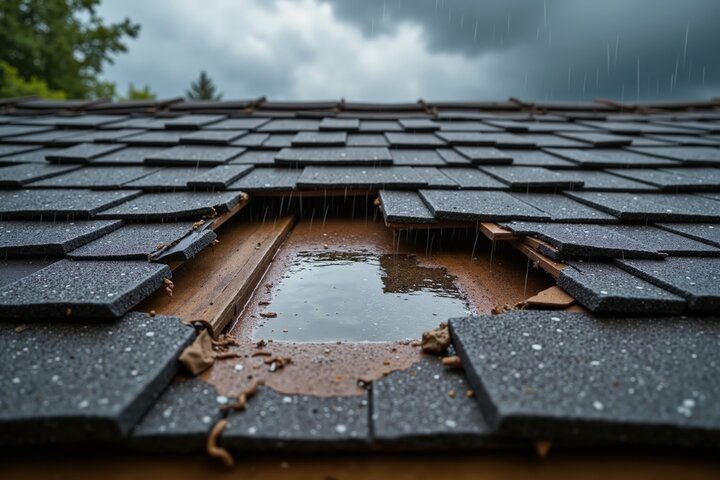
Heavy rain in Colorado’s high country can be both beautiful and destructive. In communities like Breckenridge, Silverthorne, Dillon, Frisco, Keystone, and Vail, intense summer storms and rapid seasonal shifts often overwhelm residential and commercial properties. While mountain living offers stunning views and outdoor recreation, it also brings unique risks when heavy rain hits steep slopes, aging roof systems, and saturated soils.
At Rocky Mountain Restore, based in Breckenridge, Colorado, we’ve seen firsthand how quickly water damage can develop after a severe storm. What starts as wind-driven rain can escalate into roof leaks, flooded basements, hidden mold growth, and structural deterioration. Understanding how heavy rain causes water damage in homes is the first step in prevention and timely restoration.
Below, we break down the most common ways heavy rainfall affects mountain properties and what homeowners and business owners throughout Summit County should know to protect their investments.
Why Mountain Storms Overwhelm Roof Systems
Mountain storms are often more intense than those at lower elevations. Rapid temperature changes, high winds, hail, and heavy rain can strike within a short window, putting immediate stress on roofing systems. In towns like Keystone and Frisco, homes perched at elevation face direct exposure to wind-driven rain that can force water beneath shingles and flashing.
Roofs are designed to shed water, but they are not designed to withstand prolonged pooling or compromised components. When shingles are cracked, curling, or missing, heavy rain can infiltrate underlayment and decking. Over time, repeated exposure weakens structural wood, insulation, and ceiling materials. Even small roof vulnerabilities can allow significant water intrusion during a mountain downpour.
Older homes in Summit County may have roofing systems that were built under different code standards. Without regular inspection and maintenance, these systems may fail under modern storm intensity. Ice dams from previous winters can also weaken roof edges, creating entry points when heavy rain follows snowmelt.
Common ways mountain storms overwhelm roofs:
- Wind-driven rain lifts and penetrates loose shingles
- Hail impacts crack protective granules and expose underlayment
- Flashing around chimneys and skylights separates
- Valleys and low-slope sections collect standing water
- Aging sealants deteriorate under UV and temperature swings
When water enters through the roof, it often travels along rafters and beams before becoming visible. Homeowners may not notice a problem until staining appears on ceilings or walls. By that point, insulation may already be saturated and mold growth may be developing.
Rocky Mountain Restore serving Summit County and surrounding mountain communities responds to roof-related water damage with thorough moisture mapping, structural drying, and restoration services. Fast action reduces secondary damage and helps preserve the integrity of your home or business.
How Clogged Gutters Lead to Interior Leaks
Gutters and downspouts play a crucial role in directing rainwater away from a building’s exterior. In mountain environments like Silverthorne and Dillon, pine needles, leaves, and debris accumulate quickly. When gutters become clogged, heavy rain has nowhere to go.
Instead of flowing through the downspout system, water spills over the sides of gutters. This overflow often runs down siding, behind fascia boards, and along foundation walls. Over time, this repeated exposure can lead to rot, staining, and interior water intrusion.
Clogged gutters also create weight strain. During intense rainfall, backed-up water adds pressure to mounting brackets. Gutters may sag or detach, pulling away from the roofline and creating additional entry points for water.
Signs clogged gutters are contributing to water damage:
- Water cascading over gutter edges during rain
- Peeling paint or rotted fascia boards
- Soil erosion around the foundation
- Basement or crawlspace moisture after storms
- Visible plant growth inside gutters
Interior leaks caused by gutter failure are often misdiagnosed as roof problems. However, water that runs down exterior walls can seep into wall cavities, insulation, and electrical systems. Over time, this hidden moisture creates ideal conditions for mold growth.
Routine maintenance is critical in mountain communities where debris accumulates quickly. Homeowners in Breckenridge and surrounding areas should consider seasonal gutter inspections, especially after heavy wind events. If interior water damage has already occurred, professional drying and dehumidification are essential to prevent long-term structural issues.
Foundation Cracks and Basement Flooding Risks
Heavy rain significantly increases hydrostatic pressure around a home’s foundation. In areas like Frisco and Vail, where homes may be built into slopes, water runoff can concentrate along foundation walls. When soil becomes saturated, it expands and pushes against concrete or block walls.
Even small hairline cracks can allow water to seep into basements and crawlspaces. As pressure builds during prolonged rainfall, water intrusion may intensify, leading to standing water, soaked flooring, and damaged stored belongings. Finished basements are particularly vulnerable.
Foundation vulnerabilities that allow water intrusion:
- Hairline cracks in poured concrete
- Gaps around utility penetrations
- Deteriorated window well seals
- Improper grading directing water toward the structure
- Inadequate or clogged perimeter drains
Once water enters a basement, it can spread quickly. Carpet padding, drywall, baseboards, and insulation absorb moisture rapidly. If not addressed within 24 to 48 hours, microbial growth can begin, complicating cleanup efforts.
Rocky Mountain Restore serving Summit County offers responsive water extraction and structural drying services for flooded basements and commercial lower levels. Our team evaluates both visible damage and hidden moisture to ensure comprehensive restoration. Addressing the source of water intrusion is just as important as drying the affected materials.
Hidden Moisture Behind Walls and Insulation
One of the most damaging effects of heavy rain is moisture that remains unseen. Water can enter through minor exterior gaps and become trapped behind drywall, vapor barriers, and insulation. In mountain climates with fluctuating temperatures, this trapped moisture may not dry naturally.
Hidden moisture often develops after:
- Wind-driven rain penetrates siding seams
- Window or door seals fail
- Roof leaks travel down wall cavities
- Overflowing gutters saturate exterior walls
Because drywall can appear dry on the surface, property owners may not realize water is present inside wall assemblies. Over time, this damp environment promotes mold growth, wood rot, and insulation breakdown. Energy efficiency may also decline as wet insulation loses its thermal properties.
In commercial buildings across Dillon and Silverthorne, concealed water damage can disrupt operations and compromise indoor air quality. Musty odors, bubbling paint, or warped trim are often early warning signs.
Professional moisture detection tools, including thermal imaging and hygrometers, are critical for identifying hidden damage. Rocky Mountain Restore uses advanced equipment to locate trapped moisture and implement controlled drying strategies. This prevents further deterioration and reduces the likelihood of future mold remediation needs.
Rapid Snowmelt and Saturated Soil Issues
In Summit County, heavy rain frequently coincides with rapid snowmelt. When warm storms move through Breckenridge or Keystone, melting snow adds to rainfall totals. The ground may already be partially frozen or saturated, limiting its ability to absorb additional water.
This combination creates significant runoff. Water flows quickly down slopes, pooling near foundations and seeping into crawlspaces. Properties located at lower elevations or at the base of hills are particularly at risk.
Complications caused by rapid snowmelt and heavy rain:
- Overwhelmed storm drains
- Erosion around retaining walls
- Seepage into walkout basements
- Increased pressure on foundation walls
- Landscape displacement exposing footings
Saturated soil can also shift, causing minor foundation movement. Even subtle settling may create new cracks that allow future water intrusion. In commercial properties, parking lots and paved surfaces can direct runoff toward entryways if drainage is insufficient.
Understanding site-specific drainage patterns is essential for prevention. Rocky Mountain Restore works with property owners throughout Summit County to address the aftermath of water intrusion events and recommend corrective measures to reduce recurring damage.
Preventing Water Damage After Heavy Rains
While heavy rain cannot be prevented, proactive measures can significantly reduce the risk of water damage. Regular inspections and maintenance are especially important in mountain communities where weather patterns are unpredictable.
Homeowners and property managers should focus on the building envelope, drainage systems, and interior moisture monitoring. Small improvements can make a major difference during intense storms.
Preventative steps to protect your property:
- Schedule annual roof inspections and timely repairs
- Clean gutters and downspouts seasonally
- Ensure proper grading slopes away from foundations
- Seal foundation cracks and window wells
- Install sump pumps or backflow valves where appropriate
After a heavy rain event, inspect your property promptly. Look for ceiling stains, damp carpets, musty odors, or pooling water near the foundation. Early detection reduces restoration costs and prevents secondary issues like mold growth.
If water damage occurs, prompt professional intervention is critical. Rocky Mountain Restore based in Breckenridge, Colorado 80424 serves homeowners and businesses throughout Summit County and nearby mountain communities including Silverthorne, Dillon, Frisco, Keystone, and Vail. Our team provides comprehensive water extraction, structural drying, mold remediation, and full property restoration services designed for Colorado’s unique high-altitude climate.
Frequently Asked Questions
How quickly should water damage be addressed after heavy rain?
Water damage should be addressed as soon as possible, ideally within 24 to 48 hours. In mountain communities like Breckenridge and Frisco, cooler temperatures may slow visible drying but do not prevent hidden moisture or mold growth. Rocky Mountain Restore serving Summit County and nearby communities offers prompt water extraction and structural drying to minimize long-term damage and restoration costs.
Can heavy rain cause mold growth in my home?
Yes, heavy rain can create the moisture conditions necessary for mold growth, especially when water becomes trapped behind walls, under flooring, or in insulation. Even small leaks can support microbial growth within days. Rocky Mountain Restore provides mold inspection and remediation services throughout Summit County to safely address contamination and restore indoor air quality.
Does homeowners insurance cover water damage from storms in Colorado?
Coverage depends on your specific policy and the source of water intrusion. Sudden and accidental storm-related damage is often covered, while gradual maintenance issues may not be. Rocky Mountain Restore works with property owners in Silverthorne, Dillon, and surrounding areas to document damage and coordinate directly with insurance providers during the restoration process.
What are the signs of hidden water damage after a storm?
Common signs include musty odors, bubbling paint, warped baseboards, ceiling stains, and unexplained increases in humidity. In mountain climates, hidden moisture may persist even when surfaces appear dry. Rocky Mountain Restore uses professional moisture detection equipment to identify concealed water damage in homes and commercial properties across Summit County.
Can commercial properties in Summit County experience different water damage risks?
Yes, commercial buildings often have flat or low-slope roofing systems, larger drainage areas, and more complex mechanical systems. These factors can increase vulnerability during heavy rain. Rocky Mountain Restore provides commercial water damage restoration services tailored to businesses in Breckenridge, Vail, and nearby mountain communities to minimize operational disruption.
How does rapid snowmelt contribute to water intrusion?
Rapid snowmelt adds significant volume to rainfall, saturating soil and increasing hydrostatic pressure around foundations. In areas like Keystone and Frisco, this combination can overwhelm drainage systems and lead to basement flooding. Professional mitigation services help remove standing water and prevent structural deterioration.
What should I do immediately after discovering water damage?
First, ensure safety by avoiding contact with standing water near electrical systems. If possible, stop the source of water intrusion and document visible damage. Then contact a professional restoration company like Rocky Mountain Restore serving Summit County to begin water extraction, drying, and assessment as quickly as possible.
Can water damage lead to structural problems if left untreated?
Yes, prolonged moisture exposure can weaken wood framing, corrode fasteners, deteriorate drywall, and compromise insulation. Over time, this may affect structural stability and indoor air quality. Prompt mitigation and professional restoration services in Summit County and surrounding mountain regions help prevent long-term structural and health-related issues.