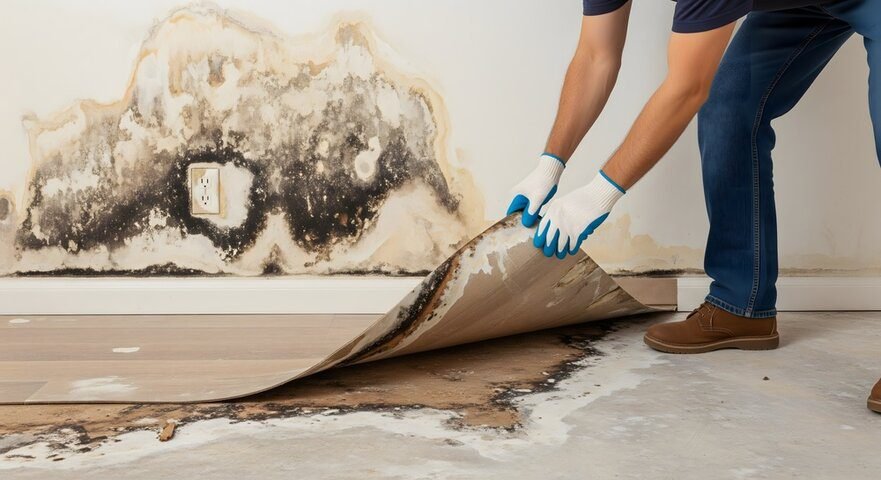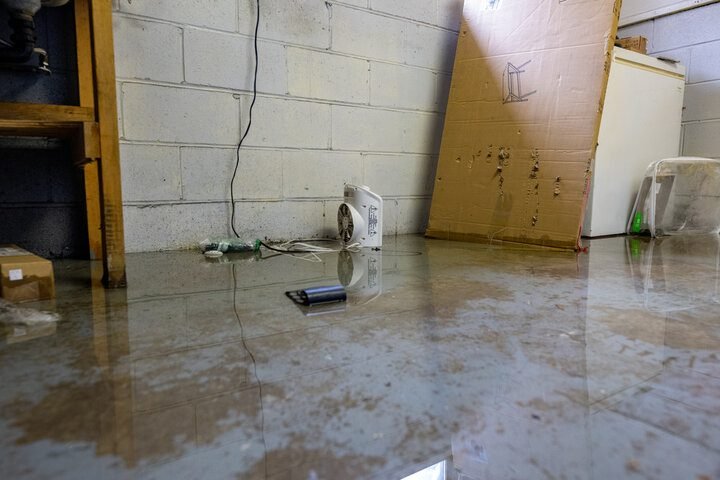
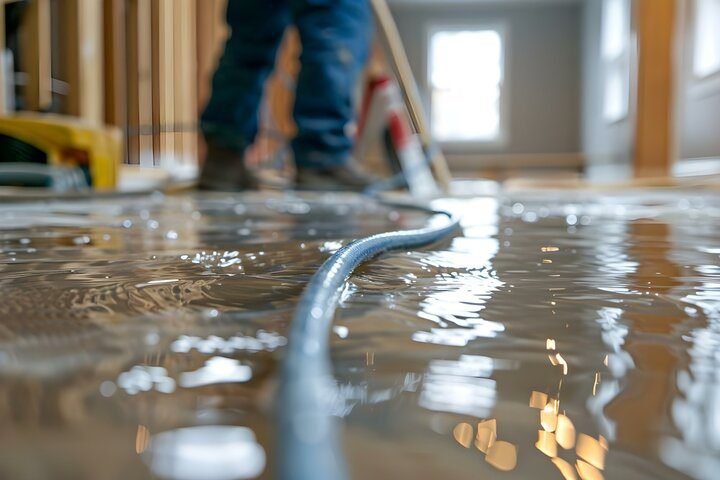
Water damage is one of the most destructive forces a property can face, especially in Colorado’s mountain communities where snowmelt, frozen pipes, and sudden storms are common. In places like Breckenridge, Silverthorne, Dillon, Frisco, Keystone, and Vail, properties are constantly exposed to fluctuating temperatures and heavy seasonal moisture. When water intrudes into a home or commercial building, time becomes the single most important factor in protecting the structure.
Rocky Mountain Restore, based in Summit County, Colorado, provides residential and commercial water damage restoration throughout the surrounding mountain communities. Fast, professional cleanup does more than remove standing water. It protects framing, foundations, insulation, drywall, flooring, and structural systems from progressive deterioration.
Below, we explore exactly how rapid water damage cleanup prevents structural damage and why acting quickly can save thousands of dollars in long-term repairs.
Why Immediate Water Cleanup Matters Most
When water enters a building, it begins damaging materials immediately. Within minutes, moisture spreads across floors and seeps into porous materials like drywall, wood, and insulation. Within hours, swelling and warping begin. In mountain climates like Summit County, freeze-thaw cycles can accelerate that deterioration.
Immediate water cleanup limits how far moisture can travel and how deeply it can penetrate structural materials. The longer water sits, the more likely it is to compromise framing, subfloors, and load-bearing components.
Fast professional response helps prevent:
- Wood expansion and structural warping
- Delamination of subfloor and plywood layers
- Rusting of metal fasteners and structural connectors
- Electrical system damage from hidden moisture
In communities such as Breckenridge and Frisco, properties often feature wood framing and mountain-style construction materials that are particularly vulnerable to moisture. When water is extracted quickly and drying begins immediately, structural materials often remain salvageable.
Professional water damage restoration teams use moisture detection equipment to identify water that may not be visible. Infrared cameras, hygrometers, and moisture meters allow technicians to target hidden saturation before it spreads further into the structure.
Immediate mitigation also reduces secondary damage. For example, wet drywall can transfer moisture into studs behind it. Wet carpet can trap moisture against subflooring. The faster those materials are removed or dried, the lower the risk of deeper structural compromise.
Quick action is especially critical in:
- Burst pipe events during winter freezes
- Appliance failures in vacation homes
- Roof leaks after heavy snowfall
- Ice dam-related water intrusion
Rocky Mountain Restore responds throughout Summit County and surrounding areas with rapid water extraction and structural drying services designed to stabilize buildings before serious damage develops.
Stopping Moisture Before It Weakens Walls
Walls are highly vulnerable to water intrusion. Drywall, insulation, and wood studs absorb moisture quickly, and once saturated, they can lose strength and stability. In mountain homes throughout Silverthorne and Keystone, walls often contain additional insulation layers designed for cold climates, which can trap water inside cavities.
When water seeps into wall systems, the damage progresses in stages. First comes absorption, then swelling, and eventually material breakdown. If drying does not occur quickly, framing members can begin to weaken.
Fast cleanup prevents wall system failure by:
- Removing wet drywall before saturation spreads
- Extracting moisture from wall cavities
- Using targeted air movement to dry studs
- Preventing long-term insulation deterioration
In many cases, prompt mitigation allows structural studs and framing to be preserved rather than replaced. This reduces repair time and keeps restoration costs manageable.
Water-damaged drywall can lose its integrity within 24 to 48 hours. As it softens, it may begin to sag or crumble, placing additional stress on fasteners and framing. If left untreated, moisture can also corrode metal studs and fasteners.
Professional structural drying includes:
- Controlled demolition of irreparably wet materials
- Industrial dehumidification to lower humidity levels
- Air scrubbers when contamination is present
- Moisture monitoring to ensure complete drying
Mountain properties in Dillon and nearby communities often experience hidden moisture behind finished walls due to snow-related leaks. Without professional moisture mapping, this hidden water may continue degrading structural components long after surface materials appear dry.
Stopping moisture early is the key to maintaining wall strength, preventing collapse, and protecting interior structural systems.
Protecting Foundations in Mountain Homes
Foundations are the backbone of any structure. In Colorado mountain environments, foundations are subjected to heavy snow loads, spring runoff, and shifting soil conditions. When water intrusion reaches foundation walls or slabs, it can lead to long-term structural instability.
Water that seeps into basements or crawl spaces increases hydrostatic pressure against foundation walls. Over time, this pressure can lead to cracking, bowing, or settlement issues.
Fast water damage cleanup helps protect foundations by:
- Removing standing water before soil saturation increases
- Drying crawl spaces to prevent wood rot in support beams
- Reducing hydrostatic pressure buildup
- Preventing freeze-related expansion in foundation cracks
In communities like Vail and Breckenridge, where snowmelt can be significant, water intrusion often begins at ground level. If not addressed quickly, repeated exposure can compromise concrete and masonry surfaces.
Excess moisture also contributes to:
- Erosion beneath slabs
- Rusting of anchor bolts and reinforcement
- Deterioration of sill plates
- Long-term structural shifting
Professional restoration teams assess not just visible water but also underlying moisture in subfloors and foundation materials. Dehumidification plays a critical role in stabilizing these areas.
Rocky Mountain Restore provides comprehensive water mitigation services throughout Summit County, ensuring that foundation-level moisture is addressed before it evolves into costly structural repairs.
By acting quickly, property owners can prevent minor water intrusion from becoming a major foundation reconstruction project.
Preventing Mold After Water Intrusion Damage
Mold growth is both a health concern and a structural issue. In moist environments, mold colonies can begin forming within 24 to 48 hours. In insulated wall cavities and damp subflooring, mold spreads rapidly.
Beyond health considerations, mold actively breaks down organic materials such as wood and drywall. This gradual degradation weakens structural components and accelerates damage.
Fast water damage cleanup reduces mold risk by:
- Eliminating excess moisture quickly
- Removing contaminated porous materials
- Maintaining controlled humidity levels
- Applying antimicrobial treatments when necessary
In mountain communities like Frisco and Keystone, vacation homes left unattended are especially vulnerable. A small leak can persist for days or weeks before discovery, increasing mold risk significantly.
Mold-related structural concerns include:
- Wood rot in framing and support beams
- Subfloor deterioration
- Insulation breakdown
- Compromised indoor air quality systems
Professional drying equipment and containment methods help ensure that moisture is fully eliminated before mold establishes itself. If mold has already begun forming, targeted remediation prevents further spread and structural weakening.
Rocky Mountain Restore offers mold remediation services throughout Summit County and nearby mountain communities, addressing both moisture sources and structural impact to restore safe, stable conditions.
Preventing mold through fast water cleanup protects both the integrity of the building and the well-being of occupants.
Fast Response Limits Costly Long-Term Repairs
One of the biggest misconceptions about water damage is that if surfaces dry, the problem is resolved. In reality, hidden moisture can continue degrading materials long after visible water disappears.
Fast response restoration dramatically reduces long-term repair costs. When materials are dried before structural breakdown occurs, replacement is often unnecessary.
Quick mitigation helps avoid:
- Full drywall replacement throughout entire rooms
- Structural framing reconstruction
- Extensive subfloor removal
- Foundation reinforcement repairs
In commercial properties across Silverthorne and Dillon, delayed water cleanup can interrupt operations and increase downtime. Acting quickly not only protects the building but also helps businesses resume operations faster.
Long-term consequences of delayed cleanup may include:
- Persistent musty odors from hidden moisture
- Ongoing wood warping and floor buckling
- Repeated mold outbreaks
- Insurance claim complications
Rocky Mountain Restore serves residential and commercial properties throughout Summit County, including Breckenridge 80424 and surrounding areas, with responsive water damage restoration services designed to stabilize structures immediately.
The cost difference between early mitigation and full reconstruction can be substantial. Fast cleanup protects structural systems, reduces reconstruction scope, and minimizes disruption for property owners.
Working With Insurance After Major Water Loss
Major water damage events often involve insurance claims. Proper documentation and professional mitigation are essential for protecting both the structure and the claim process.
Fast cleanup supports smoother insurance handling by:
- Documenting moisture levels and affected materials
- Preventing secondary damage that may complicate claims
- Providing detailed mitigation reports
- Coordinating directly with adjusters when needed
In Summit County and nearby mountain communities, seasonal water damage events such as frozen pipe bursts are common. Insurance providers typically require prompt action to prevent additional loss.
Working with a professional restoration company ensures:
- Accurate assessment of structural impact
- Clear scope of work documentation
- Compliance with industry drying standards
- Reduced risk of uncovered secondary damage
Rocky Mountain Restore assists property owners throughout Breckenridge, Silverthorne, Dillon, Frisco, Keystone, and surrounding Colorado mountain regions by coordinating restoration efforts alongside insurance providers. This helps streamline communication and keeps the focus on restoring the building safely and efficiently.
When water damage is handled quickly and professionally, both the structural integrity of the property and the insurance claim process benefit.
Frequently Asked Questions
How quickly should water damage be addressed in mountain homes?
Water damage should be addressed immediately, ideally within the first 24 hours. In Colorado mountain communities like Breckenridge and Frisco, freeze-thaw cycles and high humidity can accelerate structural deterioration. Rocky Mountain Restore serving Summit County and nearby communities offers rapid response water mitigation to prevent moisture from weakening framing, drywall, and foundations.
Can water damage weaken the structural integrity of a house?
Yes, prolonged moisture exposure can weaken wood framing, subfloors, drywall, and even concrete foundations. Water causes swelling, rot, corrosion, and eventual material breakdown. Fast professional drying and structural mitigation significantly reduce the risk of long-term structural damage in homes and commercial properties throughout Summit County.
Does homeowners insurance cover water damage restoration?
Coverage depends on the source of the water and the specifics of the policy. Sudden events like burst pipes are often covered, while gradual leaks may not be. Rocky Mountain Restore works with property owners in Summit County and surrounding areas to document damage and assist with insurance claim coordination after major water loss.
How do professionals dry walls and floors after water damage?
Professional restoration teams use industrial air movers, dehumidifiers, moisture meters, and thermal imaging to locate and remove hidden moisture. In some cases, small sections of drywall are removed to allow wall cavities to dry properly. This approach helps preserve structural framing while preventing mold growth.
What are signs of hidden structural water damage?
Common signs include warped floors, soft drywall, musty odors, visible staining, and peeling paint. In mountain homes, unexplained increases in humidity may also signal hidden moisture. A professional inspection can identify structural risks before they worsen.
Can mold from water damage affect the structure of a building?
Yes, mold feeds on organic materials like wood and drywall, gradually breaking them down. Over time, this can weaken framing and subfloor systems. Prompt water cleanup and mold remediation help protect both indoor air quality and structural stability.
How long does structural drying typically take?
Drying time depends on the extent of water intrusion, materials affected, and environmental conditions. Most structural drying projects take several days, but severe cases may require longer monitoring. Restoration professionals track moisture levels carefully to ensure complete drying before repairs begin.
Do commercial buildings require different water damage restoration methods?
Commercial properties often involve larger spaces, complex HVAC systems, and operational considerations. Restoration plans must account for business continuity while addressing structural concerns. Rocky Mountain Restore provides commercial water damage cleanup throughout Summit County and nearby mountain regions to help businesses recover efficiently.
{
  "@context": "https://schema.org",
  "@type": "FAQPage",
  "mainEntity": [
    {
      "@type": "Question",
      "name": "How quickly should water damage be addressed in mountain homes?",
      "acceptedAnswer": {
        "@type": "Answer",
        "text": "Water damage should be addressed immediately, ideally within the first 24 hours. In Colorado mountain communities like Breckenridge and Frisco, freeze-thaw cycles and high humidity can accelerate structural deterioration. Rocky Mountain Restore serving Summit County and nearby communities offers rapid response water mitigation to prevent moisture from weakening framing, drywall, and foundations."
      }
    },
    {
      "@type": "Question",
      "name": "Can water damage weaken the structural integrity of a house?",
      "acceptedAnswer": {
        "@type": "Answer",
        "text": "Yes, prolonged moisture exposure can weaken wood framing, subfloors, drywall, and even concrete foundations. Water causes swelling, rot, corrosion, and eventual material breakdown. Fast professional drying and structural mitigation significantly reduce the risk of long-term structural damage in homes and commercial properties throughout Summit County."
      }
    },
    {
      "@type": "Question",
      "name": "Does homeowners insurance cover water damage restoration?",
      "acceptedAnswer": {
        "@type": "Answer",
        "text": "Coverage depends on the source of the water and the specifics of the policy. Sudden events like burst pipes are often covered, while gradual leaks may not be. Rocky Mountain Restore works with property owners in Summit County and surrounding areas to document damage and assist with insurance claim coordination after major water loss."
      }
    },
    {
      "@type": "Question",
      "name": "How do professionals dry walls and floors after water damage?",
      "acceptedAnswer": {
        "@type": "Answer",
        "text": "Professional restoration teams use industrial air movers, dehumidifiers, moisture meters, and thermal imaging to locate and remove hidden moisture. In some cases, small sections of drywall are removed to allow wall cavities to dry properly. This approach helps preserve structural framing while preventing mold growth."
      }
    },
    {
      "@type": "Question",
      "name": "What are signs of hidden structural water damage?",
      "acceptedAnswer": {
        "@type": "Answer",
        "text": "Common signs include warped floors, soft drywall, musty odors, visible staining, and peeling paint. In mountain homes, unexplained increases in humidity may also signal hidden moisture. A professional inspection can identify structural risks before they worsen."
      }
    },
    {
      "@type": "Question",
      "name": "Can mold from water damage affect the structure of a building?",
      "acceptedAnswer": {
        "@type": "Answer",
        "text": "Yes, mold feeds on organic materials like wood and drywall, gradually breaking them down. Over time, this can weaken framing and subfloor systems. Prompt water cleanup and mold remediation help protect both indoor air quality and structural stability."
      }
    },
    {
      "@type": "Question",
      "name": "How long does structural drying typically take?",
      "acceptedAnswer": {
        "@type": "Answer",
        "text": "Drying time depends on the extent of water intrusion, materials affected, and environmental conditions. Most structural drying projects take several days, but severe cases may require longer monitoring. Restoration professionals track moisture levels carefully to ensure complete drying before repairs begin."
      }
    },
    {
      "@type": "Question",
      "name": "Do commercial buildings require different water damage restoration methods?",
      "acceptedAnswer": {
        "@type": "Answer",
        "text": "Commercial properties often involve larger spaces, complex HVAC systems, and operational considerations. Restoration plans must account for business continuity while addressing structural concerns. Rocky Mountain Restore provides commercial water damage cleanup throughout Summit County and nearby mountain regions to help businesses recover efficiently."
      }
    }
  ]
}